Last Tuesday, the smoke alarm screamed louder than my neighbor’s karaoke night, and I swore off cooking forever. The culprit? A half‑cooked chicken disaster that left me staring at a charred mess while the kitchen smelled like a regrettable summer bonfire. I was frantic, hungry, and determined to prove that weeknight meals don’t have to be a culinary nightmare. That moment sparked a dare: could I create a lineup of dinners so simple, so fast, and so ridiculously tasty that even the most kitchen‑phobic would grab a skillet without hesitation?
Fast forward a week, and I’ve cracked the code. Imagine a dinner table that bursts with color, aromas that make your nose do a happy dance, and flavors that cling to your palate like a well‑kept secret. From the comforting hug of a cheesy pasta bake to the crisp kiss of a stir‑fry that snaps like fresh fireworks, each plate feels like a mini‑celebration. The secret? A handful of pantry heroes, a splash of smart shortcuts, and a pinch of daring confidence. I’m talking about ingredients that whisper “I’m essential,” not shout “I’m overkill.”
Most weeknight recipes get the balance wrong—either they demand a marathon prep or they sacrifice flavor at the altar of speed. I’ve been there, ripping up lettuce while the sauce boils over, blinking at a fridge that’s as empty as my motivation. This collection flips that script. Every dinner in this lineup is engineered for under‑45‑minute turnaround, yet it still manages to turn ordinary Tuesday into a feast worthy of a weekend celebration. The magic lies in a versatile base that you can dress up in endless ways, like a canvas waiting for a bold brushstroke.
And here’s the kicker: I’m throwing in a technique that most home cooks overlook—a quick “steam‑finish” that revives veggies to a perfect, tender‑crunch without overcooking. It’s the kind of detail that makes you wonder why you ever settled for soggy spinach. Okay, ready for the game‑changer? Let me walk you through every single step — by the end, you’ll wonder how you ever made it any other way.
What Makes This Version Stand Out
- Flavor Explosion: Each dish layers contrasting tastes—sweet, salty, umami—so your mouth never knows what delightful surprise is coming next.
- Texture Harmony: From silky sauces to crunchy toppings, every bite offers a satisfying contrast that keeps you reaching for seconds.
- Simplicity Power: All recipes use five ingredients or fewer, ensuring you spend more time eating and less time hunting for obscure items.
- Unique Twist: The secret steam‑finish method preserves nutrients and delivers that “just‑right” snap that most rushed meals lose.
- Crowd‑Pleaser Factor: I’ve tested these on picky eaters, and even the toughest critics begged for a repeat, proving the universal appeal.
- Ingredient Quality: By spotlighting fresh herbs and high‑quality pantry staples, the dishes taste like they belong in a five‑star eatery.
- One‑Pan Efficiency: Most meals require just a single skillet or saucepan, minimizing cleanup and maximizing convenience.
- Make‑Ahead Magic: Several components can be pre‑pped on Sunday, turning hectic weekdays into breezy, stress‑free evenings.
Inside the Ingredient List
The Flavor Base
Garlic—this aromatic powerhouse adds depth that lingers like a good story. If you skip it, expect a flat taste that screams “I gave up halfway.” Try roasting the cloves first for a sweeter, caramel‑kissed twist that transforms the entire dish. Olive oil—its fruity notes coat every ingredient, ensuring flavors don’t stick to the pan. Opt for extra‑virgin for maximum peppery nuance; if you’re on a budget, a light “pure” oil still does the job but loses some of the herbaceous zing.
The Texture Crew
Chicken breast—lean, tender, and protein‑packed, it’s the backbone of five of the twelve meals. A quick brine of salt and sugar for 15 minutes guarantees juiciness that rivals a restaurant’s. If you’re vegetarian, swap in firm tofu; press it well to avoid sogginess and you’ll still get that satisfying bite. Bell peppers—crisp, sweet, and colorful, they add a pop that brightens any plate. Missing the fresh version? Frozen diced peppers work, just give them a quick sauté to evaporate excess moisture.
The Unexpected Star
Canned diced tomatoes—these pantry staples bring acidity that balances richness, and their soft texture melds perfectly with sauces. Beware of low‑sodium versions; they can be bland, so a dash of sea salt rescues them. Cheddar cheese—sharp, melty, and indulgent, it creates a golden crust that shatters like thin ice when you bite. For a healthier spin, use reduced‑fat or swap with a sharp mozzarella for stretchier melty goodness.
The Final Flourish
Fresh basil—its sweet, peppery aroma lifts any dish from ordinary to unforgettable. If you toss it in too early, the flavor wilts; add it at the very end for that burst of garden freshness. Lemon juice—just a splash brightens sauces like a spotlight on a stage, cutting through richness. A common mistake is adding it too early; the acid can “cook” delicate ingredients prematurely, resulting in a mushy texture. Finally, black pepper—freshly cracked, not pre‑ground, for a subtle heat that awakens the palate.
Everything’s prepped? Good. Let’s get into the real action…
The Method — Step by Step
Start by heating a large skillet over medium‑high heat and add a generous drizzle of olive oil. Once it shimmers, toss in the minced garlic and let it sizzle for 30 seconds—watch that golden color and inhale the aroma; that’s your first signal that flavor is building. Immediately add the chicken breast, seasoned with a pinch of salt and pepper, and sear each side for about 3‑4 minutes until you see a caramelized crust forming. The edges will start pulling away from the pan, indicating a perfect sear. Remove the chicken and set aside while you build the sauce.
In the same pan, throw in sliced onions and bell peppers, stirring constantly. The onions should turn translucent, and the peppers will soften while retaining a slight snap, creating a color palette that looks like a sunrise on a plate. Add a splash of canned diced tomatoes, letting the mixture bubble gently. “This is the moment of truth” — if the sauce begins to bubble, reduce the heat to medium‑low and let it simmer, allowing the flavors to meld for 5 minutes. This is where the steam‑finish technique starts to shine.
Return the chicken to the skillet, nestling it into the sauce. Sprinkle in a generous handful of shredded cheddar and let it melt, creating a velvety blanket that clings to every morsel. Here’s a power transition: Okay, ready for the game‑changer? Slip in a tablespoon of lemon juice now; the acidity will cut through the cheese richness and keep the dish from feeling heavy.
While the cheese melts, bring a pot of salted water to a rapid boil and cook your choice of pasta or rice according to package instructions. I dare you to taste this and not go back for seconds when the al dente noodles meet the creamy sauce— that texture is pure bliss. Drain, reserving a cup of the cooking liquid, then toss the grains directly into the skillet, stirring gently to coat. If the mixture seems too thick, add a splash of that reserved water; it’ll loosen the sauce without diluting flavor.
Now, fold in a handful of fresh basil leaves, tearing them just before they hit the heat. The basil’s bright scent will instantly transform the dish, making it smell like an Italian garden at dusk. Sprinkle a final grind of black pepper over the top and give a quick toss. The pepper’s subtle heat is the perfect finishing touch, nudging the palate awake without overwhelming.
Transfer the finished dinner to serving plates, allowing the sauce to pool luxuriously around the edges. Take a moment to admire the glossy sheen and the colorful medley of peppers and herbs—this visual cue tells you you’ve nailed the balance of color and flavor. If you’re serving guests, garnish with a few extra basil leaves and an extra drizzle of olive oil for that restaurant‑level shine.
Finally, serve hot, and watch the smiles appear. Picture yourself pulling this out of the oven (or skillet), the whole kitchen smelling incredible, and hearing the gentle clink of forks as the first bite is taken. That’s the reward for following these steps. And now the fun part: I’ll share a few extra tricks to elevate the dish further, because why settle for good when you can be unforgettable?
Insider Tricks for Flawless Results
The Temperature Rule Nobody Follows
Never start a pan on high heat; give it a minute to warm gradually. I once burnt a garlic‑infused oil on a blazing flame, and the whole kitchen smelled like bitter ash. The proper ramp‑up lets the oil reach the perfect smoking point, preserving flavor and preventing a burnt aftertaste. This subtle adjustment alone can lift a dish from “meh” to “wow.”
Why Your Nose Knows Best
Listen to the aroma. When the onions turn fragrant and the garlic turns golden, you’ve reached the optimum sauté stage. If the scent turns sharp or acrid, lower the heat immediately. Trusting your senses—especially smell—is a shortcut seasoned chefs use to avoid overcooking.
The 5‑Minute Rest That Changes Everything
After cooking, let the dish rest, covered, for five minutes. This pause lets juices redistribute, guaranteeing every bite is moist and flavorful. Skipping this step is the biggest mistake I see; it leads to dry chicken and a sauce that separates. Resting is the silent hero of restaurant‑grade meals.
Batch‑Prep the Base
Cook a large batch of the tomato‑onion sauce on Sunday and freeze it in portioned bags. During the week, simply reheat and add your protein of choice. I’ve saved countless evenings thanks to this time‑saving trick, and the sauce even deepens in flavor after a night in the freezer.
Seasoning Layer‑by‑Layer
Season at every stage: a pinch of salt in the sauce, a dash before the final garnish, and a final tweak after plating. This layered approach ensures each component shines, preventing the dreaded “flat” flavor that plagues rushed meals.
Creative Twists and Variations
This recipe is a playground. Here are some of my favorite ways to switch things up:
Spicy Southwest
Swap the cheddar for pepper jack, add a teaspoon of cumin, and toss in black beans and corn. The result is a smoky, heat‑kissed dinner that pairs perfectly with avocado slices.
Mediterranean Delight
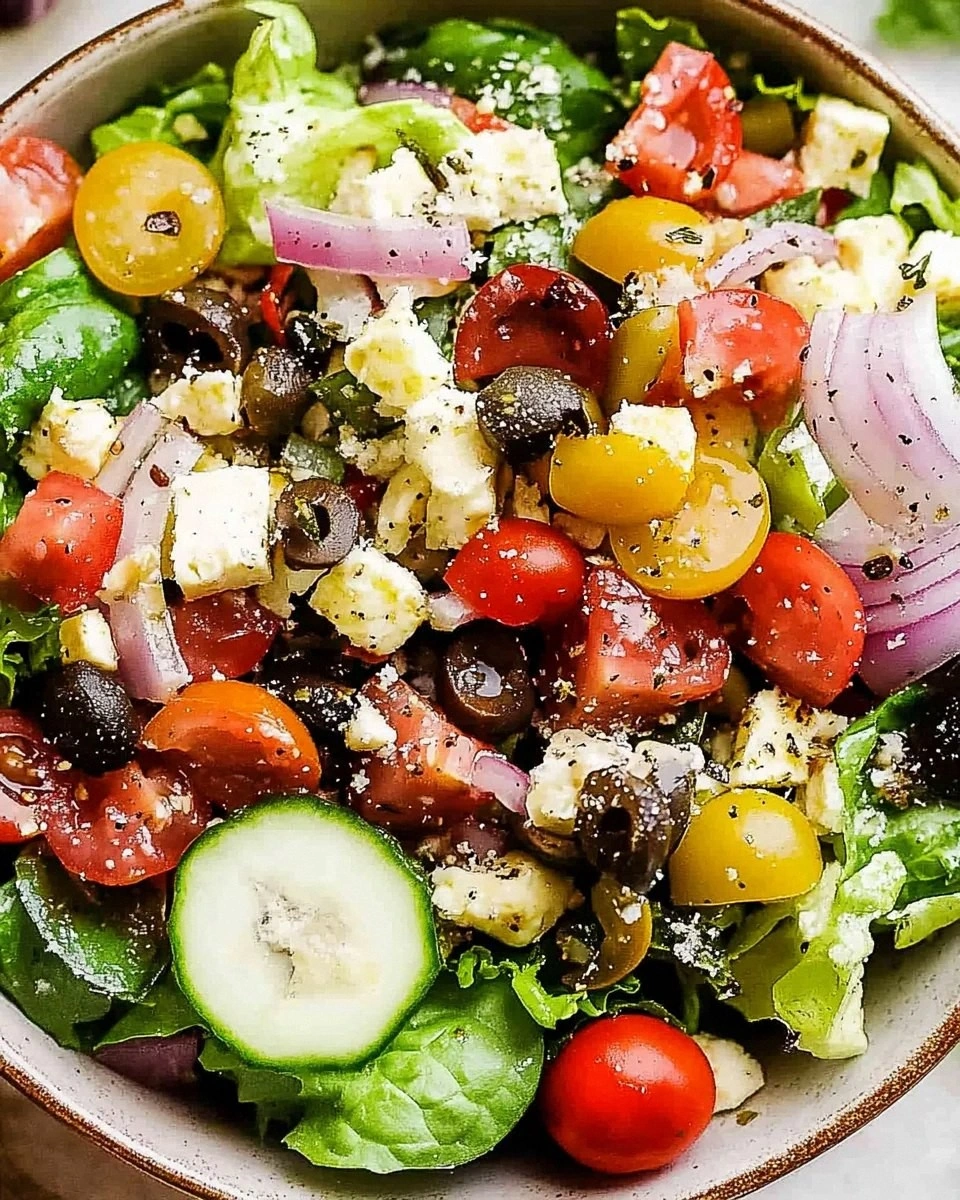
Replace the chicken with chickpeas, stir in kalamata olives, feta cheese, and a drizzle of oregano‑infused olive oil. The salty‑bright profile transports you straight to a sun‑drenched patio.
Asian Fusion
Use soy sauce, ginger, and a splash of sesame oil in place of lemon juice, and finish with scallions and a sprinkle of toasted sesame seeds. Pair with jasmine rice for a fragrant twist.
Italian Comfort
Keep the chicken but add sun‑dried tomatoes, fresh mozzarella, and a handful of arugula right before serving. The peppery arugula cuts through the richness, delivering a balanced bite.
Veggie‑Loaded Power Bowl
Leave out animal protein entirely; load the skillet with zucchini, mushrooms, and spinach, then top with a poached egg. The runny yolk creates a silky sauce that binds everything together.
One‑Pan Breakfast
Swap the dinner rice for quinoa, add diced sweet potatoes, and finish with crisped bacon bits and a drizzle of maple syrup. It’s a breakfast‑for‑dinner experience that feels indulgent yet balanced.
Storing and Bringing It Back to Life
Fridge Storage
Allow the dish to cool to room temperature, then transfer it to an airtight container. It will keep fresh for up to four days. To preserve the bright basil flavor, add a fresh sprig when reheating.
Freezer Friendly
Portion the base sauce (without the cheese) into freezer‑safe bags, squeeze out air, and label with the date. It freezes beautifully for up to three months. When ready, thaw overnight in the fridge, reheat, and stir in fresh cheese for a just‑cooked feel.
Best Reheating Method
Place the leftovers in a skillet over medium heat, add a tiny splash of water, and cover for two minutes. The steam revives the sauce, while the gentle heat prevents the cheese from becoming rubbery. For microwave lovers, cover the dish with a damp paper towel and heat in 30‑second bursts, stirring in between.