I was in the middle of a late‑night kitchen experiment, the kind that ends in a smoky, fragrant mess. I had a handful of bone‑in chicken pieces, a bottle of ketchup, and a scotch bonnet pepper that looked like a tiny, fiery volcano. My friends had dared me to make a Jamaican brown stew that would make their taste buds do the cha‑cha. I stared at the ingredients, felt the heat rise, and decided that this was the moment I would create something that would never be forgotten.
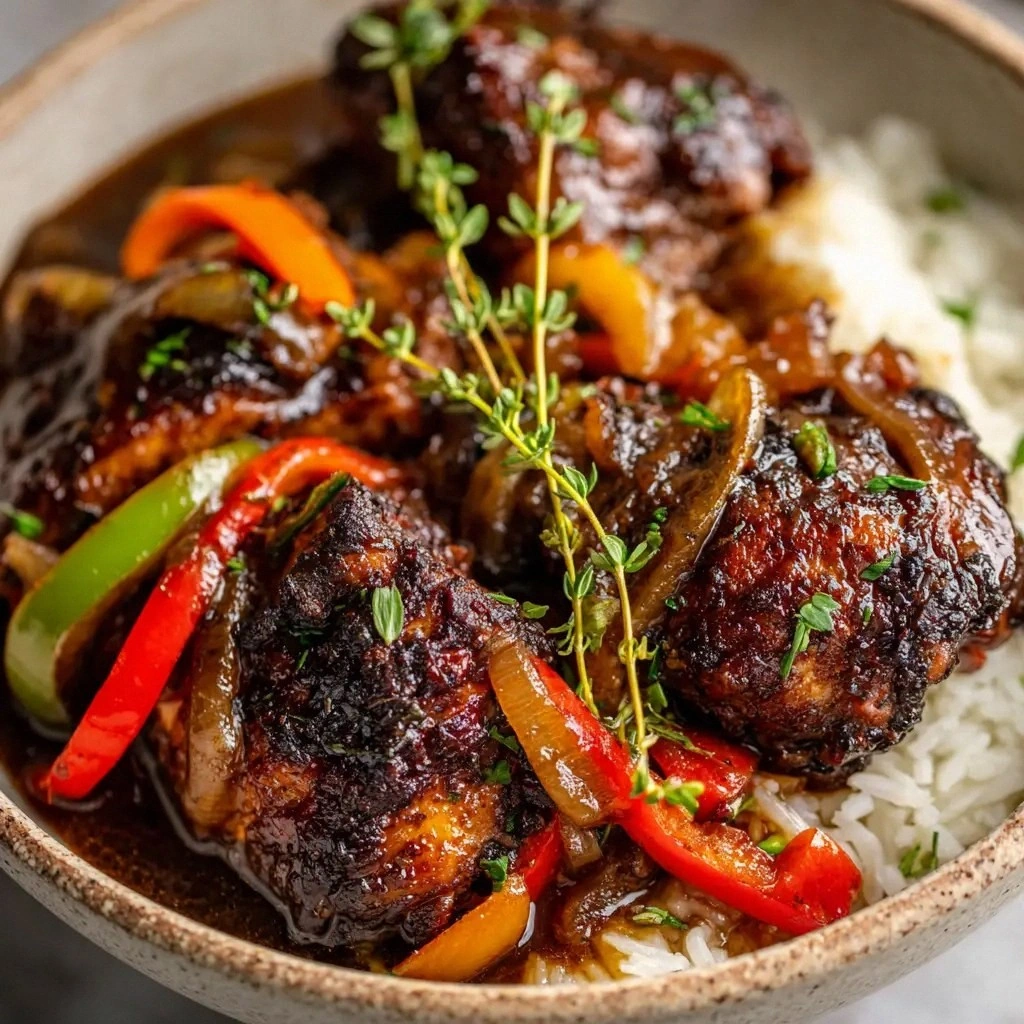
The first thing that hit me was the aroma that began to swirl around the stove. The brown sugar melted into the oil, forming a caramelized glaze that clung to the chicken like a glossy coat. The scent of scallions, bell peppers, and garlic rose up, mingling with the sharp, peppery note of the scotch bonnet. Every breath felt like a promise of something bold, sweet, and a little bit dangerous. I could almost hear the sizzling, the crackle, the sound of the pot as it began to thicken, a prelude to a broth that would be both comforting and adventurous.
I had never tried to combine ketchup and soy sauce in a stew before, but the idea of a sweet, tangy base that would carry the spices of Jamaica sounded irresistible. I imagined the stew as a canvas, the chicken as the main color, and the coconut milk as a creamy glaze that would give the dish a silky texture. I knew I would need to balance the heat of the scotch bonnet with the mellow sweetness of the coconut milk. This recipe is hands down the best version you'll ever make at home, and I am eager to show you every secret that makes it so unforgettable.
Picture yourself pulling this out of the oven, the whole kitchen smelling incredible, steam rising in lazy spirals. The sound of the pot bubbling is a cue that everything is coming together. I dare you to taste this and not go back for seconds. If you've ever struggled with making a stew that isn't too dry or too watery, you're not alone—and I've got the fix. Stay with me here—this is worth it.
What Makes This Version Stand Out
- Flavor Depth: The combination of brown sugar, ketchup, and scotch bonnet creates a layered sweetness that dances with heat. The result is a broth that is as complex as it is comforting, with each spoonful revealing new nuances.
- Texture Contrast: The chicken is first seared to lock in juices, then slow‑cooked in a sauce that thickens into a silky glaze. The beans add a pleasant bite while the coconut milk provides a velvety finish.
- Ingredient Quality: Fresh thyme, whole allspice berries, and fresh scallions bring authenticity and aroma. Using bone‑in pieces adds depth of flavor that no boneless substitute can match.
- Simplicity: Despite its complex taste, the method requires only one pot and a few basic pantry items. No fancy equipment, no complicated steps—just a love for flavor.
- Make‑Ahead Potential: The stew actually tastes better the next day. The flavors meld and the rice absorbs the sauce, making it ideal for meal prep or a crowd‑pleasing dinner.
- Audience Appeal: The dish is a crowd‑pleaser that satisfies both heat lovers and those who prefer a sweeter, milder profile. It’s perfect for family dinners, potlucks, or a quick week‑night meal.
Inside the Ingredient List
The Flavor Base
Brown sugar is the first to meet the hot oil, creating a caramelized glaze that forms the foundation of the stew’s sweetness. The ketchup adds tang and a subtle tomato richness that balances the sugar. Soy sauce introduces umami, deepening the savory profile. The scotch bonnet pepper, whole or sliced, delivers a heat that lingers on the palate without overwhelming the dish. If you’re new to scotch bonnet, start with a quarter of the pepper and taste before adding more.
The Texture Crew
Bone‑in chicken pieces are chosen for their ability to stay moist during slow cooking. The bone releases marrow and collagen, thickening the sauce naturally. Carrots and bell peppers add crunch and color, while scallions provide a fresh, oniony finish. Garlic and allspice berries contribute aromatic depth; allspice’s warm, peppery notes echo Caribbean spice blends.
The Unexpected Star
Coconut milk may seem like a sweet addition, but it’s the key to the stew’s silky texture. It also acts as a counterbalance to the heat from the scotch bonnet. Kidney beans bring protein and a subtle earthiness that ties the dish together. The beans also absorb the sauce, creating pockets of flavor in every bite.
The Final Flourish
Long‑grain white rice is rinsed and cooked in a mixture of coconut milk and water, allowing it to soak up the stew’s flavors. Fresh thyme, both in the stew and as a garnish, adds a bright, herbal note that brightens the dish. A pinch of salt and black pepper to taste ensures the seasoning is balanced, while the final splash of water before reheating keeps the rice from drying out.
Everything's prepped? Good. Let's get into the real action.
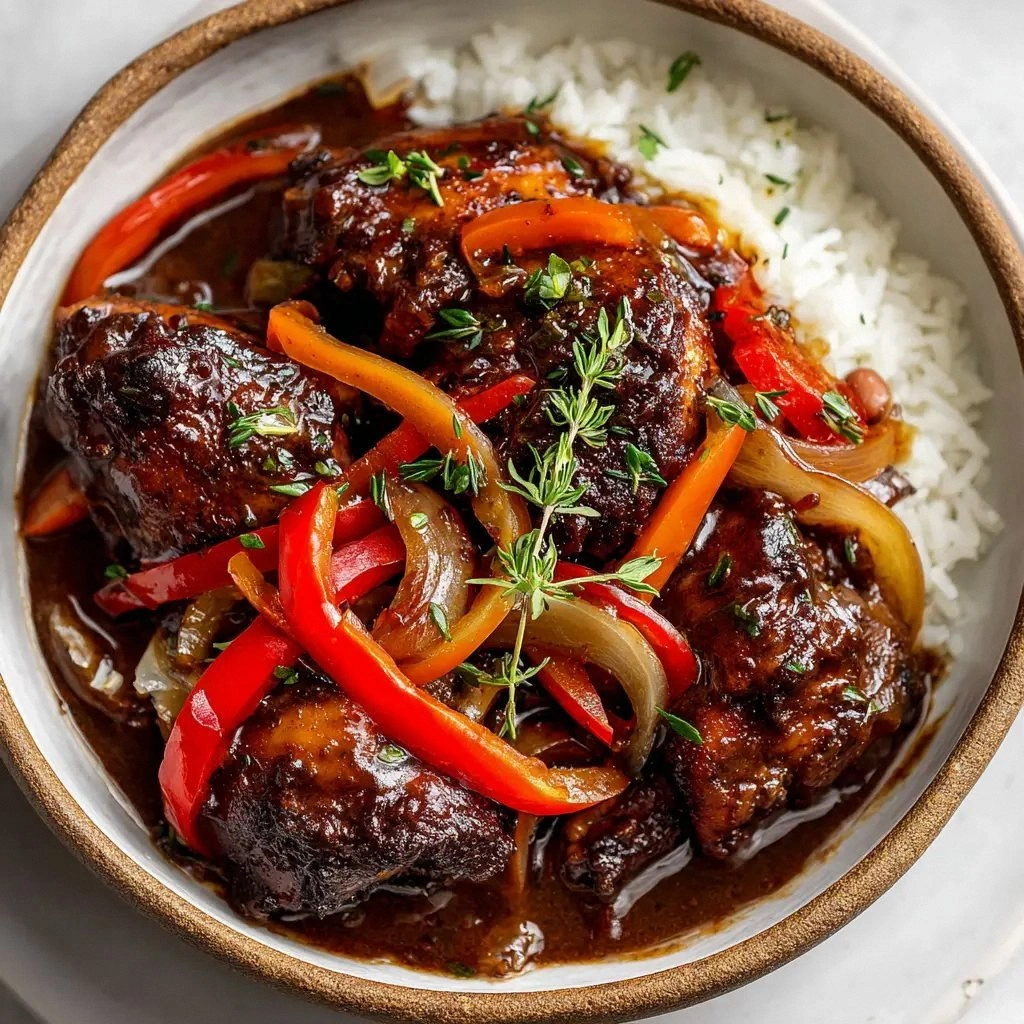
The Method — Step by Step
- Heat the vegetable oil in a large Dutch oven over medium heat. Once the oil shimmers, add the bone‑in chicken pieces and brown them on all sides until they develop a deep, caramelized crust. This step locks in juices and creates a flavorful base. The sizzling sound is the first indicator that the stew will be rich and hearty.
- Remove the chicken and set aside. In the same pot, add the sliced onion, julienned red and green bell peppers, and minced garlic. Sauté until the vegetables soften and release their aromas, about 5 minutes. This builds the flavor foundation before the liquids are introduced.
- Stir in the brown sugar, ketchup, and soy sauce. Let the mixture cook for a minute so the sugars caramelize slightly, creating a glossy coating on the vegetables. The mixture should smell sweet and slightly toasty, signaling that the sugars are ready to mingle with the rest of the ingredients.
- Add the whole scotch bonnet pepper, fresh thyme, allspice berries, and the chicken broth. Return the chicken to the pot, nestling it into the liquid. Bring the mixture to a gentle simmer, then reduce the heat to low. Cover and let it cook for 20 minutes, allowing the flavors to meld.
- After 20 minutes, stir in the canned coconut milk and kidney beans. The coconut milk will thicken the sauce, and the beans will soak up the flavors. The pot should now have a thick, glossy sauce that coats the chicken. The aroma will be unmistakably Jamaican.
- Add the sliced carrots and scallions. Let the stew simmer for another 10 minutes, or until the carrots are tender and the sauce has thickened to your liking. The carrots add a subtle sweetness that balances the heat.
- Season with salt and black pepper to taste. The final splash of water helps the sauce thicken slightly and prevents the rice from sticking if you’re cooking it in the same pot.
- If you’re serving the stew over rice, cook the rice separately in a mixture of coconut milk and water, seasoning it lightly with salt. Once the rice is fluffy, spoon the stew over it, garnish with fresh thyme, and serve immediately. The contrast between the silky stew and the fluffy rice is pure bliss.
That's it — you did it. But hold on, I've got a few more tricks that'll take this to another level. If you keep the pot covered while the rice cooks, the steam will help the rice absorb more of the stew’s flavors. And if you’re feeling adventurous, a splash of dark rum before simmering adds a subtle depth reminiscent of Caribbean rum cakes.
Insider Tricks for Flawless Results
The Temperature Rule Nobody Follows
Many cooks assume that higher heat is always better, but for a stew this delicate, low and slow is the key. A gentle simmer keeps the flavors from becoming bitter and allows the chicken to stay tender. I’ve seen people lift the lid too often, which releases steam and prolongs cooking time. Keep the lid on and let the pot do its work.
Why Your Nose Knows Best
Trust your sense of smell to gauge doneness. When the stew’s aroma shifts from sweet to slightly smoky, it’s a sign the sugars are caramelized and the sauce is thickening. If the smell is still overwhelmingly sweet, give it a few more minutes. Your nose is the best judge of flavor balance.
The 5‑Minute Rest That Changes Everything
After you remove the pot from heat, let it sit covered for five minutes. This allows the flavors to settle and the sauce to thicken naturally. The rest also gives the chicken a chance to finish cooking in its own juices, resulting in an even more succulent bite.
Layering the Heat
If you like a milder stew, add the scotch bonnet after the coconut milk. This reduces the heat intensity while still imparting the pepper’s subtle aroma. Conversely, for a fiery version, add the pepper early and let it simmer for the full cooking time.
The Secret Ingredient Swap
Replace kidney beans with chickpeas for a different texture and protein profile. Chickpeas hold their shape better and add a nutty flavor that pairs wonderfully with coconut milk. Just be sure to rinse and drain them before adding.
The Final Touch
Right before serving, stir in a tablespoon of fresh lime juice. The acidity brightens the stew and cuts through the richness, creating a balanced, refreshing finish.
Creative Twists and Variations
This recipe is a playground. Here are some of my favorite ways to switch things up:
Jamaican Jerk Chicken Twist
Replace the allspice with a homemade jerk seasoning blend. The smoky, citrusy notes will give the stew a new dimension. Serve with grilled pineapple slices for a tropical finish.
Vegetarian Version
Omit the chicken and add cubed sweet potatoes and extra beans. Use vegetable broth instead of chicken broth. The dish remains hearty and full of flavor, just with a plant‑based twist.
Seafood Edition
Swap the chicken for firm white fish fillets or shrimp. Cook the seafood last, just until it’s opaque. The delicate texture pairs beautifully with the rich sauce.
Low‑Carb Option
Replace the rice with cauliflower rice. The low‑carb substitute takes on the stew’s flavors without the heavy carbs. It’s perfect for a keto or paleo meal.
Spicy Coconut Curry
Add a tablespoon of curry powder to the pot along with the scotch bonnet. The curry brings depth and complexity, making the dish feel like a fusion of Jamaican and Indian flavors.
Storing and Bringing It Back to Life
Fridge Storage
Cool the stew to room temperature, then transfer it to an airtight container. Store in the refrigerator for up to 4 days. The flavors will only deepen, and the rice will soak up the sauce beautifully.
Freezer Friendly
Divide the stew into individual portions and freeze for up to 3 months. Thaw overnight in the refrigerator before reheating. The texture of the beans and chicken remains intact.
Best Reheating Method
Reheat on the stovetop over low heat, adding a splash of water or coconut milk to restore moisture. Stir until hot and steaming. This technique keeps the stew from drying out and preserves its silky consistency.