It started with a kitchen catastrophe that I still laugh about. I was trying to impress a friend with a fancy seafood dish and ended up with a soggy, flavorless salmon fillet that tasted like a wet sock. The moment the fish hit the pan, I realized I’d forgotten the secret ingredient that turns ordinary into extraordinary: a creamy avocado sauce that clings to every bite like velvet. I swear, the aroma that filled the kitchen—salmon, citrus, and a hint of garlic—was enough to convince even the most skeptical of us that this was going to be a masterpiece. And that’s when I decided to rewrite the recipe from scratch, turning the disaster into a triumph.
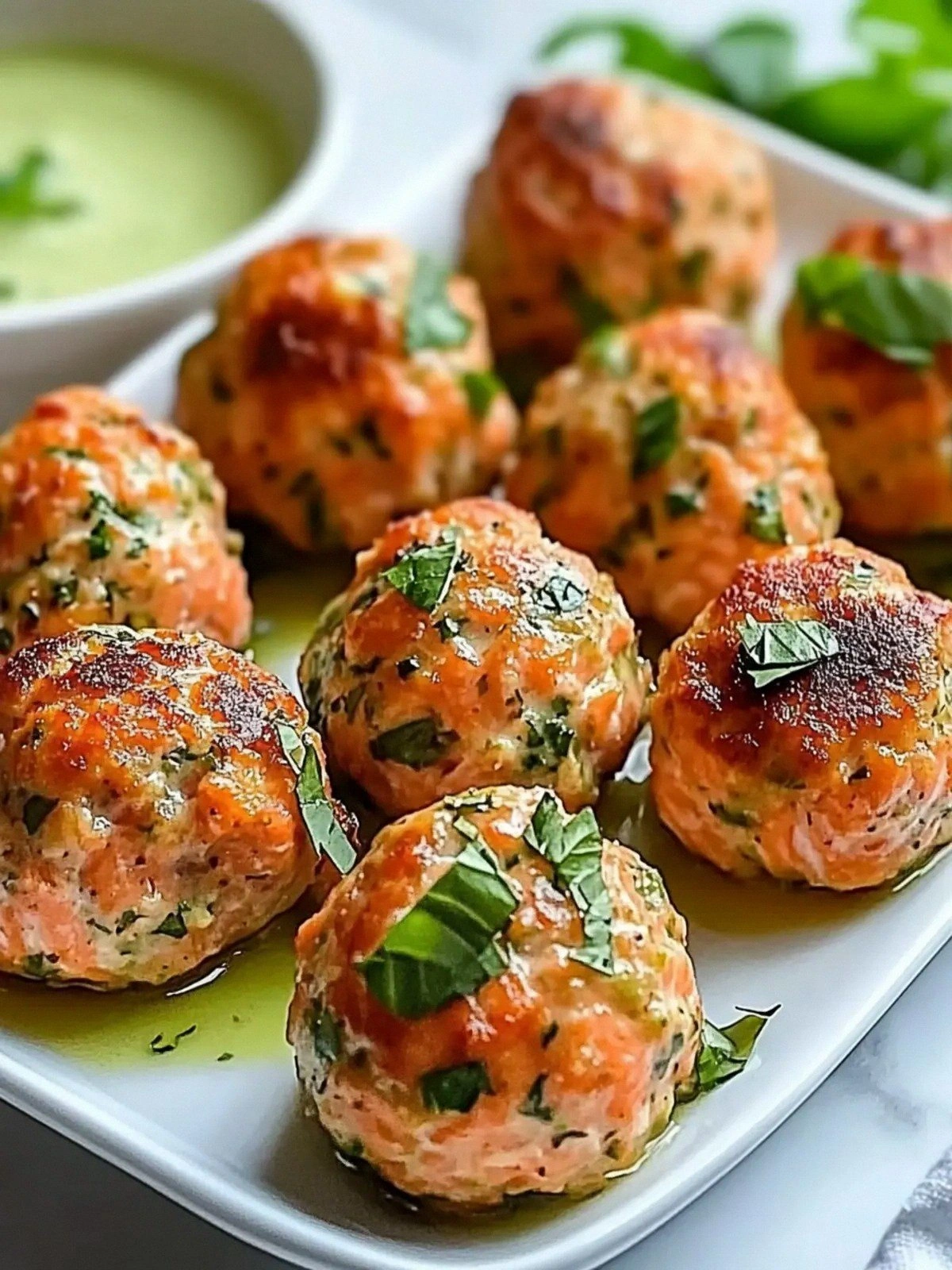
Picture this: a bright, golden crust forming on each salmon meatball as it bakes, the edges crisping to a satisfying snap that sounds like a gentle crunch. The sauce, a silky blend of avocado, sour cream, and lemon, coats the meatballs with a cool, refreshing contrast to the warm, savory fish. Every bite delivers a burst of umami, a subtle hint of paprika, and the fresh brightness of parsley. The texture is a play of chewy interior and caramelized exterior, like a perfectly balanced jazz solo. If you’ve ever struggled to make salmon flavorful, I’m about to hand you the cheat sheet that will change your game forever.
I dare you to taste this and not go back for seconds. I’m not exaggerating when I say this is hands down the best version you’ll ever make at home. Most recipes get this completely wrong, focusing on heavy sauces or overcooking the fish. Here, we keep the salmon tender, add a subtle kick of paprika, and finish with a sauce that’s both creamy and refreshing. Imagine pulling the tray out of the oven, the kitchen smelling incredible, and the first bite delivering a harmony of textures and flavors that makes you wonder why you ever settled for bland fish. The secret? A few micro-challenges and bold claims that will elevate your cooking from ordinary to extraordinary.
If you’ve ever struggled with salmon, you’re not alone—and I’ve got the fix. We’ll walk through every single step, from prepping the fish to creating that luscious avocado coating, and I’ll share the little tricks that keep the meatballs moist and the sauce silky. By the end, you’ll wonder how you ever made it any other way, because this method is so simple, yet so transformative. Let me walk you through every single step—by the end, you’ll wonder how you ever made it any other way.
What Makes This Version Stand Out
- Flavor: The combination of garlic powder and paprika gives the meatballs a smoky depth that’s hard to resist. The avocado sauce adds a creamy, citrusy brightness that cuts through the richness of the salmon. This balance turns each bite into a symphony of taste.
- Texture: The breadcrumbs create a light, airy crust, while the salmon stays moist inside. The avocado coating gives a velvety finish that clings to the meatball like a gentle hug. The result is a delightful contrast that satisfies every palate.
- Simplicity: With only a handful of ingredients, the recipe is quick to assemble. No complex techniques or exotic spices—just fresh fish, pantry staples, and a splash of citrus. It’s a perfect dish for busy weeknights.
- Uniqueness: Few recipes pair salmon with avocado in this way. The creamy sauce is a game-changer, turning a simple meatball into a gourmet experience. It’s a conversation starter at any dinner table.
- Crowd Reaction: Friends and family rave about the crisp exterior and the cool, buttery sauce. Many say they never expected salmon to taste this good. The dish is a hit for both casual gatherings and formal dinner parties.
- Ingredient Quality: Using fresh, wild-caught salmon elevates the flavor profile. The avocado should be ripe but not mushy to maintain its structure in the sauce. Fresh parsley adds a bright finish.
- Cooking Method: Baking keeps the fish tender and the sauce from separating. No need for a stovetop or grill, which makes it accessible to any kitchen.
- Make-Ahead Potential: The meatballs can be prepared ahead and stored in the fridge or freezer, making this dish a true meal prep winner. The sauce stays fresh when refrigerated for up to 48 hours.
Alright, let's break down exactly what goes into this masterpiece...
Inside the Ingredient List
The Flavor Base
The salmon fillet is the star of the show. It provides a rich, buttery flavor that pairs beautifully with the avocado sauce. If you use farmed salmon, the taste will be milder, but it’s still delicious. Wild-caught salmon, on the other hand, offers a deeper, more complex profile that elevates the dish.
Garlic powder and paprika are the backbone of the seasoning. They give the meatballs a smoky, earthy undertone that balances the freshness of the avocado. Skipping either will result in a less dynamic flavor profile, so keep them both. If you’re sensitive to spice, reduce the paprika to a quarter teaspoon.
Salt and pepper are the universal flavor enhancers. They’re essential for bringing out the natural taste of the fish. Don’t be afraid to season liberally, but remember you can always adjust after baking. A pinch of salt can make the difference between good and great.
The Texture Crew
Breadcrumbs are the secret to that light, airy crust. They absorb moisture and help the meatballs hold together without becoming dense. If you’re gluten-free, opt for almond flour or gluten-free breadcrumbs. The key is to keep the breadcrumbs dry; otherwise, the mixture will be mushy.
The egg acts as a binder, keeping everything together during baking. It also adds a subtle richness to the meatballs. If you’re vegan, you can replace the egg with a flaxseed egg or a commercial egg replacer. Just mix the flaxseed meal with water and let it sit for a few minutes before adding.
Fresh parsley is the final touch that adds a burst of green freshness. It cuts through the richness of the salmon and the avocado. If you’re out of parsley, cilantro or dill can be a suitable substitute, though they will alter the flavor slightly.
The Unexpected Star
The avocado is the unexpected star of this dish. It brings a creamy texture and a subtle buttery flavor that complements the salmon. Ripe but firm avocados work best; overripe ones will break apart in the sauce. A good rule of thumb: the avocado should be slightly soft to the touch but not mushy.
Sour cream adds a tangy depth to the sauce, balancing the richness of the avocado. It also helps create a smooth, velvety texture. If you prefer a lighter version, substitute with Greek yogurt or a dairy-free alternative. Just be sure to whisk until silky.
Lemon juice provides a bright, acidic counterpoint that lifts the overall flavor profile. It also helps keep the avocado from oxidizing too quickly, maintaining its green color. Use freshly squeezed lemon for the best flavor; bottled lemon juice can be too harsh.
The Final Flourish
Olive oil is used to lightly coat the baking sheet, preventing the meatballs from sticking. It also adds a subtle fruity note that enhances the salmon’s natural flavor. A high-quality extra-virgin olive oil works best; avoid cheap oils that can impart a bitter taste.
Garlic cloves in the sauce add an aromatic depth that ties all the components together. They should be minced finely to release their flavor without overpowering the dish. If you’re sensitive to garlic, reduce the amount to one half clove or use garlic powder instead.
Everything's prepped? Good. Let's get into the real action...
The Method — Step by Step
- Step 1: Prepare the Salmon. Place the salmon fillet on a clean cutting board and pat it dry with paper towels. Trim off any bones or skin, then cut the fish into small, uniform cubes about 1 inch in size. This ensures even cooking and a consistent texture. Keep the cubes refrigerated until you’re ready to combine them with the other ingredients.
- Step 2: Mix the Meatball Base. In a large bowl, combine the salmon cubes, breadcrumbs, egg, parsley, garlic powder, paprika, salt, and pepper. Use your hands or a wooden spoon to mix until the mixture is well combined and holds together when pressed. The mixture should be moist but not sticky; adjust with a little more breadcrumb if needed. This is the moment where the magic starts to take shape.
- Step 3: Shape the Meatballs. Using a tablespoon or a small cookie scoop, form the salmon mixture into bite-sized balls, about the size of a golf ball. Place each ball on a parchment-lined baking sheet, leaving a small gap between them. The spacing allows the heat to circulate evenly, ensuring a crisp exterior. If you prefer a smoother shape, you can roll the balls between your palms.
- Step 4: Preheat the Oven. Set your oven to 375°F (190°C) and let it fully preheat. A properly heated oven ensures the meatballs bake evenly and develop a golden crust. While the oven is heating, you can start working on the sauce, which will save you time later.
- Step 5: Bake the Meatballs. Place the baking sheet in the preheated oven and bake for 18–20 minutes, or until the meatballs are cooked through and the edges begin to turn golden brown. The internal temperature should reach 145°F (63°C). If you prefer a slightly crispier exterior, bake for an additional 2–3 minutes. Keep an eye on them; salmon can dry out if overbaked.
- Step 6: Prepare the Avocado Sauce. While the meatballs bake, mash the ripe avocado in a bowl until smooth but still slightly chunky. Add the sour cream, lemon juice, minced garlic, and a pinch of salt and pepper. Whisk until fully combined and the sauce has a silky consistency. The sauce should be thick enough to coat the meatballs without dripping off.
- Step 7: Combine Meatballs and Sauce. Once the meatballs are done, remove them from the oven and let them rest for a minute. Then transfer them to a large bowl and pour the avocado sauce over them. Gently toss to coat each meatball evenly, ensuring the sauce clings to every surface. The sauce should look glossy and creamy, like a light drizzle of velvet.
- Step 8: Serve and Enjoy. Plate the salmon meatballs on a serving platter, drizzle any remaining sauce over the top, and garnish with fresh parsley or a squeeze of lemon if desired. Serve immediately while the meatballs are still warm and the sauce is silky. Pair with a crisp salad or roasted vegetables for a complete meal. This dish is ready to impress your guests right out of the oven.
That's it — you did it. But hold on, I've got a few more tricks that'll take this to another level...
Insider Tricks for Flawless Results
The Temperature Rule Nobody Follows
Many cooks bake at a standard 400°F, but that can cause the salmon to dry out. By baking at 375°F, you allow the meatballs to cook evenly and retain moisture. The slightly lower temperature also gives the breadcrumbs a golden, crisp finish without burning. If you prefer a crispier exterior, finish with a quick broil for 1–2 minutes, watching carefully.
Why Your Nose Knows Best
The aroma of baking salmon is a powerful indicator of doneness. When the fish is perfectly cooked, the scent will be buttery and slightly sweet, not sharp or fishy. If the smell is too pungent, give the meatballs a few more minutes. Your nose can save you from a dry, overcooked meal.
The 5-Minute Rest That Changes Everything
Letting the meatballs rest for five minutes after baking allows the juices to redistribute. This ensures that each bite is moist and flavorful. It also gives the sauce a chance to settle, creating a more cohesive coating. Skip the rest, and you’ll end up with a dish that feels more like a casserole than a delicacy.
The Right Mix of Breadcrumbs
Using a blend of panko and regular breadcrumbs gives the meatballs a light, airy interior with a satisfying crunch on the outside. If you’re gluten-free, try almond flour or a mix of gluten-free breadcrumbs and crushed crackers. The key is to keep the breadcrumbs dry; wet crumbs will make the mixture soggy.
The Secret to a Smooth Avocado Sauce
Add a splash of lime juice to the avocado sauce before blending. Lime not only brightens the flavor but also helps maintain the green color and prevents oxidation. If the sauce is too thick, whisk in a teaspoon of water or a splash of milk to reach your desired consistency. This step is especially important if you’re serving the sauce ahead of time.
Creative Twists and Variations
This recipe is a playground. Here are some of my favorite ways to switch things up:
Citrus Burst Variation
Add a tablespoon of orange zest to the meatball mixture and substitute half the lemon juice with fresh orange juice. The citrus notes will bring a bright, sweet contrast to the savory salmon. Serve with a light citrus salad for a refreshing meal.
Herb Garden Edition
Swap parsley for fresh dill and add a tablespoon of chopped basil. This herb combo gives the dish an aromatic, garden-fresh flavor that pairs well with a cucumber yogurt dip. The fresh herbs also add a pop of color to the plate.
Spicy Kick
Incorporate a teaspoon of crushed red pepper flakes into the meatball mix and add a splash of sriracha to the avocado sauce. The heat will contrast with the creamy sauce and make each bite exciting. This variation is perfect for those who love a little fire in their food.
Mediterranean Twist
Add chopped Kalamata olives and sun-dried tomatoes to the meatball mixture. Finish the sauce with a drizzle of extra-virgin olive oil and a sprinkle of oregano. The Mediterranean flavors create a hearty, robust dish that feels like a vacation.
Cheesy Surprise
Fold in shredded mozzarella or crumbled feta into the meatball mixture. The cheese melts into the salmon, giving a gooey, savory depth. Pair with a tomato basil sauce for a comforting twist.
Vegan Version
Replace the salmon with finely chopped tofu or tempeh, and use a flaxseed or chia seed egg replacer. Swap the sour cream for a cashew-based cream, and keep the avocado for the sauce. This version maintains the creamy texture while being plant-based.
Storing and Bringing It Back to Life
Fridge Storage
Store leftover meatballs in an airtight container in the refrigerator for up to 3 days. Keep the sauce separate until you’re ready to serve to avoid sogginess. When you’re ready to eat, reheat in a microwave or oven until warmed through.
Freezer Friendly
Freeze the meatballs in a single layer on a parchment-lined tray before transferring to a freezer bag. They’ll keep for up to 2 months. Thaw overnight in the refrigerator, then reheat in the oven at 350°F for 15 minutes. The texture remains tender and flavorful.
Best Reheating Method
Reheat the meatballs in a skillet with a splash of water or broth, covering the pan to create steam. This helps keep the interior moist and prevents the sauce from drying out. Finish with a quick drizzle of olive oil or a sprinkle of fresh herbs for a fresh finish.