Picture this: I’m standing in a cramped kitchen, a stack of bowls on the counter, and the smell of a burnt lasagna wafting from the oven. The disaster had me scrambling to salvage the night, but it sparked a craving that no amount of burnt pasta could satisfy. That night I remembered my grandmother’s casserole, the way she layered flavors like a symphony, and I decided to bring that magic back to life. The result? A beef enchilada casserole that feels like a hug on a plate, yet daring enough to make you question every other version you’ve tried. It’s a dish that balances smoky heat with creamy richness, and it’s built around a few core ingredients that sing together in perfect harmony. I promise you, this is hands down the best version you’ll ever make at home, and I dare you to taste it and not go back for seconds.
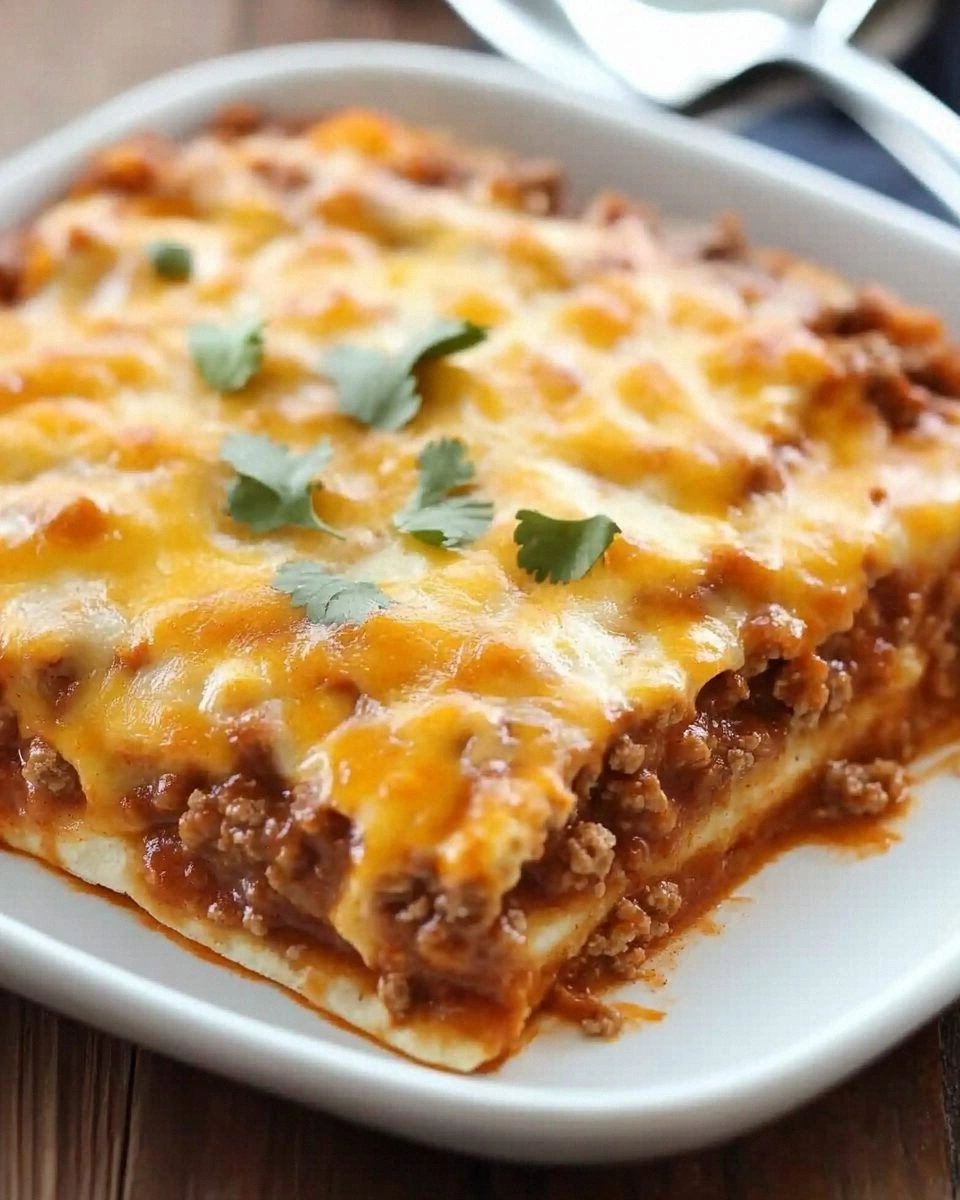
The moment you open the oven door, a wave of warm, tomato‑rich steam rises, carrying the faint scent of cumin and fresh cilantro. Your ears catch the soft sizzle of onions caramelizing, a sound that signals the start of something delicious. Your fingers feel the comforting weight of a casserole dish, its ceramic surface cool to the touch before it becomes the vessel of molten cheese. The first bite delivers a burst of savory beef, a tangy tomato base, and a subtle peppery kick, followed by the gentle sweetness of corn and the creamy embrace of melted cheddar. The texture is a delightful contrast: crispy edges, gooey cheese, and a slightly chewy tortilla base that gives way to a silky sauce. Every element works together, creating an orchestra of flavors that dance on your palate.
What sets this recipe apart is that it doesn’t rely on gimmicks or exotic ingredients. It’s about elevating everyday staples with technique and the right balance of spices. The sauce coats the pasta like velvet, the cheese melts into a golden crust that shatters like thin ice when you bite, and the beans add a subtle earthiness that grounds the dish. I’ve spent months tweaking the ratio of enchilada sauce to tomato sauce to achieve the perfect consistency—just thick enough to cling to the tortillas but thin enough to pour through the layers. The result is a casserole that feels both comforting and adventurous, a dish that can be served at a family dinner or a potluck with equal confidence. And the best part? You can make it ahead of time, which is a lifesaver when the calendar is full.
There’s a secret technique that most people overlook: browning the beef in batches to lock in flavor, then deglazing the pan with a splash of tomato sauce before adding the rest of the ingredients. This simple step brings depth to the sauce and ensures the beef remains juicy rather than dry. I’ve also discovered that using a mix of cheddar and Monterey Jack cheeses gives a melt that’s both sharp and smooth. The final touch is a drizzle of lime juice and a sprinkle of fresh cilantro, which brightens the dish and cuts through the richness. Picture yourself pulling this out of the oven, the whole kitchen smelling incredible, and the family gathering around to devour every bite. Let me walk you through every single step—by the end, you’ll wonder how you ever made it any other way.
What Makes This Version Stand Out
- Taste: The sauce is a layered masterpiece, with tomato, enchilada, and a hint of smoky paprika that create a depth of flavor rarely achieved in casseroles.
- Texture: The crispy tortilla edges contrast beautifully with the gooey cheese and tender beef, giving each bite a satisfying crunch.
- Simple Ingredients: You only need a handful of staples—ground beef, tomatoes, tortillas, and cheese—yet the result feels gourmet.
- Uniqueness: The blend of cheddar and Monterey Jack cheeses offers a balanced melt that isn’t too sharp or too mild.
- Crowd Reaction: Friends and family often ask for the recipe after the first tasting; it’s a conversation starter at any gathering.
- Ingredient Quality: Using fresh, high‑quality beans and tomatoes makes the difference between a good dish and an unforgettable one.
- Cooking Method: Browning the beef in batches locks in juices, while the deglazing step infuses the sauce with deep flavor.
- Make‑Ahead Potential: The casserole can be assembled, refrigerated, and baked later, making it ideal for busy evenings.
Alright, let's break down exactly what goes into this masterpiece...
Inside the Ingredient List
The Flavor Base
Ground beef is the heart of this casserole; it provides a meaty richness that anchors every layer. Opt for a 80/20 blend to balance fat content—too lean and you’ll end up with a dry texture, too fatty and the dish becomes greasy. If you’re looking for a healthier twist, substitute ground turkey or chicken; just keep the browning technique to develop flavor. Skipping the beef entirely would strip the casserole of its hearty foundation, leaving the sauce thin and lacking depth.
Onion and garlic are the aromatic backbone. They should be sautéed until translucent and fragrant, releasing their natural sugars. This step builds a sweet undertone that balances the acidity of the tomatoes. If you prefer a milder flavor, reduce the garlic to two cloves or use onion powder instead of fresh; however, fresh onion will give a brighter, more robust taste.
Diced tomatoes bring juiciness and acidity, cutting through the richness of the beef and cheese. Use canned San Marzano tomatoes for a sweeter, less acidic profile, or fresh tomatoes if the season permits. Skipping tomatoes would result in a sauce that feels thin and watery, so they are essential for the casserole’s signature consistency.
Tomato sauce and enchilada sauce work in tandem to create a complex, layered sauce. The tomato sauce provides body and sweetness, while the enchilada sauce adds depth of spice and a hint of cumin. A 1:1 ratio is ideal, but feel free to adjust to taste. Eliminating either sauce will compromise the flavor profile and make the dish one‑dimensional.
The Texture Crew
Corn tortillas are the structural backbone of the casserole; they absorb the sauce and provide a chewy base. Cut them into strips or small squares so they can layer evenly. If you prefer a gluten‑free option, use corn tortillas exclusively; they naturally lack gluten and enhance the authentic Mexican flavor. Skipping tortillas would turn the dish into a simple meat‑and‑cheese bake, losing that characteristic bite.
Cheddar and Monterey Jack cheeses are chosen for their melting properties. Cheddar adds sharpness, while Monterey Jack contributes a mild, creamy texture. The combination creates a balanced melt that doesn’t overpower the other flavors. Using only one type of cheese could result in a less nuanced taste—cheddar alone can become too sharp, and Jack alone may be too mild.
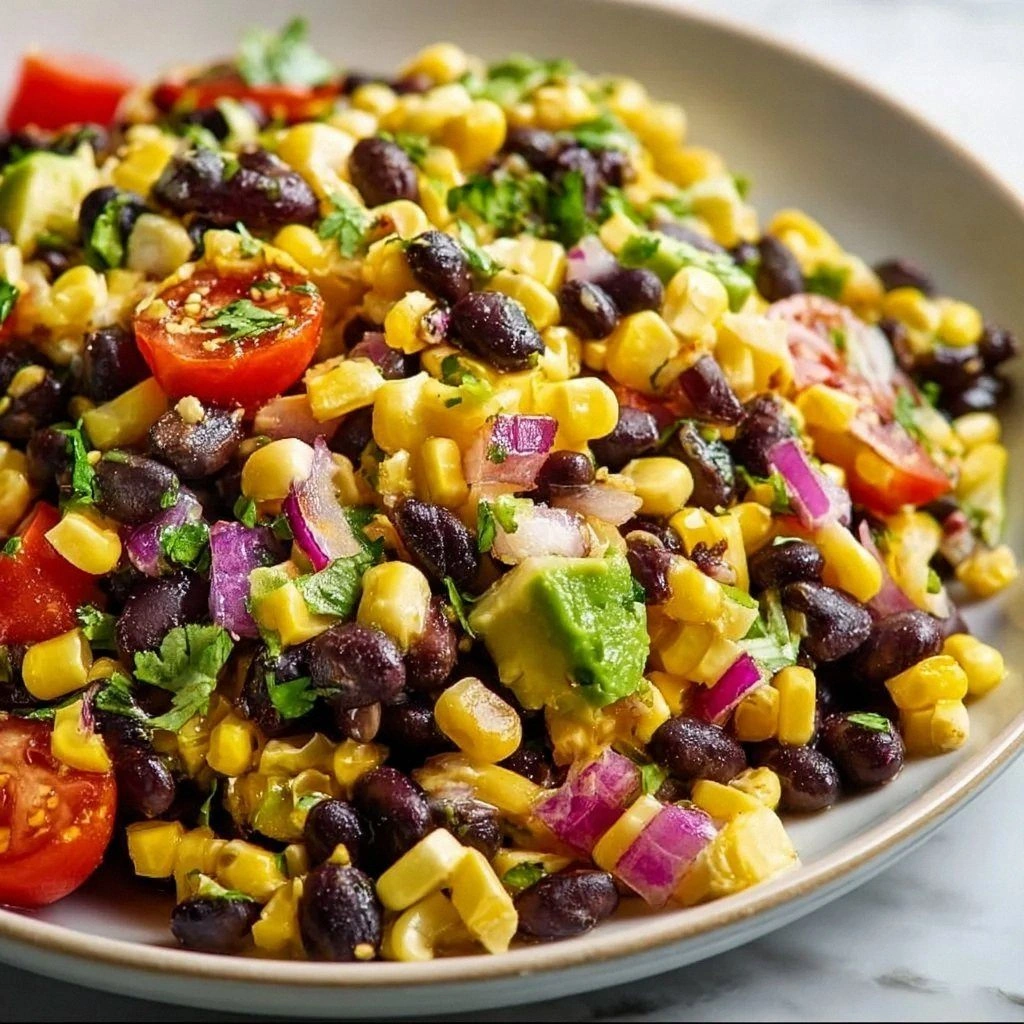
Black beans introduce earthiness and protein, complementing the beef while adding a subtle sweetness. They also help bind the casserole together, preventing it from drying out. If you’re vegan or prefer a lighter version, you can omit the beans and increase the amount of corn for crunch, but the overall flavor will shift slightly.
The Unexpected Star
Cumin, chili powder, oregano, smoked paprika, and cayenne pepper form the spice blend that gives the casserole its signature warmth. These spices should be toasted in the pan with the onions to release their essential oils, creating a fragrant base. The smoked paprika adds a subtle smokiness that elevates the beef, while the cayenne pepper offers a gentle heat without overwhelming the dish. Skipping the spice blend would result in a bland, flat casserole that lacks depth.
The Final Flourish
Fresh cilantro and lime juice are added at the end to brighten the dish and cut through the richness. The cilantro’s citrusy notes enhance the tomato base, while the lime juice adds a bright, acidic lift. If you’re not a fan of cilantro, parsley can be a suitable substitute, though the flavor profile will differ. The lime juice is essential; omitting it will leave the casserole feeling heavy and one‑dimensional.
Everything’s prepped? Good. Let's get into the real action...
The Method — Step by Step
- Heat a large skillet over medium‑high heat and add 1 tablespoon of olive oil. Once the oil shimmers, add 1 pound of ground beef in a single layer, letting it sear without stirring for about 2 minutes. This initial sear caramelizes the surface, locking in juices and building a robust flavor. When the edges brown, flip the beef, then continue cooking until no longer pink. Use a spoon to break it into crumbles, then remove it from the pan and set aside. This step is the foundation of the casserole’s depth.
- In the same skillet, add the remaining tablespoon of olive oil and the diced onion. Sauté until the onion is translucent and fragrant, about 4 to 5 minutes. Add the minced garlic and cook for an additional 30 seconds, being careful not to burn it. The garlic should release a sweet aroma, indicating it’s ready to mingle with the beef. This layer of aromatics forms the aromatic base that carries through the entire dish.
- Pour in 1 cup of tomato sauce and 1 cup of enchilada sauce, stirring to combine. Let the mixture simmer for 2 minutes to allow the flavors to meld. Add the browned beef back into the skillet, stirring to coat it evenly. This step ensures every bite has a consistent, savory sauce that envelops the meat. The sauce should thicken slightly, creating a luscious coating.
- Stir in 1 teaspoon of cumin, 1 teaspoon of chili powder, 1 teaspoon of dried oregano, ½ teaspoon of smoked paprika, and a pinch of cayenne pepper. These spices should be toasted in the sauce for 30 seconds, releasing their oils. The aroma will intensify, signaling that the casserole is gaining depth. If you prefer a milder heat, reduce the cayenne or omit it entirely.
- Pour in 1 cup of diced tomatoes and 1 cup of black beans, then season with 1 teaspoon of salt and ½ teaspoon of black pepper. Stir until the mixture is well combined and the beans are warmed through. This layer adds texture and protein, balancing the richness of the beef and cheese. The beans also help bind the casserole together, preventing it from drying out.
- Transfer the beef mixture to a 9x13 inch casserole dish, spreading it evenly. Lay 8 corn tortilla strips over the top, allowing them to overlap slightly. Sprinkle 2 cups of shredded cheddar cheese and 1 cup of shredded Monterey Jack cheese over the tortillas. The cheese should melt into a golden crust, creating a beautiful, bubbly top. This layering technique ensures every bite has a mix of textures and flavors.
- Bake in a preheated oven at 375°F (190°C) for 20 minutes, or until the cheese is melted and bubbly. After the first 10 minutes, check the edges; they should be slightly crispy, indicating the casserole is cooking evenly. The oven temperature is crucial—too high and the cheese will burn, too low and the casserole will remain soggy.
- Remove the casserole from the oven and let it rest for 5 minutes. This resting period allows the cheese to set, making it easier to slice. While resting, sprinkle chopped fresh cilantro and drizzle lime juice over the top. The fresh cilantro brightens the dish, while the lime juice cuts through the richness, creating a balanced finish.
That’s it — you did it. But hold on, I've got a few more tricks that'll take this to another level...
Insider Tricks for Flawless Results
The Temperature Rule Nobody Follows
Many cooks bake at 350°F, but 375°F is the sweet spot for a casserole that needs a bubbly, golden top without burning. The higher temperature ensures the cheese melts quickly while the sauce thickens just enough to cling to the tortillas. If you’re using a convection oven, reduce the temperature by 25°F to avoid overcooking. This small adjustment can make a huge difference in the final texture.
Why Your Nose Knows Best
The aroma of sautéed onions and garlic is a reliable indicator that the base is ready. When the onions turn golden and the garlic releases a sweet scent, it’s time to add the beef. A burnt garlic aroma signals that the pan is too hot or that you’re cooking it too long. Trust your nose; it’s the most accurate guide to flavor development.
The 5-Minute Rest That Changes Everything
Resting the casserole for five minutes after baking isn’t just a courtesy—it’s essential for texture. The cheese sets, making the dish easier to cut and preventing a sticky mess. During this time, the flavors continue to meld, resulting in a more cohesive taste. Skipping the rest can leave you with a chaotic, uneven casserole.
Use Fresh, Not Frozen, Beans
Fresh black beans retain their shape and flavor better than frozen ones. If you’re using canned beans, rinse them thoroughly to remove excess sodium and improve texture. Frozen beans can release extra water during baking, diluting the sauce. Fresh beans give a firmer bite and a richer flavor profile.
Cheese Matters
Choosing the right cheeses is crucial for melt and flavor. Cheddar provides sharpness, while Monterey Jack offers a creamy, mild melt. Avoid using processed cheese slices; they melt too quickly and can become greasy. A mix of shredded cheeses ensures a balanced, gooey texture.
Let the Casserole Rest Before Serving
After baking, allow the casserole to sit for a few minutes. This resting period lets the flavors settle and the sauce thicken slightly, making each bite more satisfying. It also helps the cheese set, preventing it from sliding off the plate. A rested casserole looks more polished and is easier to serve.
Creative Twists and Variations
Spicy Jalapeño Kick
Add sliced jalapeños to the beef mixture for an extra layer of heat. The green pepper adds a fresh crunch and bright flavor that complements the tomato base. This variation is perfect for those who love a fiery bite. Serve with a side of cool sour cream to balance the heat.
Vegetarian Bean Bonanza
Replace the ground beef with a mix of sautéed mushrooms, diced zucchini, and more black beans. The mushrooms provide umami, while the zucchini adds moisture. This version maintains the casserole’s hearty feel without the meat. Top with a generous sprinkle of cheese for a comforting, meatless option.
Mexican Street Corn Layer
Stir in a cup of roasted corn kernels before baking. The corn adds sweetness and a slightly charred flavor that pairs beautifully with the spices. This twist brings a street‑food vibe to the casserole. A drizzle of lime after baking gives it that authentic street‑corn freshness.
Cheesy Mexican Rice Fusion
Fold in cooked Mexican rice into the casserole before baking. The rice absorbs the sauce, creating a cohesive, filling dish. This variation is great for feeding a crowd or for a hearty family meal. The rice also adds a subtle texture contrast to the tender beef.
Aluminum Foil Topping Trick
Cover the casserole with a sheet of aluminum foil for the first 15 minutes of baking. This traps steam, ensuring the cheese melts evenly without burning. Remove the foil for the last 5 minutes to allow the top to crisp. This technique guarantees a perfectly melted, golden surface every time.
Herbal Freshness Boost
Add a handful of chopped fresh parsley or basil just before serving. The herbs add a burst of green freshness that cuts through the richness. This simple addition elevates the dish, giving it a bright, vibrant finish. It’s a quick way to add color and flavor without extra effort.
Storing and Bringing It Back to Life
Fridge Storage
Cool the casserole completely, then cover tightly with plastic wrap or a lid. Store in the refrigerator for up to 3 days. The flavors will continue to develop, making leftovers even more delicious. When reheating, cover loosely to retain moisture.
Freezer Friendly
Divide the casserole into individual portions and wrap each tightly in foil. Freeze for up to 2 months. To thaw, let it sit in the refrigerator overnight. The texture remains firm, and the cheese stays creamy after reheating.
Best Reheating Method
Reheat in a preheated oven at 350°F (175°C) for 20 minutes. Add a splash of water or broth before covering with foil to keep the casserole moist. This steaming trick restores the sauce’s silky consistency. Once heated through, remove the foil and bake for an additional 5 minutes to crisp the top.