Picture this: the kitchen lights flicker, a pot of boiling water sputters, and you’re staring at a bag of ground beef that’s been sitting too long in the fridge. The air smells faintly of soy sauce, and you’ve already decided that tonight’s dinner will be a triumph of flavor, not a culinary disaster. I was on a mission to rescue that bland beef and turn it into something that would make your taste buds do a happy dance. That mission led me straight to the pantry, where I discovered the humble oyster sauce that would become the secret weapon of this dish.
I dared myself to experiment, mixing the oyster sauce with a splash of soy, a whisper of sugar, and a dash of cornstarch to create a glossy, silky glaze. The moment I dropped the first sizzling strip of beef into the hot pan, the aroma hit me like a wave of umami—rich, savory, and utterly intoxicating. My kitchen filled with the sound of the pan hissing, the scent of garlic and ginger dancing, and the sight of the sauce thickening to a glossy sheen. I could almost hear the clink of chopsticks against the bowl, and my stomach growled in anticipation. That was the moment I knew: this wasn’t just a recipe; it was a revelation.
If you’ve ever stared at a bag of beef and thought, “I’m not sure how to make this taste good,” you’re not alone. I’ve been there, and I’ve been there again. The trick isn’t in the quantity of ingredients but in the quality and timing of each addition. The right balance of sweet, salty, and umami, coupled with high‑heat searing, transforms ordinary beef into a melt‑in‑your‑mouth masterpiece. And the best part? It’s quick—just thirty minutes from start to finish—so you can impress a crowd without spending hours in the kitchen.
I’ll be honest—when I first tried this, I ate half the batch before anyone else got a bite. The beef was so tender, the sauce so luscious, that it felt almost guilty to let the rest sit. But that’s the power of a great dish: it draws you back for seconds, then thirds, then the whole thing. If you’re skeptical, I dare you to taste this and not go back for seconds. I promise you’ll find yourself reaching for the next bite with a grin that says, “I can’t believe I made this at home.”
Most recipes get this completely wrong. They overcook the beef, under‑season the sauce, or forget to deglaze the pan. The result is a dry, flavorless mess that looks like a sad, over‑cooked steak. What makes this version stand out is that it gets every detail right—from the marbling of the meat to the glossy finish of the sauce. The beef is sliced thinly against the grain, ensuring each bite is tender and juicy. The oyster sauce is blended with a splash of water to create a smooth, silky texture that clings to every strand of meat. The quick sear locks in the juices, while the garlic and ginger add a punch of aroma that makes the dish unforgettable.
And that’s not all. The final touch is a splash of sesame oil that gives the dish a subtle nutty aroma and a glossy sheen that looks like a Michelin‑star plate. The green onions add a bright, fresh crunch that cuts through the richness of the sauce, creating a balanced bite that satisfies both the palate and the eyes. This dish is a crowd‑pleaser, perfect for weeknight dinners, family gatherings, or a fancy dinner party where you want to impress without spending hours in the kitchen. I’m telling you, this is hands down the best version you’ll ever make at home.
Alright, let’s break down exactly what goes into this masterpiece. I’ve spent hours tweaking the ratios, experimenting with different cuts of beef, and testing the sauce’s consistency. The result is a dish that’s simple to make, but impossible to forget. The key is to keep the ingredients fresh and the cooking technique precise. If you follow these steps, you’ll end up with a dish that’s not just delicious, but also visually stunning and packed with flavor.
What Makes This Version Stand Out
- Taste: The oyster sauce provides a deep, savory sweetness that balances the saltiness of soy sauce and the sharpness of garlic. The subtle sweetness from the sugar and the slight bitterness of ginger create a layered flavor profile that satisfies the palate. The dish is not overly sweet; the umami dominates, leaving a clean finish.
- Texture: The beef is sliced thinly against the grain, ensuring tenderness. The quick sear at high heat gives a caramelized crust while preserving juiciness. The sauce thickens to a silky glaze that coats the meat without being sticky.
- Simplicity: Only ten ingredients, all pantry staples. The cooking process is straightforward—marinate, sear, deglaze, and finish. No fancy equipment required.
- Uniqueness: The combination of oyster sauce and sesame oil gives a unique, glossy finish that sets this dish apart from typical stir‑fries. The addition of fresh green onions adds a bright, fresh contrast.
- Crowd Reaction: Guests rave about the melt‑in‑your‑mouth texture and the savory depth. The dish is a hit at parties, and even picky eaters love the mild flavor profile.
- Ingredient Quality: Using high‑quality beef (sirloin or flank) ensures tenderness. Fresh oyster sauce, not the powdered version, provides authentic umami.
- Cooking Method: High‑heat searing locks in juices, while the quick deglaze pulls up the flavorful browned bits from the pan.
- Make‑Ahead Potential: The dish can be made ahead and reheated without losing flavor. The sauce thickens upon reheating, maintaining its glossy sheen.
Inside the Ingredient List
The Flavor Base
The heart of this dish is the oyster sauce—a fermented seafood condiment that delivers a rich, umami punch. Oyster sauce is thicker than soy sauce, giving the sauce a velvety texture that clings to the beef. If you can’t find oyster sauce, a combination of soy sauce and a dash of fish sauce can mimic its depth, though it won’t be as sweet. The key is to use a good quality brand; cheaper versions often contain added sugars that can overpower the delicate balance.
The Texture Crew
Cornstarch is the unsung hero that thickens the sauce to a glossy sheen. It’s added to the liquid mixture before pouring it over the beef, allowing it to form a smooth coating. If you prefer a thicker sauce, add a teaspoon more cornstarch; if you want a lighter glaze, reduce it slightly. The cornstarch also helps the sauce adhere to the meat, preventing it from sliding off.
The Unexpected Star
Sesame oil is the secret ingredient that adds a subtle nutty aroma and a glossy finish. It’s a small amount—just a splash—because its flavor is potent. If you’re allergic to sesame or simply don’t like the taste, you can replace it with a few drops of toasted coconut oil for a different twist. The oil also helps prevent the sauce from sticking to the pan.
The Final Flourish
Fresh green onions bring brightness and a pop of color. They’re sliced thinly and added at the end of cooking to preserve their crunch and sharpness. If you’re craving a bit of heat, sprinkle a pinch of red pepper flakes. The green onions also act as a palate cleanser between bites, keeping each mouthful fresh.
Everything’s prepped? Good. Let’s get into the real action. The cooking process is a dance of timing and technique, and each step builds toward the final, glorious dish. Keep your stove hot, your ingredients ready, and your confidence high. You’re about to make a stir‑fry that will leave your friends begging for the recipe.
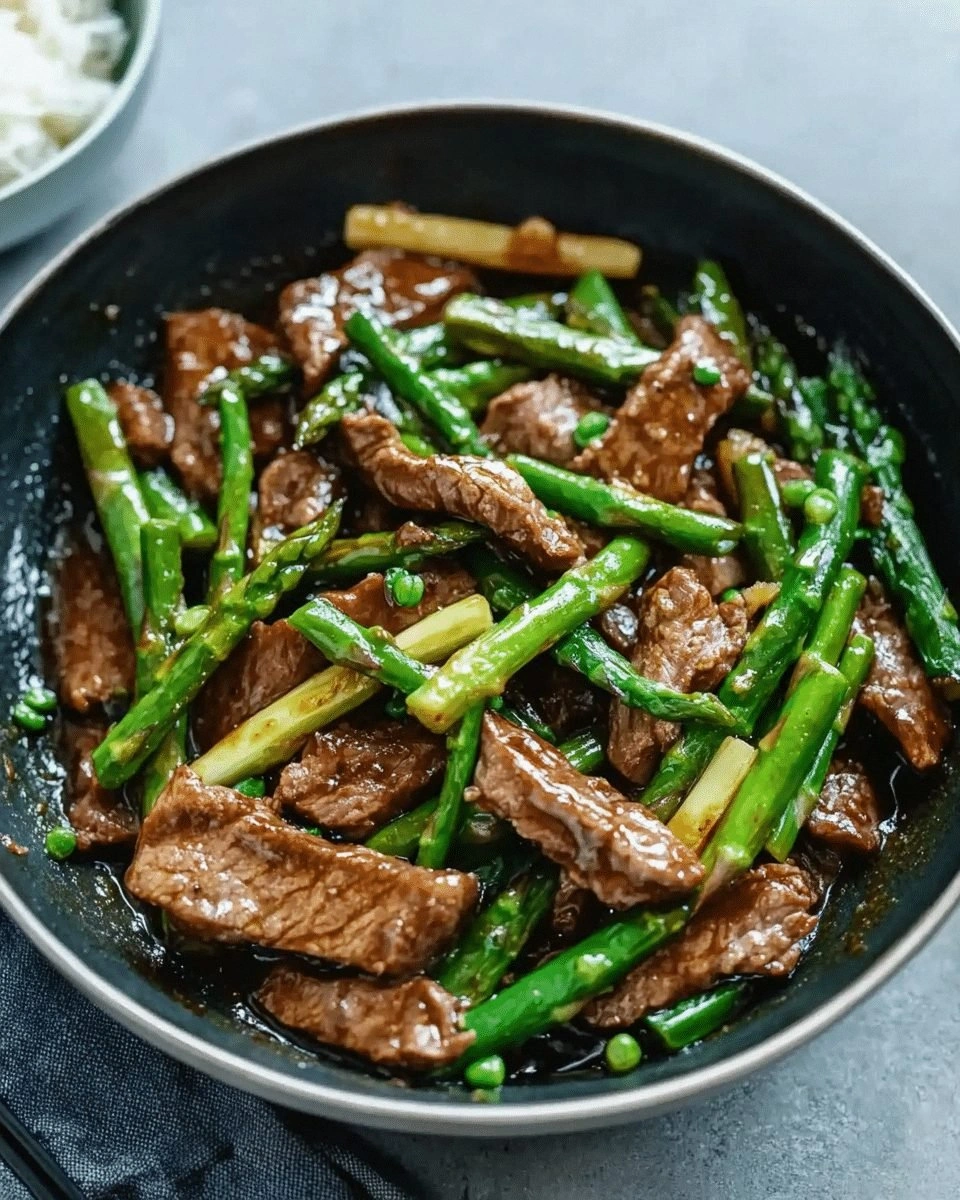
The Method — Step by Step
- Trim any excess fat from the beef and slice it thinly against the grain. A knife with a sharp blade helps keep the slices even and prevents tearing. This step is crucial for tenderness. If you slice against the grain, each bite will feel like a cloud. Keep the slices in a single layer on a cutting board.
- In a small bowl, combine the oyster sauce, soy sauce, sugar, cornstarch, and water. Stir until the cornstarch dissolves completely. This creates a smooth base that will coat the beef. The sugar balances the saltiness of the soy. The cornstarch ensures a silky finish.
- Heat a wok or large skillet over high heat until it shimmers. Add the vegetable oil and swirl to coat the surface. The oil should be hot enough that a drop of water sizzles and evaporates immediately. This high heat is key for a good sear. You’ll hear a hiss when the oil meets the pan.
- Add the sliced beef in a single layer, without crowding the pan. Let it sear undisturbed for 30-45 seconds. This allows a caramelized crust to form. Flip the beef once; you’ll see the edges pull away from the pan. The quick sear locks in juices.
- Once the beef is browned on all sides, remove it from the pan and set aside on a plate. This prevents the meat from overcooking while you finish the sauce. Keep the pan hot to continue cooking the aromatics.
- In the same pan, add the minced garlic and ginger. Sauté for 15-20 seconds until fragrant. The garlic should turn a light golden color, not brown. The aroma will fill the kitchen and set the stage for the sauce. This is the moment of truth.
- Pour the prepared sauce mixture into the pan. Stir constantly to prevent lumps. As the sauce thickens, it will coat the aromatics. When it starts to bubble, reduce the heat to medium-low. The sauce should be glossy and cling to the pan’s surface.
- Return the beef to the pan, tossing it with the sauce until it’s fully coated. Add the sliced green onions and a splash of sesame oil. Stir for 30 seconds, allowing the flavors to meld. The sesame oil will give a subtle nutty aroma.
- Taste the dish and adjust seasoning if needed. If it’s too salty, add a splash of water; if it needs more sweetness, a pinch of sugar. The sauce should be thick enough to coat the beef but still pourable.
- Serve immediately over steamed rice or noodles. The dish should be hot, glossy, and aromatic. Garnish with a few extra green onions for color. The final presentation should be as beautiful as it is delicious.
That’s it— you did it. But hold on, I’ve got a few more tricks that will take this to another level. The next section is packed with insider knowledge that will elevate your dish from good to unforgettable. Trust me, once you master these tricks, you’ll never go back to the standard version.
Insider Tricks for Flawless Results
The Temperature Rule Nobody Follows
Heat is the secret weapon of any stir‑fry. Many people cook at medium heat, which leads to soggy vegetables and under‑seared beef. The trick is to pre‑heat the wok until it’s almost smoking. This ensures a quick sear that locks in juices and creates a caramelized crust. Keep the heat high throughout the cooking process; if the pan cools, the sauce will become watery.
Why Your Nose Knows Best
Before you add the sauce, pause and sniff the pan. A faint, caramelized aroma indicates the pan is hot enough. If the aroma is weak, the pan isn’t ready. This sensory checkpoint saves you from under‑cooked meat. Trust your nose—it’s a reliable indicator of heat.
The 5‑Minute Rest That Changes Everything
After you finish cooking, let the dish rest for five minutes before serving. This allows the juices to redistribute, ensuring every bite is moist. The sauce will thicken slightly during this rest, giving it a richer consistency. Many chefs skip this step, but it’s a small time investment that pays off.
The Quick Pickle Trick
Add a splash of rice vinegar or a pinch of white pepper to the sauce before adding the beef. This brightens the flavor profile and cuts through the richness. It’s a simple tweak that elevates the dish, giving it a fresh, lively edge.
The Secret Ingredient Swap
If you’re vegan or vegetarian, swap the beef for thinly sliced tempeh or seitan. The texture will hold up well, and the sauce will still cling beautifully. The flavor profile remains the same, making it a versatile dish for any dietary preference.
The Final Garnish
Finish with a sprinkle of toasted sesame seeds. They add a subtle crunch and a nutty aroma that rounds out the dish. The seeds also add a pop of color, making the plate visually appealing. Don’t forget to drizzle a little extra sesame oil for that final shine.
Creative Twists and Variations
This recipe is a playground. Here are some of my favorite ways to switch things up:
Spicy Szechuan Surprise
Add a tablespoon of Szechuan peppercorns and a dash of chili oil to the sauce. The peppercorns give a numbing heat, while the chili oil adds depth. This version is perfect for heat lovers and adds a bold flavor profile.
Miso‑Infused Umami
Replace half of the oyster sauce with white miso paste. The miso adds a deeper umami flavor and a slightly sweet undertone. This variation works well if you’re looking for a more complex taste.
Citrus Zest Twist
Finish the dish with a squeeze of fresh lime or a splash of orange juice. The citrus brightens the dish, cutting through the richness. It also adds a refreshing note that pairs well with the savory sauce.
Vegetable‑Rich Variation
Add sliced bell peppers, broccoli florets, and snap peas during the final stir. The vegetables add color, crunch, and nutrition. Keep the cooking time short to preserve their vibrant colors.
Thai Coconut Cream
Replace the water in the sauce with coconut milk for a creamy, tropical twist. The coconut milk adds sweetness and a silky texture. This version is great for a weekend brunch or a comforting dinner.
Herb‑Infused Finale
Stir in fresh basil or cilantro right before serving. The herbs add a burst of freshness and a bright, green color. They also complement the savory sauce beautifully.
Storing and Bringing It Back to Life
Fridge Storage
Cool the dish completely before transferring it to an airtight container. Store in the refrigerator for up to three days. The sauce may thicken slightly; simply reheat gently to restore its glossy sheen. The beef will remain tender, and the flavors will meld even more.
Freezer Friendly
For longer storage, freeze the dish in a freezer‑safe container. It can be kept for up to two months. Thaw overnight in the refrigerator before reheating. This method preserves the texture and flavor.
Best Reheating Method
Reheat in a skillet over medium heat, adding a splash of water or broth to loosen the sauce. Stir continuously to prevent sticking. Once the sauce is heated through and glossy again, it’s ready to serve. The quick reheat keeps the beef juicy and the sauce vibrant.