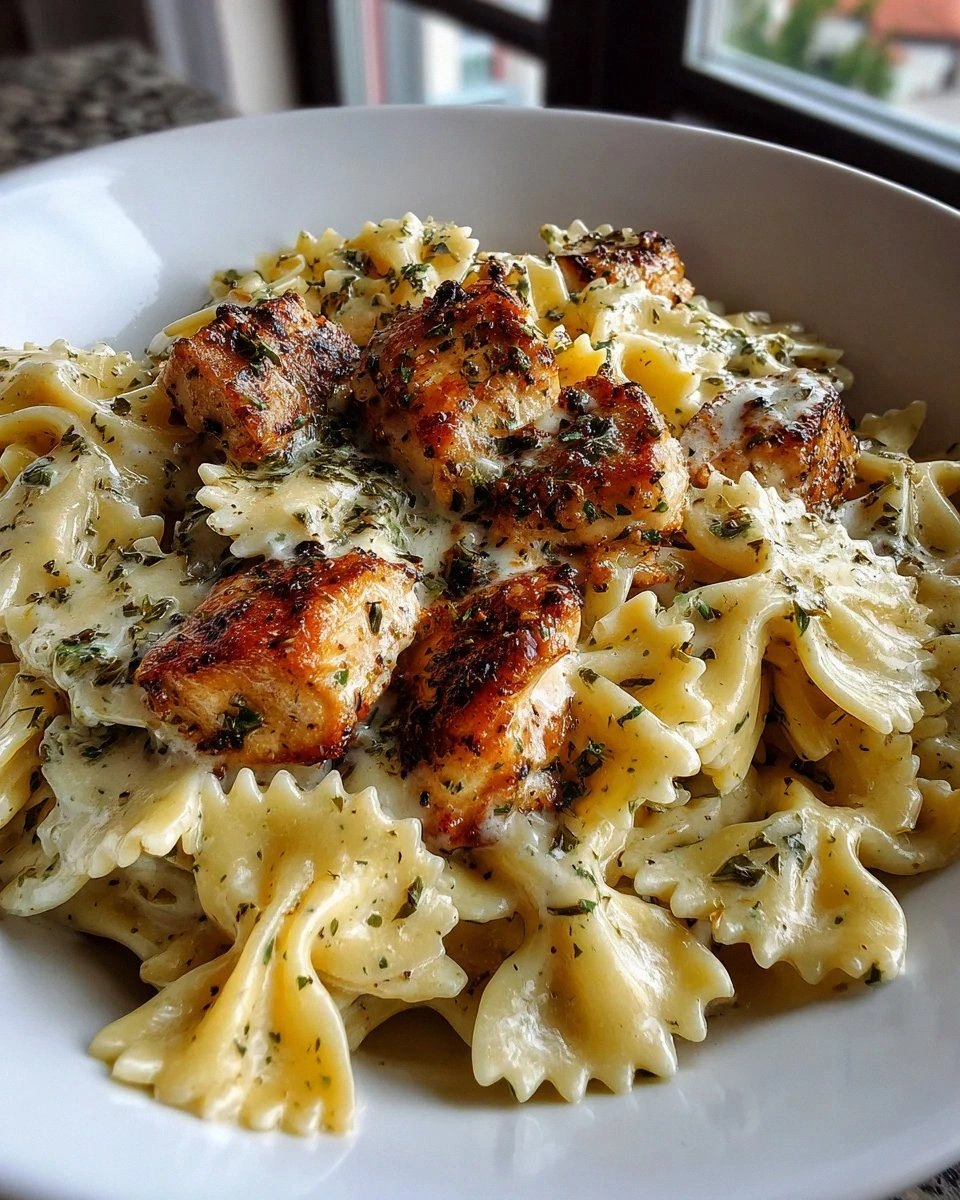
I was standing in my kitchen, staring at a mound of bone‑in beef short ribs that had just arrived from the market. The moment I saw those glossy, dark bones, I knew I was about to create something that would make my friends ask, “What’s that?” I had been chasing that perfect, caramelized, slow‑roasted Asian flavor for months, but every time I tried, the ribs came out either too dry or too mushy. That night, I decided to throw everything I had into the pot and let the flavors do the rest.
The first thing I did was sear the ribs until the surface was a deep, almost black caramel that crackled like a campfire. The aroma that filled the kitchen was a heady mix of soy, sugar, and ginger, with a faint hint of citrus from the mirin. I could hear the sizzling, feel the heat radiating off the pan, and taste the faint sweetness that would soon transform into a rich, umami‑laden sauce. That moment felt like a culinary revelation—if you could taste the sizzle, you could almost taste the future.
What makes this version stand out is that I didn’t just roast the ribs; I created a sauce that clings to every bite, turning the meat into a silky, sticky masterpiece that will make you dare to taste it and not want to stop. The secret? A delicate balance of sweetness and saltiness, a hint of heat, and a slow‑roast that melts the connective tissue into pure, melt‑in‑your‑mouth tenderness. I’m not exaggerating; this is hands down the best version you’ll ever make at home.
I’ll walk you through every single step, from the initial sear to the final garnish. By the end, you’ll wonder how you ever cooked short ribs any other way. If you’ve ever struggled with achieving that perfect caramelization, you’re not alone—and I’ve got the fix. So let’s get started.
What Makes This Version Stand Out
- Flavor: A symphony of soy, hoisin, mirin, and brown sugar that layers sweetness, saltiness, and depth without overwhelming the meat.
- Texture: Slow roasting breaks down collagen into gelatin, giving the ribs a buttery, melt‑in‑your‑mouth feel that’s both tender and slightly chewy.
- Ease: With a single pot and a few simple ingredients, you can achieve restaurant‑quality results without a complex setup.
- Versatility: Serve over rice, noodles, or roasted vegetables, or turn it into a hearty stew for a comforting bowl.
- Crowd‑pleaser: The glossy, sticky glaze makes for a showstopper that will have guests begging for seconds.
- Make‑ahead: The flavors deepen overnight, making this dish perfect for meal prep or a quick dinner on busy nights.
- Ingredient Quality: Using bone‑in ribs gives natural marrow for richer flavor, while fresh ginger and garlic keep the sauce bright.
- Unique Twist: The caramelized sear creates a char that adds a smoky undertone, distinguishing this from typical braised short ribs.
Alright, let's break down exactly what goes into this masterpiece.
Inside the Ingredient List
The Flavor Base
The heart of this dish is the sauce, a marriage of soy sauce, hoisin, mirin, and brown sugar. Soy sauce provides the salty backbone; hoisin adds a subtle sweetness and depth; mirin brings a gentle acidity and a touch of wine‑like warmth; and brown sugar balances everything with caramel notes. Together, they create a glaze that clings to the ribs like velvet. If you skip any of these, the sauce will lose its complex character—think of it as removing a key instrument from an orchestra.
The Texture Crew
Bone‑in short ribs are the cornerstone of this recipe because they carry marrow that melts into the sauce, enriching flavor and adding silky texture. The slow roasting process breaks down collagen into gelatin, which thickens the sauce and gives the meat a luscious, melt‑in‑your‑mouth quality. A pinch of cornstarch at the end is optional but helps achieve a glossy, silky finish that’s visually stunning and palate‑pleasing. If you prefer a lighter dish, you can omit the cornstarch and keep the sauce slightly more liquid.
The Unexpected Star
Fresh ginger and garlic are not just aromatics; they’re the flavor anchors that cut through the richness of the meat. The ginger’s bright, peppery bite contrasts with the deep umami, while the garlic adds savory depth. Using fresh instead of powdered forms gives a brighter, more vibrant profile. If you’re short on fresh ginger, you can use half the amount of ground ginger, but the sauce will feel a bit more muted.
The Final Flourish
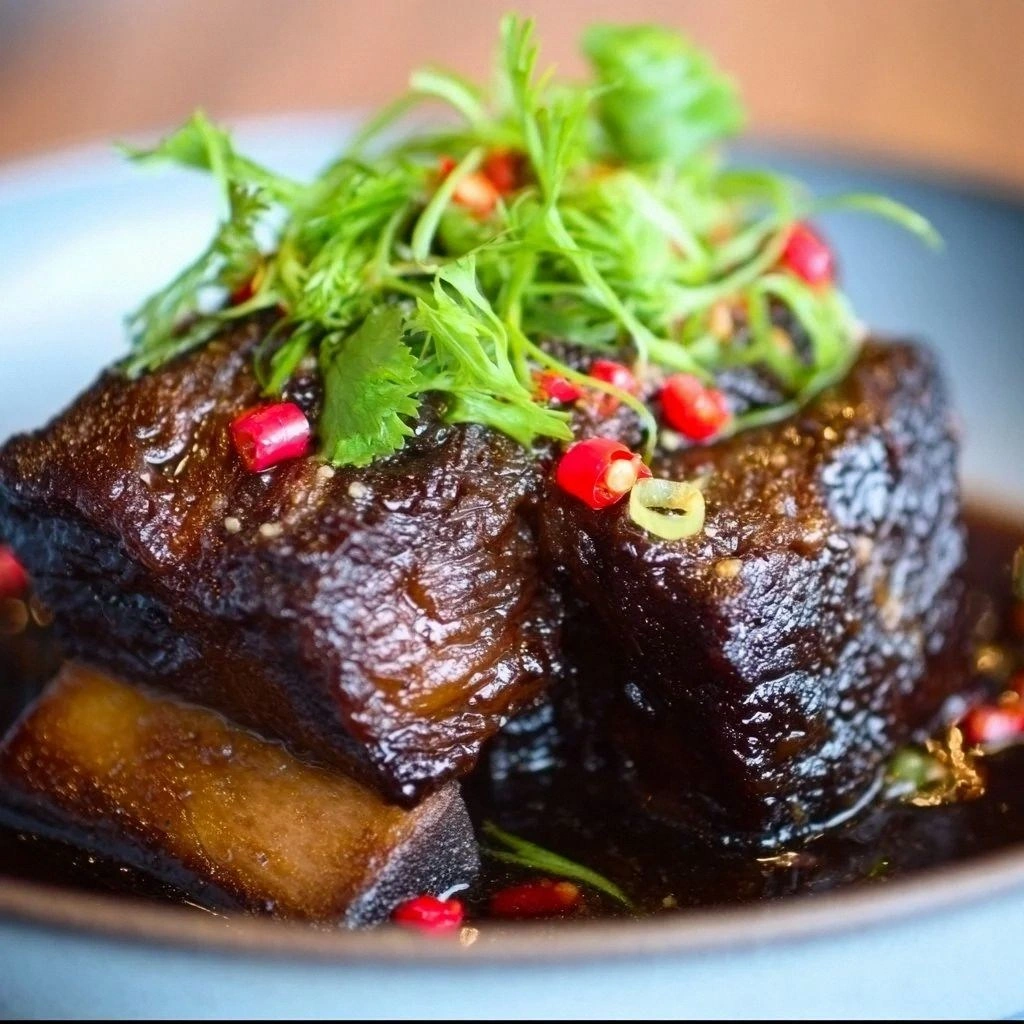
Green onions, sesame seeds, and fresh cilantro are the finishing touches that add crunch, nuttiness, and herbal brightness. They also provide a pop of color that turns the plate into a feast for the eyes. Toss these in just before serving to preserve their texture and flavor. If you’re serving over rice, a splash of sesame oil can elevate the dish further.
Everything’s prepped? Good. Let’s get into the real action.
The Method — Step by Step
- Prep the Ribs: Pat the short ribs dry with paper towels. Season all sides generously with salt and pepper. I dare you to taste this and not go back for seconds—this simple seasoning is the foundation. Let the ribs rest at room temperature for 15 minutes to ensure even cooking.
- Sear the Ribs: Heat a heavy Dutch oven or a large, oven‑proof skillet over high heat. Add a tablespoon of oil with a high smoke point. When the oil shimmers, lay the ribs flat, skin side down, and sear until a deep, caramelized crust forms—about 3–4 minutes per side. The sizzle is absolute perfection, and the crust will lock in all those flavors. Don’t rush; a good sear is essential for depth.
- Build the Sauce: Reduce the heat to medium and add minced garlic and grated ginger to the pan. Cook for 30 seconds until fragrant, being careful not to burn them. Pour in the soy sauce, hoisin sauce, and mirin. Stir to combine, scraping up any browned bits from the bottom. The aromatics should swirl together, forming a fragrant base.
- Sweeten: Stir in the brown sugar until it dissolves completely. The sugar will caramelize slightly, giving the sauce a glossy sheen. If you prefer a sweeter sauce, add an extra tablespoon of brown sugar; if you want more umami, reduce the sugar slightly.
- Add the Ribs Back: Return the seared ribs to the pot, nestling them into the sauce. Pour in enough water or broth to cover the ribs halfway—about 1 cup. Bring to a gentle simmer, then cover and transfer the pot to a preheated oven at 275°F (135°C). The low heat will slowly break down the connective tissue.
- Roast: Bake for 3 hours, checking every 30 minutes. The ribs should be fork‑tender, and the sauce should have thickened into a luscious glaze. If the sauce reduces too quickly, add a splash of water to keep it from drying out. The slow, low heat ensures the meat stays juicy while the flavors meld.
- Finish the Sauce: Remove the pot from the oven and transfer the ribs to a platter. Whisk the cornstarch with a tablespoon of water to make a slurry. Return the pot to the stove over medium heat, bring the sauce to a gentle boil, and stir in the slurry. Cook for 2–3 minutes until the sauce thickens to a glossy consistency. The cornstarch will give it that silky coat that makes each bite feel indulgent.
- Serve: Spoon the ribs over steamed rice or noodles. Sprinkle sliced green onions, toasted sesame seeds, and fresh cilantro on top. A drizzle of sesame oil adds a nutty finish. The final presentation should look like a work of art, with the glossy glaze reflecting light like a jewel.
That's it—you did it. But hold on, I've got a few more tricks that'll take this to another level.
Insider Tricks for Flawless Results
The Temperature Rule Nobody Follows
Many cooks think a higher oven temperature cooks faster, but for short ribs, low and slow is king. Keeping the oven at 275°F (135°C) allows the collagen to break down gently, preventing the meat from becoming rubbery. If you’re short on time, you can increase the temperature to 325°F (165°C) but reduce the cooking time by about 30 minutes, watching closely for doneness.
Why Your Nose Knows Best
The aroma of the sauce is your best indicator of progress. When the sauce smells sweet, caramelized, and slightly toasty, you’re in the sweet spot. If you notice a sharp, burnt smell, the sauce is over‑reduced. Trust your nose; it’s a reliable guide to perfect caramelization.
The 5-Minute Rest That Changes Everything
After removing the ribs from the oven, let them rest for five minutes before carving. This rest period allows the juices to redistribute, ensuring each slice stays moist. If you skip this step, the meat will feel dry and less flavorful.
Don’t Skimp on the Ginger
Fresh ginger is essential for brightening the sauce. If you’re using powdered ginger, remember it’s more concentrated—use only half the amount. The fresh zing is what keeps the dish from feeling heavy and cloying.
Use a Meat Thermometer for Precision
A meat thermometer can confirm doneness without guessing. The internal temperature should reach about 190°F (88°C) for tender short ribs. This ensures the meat is fully cooked but not overdone.
Creative Twists and Variations
This recipe is a playground. Here are some of my favorite ways to switch things up:
Spicy Sriracha Kick
Add an extra tablespoon of Sriracha to the sauce for a fiery punch. This works especially well over noodles, where the heat balances the sweetness.
Herb‑Infused Glaze
Stir in a handful of chopped fresh basil or mint at the end of cooking. The herbs add a fresh, aromatic layer that cuts through the richness.
Roasted Vegetable Medley
Serve the ribs over a bed of roasted sweet potatoes, carrots, and parsnips. The caramelized veggies complement the sauce and add a hearty, comforting element.
Coconut Milk Twist
Replace half the water in the pot with coconut milk for a creamy, tropical flavor. The milk adds a subtle sweetness and a silky mouthfeel.
Lemon Zest Finish
Finish the dish with a squeeze of fresh lemon juice and a sprinkle of lemon zest. The citrus brightens the sauce and adds a refreshing contrast.
Vegan Version
Swap the short ribs for thick slices of seared tofu or tempeh. Keep the sauce the same, and you’ll have a plant‑based version that still delivers that caramelized, umami‑rich experience.
Storing and Bringing It Back to Life
Fridge Storage
Cool the ribs and sauce completely, then store them in an airtight container in the refrigerator for up to 4 days. The sauce will thicken as it chills, so add a splash of water or broth before reheating.
Freezer Friendly
For longer storage, freeze the ribs and sauce separately in freezer‑safe bags. They’ll keep well for up to 3 months. Thaw overnight in the refrigerator before reheating.
Best Reheating Method
Reheat on the stovetop over low heat, adding a small amount of water or broth to loosen the sauce. Bring to a gentle simmer, then finish with a quick stir of the cornstarch slurry to restore thickness. The result should feel as fresh as the day it was first cooked.