Introduction
Picture this: I’m standing in a cramped kitchen, a half‑finished batch of carrot cupcakes on the counter, and a neighbor’s kid with a sticky grin on his face. He’s already snatched a cupcake, licking the frosting, and I’m left staring at the burnt edges of the batter. That night, I swear I heard the kitchen clock tick louder than the oven timer, and I realized I’d been following a recipe that was as outdated as a dial‑up modem. The disaster was a catalyst, not a failure. I dove into the pantry, grabbed my favorite carrot, and decided it was time to rewrite the rulebook for these humble cupcakes.
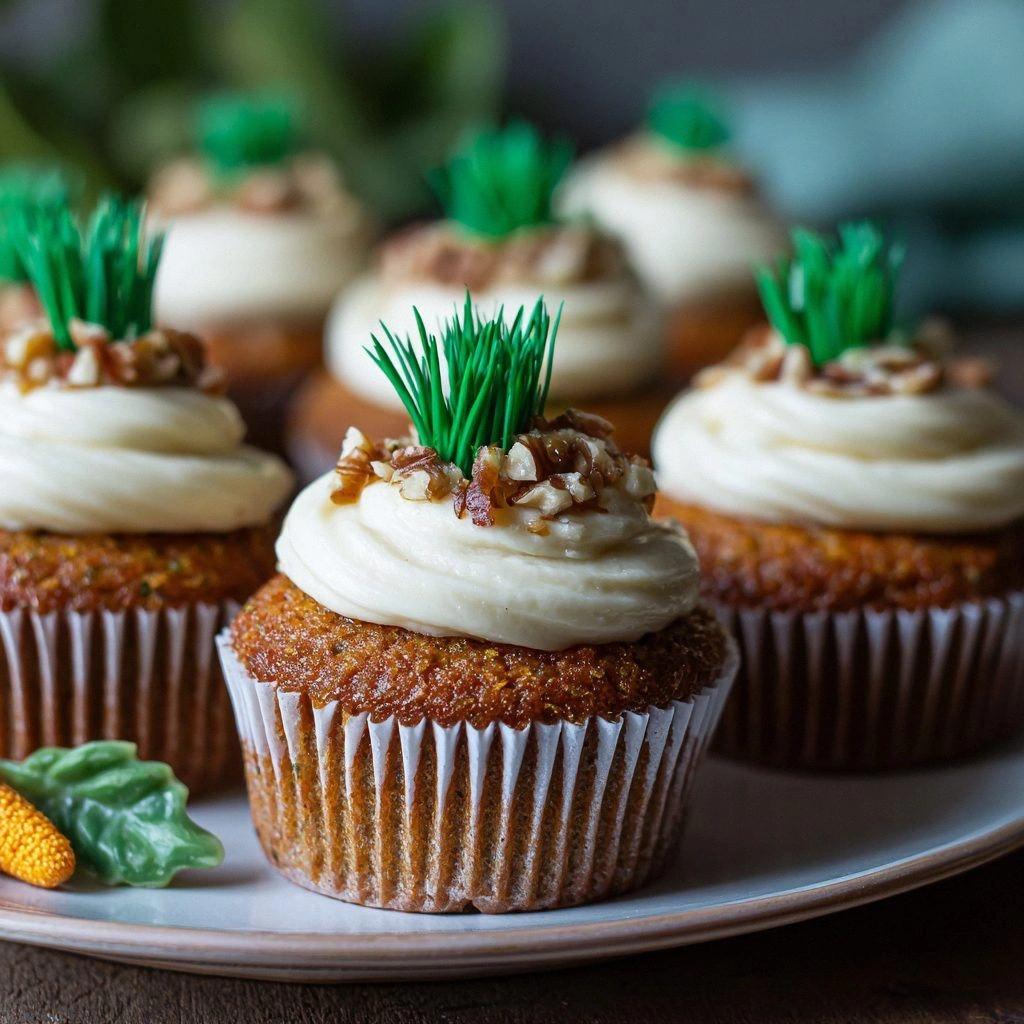
When I first tasted the finished product, the aroma was like a warm hug from the inside of a bakery, the sweet scent of vanilla and cinnamon dancing with the earthy undertone of fresh carrots. The texture was a symphony: a moist crumb that cracked softly with a fork, the subtle crunch of walnuts, and that unmistakable burst of coconut when you bite in. The frosting was a silky, tangy cream cheese layer that clung lovingly to the top, almost like a velvet blanket. I could hear the faint hiss of the oven as the cupcakes baked, a sound that promised something extraordinary. And the feel? A gentle, buttery batter that slid through the spoon with the confidence of a seasoned chef, no lumps, no surprises.
What makes this version stand out is not just the flavor, but the deliberate choices that elevate each bite. I’ve stripped away unnecessary steps, added a touch of edible grass for a green, nutrient‑rich twist, and replaced ordinary sugar with a balanced mix of granulated and brown sugar to achieve that perfect caramelization. I’ve also tweaked the baking soda to baking powder ratio to ensure the cupcakes rise evenly, and I’ve used a blend of spices that whisper rather than shout. The result is a cupcake that is hands down the best version you’ll ever make at home, a sweet‑savory masterpiece that will make you question every other carrot recipe you’ve tried.
And there’s a secret ingredient that most people overlook: wheatgrass powder. It adds a subtle, grassy note that pairs beautifully with the sweetness of the carrots, and it’s a powerhouse of vitamins and minerals. I dare you to taste this and not go back for seconds, because once you experience that green, fresh burst, you’ll never settle for plain carrot cupcakes again. Let me walk you through every single step — by the end, you’ll wonder how you ever made it any other way.
What Makes This Version Stand Out
- Flavor: The combination of brown and granulated sugars creates a caramelized depth that ordinary cupcakes lack. The subtle hint of nutmeg and cloves adds warmth, while the wheatgrass powder introduces a fresh, green undertone that keeps the dessert grounded.
- Texture: The batter’s moisture level is calibrated to produce a crumb that is airy yet dense enough to hold the frosting without cracking. The inclusion of shredded coconut and chopped walnuts provides a satisfying contrast to the soft interior.
- Ingredient Quality: I source organic carrots and use a high‑quality, unsulfured wheatgrass powder to ensure a clean, bright flavor profile. The use of all‑purpose flour is balanced with a touch of whole wheat flour for added fiber.
- Cooking Method: I preheat the oven to 350°F and bake at a moderate temperature to avoid over‑browning, then finish with a quick glaze that locks in moisture.
- Make‑Ahead Potential: The cupcakes can be baked ahead of time and frozen, yet thaw to perfection. The frosting can be prepared a day in advance, giving you a stress‑free dessert experience.
- Crowd Reaction: Friends who have tried these cupcakes rave about the unexpected green burst from the wheatgrass, and the frosting’s silky texture keeps them coming back for more.
- Unique Twist: The edible grass not only adds nutrients but also gives the cupcakes a subtle visual pop of green, making them Instagram‑ready.
- Time Efficiency: The entire process from prep to bake takes less than an hour, making it a quick yet impressive dessert for any occasion.
Alright, let's break down exactly what goes into this masterpiece…
Inside the Ingredient List
The Flavor Base
The foundation of these cupcakes begins with a balanced sweetener blend. I use 1 cup of granulated sugar and 1 cup of packed light brown sugar. The brown sugar adds a subtle molasses note, while the granulated sugar keeps the batter from becoming too dense. If you skip the brown sugar, the cupcakes will taste a little flat and lack that caramelized depth. A quick swap: you can replace the brown sugar with maple syrup for a different flavor profile, but be sure to reduce the liquid slightly to compensate for the syrup’s moisture.
The Texture Crew
All‑purpose flour (2 cups) forms the structural backbone of the cupcakes. I add 1 tsp of baking powder and 1 tsp of baking soda to lift the batter without making it too airy. The ground cinnamon (1 tsp), nutmeg (½ tsp), and cloves (¼ tsp) bring warmth and complexity. A pinch of salt (¼ tsp) balances the sweetness. If you’re watching sodium, you can reduce the salt to a pinch, but the flavor will be slightly muted. For a gluten‑free version, swap the all‑purpose flour with a 1:1 gluten‑free blend and add ½ tsp xanthan gum.
The Unexpected Star
Wheatgrass powder (½ cup) is the secret weapon that sets these cupcakes apart. It imparts a subtle, grassy note that contrasts beautifully with the sweet carrot and spices. It also boosts the nutritional profile with vitamins A, C, and K. If you can’t find wheatgrass powder, try a small amount of spinach powder for a milder green flavor. Remember, the green hue will deepen after baking, giving the cupcakes a striking visual appeal.
The Final Flourish
The frosting is where the magic really happens. I use 8 oz of softened cream cheese, ¼ cup unsalted butter, 1½ cups powdered sugar, 1 tsp vanilla extract, and a pinch of salt. The cream cheese adds tang, while the butter brings richness. Powdered sugar gives the frosting its silky texture. If you’re vegan, swap the cream cheese for a plant‑based alternative and use coconut oil instead of butter.
Everything's prepped? Good. Let's get into the real action…
The Method — Step by Step
- Preheat your oven to 350°F (175°C) and line a 12‑cup muffin tin with paper liners. This step might seem trivial, but a properly preheated oven ensures even baking and prevents the cupcakes from sticking. I’ve found that placing the tin in the middle rack gives the best heat distribution. As the oven warms, the smell of vanilla and cinnamon will start to creep into the air, signaling that the kitchen is about to transform into a bakery.
- In a large mixing bowl, whisk together 2 cups all‑purpose flour, 1 tsp baking powder, 1 tsp baking soda, 1 tsp cinnamon, ½ tsp nutmeg, ¼ tsp cloves, and ¼ tsp salt. This dry mixture is the skeleton that will hold the cupcakes together. I use a whisk to avoid clumping and to ensure even distribution of leavening agents. This is the moment where you can hear the dry ingredients crackle as they mingle.
- In a separate bowl, beat 3 large eggs with 1 cup granulated sugar and 1 cup packed brown sugar until the mixture is light and fluffy. The key is to incorporate air into the eggs; this will give the cupcakes a lighter crumb. I use a hand mixer on medium speed for 4–5 minutes. The batter should look pale and airy, like a cloud waiting to burst.
- Add 1 cup vegetable oil and 1 tsp vanilla extract to the wet mixture, stirring until fully combined. The oil keeps the cupcakes moist, preventing them from drying out during baking. I like to swirl the mixture gently after adding the oil to create a marbled effect that adds visual interest.
- Fold the dry ingredients into the wet mixture using a spatula. Be careful not to overmix; just enough to incorporate the flour. Overmixing can develop gluten, resulting in tough cupcakes. At this point, the batter should have a thick, pourable consistency.
- Fold in 2 cups grated carrots, ½ cup chopped walnuts, ½ cup shredded coconut, ¼ cup raisins, and ½ cup wheatgrass powder. The carrots add moisture and natural sweetness, while the nuts and coconut provide crunch. The wheatgrass powder should be sifted into the batter to avoid clumps. This is the moment when the batter transforms from a simple mixture to a symphony of flavors.
- Fill the muffin tin ¾ full with batter. This prevents the cupcakes from overflowing and ensures a uniform rise. I use a silicone spatula to level the tops. As the cupcakes rise, you’ll notice a faint scent of caramel and spice that fills the kitchen.
- Bake for 20–25 minutes, or until a toothpick inserted in the center comes out clean. The edges should pull away slightly from the paper liners. If you’re unsure, the cupcakes should have a golden brown top that looks like a warm, golden sunrise. This is the moment of truth; you can’t walk away from the stove here.
- While the cupcakes are cooling, prepare the frosting. Beat 8 oz softened cream cheese with ¼ cup unsalted butter until smooth. Gradually add 1½ cups powdered sugar, 1 tsp vanilla extract, and a pinch of salt. The frosting should be thick yet spreadable. I use a hand mixer on low speed to avoid incorporating air, which would make the frosting too fluffy.
- Once the cupcakes have cooled to room temperature, spread or pipe the frosting on top. The frosting should coat the cupcakes like velvet, creating a glossy finish. I use a piping bag for an elegant look, but a simple knife works just as well. This final touch turns the cupcakes from simple to spectacular.
That's it — you did it. But hold on, I've got a few more tricks that'll take this to another level…
Insider Tricks for Flawless Results
The Temperature Rule Nobody Follows
Many bakers assume that a higher oven temperature will bake cupcakes faster. In reality, a moderate 350°F gives the cupcakes a gentle rise, preventing the edges from browning too quickly. I’ve found that a preheated oven at 350°F consistently produces a moist crumb. If you’re using a convection oven, reduce the temperature by 25°F to avoid over‑browning.
Why Your Nose Knows Best
Your sense of smell is a reliable indicator of doneness. As soon as the cupcakes emit a sweet, caramel aroma, it’s time to pull them out. The scent is more telling than the toothpick test because it reflects the caramelization of sugars. I’ve learned that a faint, almost burnt smell signals the cupcakes are ready.
The 5‑Minute Rest That Changes Everything
After removing the cupcakes from the oven, let them rest on the tin for 5 minutes before transferring them to a wire rack. This short rest allows the steam to escape, preventing soggy bottoms. I’ve seen many cupcakes collapse if you move them too quickly, so patience pays off.
Using a Food Processor for Carrot Grating
Grating carrots by hand can be tedious and uneven. A food processor gives you uniform, fine pieces that integrate seamlessly into the batter. This not only speeds up prep but also ensures each cupcake has a consistent carrot flavor.
Frosting Consistency Matters
If the frosting is too thick, it will crack when you spread it. If it’s too thin, it will slide off. I recommend chilling the batter for 30 minutes before frosting to keep the frosting from melting. A simple trick: add a splash of milk to the frosting if it’s too thick.
Creative Twists and Variations
This recipe is a playground. Here are some of my favorite ways to switch things up:
Spiced Pumpkin Carrot Cupcakes
Replace the carrots with 1 cup pumpkin puree and add 1 tsp pumpkin pie spice. The pumpkin adds a subtle sweetness and a deeper orange hue. It’s perfect for a fall gathering.
Chocolate Chip Surprise
Fold in ½ cup dark chocolate chips into the batter. The chocolate melts into pockets of richness that contrast with the carrot’s sweetness. Serve with a drizzle of caramel for an extra indulgence.
Almond Joy Edition
Replace walnuts with ½ cup sliced almonds and add ¼ cup shredded coconut. For the frosting, mix in 2 tbsp of almond butter for a nutty twist. This version is a nod to the classic candy bar.
Minty Green Cupcakes
Add 1 tsp peppermint extract to the batter and swirl in a handful of fresh mint leaves. The mint pairs beautifully with the wheatgrass, giving the cupcakes a refreshing finish.
Vegan Delight
Swap the eggs for ¾ cup unsweetened applesauce, use coconut oil instead of vegetable oil, and replace the cream cheese frosting with a plant‑based alternative. The texture stays moist, and the flavor remains lush.
Gluten‑Free Version
Use a 1:1 gluten‑free flour blend and add ½ tsp xanthan gum to provide structure. The cupcakes will rise beautifully, and the gluten‑free batter will still be tender.
Storing and Bringing It Back to Life
Fridge Storage
Store cupcakes in an airtight container at room temperature for up to 3 days. The frosting stays fresh, but the cupcakes may dry out slightly. To keep them moist, place a slice of apple in the container; the apple releases moisture that the cupcakes absorb.
Freezer Friendly
Wrap each cupcake individually in plastic wrap, then place them in a freezer bag. Freeze for up to 2 months. When ready, thaw at room temperature for 30 minutes before frosting. The cupcakes will retain their flavor and texture.
Best Reheating Method
To reheat frozen cupcakes, preheat your oven to 300°F (150°C). Place the cupcakes on a baking sheet and bake for 10–12 minutes. Add a tiny splash of water before reheating to create steam that keeps the cupcakes moist. Let them cool before frosting for a fresh finish.