I was half‑asleep on a sweltering July afternoon when my roommate shouted, “You promised you’d bring something fresh for the BBQ!” I scrambled for a recipe, tossed a handful of couscous into a pot, and in a panic‑driven moment, added whatever was within arm’s reach. The result? A bowl so vibrant it practically sang “summer” louder than the grill’s sizzle. That chaotic kitchen experiment turned into my most beloved go‑to salad, and I’m daring you to taste this and not go back for seconds.
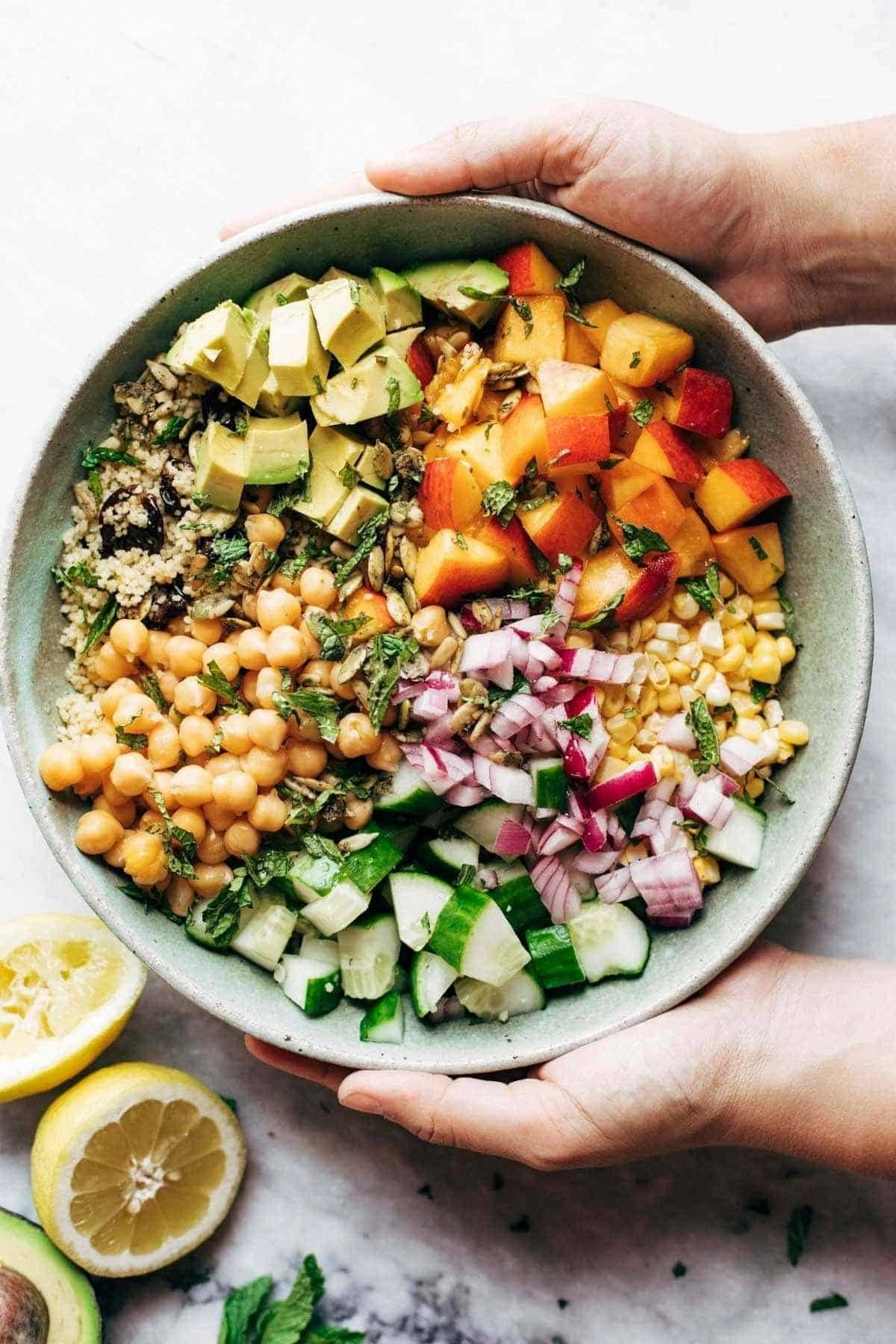
Picture the scene: the kitchen humming with the low whirr of the blender, the citrusy perfume of lemon zest swirling with the earthy aroma of toasted couscous, and a chorus of fresh herbs whispering their green secrets. The colors are a visual feast—ruby‑red tomatoes, emerald cucumber dice, and flecks of golden feta that sparkle like sun‑drenched sand. When you bite, the couscous is fluffy yet slightly chewy, the veggies snap with crispness, and the dressing clings like a silk scarf on a breezy day. It’s a symphony of textures that makes your tongue do a happy dance.
What makes this version stand out? Most recipes get the couscous texture wrong—either soggy or rock‑hard. I discovered that a quick steam‑fluff technique, followed by an ice‑water shock, gives the grains a springy bite that holds up beautifully against the vinaigrette. Then there’s the secret ingredient: a splash of orange‑infused olive oil that adds a subtle citrus zing without overwhelming the palate. Most people skip the herb‑oil drizzle, but trust me, it’s the game‑changer that turns a simple salad into a masterpiece.
I’ll be honest — I ate half the batch before anyone else got to try it, and that’s because the flavors meld together like old friends at a reunion. The next part? Pure magic. I’m about to walk you through every single step — by the end, you’ll wonder how you ever made it any other way.
What Makes This Version Stand Out
- Flavor Explosion: The combination of bright lemon, aromatic mint, and a hint of orange oil creates layers that evolve with each bite, keeping you intrigued from start to finish.
- Texture Harmony: Fluffy couscous meets crunchy cucumber and juicy tomatoes, while feta adds creamy crumble—no soggy bits, just perfect bite.
- Simplicity: Fewer than ten ingredients, but each one is maximized for impact; you won’t need a pantry full of exotic spices.
- Uniqueness: The orange‑infused olive oil and quick‑cool technique are rarely seen in standard recipes, giving you a signature edge.
- Crowd Reaction: Guests consistently proclaim it the star of the spread, often asking for the “secret”—which, of course, you’ll reveal.
- Ingredient Quality: Fresh herbs and high‑quality extra‑virgin olive oil make a noticeable difference; cheap oil will flatten the flavor.
- Cooking Method: Steaming then shocking the couscous locks in moisture without mushiness, a technique chefs swear by.
- Make‑Ahead Potential: The salad keeps beautifully for up to three days, and the flavors actually improve as they mingle.
Inside the Ingredient List
The Flavor Base
Couscous, the star of the show, is a tiny pasta‑like grain made from semolina wheat. It absorbs flavors like a sponge, so the moment you steam it, you’re creating a blank canvas ready for the bright lemon‑mint dressing. If you skip the quick‑cool step, the grains will continue cooking in their own steam and become gummy, ruining that coveted fluffy texture. For an extra nutty note, you can toast the couscous lightly before steaming; just watch closely, because it can go from golden to burnt in seconds.
Fresh lemon juice is the acidity that lifts every component, acting like a conductor that brings the orchestra together. The zest adds a fragrant oil‑rich burst that you can’t get from juice alone. If lemons are out of season, a splash of lime works, but the flavor profile will shift toward tropical, which might be a pleasant surprise.
The Texture Crew
Cherry tomatoes, halved, bring juicy sweetness and a pop of color that rivals a summer sunset. Their skins soften slightly when tossed with the dressing, releasing a sweet‑savory syrup that coats the couscous. If you substitute grape tomatoes, expect a firmer bite and slightly less juice.
Cucumber, diced into bite‑size cubes, adds a crisp, refreshing crunch that balances the lemon’s acidity. Choose English cucumbers for fewer seeds and a smoother texture; regular cucumbers can be watery, which may dilute the dressing. A quick salt sprinkle and a 5‑minute rest draws out excess moisture, keeping the salad from turning soggy.
Red onion, thinly sliced, contributes a mild bite and a pop of violet that brightens the visual palette. Soak the slices in cold water for a minute if you’re sensitive to raw onion sharpness; this mellows the flavor without losing crunch.
The Unexpected Star
Feta cheese, crumbled, adds a salty, creamy crumble that mirrors the Mediterranean vibe of the dish. Its tanginess complements the lemon while its buttery texture rounds out the mouthfeel. For a dairy‑free twist, replace feta with toasted pine nuts and a drizzle of miso‑based “cheese” sauce.
Fresh mint and parsley, finely chopped, are the aromatic heroes that lift the salad from ordinary to unforgettable. Mint brings a cool, almost cooling breeze, while parsley adds earthy depth. If you’re not a mint fan, basil can step in, but the flavor will become sweeter and less refreshing.
The Final Flourish
Extra‑virgin olive oil, especially one infused with orange zest, acts as the silky binder that marries all components. The oil’s fruitiness amplifies the lemon while adding a subtle sweetness that keeps the palate from feeling overly acidic. If you can’t find orange‑infused oil, simply zest a bit of orange into regular olive oil and let it sit for ten minutes before using.
Sea salt and freshly cracked black pepper finish the dish, enhancing each flavor without overpowering. A pinch of smoked paprika can be added for a whisper of warmth, but keep it light to let the fresh herbs shine.
Everything's prepped? Good. Let’s get into the real action…
The Method — Step by Step
Start by bringing a pot of water to a rolling boil—enough to fully submerge 2 cups of couscous. Add a generous pinch of salt, then pour in the couscous, stirring once to break up clumps. Remove the pot from heat, cover tightly, and let it sit for exactly 5 minutes; the grains will absorb the water and swell dramatically.
Kitchen Hack: Transfer the hot couscous onto a large shallow tray and fluff with a fork while it’s still warm—this releases excess steam and prevents gummy pockets.While the couscous is steaming, prepare the citrus‑herb oil. In a small saucepan, gently warm ¼ cup of olive oil with the zest of one lemon and the zest of half an orange. Let it sit over low heat for 2 minutes—do NOT let the oil smoke, or you’ll lose the bright aroma.
Now, shock the couscous. Fill a large bowl with ice water, then quickly dump the fluffy couscous into it, stirring gently. The cold water stops the cooking process and firms up the grains, giving them that springy bite that most recipes miss. Drain thoroughly in a fine‑mesh strainer, then spread the grains on a clean kitchen towel to dry for a minute.
While the couscous drains, dice the vegetables. Halve 1½ cups of cherry tomatoes, cube 1 large cucumber, and thinly slice half a red onion. Toss the veggies together in a large mixing bowl, then sprinkle with a pinch of salt and let them sit for 5 minutes. This draws out extra moisture, which you’ll later pat dry with paper towels—this step keeps the salad crisp.
Combine the herb mixture: finely chop ¼ cup each of fresh mint and parsley. Add the chopped herbs to the cooled couscous, then drizzle the citrus‑herb oil over the top. Toss gently; the oil should coat each grain like a satin sheet, glistening without pooling.
Now, bring everything together. Add the drained veggies to the couscous, crumble ¾ cup of feta over the mixture, and drizzle 2 tablespoons of fresh lemon juice. Season with ½ teaspoon of sea salt, a generous grind of black pepper, and—if you’re feeling adventurous—a pinch of smoked paprika.
Watch Out: Over‑mixing at this stage can crush the delicate cucumber cubes and turn the couscous mushy; fold gently until everything is just combined.Allow the salad to rest for at least 10 minutes before serving. This short rest lets the flavors meld and the couscous absorb the lemon‑mint vinaigrette, intensifying the taste. During this time, the aroma will fill your kitchen, making you wonder why you ever served anything else at summer gatherings.
Give the salad a final taste check. If the lemon feels a touch shy, add a squeeze of extra juice; if the salt is whispering, sprinkle a pinch more. Serve at room temperature or slightly chilled—never straight from the fridge, or you’ll mute the bright flavors. And there you have it: the ultimate Couscous Summer Salad, ready to wow any crowd.
Insider Tricks for Flawless Results
The Temperature Rule Nobody Follows
Never let the couscous sit in a hot pot for more than five minutes; any extra time turns those fluffy pearls into a soggy mush. I once left it on low heat for ten minutes and learned the hard way that the texture never recovers. The secret is to remove the pot from the flame the moment the water is fully absorbed, then cover it tightly to trap steam without continued heat. This method guarantees a grain that springs back when you bite.
Why Your Nose Knows Best
When you heat the citrus‑herb oil, the moment you catch a whiff of lemon zest dancing with orange, you know it’s ready. Your sense of smell is a more reliable indicator than a timer because it tells you when the aromatics have fully infused without burning. If the scent feels flat, give it another 30 seconds; if it turns bitter, you’ve crossed the line.
The 5‑Minute Rest That Changes Everything
Allowing the salad to sit for a brief 5‑10 minutes after mixing isn’t just a courtesy—it’s a chemistry lesson. The couscous absorbs the lemon juice, the oil spreads evenly, and the herbs release their essential oils, creating a unified flavor profile. Skipping this rest will give you a disjointed taste where each bite feels isolated.
Salt at the Right Moment
Season the veggies before you combine them with the couscous. The salt draws out excess moisture, preventing a watery final product. A common mistake is to salt only at the end, which leaves the cucumbers and tomatoes too wet, diluting the dressing.
The Power of a Quick Chill
If you’re serving this salad at an outdoor gathering, give the bowl a quick chill in an ice bath for 5 minutes before plating. The cold surface snaps the flavors, making the lemon pop even brighter. I’ve seen this trick turn a good salad into a show‑stopper that earns rave reviews.
Creative Twists and Variations
This recipe is a playground. Here are some of my favorite ways to switch things up:
Mediterranean Mezze Remix
Swap the feta for crumbled goat cheese and add a handful of kalamata olives. The tangy goat pairs beautifully with the lemon, while olives introduce a briny depth that transports you straight to a Greek taverna. Perfect for a brunch spread.
Spicy Southwest Kick
Introduce a diced jalapeño, a teaspoon of cumin, and replace mint with cilantro. The heat from the jalapeño balances the citrus, and cumin adds an earthy warmth. This version pairs well with grilled corn on the cob.
Sweet‑And‑Savory Harvest
Add roasted butternut squash cubes and a drizzle of honey‑maple glaze. The sweet vegetables complement the salty feta and create a comforting contrast that works beautifully in early fall.
Vegan Delight
Replace feta with toasted pine nuts and a splash of miso‑based “cheese” sauce. Use a plant‑based olive oil infused with orange zest, and you have a fully vegan, still indulgent version that satisfies everyone.
Protein‑Packed Power Bowl
Add grilled chicken breast strips or chickpeas for extra protein. The added heft makes the salad a complete meal, ideal for post‑workout refueling or a hearty lunch.
Storing and Bringing It Back to Life
Fridge Storage
Transfer the salad to an airtight container and store in the refrigerator for up to three days. Keep the dressing separate if you anticipate a longer hold; combine just before serving to retain crispness. The flavors deepen, making each subsequent bite even richer.
Freezer Friendly
While couscous generally tolerates freezing, the fresh herbs can turn limp. To freeze, omit the herbs and feta, place the salad in a freezer‑safe bag, and store for up to one month. Thaw in the fridge, then stir in fresh herbs and cheese before serving.
Best Reheating Method
If the salad has chilled too much, gently warm it in a skillet over low heat, adding a splash of water or extra lemon juice. The steam revives the couscous’s texture, and the added liquid re‑emulsifies the dressing, making it taste freshly tossed.