Picture this: I was halfway through a dinner party, the lights dimmed, the guests were laughing, and I was about to serve the grand finale—my famed Cajun shrimp pasta. Suddenly, the stove exploded with a loud hiss, the sauce thickened to a gloopy mess, and the shrimp turned into a rubbery, over‑cooked disaster. I stared at the ruined plate, heart sinking, until a friend whispered, “Hey, why not try a creamy twist?” That was the spark that led to this version, and I’ve been obsessed ever since.
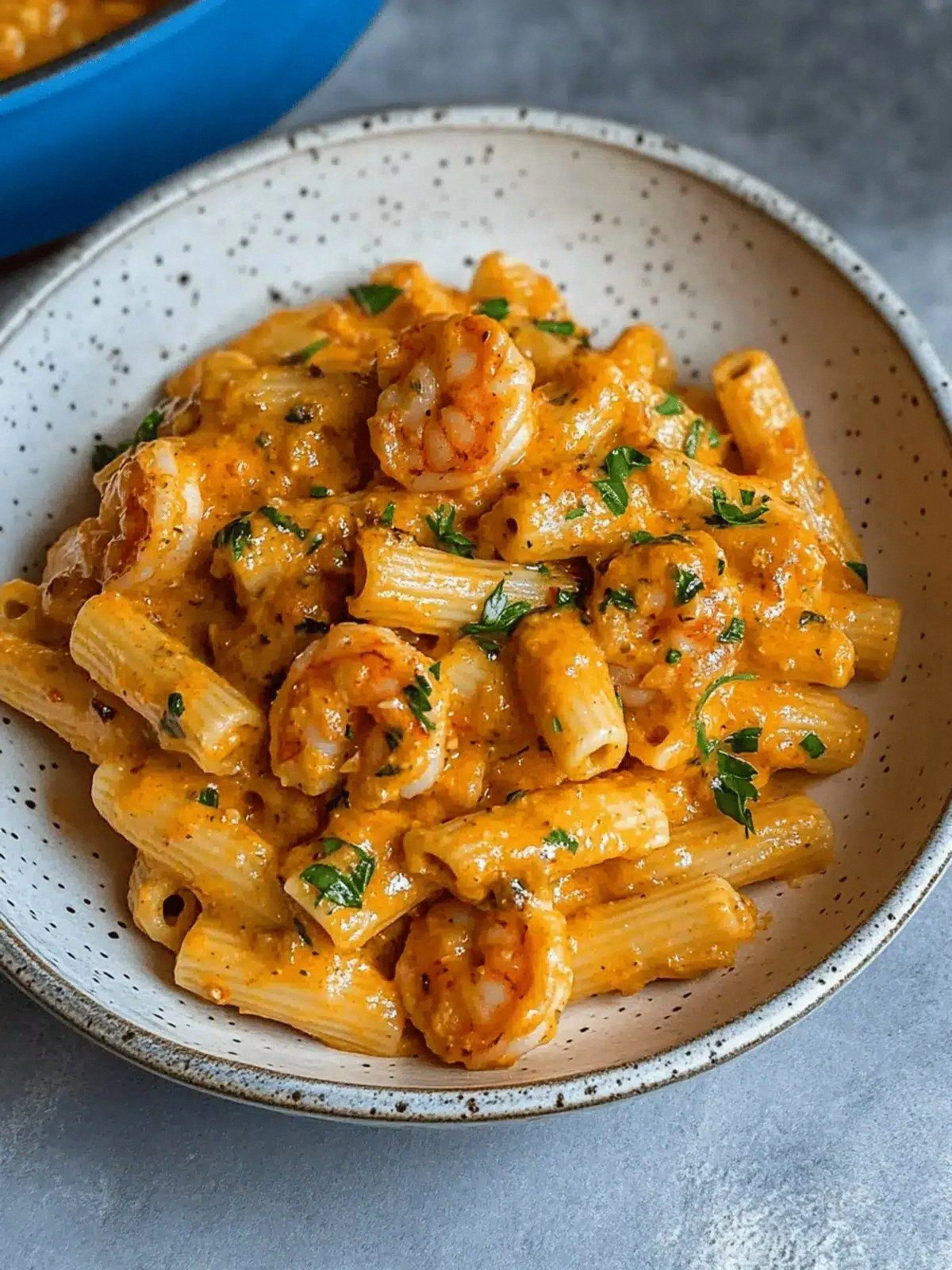
I’ve spent countless nights in my kitchen, chasing the perfect balance of heat, creaminess, and that unmistakable Cajun kick. The aroma that fills the air when the butter starts to singlet, the bright pop of fresh parsley, the sizzling jalapeño that releases a gentle heat—each element is a sensory cue that tells you this dish is about to take off. When you taste it, the sauce clings to the rigatoni like velvet, the shrimp remains plump and juicy, and the peppery kick lingers, leaving you craving a second bite. I dare you to taste this and not go back for seconds.
What makes this recipe stand out is that it’s not just a fusion of flavors; it’s a carefully orchestrated dance of textures and temperatures. The creamy sauce is thick enough to coat every strand of pasta, yet light enough to let the shrimp’s natural sweetness shine through. The jalapeño adds a subtle heat that’s balanced by the citrusy lemon, preventing the dish from becoming too spicy. Most recipes get this completely wrong, but here’s what actually works: a precise blend of aromatics, a controlled cooking time for the shrimp, and a finishing touch of fresh herbs.
And there’s a twist you won’t expect—a splash of tomato sauce that adds depth without overpowering the cream. It’s the secret that elevates the dish from “good” to “hands down the best version you’ll ever make at home.” Picture yourself pulling this out of the oven, the whole kitchen smelling incredible, and every plate served with a confident grin. Let me walk you through every single step—by the end, you’ll wonder how you ever made it any other way.
What Makes This Version Stand Out
- Flavor: The combination of Cajun seasoning, garlic powder, and red paprika creates a bold, smoky base that cuts through the richness of the cream.
- Texture: The rigatoni’s ridges catch the sauce, while the shrimp stay tender—no rubbery surprises.
- Heat Control: A measured jalapeño keeps the dish spicy but not overwhelming, and the lemon juice brightens it all.
- Time Efficiency: From prep to plate, the entire process takes less than an hour, making it perfect for a quick weeknight.
- Visual Appeal: The bright red bell pepper and green parsley contrast against the creamy sauce, making every bite Instagram‑ready.
- Make‑Ahead Potential: The sauce can be prepared a day ahead; just reheat gently and add fresh shrimp right before serving.
Alright, let's break down exactly what goes into this masterpiece...
Inside the Ingredient List
The Flavor Base
The foundation of this dish is the aromatic sauce that starts with butter, olive oil, and a blend of Cajun spices. The butter gives the sauce a rich, silky mouthfeel, while the olive oil adds a subtle fruity depth that complements the shrimp’s natural brininess. If you skip the Cajun seasoning, the dish loses its signature kick; it becomes a generic creamy pasta that feels underwhelming. A good swap for Cajun seasoning is a mix of smoked paprika, cayenne, and garlic powder if you’re looking for a different heat profile.
The Texture Crew
Rigatoni pasta is the hero that holds the sauce. Its ridges trap the creamy mixture, ensuring every bite is flavorful. The shrimp, when cooked just right, remain tender and succulent. Overcooking them turns them rubbery, which is why timing is critical. For a vegan version, replace shrimp with firm tofu, marinated in the same spice mix, and pan‑fry until golden.
The Unexpected Star
The jalapeño, diced finely, is the unexpected star that adds a subtle heat without overpowering the dish. If you’re not a fan of heat, reduce it to a quarter of a jalapeño or use a mild pepper. The fresh parsley added at the end offers a burst of brightness that cuts through the richness of the cream. A great alternative to parsley is basil, which gives a slightly sweeter, aromatic finish.
The Final Flourish
Heavy cream and tomato sauce create a luscious, velvety sauce that coats the pasta and shrimp. The tomato sauce adds a subtle tang and depth, preventing the cream from feeling flat. Parmesan cheese, grated finely, melts into the sauce, adding a nutty umami that balances the heat. If you’re lactose intolerant, a splash of coconut milk can replace the cream for a lighter version.
Everything's prepped? Good. Let's get into the real action...
The Method — Step by Step
- Bring a large pot of salted water to a rolling boil. Add the rigatoni and cook according to the package instructions until al dente—usually about 11 minutes. Drain, reserving a cup of pasta water, and set aside. While the pasta cooks, the rest of the dish will come together in a matter of minutes.
- In a large skillet over medium heat, melt the butter with the olive oil. Add the diced yellow onion, sautéing until translucent and fragrant—about 3 minutes. The onions should be soft but not browned; they’re the sweet base of the sauce.
- Stir in the Cajun seasoning, garlic powder, red paprika, and dried oregano. Cook for 30 seconds, letting the spices toast slightly. This step releases the essential oils and intensifies the flavor profile—watch the aroma rise, and you’ll know it’s working.
- Add the diced jalapeño and sliced red bell pepper to the skillet. Sauté for 2 minutes until they soften but still retain a bite. This is the moment of truth: the peppers should caramelize slightly without turning mushy.
- Pour in the tomato sauce, stirring to combine. Let it simmer for 4 minutes, allowing the flavors to meld. The sauce should thicken a bit and develop a rich, slightly caramelized hue.
- Reduce the heat to low and pour in the heavy cream. Stir continuously, letting the cream integrate with the tomato base. The mixture should reach a gentle simmer—no rolling boil, or the cream will separate.
- Season the shrimp with a pinch of salt and a splash of lemon juice. Add them to the skillet, stirring to coat them in the sauce. Cook for 3-4 minutes, turning occasionally, until the shrimp turn pink and opaque. Remember: shrimp cooks fast; over‑cooking will ruin the texture.
- Fold in the cooked rigatoni, tossing to coat each piece with the sauce. If the mixture seems too thick, add a splash of reserved pasta water to reach your desired consistency. Sprinkle in the grated Parmesan, stirring until it melts into a glossy finish.
- Finish the dish with a generous handful of fresh parsley, giving it a burst of color and brightness. Give everything one final stir, taste, and adjust seasoning if needed. Plate immediately while hot.
- Serve with extra Parmesan on the side and a wedge of lemon for those who like a bit more acidity. Pair with a crisp white wine or a chilled glass of sparkling water for a complete experience.
That's it — you did it. But hold on, I've got a few more tricks that'll take this to another level...
Insider Tricks for Flawless Results
The Temperature Rule Nobody Follows
Shrimp cook in a matter of minutes; the trick is to keep the pan at medium heat and monitor the color change. A quick flip ensures even cooking and prevents the edges from becoming rubbery. I’ve seen people over‑cook shrimp because they’re waiting for the water to boil again—don’t let that happen.
Why Your Nose Knows Best
The aroma of toasted Cajun spices is a reliable indicator that the base is ready. When the butter sizzles and the spices start to pop, you know you’re on the right track. If the smell is weak, let it cook a bit longer; the flavors will deepen.
The 5-Minute Rest That Changes Everything
After the pasta and shrimp are combined, let the dish rest for 5 minutes before serving. This resting period allows the sauce to thicken slightly and the flavors to meld, giving the dish a more cohesive taste.
Use Fresh Shrimp, Not Frozen
Fresh shrimp retain more moisture and have a superior texture compared to frozen ones. If you must use frozen, thaw them in cold water and pat dry before cooking. This step reduces excess water and prevents the sauce from becoming watery.
Finish with Fresh Herbs
Adding parsley right before serving gives a bright, herbal note that balances the richness. If you’re not a fan of parsley, try chives or a sprinkle of basil for a different twist.
Creative Twists and Variations
This recipe is a playground. Here are some of my favorite ways to switch things up:
Spinach & Sun-Dried Tomato
Swap the red bell pepper for a handful of fresh spinach and a tablespoon of sun‑dried tomato paste. The spinach wilts into the sauce, adding a green burst, while the sun‑dried tomatoes bring a sweet, tangy depth.
White Wine & Lemon Zest
Deglaze the pan with a splash of dry white wine before adding the cream. Finish with lemon zest to amplify the citrus notes, giving the dish a bright, refreshing edge.
Smoky Chipotle Variant
Replace the Cajun seasoning with chipotle powder and a dash of adobo sauce. The smoky heat transforms the dish into a bold, fiery version that pairs beautifully with a chilled rosé.
Vegetarian Version
Omit the shrimp and add a mix of sautéed mushrooms, zucchini, and bell pepper. The vegetables soak up the sauce, creating a hearty, plant‑based entrée that still delivers the creamy, spicy experience.
Low-Carb Twist
Swap the rigatoni for spiralized zucchini or shirataki noodles. The sauce still clings beautifully, and you get a lighter, lower‑carb option without sacrificing flavor.
Breakfast Kick
Serve the pasta with a fried egg on top, and sprinkle with extra Parmesan. The yolk adds richness and turns the dish into a decadent breakfast or brunch staple.
Storing and Bringing It Back to Life
Fridge Storage
Store the cooked pasta and sauce separately in airtight containers for up to 3 days. Reheat on the stovetop, adding a splash of water or milk to loosen the sauce, and gently warm the shrimp to keep them tender.
Freezer Friendly
Freeze the sauce in a freezer‑proof container for up to 2 months. When ready to use, thaw overnight in the fridge, then reheat on low heat, stirring until warmed through. Add fresh shrimp just before serving.
Best Reheating Method
To reheat the pasta, use a skillet with a small amount of olive oil, warming over medium-low heat. Stir constantly to prevent sticking, and add a splash of pasta water to maintain the sauce’s silky texture.