I was halfway through a midnight snack, eyes bleary from a long day, when the pantry opened like a treasure chest. I reached for potatoes, onion, and a handful of spinach, and something about the combination felt like a secret code. The kitchen smelled of cumin seeds popping in coconut oil, the sound of garlic sizzling—a symphony that made me forget the world outside. That moment, that aroma, sparked a dare: I would turn this humble mix into a creamy, comforting curry that would win over anyone who tasted it. If you’re ready for a dish that feels like a warm hug on a plate, stick around.
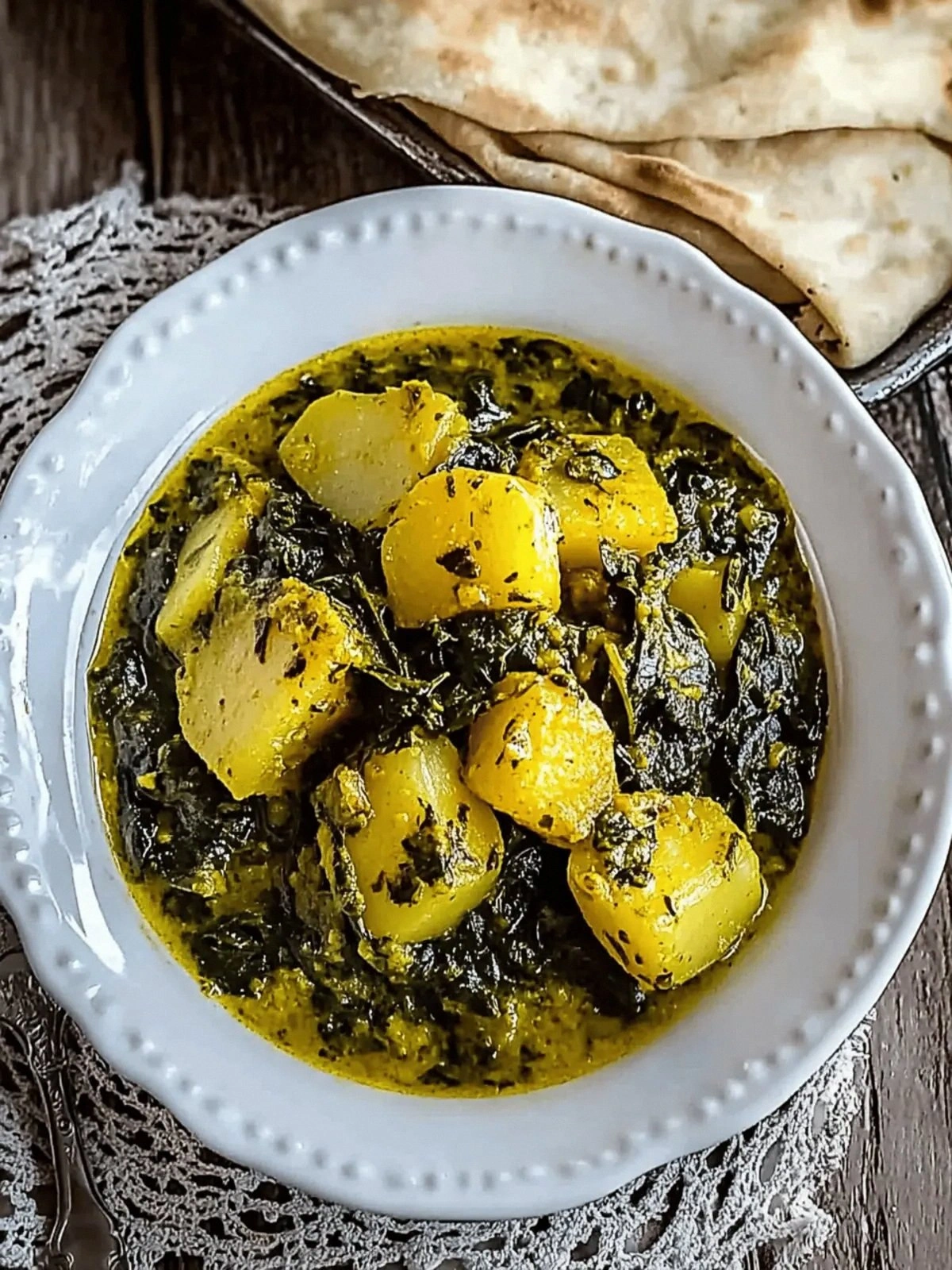
Picture this: a pot on the stove, the gentle hiss of oil, and cumin seeds crackling like tiny fireworks. The onions dance in the pan, turning translucent and sweet, while garlic and ginger add a punch that lingers in the air. The potatoes, cubed to a perfect bite, soak up the spices, becoming the foundation of a velvety sauce that coats each piece. Spinach, added at the right moment, wilts into a lush green bed, its earthy notes balancing the richness. The final splash of sea salt pulls all those flavors together into a single, harmonious bite.
What sets this version apart is that I’ve stripped away the fluff and kept the heart of the dish intact. The use of coconut oil gives a subtle tropical sweetness that contrasts with the sharpness of cumin and turmeric. The potatoes are not just boiled; they’re caramelized slightly in the pan, giving them a golden crust that adds texture. Spinach isn’t just a garnish; it’s an integral component that adds a pop of color and a dose of nutrients. The spices are toasted to bring out their full aroma, creating a sauce that coats the potatoes like velvet.
Most recipes get this completely wrong by overcooking the spinach or under-seasoning the broth. I’ve found that the secret lies in timing and temperature—let the spices bloom before adding the potatoes, and add the spinach just before the finish so it keeps its bright color. The result? A dish that’s creamy, hearty, and surprisingly light. It’s the kind of comfort food that feels like a hug from the inside out.
I dare you to taste this and not go back for seconds. Picture yourself pulling this out of the pot, the whole kitchen smelling incredible, and the first spoonful melting on your tongue. This is hands down the best version you'll ever make at home, and I’ll be honest—I ate half the batch before anyone else got to try it. If you've ever struggled with this, you're not alone, and I've got the fix. Stay with me here—this is worth it.
Let me walk you through every single step—by the end, you'll wonder how you ever made it any other way. From the first sizzle to the final swirl, we’ll explore the techniques that elevate this simple dish to unforgettable. Trust me, you’re going to love the way the flavors mingle, the way the potatoes stay tender yet slightly crisp, and the way the spinach adds a burst of freshness that keeps the dish from feeling heavy. Ready? Let’s dive in.
What Makes This Version Stand Out
- Taste: The careful balance of cumin, coriander, turmeric, and paprika creates a depth that feels both earthy and bright, with a hint of sweetness from the coconut oil.
- Texture: The potatoes develop a golden, slightly caramelized edge while remaining creamy inside, and the spinach adds a subtle, velvety bite.
- Ingredient Quality: Fresh, unprocessed ingredients keep the dish pure and let each flavor shine without interference.
- Cooking Method: Toasting the spices in coconut oil before adding the aromatics unlocks their full aroma, a step that most recipes skip.
- Make‑Ahead Potential: Once cooked, this curry holds up beautifully for up to three days in the fridge, and it freezes well for a quick weeknight meal.
- Audience Appeal: It’s vegetarian, gluten‑free, and can be tweaked for vegan or keto by swapping coconut oil for avocado oil.
Inside the Ingredient List
The Flavor Base
Coconut oil is the silent hero of this dish, providing a subtle sweetness that balances the earthy cumin and the bright turmeric. Unlike butter or vegetable oil, coconut oil has a high smoke point, allowing the spices to toast without burning. The cumin seeds are the first to hit the hot oil, popping with a nutty aroma that sets the stage for the rest of the flavors. If you can’t find coconut oil, a light olive oil will do, but you’ll lose a hint of tropical depth.
The Texture Crew
Potatoes are the star of the show, but their texture depends on how you handle them. Cutting them into even cubes ensures that each piece cooks at the same rate, preventing some from becoming mushy while others remain raw. The potatoes absorb the spices, turning into a creamy base that holds the sauce together. Skipping the initial sauté in oil can result in a soggy, bland texture, so make sure to let them brown slightly before adding liquid.
The Unexpected Star
Spinach might seem like a simple garnish, but in this recipe it’s the green burst that adds freshness and a nutritional punch. Chopping it finely allows it to wilt quickly, preventing it from turning into a mushy mess. The spinach also reacts with the spices, creating a subtle, earthy undertone that complements the richness of the potatoes. If you’re out of spinach, kale or Swiss chard can substitute, but adjust the cooking time to avoid overcooking.
The Final Flourish
The ground spices—coriander, cumin, turmeric, and paprika—are toasted in the coconut oil, releasing their essential oils and creating a fragrant base. The sea salt is added at the end to avoid drawing out moisture from the potatoes during cooking, ensuring a creamy consistency. The ginger and garlic add a punch that cuts through the richness, while the onions bring a subtle sweetness that balances the heat. Together, these elements create a dish that feels both comforting and sophisticated.
Everything's prepped? Good. Let's get into the real action.
The Method — Step by Step
- Begin by peeling and dicing the potatoes into 1‑inch cubes. The uniform size guarantees even cooking and a consistent texture throughout the dish. While the potatoes are cutting, set a medium saucepan on medium heat and pour in the coconut oil, letting it melt into a silky pool.
- Add the cumin seeds to the hot oil and let them sizzle for 10–15 seconds until they start to crackle and release a nutty aroma. This simple step unlocks the full flavor potential of the seeds and creates a fragrant base that will permeate the entire curry.
- Introduce the finely chopped onion, minced garlic, and grated ginger. Sauté until the onion becomes translucent and the mixture emits a sweet, caramelized scent. The garlic and ginger add depth and a gentle heat that balances the earthiness of the spices.
- Sprinkle in the ground coriander, cumin, turmeric, and paprika. Stir constantly for 2 minutes, allowing the spices to toast and release their essential oils. The mixture should become fragrant, with the colors deepening to a rich, golden hue.
- Add the cubed potatoes to the pan, stirring to coat them thoroughly with the spice‑oil mixture. Cook for 4–5 minutes, letting the potatoes brown slightly on the edges. This caramelization adds a subtle crunch and a caramelized flavor that elevates the dish.
- Pour in enough water to just cover the potatoes—about 1 cup. Bring the mixture to a gentle boil, then reduce the heat to low and simmer for 15 minutes, or until the potatoes are tender but not falling apart. Keep the lid slightly ajar to allow steam to escape and prevent a watery consistency.
- Stir in the chopped spinach, a handful at a time, allowing each batch to wilt before adding more. The spinach should turn a deep green and reduce in volume, infusing the curry with a fresh, earthy note. Cook for an additional 3–4 minutes until the spinach is fully incorporated.
- Season the curry with sea salt, tasting as you go to achieve the desired balance. The salt should bring out the natural sweetness of the potatoes and the brightness of the spices. If you prefer a slightly tangy finish, a squeeze of fresh lemon juice can brighten the dish.
- Remove the pot from heat and let the curry rest for 5 minutes before serving. This resting period allows the flavors to meld, resulting in a more cohesive and satisfying taste. Serve hot over rice or with warm naan for a comforting meal.
That's it — you did it. But hold on, I've got a few more tricks that'll take this to another level.
Insider Tricks for Flawless Results
The Temperature Rule Nobody Follows
Many cooks think that a high heat is the key to a good curry, but the secret lies in a steady, low simmer that allows the flavors to develop slowly. Keeping the pot at a gentle boil prevents the potatoes from becoming mushy and keeps the spices from burning. I’ve learned that a low simmer also helps the spinach wilt just enough, preserving its vibrant green color.
Why Your Nose Knows Best
Before you even taste the dish, give it a quick sniff. The aroma of toasted cumin and turmeric should be unmistakable. If you don’t smell a deep, earthy perfume, it’s a sign that the spices need more time to bloom. Trust your nose; it’s the most reliable quality control tool in the kitchen.
The 5‑Minute Rest That Changes Everything
After you remove the pot from heat, let it sit covered for five minutes. This simple step allows the residual heat to finish cooking the potatoes and lets the flavors meld. The result is a curry that tastes richer and more harmonious than when served immediately.
The Secret of Freshness
Add a splash of lemon juice or a dash of vinegar right before serving. The acidity brightens the dish, cutting through the richness and adding a refreshing zing that lifts the overall flavor profile.
The Quick Fix for Over‑Cooked Spinach
If your spinach turns mushy, simply remove it from the pot and sauté it separately with a pinch of salt and a splash of coconut oil. Once it’s crisp‑tender, fold it back into the curry. This trick saves the day and restores the dish’s texture.
Creative Twists and Variations
This recipe is a playground. Here are some of my favorite ways to switch things up:
Spicy Kick
Add a pinch of cayenne pepper or a sliced fresh chili during the sauté stage. The heat will contrast beautifully with the creamy potatoes and bring a lively warmth that’s perfect for cooler evenings.
Cheesy Comfort
Stir in a handful of shredded cheddar or a dollop of cream cheese at the end. The cheese melts into a silky sauce that adds indulgence while still keeping the dish balanced.
Herb‑Infused
Replace the ground coriander with fresh cilantro leaves or add a sprig of fresh rosemary when simmering. The herbal note will give the curry a fresh, aromatic twist that’s especially refreshing during spring.
Protein Boost
Add cooked chickpeas or shredded chicken to the pot during the final simmer. The protein will soak up the flavors, turning this into a hearty, filling main course.
Low‑Carb Version
Swap the potatoes for cauliflower florets. The cauliflower will absorb the spices and develop a similar creamy texture, making the dish low‑carb without sacrificing flavor.
Sweet & Savory
Incorporate a tablespoon of honey or maple syrup when the sauce is almost finished. The sweetness balances the earthiness of the spices and creates a complex, layered taste.
Storing and Bringing It Back to Life
Fridge Storage
Transfer the curry to an airtight container and refrigerate for up to three days. The flavors will continue to meld, and the dish will stay creamy and fresh. Let it sit at room temperature for 20–30 minutes before serving to soften the texture.
Freezer Friendly
For longer storage, freeze the curry in a freezer‑safe container or zip‑lock bag for up to two months. Thaw overnight in the fridge before reheating. The potatoes may soften slightly, but the overall taste remains robust.
Best Reheating Method
Reheat on the stovetop over medium heat, adding a splash of water or coconut milk to loosen the sauce. Stir until hot and steaming; the added liquid helps restore the original creamy consistency. Finish with a pinch of sea salt or a squeeze of lemon to brighten the flavors.