Picture this: I’m in my kitchen, a bag of pumpkin puree sits on the counter, and the scent of garlic is already dancing in the air. I had just finished a week of bland take‑out, and my taste buds were screaming for something comforting, something that feels like a hug in a bowl. I tossed the pumpkin into a saucepan, the orange hue glowing like a sunrise, and the idea hit me—pumpkin pasta, but not the bland, over‑cooked version everyone else makes. I was determined to rewrite the rulebook, and this is the moment you’ll feel the heat of a thousand kitchen mishaps turning into a masterpiece.
I’ve tried pumpkin sauce before, and most of them are either too watery or too heavy, like a soggy blanket that never quite fits. That was the reason I added heavy cream to the mix, giving it that velvety coat that clings to each strand of fettuccine like a second skin. I didn’t stop there; a pinch of nutmeg and a dash of crushed red pepper gave the sauce a subtle warmth that wakes up the palate without overpowering the pumpkin’s natural sweetness. Every time I taste the first bite, I feel a burst of autumn that could only come from the perfect balance of sweet and savory.
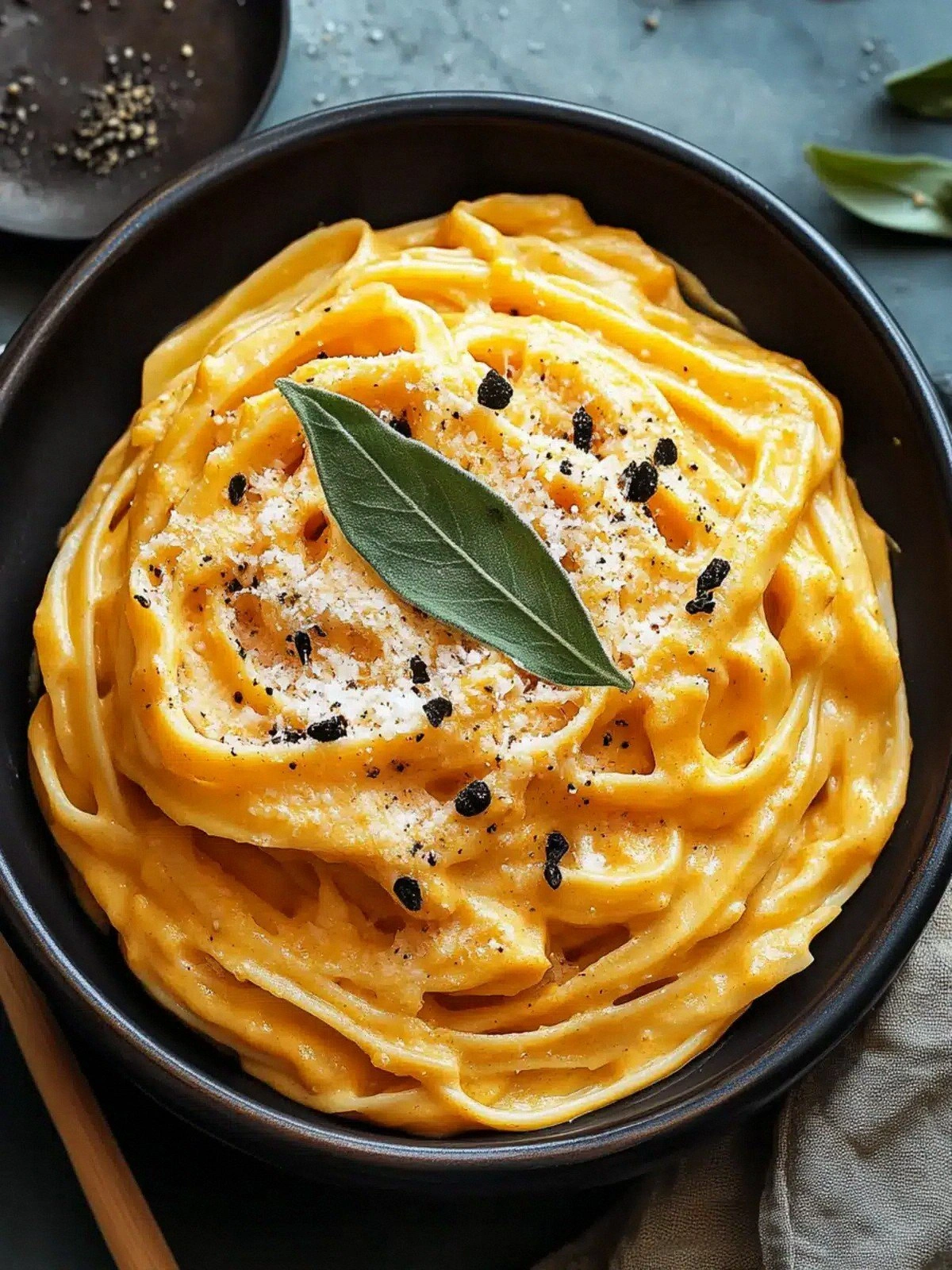
But what makes this version truly unforgettable is the meticulous attention to detail—from the choice of pasta to the final garnish. I used fresh sage leaves because their peppery bite cuts through the richness, and the extra grated Parmesan adds a salty crunch that lingers on the tongue. I dare you to taste this and not go back for seconds; it’s a dish that satisfies the soul and leaves you craving the next bite. I’ll be honest—by the end of the week I had already eaten half the batch before anyone else could get a spoon.
Most recipes get this completely wrong by skipping the step that allows the pumpkin to caramelize slightly before adding the cream. That tiny detail is what transforms an ordinary sauce into a silky, aromatic experience that feels like a warm blanket on a cold day. Picture yourself pulling this out of the oven, the whole kitchen smelling incredible, and every forkful being a comforting reminder that food can be both simple and spectacular. Let me walk you through every single step — by the end, you'll wonder how you ever made it any other way.
What Makes This Version Stand Out
- Taste: The pumpkin’s natural sweetness is balanced with a subtle nutmeg kick, creating a flavor profile that feels both familiar and adventurous. The crushed red pepper adds a gentle heat that lingers without overwhelming.
- Texture: The sauce coats the pasta like velvet, thanks to the heavy cream’s silky mouthfeel and the pumpkin puree’s smooth consistency. The fresh sage leaves add a slight crunch that keeps each bite interesting.
- Simplicity: Only ten ingredients, all of which you likely already have in your pantry or fridge. No need for exotic spices or complicated techniques.
- Uniqueness: The combination of pumpkin, sage, and a touch of nutmeg is rarely seen in pasta sauces, giving this dish a signature twist that stands out at dinner parties.
- Crowd Reaction: Friends who love comfort food love this, and skeptics of pumpkin are usually won over by the creamy, savory finish.
- Ingredient Quality: Using fresh sage and high‑quality Parmesan elevates the dish, turning a simple meal into a gourmet experience.
- Cooking Method: The sauté technique for garlic and sage creates a fragrant base that grounds the entire sauce in depth.
- Make‑Ahead Potential: The sauce can be prepared up to 24 hours ahead and reheated without losing its lusciousness, making it perfect for busy weeknights.
Alright, let's break down exactly what goes into this masterpiece...
Inside the Ingredient List
The Flavor Base
The foundation of any great sauce starts with aromatics, and here we’re using garlic and sage. The garlic, minced finely, releases a sweet, almost buttery aroma when sautéed, while the sage’s peppery bite adds depth. If you skip this step, the sauce will feel flat, lacking the fragrant undertone that ties everything together.
For the best results, use fresh garlic cloves rather than pre‑minced powder. Fresh garlic offers a brighter, more complex flavor. If you’re allergic to garlic, try a small amount of garlic-infused oil to mimic the aroma without the pungency.
The Texture Crew
Heavy cream is the star that gives the sauce its luxurious mouthfeel. It blends seamlessly with the pumpkin puree, creating a silky base that coats the pasta like velvet. Skipping the cream will leave the sauce thin and watery, turning the dish into an unremarkable mash.
If you’re watching calories, swap the heavy cream for half‑and‑half or a splash of milk. The sauce will be lighter, though it won’t have the same richness. To keep the sauce thick, add a small amount of flour or cornstarch slurry if needed.
The Unexpected Star
Ground nutmeg, a spice often associated with desserts, brings a warm, nutty undertone that complements the pumpkin’s sweetness. It’s a subtle addition, but it’s the difference between a good sauce and a memorable one. If you’re not a fan of nutmeg, a pinch of cinnamon can provide a similar warmth.
The crushed red pepper flakes add a gentle heat that balances the sweetness of the pumpkin. They also introduce a slight smoky note that enhances the overall flavor. If you prefer a milder dish, reduce the flakes to a quarter teaspoon.
The Final Flourish
Extra grated Parmesan at the end of cooking adds a salty, umami punch that lifts the sauce. It also provides a subtle crunch if you sprinkle it on top. Without this final touch, the dish would feel bland and under-seasoned.
The fresh sage leaves, chopped just before serving, bring a bright, herbal aroma that contrasts beautifully with the richness of the sauce. Their peppery bite is a counterpoint to the sweet pumpkin, creating a harmonious balance. If you’re out of sage, a few fresh thyme leaves can serve as a suitable substitute.
Everything's prepped? Good. Let's get into the real action...
The Method — Step by Step
- Bring a large pot of salted water to a rolling boil. Add the fettuccine and cook according to the package instructions until al dente—usually 8–10 minutes. While the pasta cooks, the water’s high sodium content ensures the noodles are seasoned from the inside.
- Heat the olive oil in a large skillet over medium heat. Add the minced garlic and sauté until fragrant, about 30 seconds. Be careful not to let it brown; a golden yellow aroma is the cue that it’s ready.
- Add the fresh sage leaves to the skillet and cook until they soften, about 1 minute. Their scent will fill the kitchen, creating an anticipation that makes the dish feel like a holiday feast.
- Pour in the pumpkin puree and stir until it’s fully incorporated. Let the mixture simmer for 2–3 minutes to develop a richer flavor. The pumpkin’s bright orange hue will start to deepen, signaling that it’s absorbing the aromatics.
- Reduce the heat to low and stir in the heavy cream. Allow the sauce to gently bubble, creating a silky texture that coats the pasta. Keep the heat low to prevent the cream from separating.
- Season with salt, black pepper, ground nutmeg, and crushed red pepper flakes. Taste and adjust the seasoning; the sauce should be savory with a hint of warmth. This is the moment of truth—if the seasoning feels flat, add a pinch more salt or pepper.
- Add the grated Parmesan cheese, stirring until it melts and thickens the sauce slightly. The cheese will add a salty richness that balances the cream. Watch the sauce’s consistency; it should be thick enough to cling to the pasta without being runny.
- Drain the cooked pasta, reserving a cup of pasta water. Toss the pasta in the skillet with the sauce, adding a splash of pasta water to loosen the mixture if needed. The pasta water’s starch will help the sauce cling to every strand.
- Serve immediately, garnishing with the extra grated Parmesan and a few fresh sage leaves. The final garnish adds a burst of color and a fresh herbal note that completes the dish.
That's it — you did it. But hold on, I've got a few more tricks that'll take this to another level...
Insider Tricks for Flawless Results
The Temperature Rule Nobody Follows
Keeping the sauce on low heat is essential to avoid separation. I’ve seen many people let the cream simmer at high heat, resulting in a lumpy sauce. The trick is to let it gently bubble, then lower the flame and stir constantly. This technique ensures a silky finish that clings beautifully to the pasta.
Why Your Nose Knows Best
Smell the sauce as it simmers; a toasty aroma indicates the garlic and sage have released their full flavor. If the scent is flat, give it a few more minutes. Your nose is the ultimate judge of depth and balance.
The 5-Minute Rest That Changes Everything
After you finish cooking, let the pasta rest in the skillet for five minutes before serving. This allows the sauce to thicken slightly and the flavors to meld. It also gives the pasta a chance to absorb the sauce fully, resulting in a more cohesive dish.
The Secret of Fresh Sage
Chop the sage just before serving to preserve its bright, peppery flavor. If you chop it earlier, the leaves wilt and lose their aroma. Fresh sage is the difference between a good dish and a memorable one.
The Creamy Touch
If you prefer a lighter version, replace half of the heavy cream with milk or a non-dairy alternative. The sauce will still be creamy, but with fewer calories. The key is to balance richness with flavor.
Creative Twists and Variations
This recipe is a playground. Here are some of my favorite ways to switch things up:
Spicy Cajun Kick
Swap the crushed red pepper flakes for a pinch of Cajun seasoning. The smoky heat adds a bold twist that pairs well with the pumpkin’s sweetness. This version is perfect for those who like their pasta with a little bite.
Lemon Zest Surprise
Add a tablespoon of freshly grated lemon zest to the sauce. The citrus brightens the dish, cutting through the richness. It’s an unexpected yet delightful contrast that keeps the palate refreshed.
Mushroom Medley
Sauté sliced mushrooms with the garlic and sage. Their earthy flavor complements the pumpkin, creating a deeper, more complex sauce. This variation is ideal for mushroom lovers and adds a hearty texture.
Pesto Fusion
Stir in a spoonful of basil pesto at the end of cooking. The herbal notes mingle with the sage, creating a layered flavor profile. This fusion is a great way to add a green, fresh dimension.
Smoked Salmon Garnish
Top the pasta with thin slices of smoked salmon for a luxurious twist. The saltiness of the salmon pairs beautifully with the creamy pumpkin sauce. This version elevates the dish into a gourmet entrée.
Vegetarian Boost
Add roasted butternut squash cubes to the sauce. Their caramelized sweetness enhances the pumpkin’s flavor while adding a satisfying bite. This variation keeps the dish vegetarian while still delivering a rich experience.
Storing and Bringing It Back to Life
Fridge Storage
Cool the sauce completely before transferring it to an airtight container. Store in the refrigerator for up to 3 days. The sauce will thicken slightly as it cools, so add a splash of milk or cream when reheating.
Freezer Friendly
Divide the sauce into freezer-safe portions and freeze for up to 2 months. Thaw overnight in the refrigerator before reheating. Adding a tablespoon of cream or milk during reheating restores the silky texture.
Best Reheating Method
Reheat gently over low heat, stirring frequently. Add a tiny splash of water or pasta water to keep the sauce from drying out. The result is a perfectly creamy sauce that tastes almost brand new.