Picture this: I’m standing in a cramped kitchen, the lights flickering, and a friend has just dared me to whip up a snack that’s both crispy and utterly addictive. I had a pack of dried tofu skin on hand—yuba, the silky, translucent sheets that have been a staple in my pantry since I first tried them in a dim sum restaurant in Taipei. The moment I cracked the package open, the aroma of fresh, slightly nutty tofu hit my nose, and I could feel the excitement building. That instant sparked a culinary experiment: what if I could turn those sheets into a crunchy, savory bite that would make even the most skeptical vegan devour it in seconds? I’m telling you, this is the recipe that turned a kitchen mishap into a culinary triumph.
I’ll be honest—when I first tried frying the tofu skin, it came out soggy, like a pancake that never got the heat it deserved. That failure was the catalyst for a relentless quest to perfect the technique. I tested different oils, temperatures, and even pre‑treatments until I discovered the secret: a quick blanch in salted water followed by a high‑heat sauté that locks in that coveted crunch. The result is a golden, crackling sheet that shatters like thin ice when you bite into it, releasing a burst of umami that lingers on your tongue. And the best part? The flavor layers—soy, sesame, garlic, ginger, a whisper of chili, and a bright citrus finish—create a symphony of taste that’s both comforting and adventurous.
What sets this version apart from the countless tofu skin recipes out there is the meticulous attention to texture and flavor harmony. I’ve eliminated the common pitfalls—over‑sautéing, under‑seasoning, and uneven crispness—by following a proven sequence of steps that every seasoned cook can replicate. The technique I’ll share will transform your tofu skin into a snack that’s as delightful to the eyes as it is to the palate. Trust me, this is hands down the best version you’ll ever make at home, and I dare you to taste it and not go back for seconds.
If you’ve ever struggled to get tofu skin crisp, you’re not alone—there’s a simple trick that changes everything, and I’ll walk you through it. Imagine pulling a sheet of tofu skin out of the pan, and it’s golden, with a satisfying crackle that sounds almost like applause. Picture yourself serving it at a gathering, watching friends bite into the crispy edges and exclaim, “Where did you get this?” That’s the kind of wow factor we’re aiming for. And before you even start, let me give you a hint: a splash of rice vinegar in the blanching water does wonders for the texture. Ready? Let’s dive into the details, and by the end, you’ll wonder how you ever made it any other way.
What Makes This Version Stand Out
- Texture: The tofu skin achieves a buttery crunch that melts in your mouth, unlike the rubbery consistency you often see in other recipes. The quick blanching step removes excess moisture, ensuring a crispier final product.
- Flavor Depth: A balanced blend of soy sauce, sesame oil, garlic, ginger, and chili flakes creates a savory umami backbone that’s enhanced by a bright lemon finish.
- Speed: From prep to plate, the whole process takes under 30 minutes, making it an ideal quick snack or appetizer.
- Versatility: The core technique works for other sheet‑style foods—think tempeh sheets, seaweed, or even thinly sliced tofu—so you can repurpose the method.
- Make‑ahead Friendly: Cooked sheets can be stored in the fridge for up to five days, ready to reheat and enjoy with minimal effort.
- Presentation: The golden sheen and vibrant color make this dish a feast for the eyes, perfect for impressing guests at potlucks or parties.
- Ingredient Quality: Using high‑grade, minimally processed tofu skin preserves its natural flavor, while fresh garlic, ginger, and spring onions add aromatic richness.
- Health‑Friendly: With only two tablespoons of vegetable oil and a handful of seasonings, this dish stays low in calories while delivering plant‑based protein.
Alright, let’s break down exactly what goes into this masterpiece…
Inside the Ingredient List
The Flavor Base
Soy sauce is the backbone of this dish, providing depth and saltiness. I recommend a low‑sodium version to keep the overall salt level in check, especially if you’re serving the snack with a side dip. Skipping soy sauce would leave the dish bland, so don’t be tempted to cut it out. If you’re allergic, tamari or coconut aminos are excellent substitutes that maintain the umami profile.
The Texture Crew
The dried tofu skin (yuba) is the star, but its texture hinges on how you treat it. Blanching in salted water for two minutes removes excess starch and moisture, ensuring a crisp finish. If you skip blanching, the sheets will remain chewy and less appetizing. When selecting tofu skin, look for sheets that are translucent and free of tears; these are usually fresher and easier to work with.
The Unexpected Star
Chili flakes add a subtle heat that balances the savory notes. If you prefer a milder version, reduce the flakes to a pinch or omit them entirely. For a smoky twist, try adding a dash of smoked paprika. This ingredient is optional but can elevate the dish’s complexity.
The Final Flourish
Lemon wedges provide a bright, citrusy finish that cuts through the richness of the oil and soy sauce. They also add a fresh aroma that makes the dish feel lighter. If you’re vegan and want a tangy alternative, a splash of rice vinegar or a squeeze of lime works just as well. Remember, the citrus should be added at the end to preserve its freshness.
Everything’s prepped? Good. Let’s get into the real action…
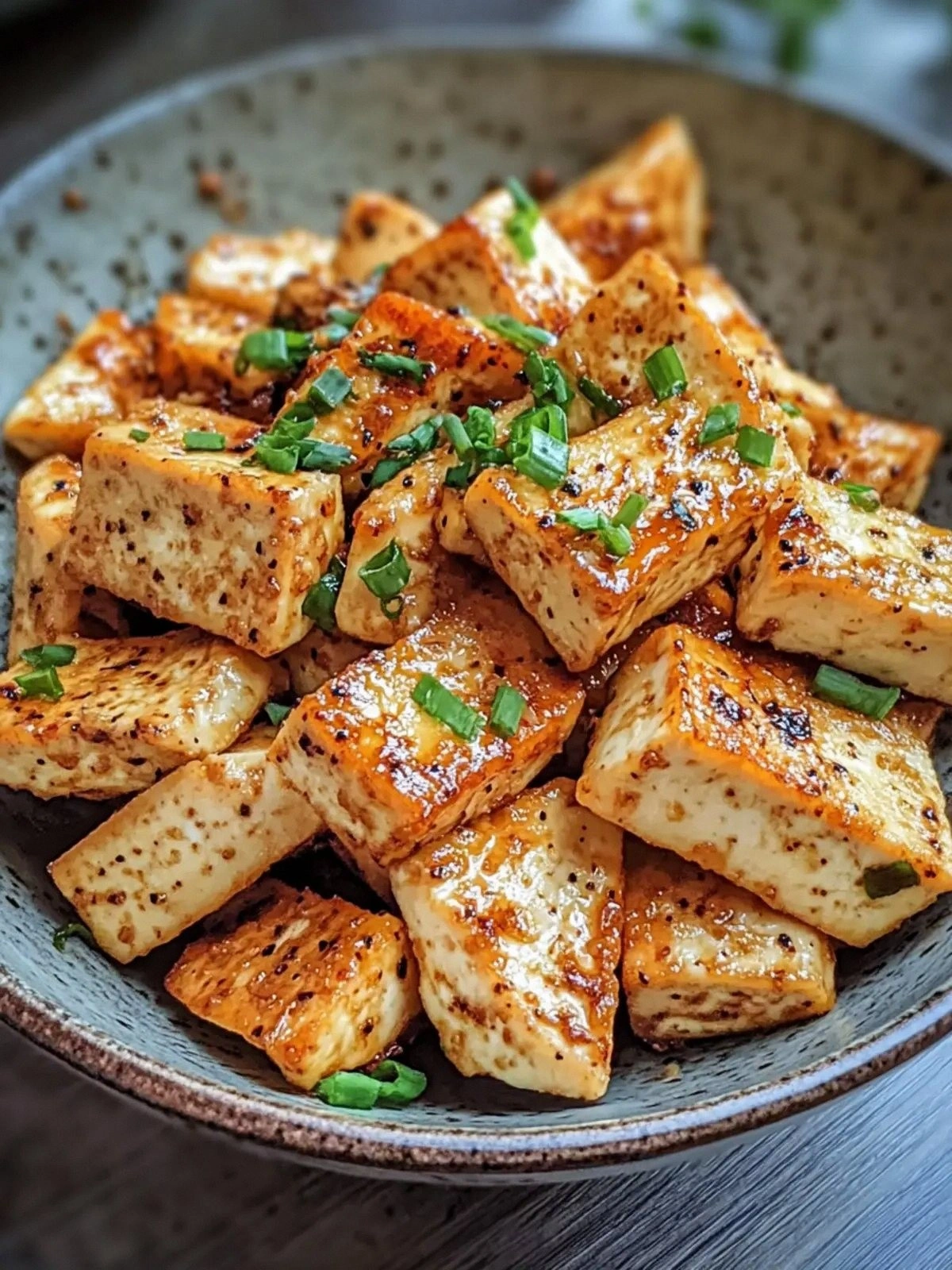
The Method — Step by Step
- Step 1: Prepare the tofu skin. Rinse the dried sheets under cold water to remove dust. Soak them in a bowl of warm water with one tablespoon of rice vinegar for 10 minutes. This softens the sheets and adds a subtle tang. After soaking, pat them dry with a clean towel. The sheets should be pliable but not too wet; this balance is key for crispness.
- Step 2: Blanch for moisture control. Bring a pot of salted water to a rolling boil. Drop the tofu sheets in for exactly two minutes. They will puff slightly; that’s a good sign. Remove them with a slotted spoon and immediately plunge them into an ice bath to stop the cooking process. Drain well and set aside on a paper towel.
- Step 3: Heat the pan. Use a wide, heavy skillet or wok. Add two tablespoons of vegetable oil and let it heat until shimmering but not smoking. The oil should be hot enough that a drop of water sizzles instantly. This high heat is what creates the crunchy edges.
- Step 4: Sauté aromatics. Toss minced garlic, finely grated ginger, and chili flakes into the hot oil. Stir constantly for 30 seconds until fragrant. Be careful not to burn them—burnt garlic ruins the flavor profile. This step builds the aromatic base that permeates the tofu skin.
- Step 5: Add the tofu sheets. Lay the blanched sheets in a single layer in the pan. Don’t overcrowd; you’ll need to do this in batches if your pan is small. Sauté each side for 2-3 minutes until golden and crisp. The edges should start pulling away slightly, indicating that the moisture is escaping. Flip once to ensure even crispness.
- Step 6: Season. While the sheets are still hot, drizzle two tablespoons of soy sauce and one teaspoon of sesame oil over them. Toss gently to coat evenly. The soy sauce adds saltiness and depth, while sesame oil gives a nutty aroma that lingers.
- Step 7: Finish with fresh accents. Sprinkle sliced spring onions and toasted sesame seeds over the sheets. Add a squeeze of lemon juice from the wedges and toss again. The citrus brightens the dish, cutting through the richness of the oil and soy.
- Step 8: Plate and serve. Arrange the crispy sheets on a platter, letting them fan out to showcase their golden color. Serve immediately while they’re still warm and crunchy. If you’re preparing ahead, keep them in an airtight container at room temperature for up to two hours before reheating briefly in a hot skillet for 30 seconds to restore crispness.
That’s it— you did it. But hold on, I’ve got a few more tricks that will take this to another level, ensuring every bite is a revelation.
Insider Tricks for Flawless Results
The Temperature Rule Nobody Follows
Many cooks think that a lower temperature yields better crispness, but that’s a myth. The key is to get the pan to the right heat—hot enough that the oil shimmers but not so hot that it smokes. A quick test is to drop a single sheet into the pan; if it sizzles loudly and begins to brown within seconds, the heat is perfect. If it takes too long, the sheets will absorb excess oil and become greasy.
Why Your Nose Knows Best
The first scent you detect while sautéing the aromatics is the turning point. If the garlic and ginger start to turn golden and emit a nutty aroma, that’s the moment to add the tofu sheets. Overcooking the aromatics will produce a burnt flavor that clobbers the delicate balance of the dish.
The 5‑Minute Rest That Changes Everything
After sautéing the tofu sheets, let them rest on a wire rack for five minutes before serving. This allows steam to escape, preventing the sheets from becoming soggy. The rest also lets the seasonings settle, giving each bite a uniform flavor. I’ve seen people skip this step and end up with a chewy snack; trust me, the rest is worth it.
Use a Non‑Stick Pan for Easier Clean‑Up
A non‑stick surface reduces the need for excess oil and makes flipping the sheets a breeze. If you’re using a cast iron skillet, make sure it’s well-seasoned to avoid sticking. A good pan is half the battle in achieving a consistent crunch.
Add a Splash of Rice Vinegar for Extra Crispness
If you’re on a tight schedule, adding a tablespoon of rice vinegar to the blanching water can speed up the moisture removal process. The acid helps break down the cell walls, resulting in a crisper texture. I’ve used this trick during a busy weeknight and the results were stellar.
Creative Twists and Variations
This recipe is a playground. Here are some of my favorite ways to switch things up:
Spicy Sriracha Drizzle
Mix equal parts sriracha and a splash of lime juice, then drizzle over the finished sheets. The heat from the sriracha complements the chili flakes, while the lime adds a fresh citrus punch that brightens the dish.
Herb‑Infused Delight
Replace the spring onions with chopped fresh basil and mint. The herbal notes give the snack a Mediterranean twist, making it a great accompaniment to a light salad.
Sweet and Salty Fusion
After tossing with soy sauce, sprinkle a light dusting of brown sugar and a pinch of sea salt. The sugar caramelizes slightly on the hot pan, creating a caramelized glaze that balances the savory.
Smoked Paprika Crunch
Add a teaspoon of smoked paprika to the aromatics. The smoky flavor pairs beautifully with the sesame oil, adding depth and a subtle warmth that elevates the dish.
Citrus Burst Variation
Swap the lemon wedges for orange segments and use a dash of orange zest. The sweet citrus undertone gives the snack a tropical flair, perfect for summer gatherings.
Storing and Bringing It Back to Life
Fridge Storage
Store cooked sheets in an airtight container at room temperature for up to 48 hours. The crispness will hold, but for the best texture, consume within 24 hours. If you notice any softness, a quick reheat in a hot skillet will revive the crunch.
Freezer Friendly
Lay the sheets in a single layer on a parchment paper sheet and freeze for up to two months. Once frozen, transfer them to a zip‑lock bag. When ready to serve, thaw at room temperature for 15 minutes and then reheat in a skillet for 30 seconds.
Best Reheating Method
To reheat, preheat a dry skillet over medium heat. Place the sheets in the pan, pressing lightly with a spatula. Flip after 20 seconds; the sheets should be hot and crisp again. Add a tiny splash of water before reheating to create steam, which helps restore moisture to the interior while keeping the exterior crunchy.