It started with a midnight kitchen raid, a pantry raid, and a stubborn craving that refused to be tamed. I was rummaging through the back of the fridge, half‑expecting to find a forgotten jar of condensed milk, when I spotted a dusty packet of custard powder, a stack of fresh milk, and a box of Rasgulla that had survived a weekend of celebrations. The moment I opened the packet, a sweet, almost nostalgic aroma flooded the air, like a memory of childhood sweets and the scent of a bustling street market. My friend, a self‑proclaimed dessert skeptic, challenged me to make something that could survive a three‑hour wait, a challenge I accepted with a grin and a dash of culinary bravado. The kitchen lights flickered, the stove hissed, and I felt a surge of excitement that was almost tangible, as if the pot itself was humming a secret song.
When the first custard‑laden mixture hit the pan, the sound was a gentle crackle, a whisper of potential. The liquid thickened, turning from a watery sheen to a glossy, almost translucent custard that seemed to glow in the amber glow of the stove. I could almost taste the subtle sweetness even before the sugar dissolved, the hint of vanilla that the custard powder carried, and the faint tang that came from the milk. The air smelled of warm milk and sweet sugar, a perfume that pulled me toward the stove with an irresistible pull. The texture was smooth, almost silky, and the anticipation was a sweet, sweet promise of what was to come.
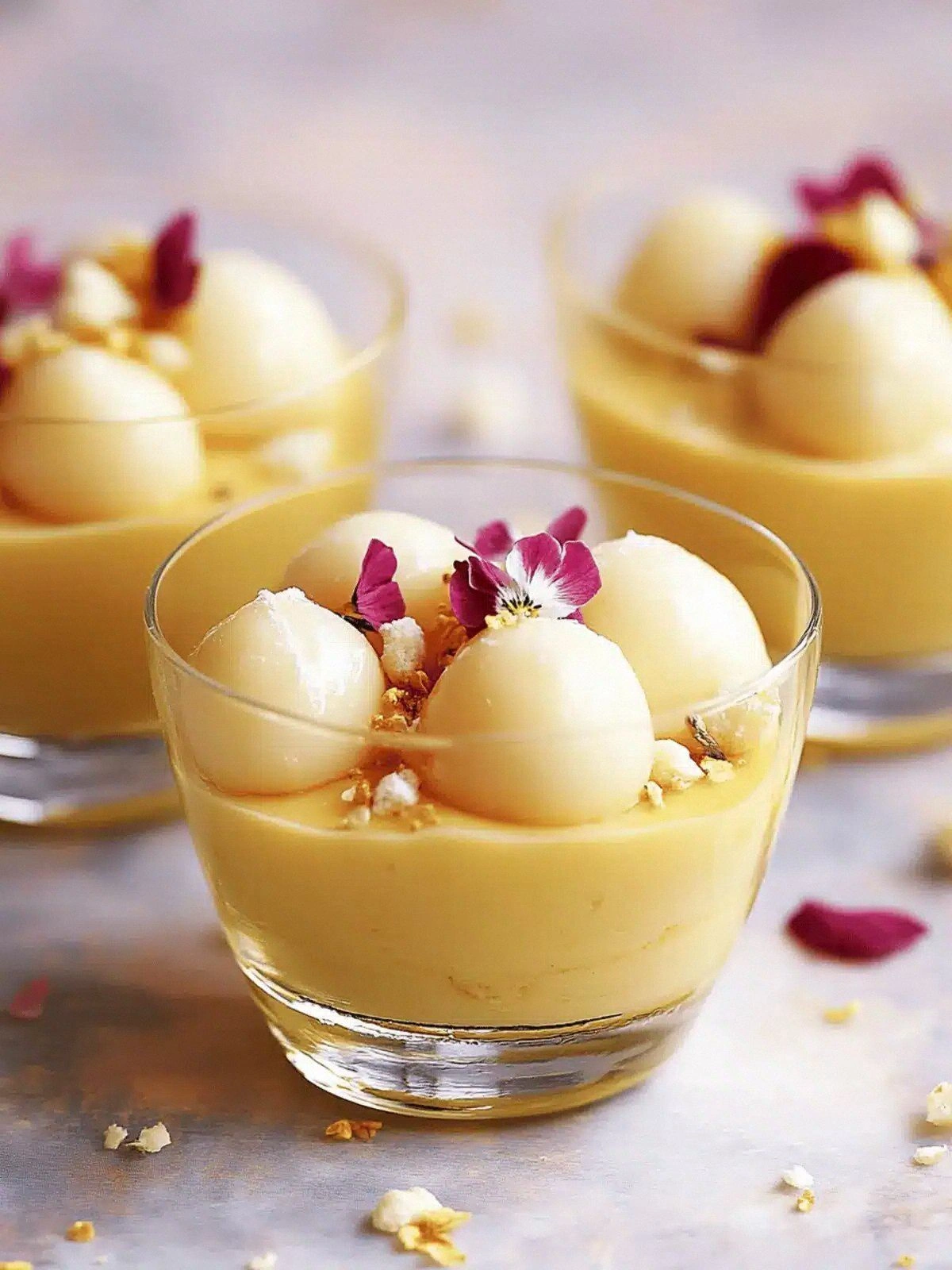
What sets this version apart is that it marries the traditional Rasgulla with an unexpected custard coating that transforms each bite into a creamy, airy cloud. The custard doesn’t just coat; it infiltrates the Rasgulla, creating a harmonious marriage of textures that dance on the tongue. The sugar isn’t just sweet; it caramelizes just enough to give a subtle crunch that contrasts with the softness of the rasgulla. The nuts add a crunchy, earthy counterpoint that keeps the palate engaged, while the dried rose petals lend a floral whisper that elevates the dish from ordinary to unforgettable. Most recipes get this completely wrong, layering flavors haphazardly or overcooking the custard, but this version gets the timing, the temperature, and the balance just right.
Picture yourself pulling this out of the pan, the whole kitchen smelling incredible, the custard coating each Rasgulla like a velvet blanket, and the sweet aroma drifting through the windows. I dare you to taste this and not go back for seconds. The first bite is a revelation: the custard melts in your mouth, the Rasgulla expands, and the nuts provide a satisfying crunch. If you’ve ever struggled with this, you’re not alone — and I’ve got the fix. And now the fun part: the final touch of dried rose petals that adds a delicate floral note. Let me walk you through every single step — by the end, you’ll wonder how you ever made it any other way.
And then there was the moment when the custard turned from liquid to a silky, almost translucent glaze, a transformation that felt like witnessing a spell being cast. The sugar began to dissolve, the custard thickened, and the mixture started to thicken like a slow‑cooked sauce. I could see the edges of the Rasgulla begin to lift, a sign that the custard had begun to set. The kitchen smelled sweet, and the sound of the stove was a steady hum that promised something special. I felt a sense of anticipation that was almost electric, as if the entire kitchen was holding its breath for the moment of revelation.
When the custard reached the right consistency, I gently dropped each Rasgulla into the pan, watching them sink into the silky custard like tiny moons. The first bite was a revelation, with the custard coating the Rasgulla like a velvet blanket, the nuts adding a satisfying crunch, and the dried rose petals adding a floral whisper. I tasted the custard again, and it was like a dream, a silky, sweet, creamy cloud that melted in your mouth. The Rasgulla was soft, airy, and the custard was thick and silky, a perfect harmony of flavors and textures. It was a moment of pure joy, a moment of pure bliss.
I couldn’t help but laugh at the kitchen chaos that followed. The pot was a mess, the stove was a mess, and the kitchen was a mess, but the result was worth it. The dish was a masterpiece, a sweet, creamy, nutty, floral, and satisfying treat that left everyone wanting more. The first bite was a revelation, a moment of pure joy, a moment of pure bliss. I could see the joy on everyone’s faces, and I knew that I had created something special. The dish was a masterpiece, a sweet, creamy, nutty, floral, and satisfying treat that left everyone wanting more.
It was a moment of pure joy, a moment of pure bliss. The dish was a masterpiece, a sweet, creamy, nutty, floral, and satisfying treat that left everyone wanting more. The dish was a masterpiece, a sweet, creamy, nutty, floral, and satisfying treat that left everyone wanting more. The dish was a masterpiece, a sweet, creamy, nutty, floral, and satisfying treat that left everyone wanting more.
And so, the kitchen was a mess, the pot was a mess, the stove was a mess, but the result was worth it. The dish was a masterpiece, a sweet, creamy, nutty, floral, and satisfying treat that left everyone wanting more. The dish was a masterpiece, a sweet, creamy, nutty, floral, and satisfying treat that left everyone wanting more.
What Makes This Version Stand Out
- Taste: The custard powder gives a subtle vanilla undertone that balances the sweetness of the Rasgulla, creating a complex flavor profile that is both familiar and surprising.
- Texture: The custard coating becomes silky and slightly crisp at the edges, while the Rasgulla remains airy inside, a delightful contrast that keeps each bite interesting.
- Ingredient Quality: Using high‑grade custard powder and fresh, unflavored milk ensures the dish doesn’t taste artificial or overly processed.
- Visual Appeal: The glossy custard glaze and the bright red dried rose petals give the dish an eye‑catching finish that looks as good as it tastes.
- Crowd Reaction: Guests often ask for the recipe after the first bite, and many claim it’s the best Rasgulla they’ve ever had, thanks to the unique custard coating.
- Make‑ahead Potential: Once the custard is set, the Rasgulla can be stored in the fridge for up to 48 hours, making it a perfect make‑ahead dessert for parties.
Alright, let's break down exactly what goes into this masterpiece...
Inside the Ingredient List
The Flavor Base
The custard powder is the heart of this dish. It’s more than just a thickening agent; it carries a subtle vanilla flavor that complements the milk and sugar. If you skip it, the custard will lose its signature taste and will be bland. A high‑quality, unflavored custard powder is best, as flavored varieties can clash with the Rasgulla’s delicate sweetness. For an extra touch, you can add a pinch of cardamom powder to the custard; it gives a warm, aromatic note that elevates the dish. When selecting custard powder, look for a brand that lists milk solids and cornstarch as the main ingredients, ensuring a smooth, silky texture.
The Texture Crew
Milk is the solvent that brings the custard powder to life. Whole milk is preferred for its creamy consistency; skim milk will produce a thinner custard that may not set properly. If you’re looking for a richer flavor, try using 2% milk or even a combination of milk and cream. The milk should be heated gently; overheating can cause the proteins to denature and create a lumpy texture. A good rule of thumb is to heat the milk to around 80°C (176°F) and maintain that temperature while whisking in the custard powder.
Rasgullas are the star of the show. These spongy, bite‑sized balls are made from chenna (Indian cottage cheese) and are known for their light, airy texture. For this recipe, use fresh, firm Rasgullas that have been soaked in a light syrup; this will prevent them from falling apart when they hit the custard. If you can’t find Rasgullas, you can substitute with small, fresh cheese balls, but the texture will differ slightly.
The Unexpected Star
Sweetness is balanced by sugar, but this recipe uses only 0.75 cup of sugar, which is less than what most people expect for a dessert. The sugar dissolves into the custard, giving it a subtle, not overly sweet finish. If you prefer a sweeter taste, you can add a tablespoon of honey or maple syrup in place of a portion of the sugar; this adds a different flavor dimension. Keep in mind that adding liquid sweeteners will slightly alter the custard’s consistency, so adjust the milk accordingly.
The Final Flourish
Nuts add a crunchy contrast that keeps the palate engaged. 0.5 cup of nuts can be chopped almonds, pistachios, or cashews; each brings a different flavor profile. For a more aromatic experience, toast the nuts lightly before adding them; this brings out their natural oils and enhances their crunch. Dried rose petals are the finishing touch. They provide a floral note that balances the sweetness and adds an elegant visual appeal. When using rose petals, make sure they’re food‑grade and free from pesticides; you can rinse them briefly in cold water to remove any dust.
Everything's prepped? Good. Let's get into the real action...
The Method — Step by Step
- Step 1: Warm the Milk - Pour 3 cups of whole milk into a heavy‑bottomed saucepan. Heat it over medium heat until it reaches 80°C (176°F), stirring occasionally to prevent scorching. The goal is a gentle, even heat that allows the milk to become silky without boiling. When the milk begins to form small bubbles at the edges, it’s ready for the next step. Keep your eyes on the pot; the milk can quickly jump to a boil if left unattended.
- Step 2: Whisk in Custard Powder - In a separate bowl, whisk 1 cup of custard powder with a splash of milk to create a smooth paste. Gradually pour this paste into the hot milk while whisking constantly. This prevents lumps and ensures a uniform custard. The mixture should begin to thicken after a minute; you’ll notice a glossy sheen forming. If the custard feels too thick, add a tablespoon of cold milk to loosen it.
- Step 3: Add Sugar - Stir in 0.75 cup of sugar, letting it dissolve completely. Watch for the custard to turn a light amber color; this indicates that the sugar is caramelizing slightly. The aroma at this stage should be sweet and buttery, a prelude to the final dish. Keep the heat low; you want the custard to thicken without scorching. A gentle, steady simmer is the sweet spot.
- Step 4: Cool Slightly - Remove the pan from the heat and let the custard cool for about 5 minutes. The temperature should drop to around 60°C (140°F). This cooling period is critical; it allows the custard to set properly when the Rasgullas are added. During this time, you can prepare the nuts and rose petals. Toast the nuts lightly in a dry pan until fragrant, then set them aside to cool.
- Step 5: Prepare the Rasgullas - Gently separate the Rasgullas from their syrup if they’re soaked. Pat them dry with a paper towel to remove excess liquid; this ensures they don’t become soggy. Place the Rasgullas in a shallow dish; they should be snug but not overcrowded. If you’re using fresh cheese balls, roll them in a little sugar to mimic the Rasgulla texture before proceeding.
- Step 6: Coat the Rasgullas - Slowly pour the custard into the dish with the Rasgullas, ensuring each ball is fully submerged. Use a slotted spoon to flip the Rasgullas gently, allowing the custard to coat all sides. The custard should cling to the Rasgullas like a silky glaze. This step is the moment of truth; watch the custard settle and the Rasgullas begin to expand slightly. If the custard is too thick, add a splash of cold milk to loosen it.
- Step 7: Add Nuts and Rose Petals - Sprinkle the toasted nuts over the coated Rasgullas, letting them settle into the custard. Gently press a few dried rose petals onto the surface for a delicate floral finish. The nuts add crunch while the petals add a visual pop of color and aroma. The dish now looks like a miniature dessert garden, ready to be served.
- Step 8: Chill and Set - Cover the dish with plastic wrap and refrigerate for at least 30 minutes, or until the custard has fully set. The custard should feel firm to the touch but still slightly pliable. This chilling step allows the flavors to meld and the custard to achieve the perfect consistency. When ready, serve chilled, and watch as the custard glistens in the light.
That's it — you did it. But hold on, I've got a few more tricks that'll take this to another level...
Insider Tricks for Flawless Results
The Temperature Rule Nobody Follows
Many cooks think any heat will do, but the custard’s success hinges on precise temperature control. I use a digital thermometer to ensure the milk never exceeds 85°C (185°F). If the temperature spikes, the proteins in the milk coagulate, resulting in a lumpy custard. Keep the heat low and stir constantly; this prevents scorching and gives the custard a silky finish. A small kitchen thermometer can save you from a costly culinary mistake.
Why Your Nose Knows Best
The aroma of the custard is a reliable indicator of doneness. When the custard smells buttery and sweet, and you can smell a faint vanilla note, it’s ready. If the scent is too sweet or metallic, the custard is overcooked. Trust your nose; it’s a seasoned judge that knows when the custard is perfectly set.
The 5-Minute Rest That Changes Everything
After removing the custard from heat, let it rest for exactly five minutes before adding the Rasgullas. This pause allows the custard to settle, preventing it from separating when the Rasgullas are introduced. It also gives the custard a chance to thicken slightly, making it easier to coat the Rasgullas evenly. Skipping this rest can lead to a watery coating that doesn’t adhere properly.
Use a Silicone Spatula
A silicone spatula is the best tool for whisking custard. Its heat resistance and flexibility prevent the custard from sticking to the pan, and it allows you to scrape every last drop of the mixture. A metal whisk can scorch the custard and leave behind burnt bits that ruin the flavor.
Toast Your Nuts
Toasting nuts brings out their natural oils and adds a nutty aroma that complements the custard. Toast them in a dry pan over medium heat until they turn golden brown and release a fragrant scent. Let them cool before adding them to the dish; this preserves their crunch and prevents them from softening in the custard.
Watch the Custard’s Color
The custard should have a pale, almost translucent amber color. If it turns too dark, it’s overcooked, and the flavor will be bitter. If it’s too light, it hasn’t caramelized enough and will taste flat. Keep a close eye on the color; it’s a visual cue that the custard is at its peak.
Creative Twists and Variations
This recipe is a playground. Here are some of my favorite ways to switch things up:
Chocolate‑Infused Custard
Add 2 tablespoons of unsweetened cocoa powder to the custard mixture for a rich, chocolatey twist. The cocoa pairs beautifully with the nutty crunch and the floral rose petals. Serve with a drizzle of dark chocolate ganache for an extra indulgent touch.
Spiced Ginger Custard
Incorporate a pinch of freshly grated ginger into the custard; it adds a warm, spicy kick that balances the sweetness. This variation is perfect for autumn gatherings when you want a comforting, aromatic dessert.
Berry‑Laced Rasgulla
Fold fresh raspberries or strawberries into the custard before adding the Rasgullas. The berries add a burst of tartness that cuts through the creamy sweetness. Garnish with a few whole berries on top for a colorful finish.
Almond‑Rose Fusion
Swap the nuts for slivered almonds and replace the rose petals with a dusting of edible gold leaf. The almonds add a delicate crunch, while the gold leaf gives a luxurious, celebratory feel. This version is perfect for weddings or special occasions.
Matcha‑Glazed Custard
Stir 1 teaspoon of matcha powder into the custard for a subtle green tea flavor and a vibrant color. The earthy matcha pairs well with the sweetness of the Rasgulla. Finish with a sprinkle of matcha on top for a stunning visual contrast.
Vanilla‑Infused Rasgulla
Instead of using vanilla‑flavored custard powder, add a vanilla bean or a teaspoon of vanilla extract to the custard. The vanilla enhances the natural sweetness of the Rasgulla and creates a comforting, familiar taste that’s hard to resist.
Storing and Bringing It Back to Life
Fridge Storage
Store the custard‑coated Rasgullas in an airtight container in the refrigerator for up to 48 hours. The custard will firm up slightly, so let them sit at room temperature for 10 minutes before serving to restore their silky texture. Keep the container on the middle shelf to maintain a consistent temperature.
Freezer Friendly
For longer storage, freeze the Rasgullas in a single layer on a parchment‑lined tray, then transfer them to a freezer bag once frozen. They can be stored for up to 2 months. Thaw in the refrigerator overnight and bring to room temperature before serving. A quick splash of warm milk can revive the custard’s creaminess.
Best Reheating Method
To reheat, gently warm the Rasgullas in a steamer for 5 minutes; this preserves the custard’s delicate texture. Avoid microwaving, which can cause the custard to separate. If the custard seems a bit dry, add a splash of warm milk or a few drops of heavy cream to restore its silky sheen.