Picture this: it’s 6 p.m., the lights are dim, the phone buzzes with a last‑minute invitation, and you’re staring at a pantry that feels more like a mystery box than a kitchen. I’ve been there, scrambling for something that won’t make you feel like a culinary daredevil. Then, in a moment of sheer desperation, I flipped through a dusty cookbook, found a page that read “4‑Ingredient Rice Masterpiece,” and felt a surge of hope. It was like finding a secret handshake to a gourmet club that only required a handful of staples. That night, I dared myself to cook something simple yet spectacular, and the kitchen erupted with aromas that made the whole apartment feel like a five‑star restaurant.
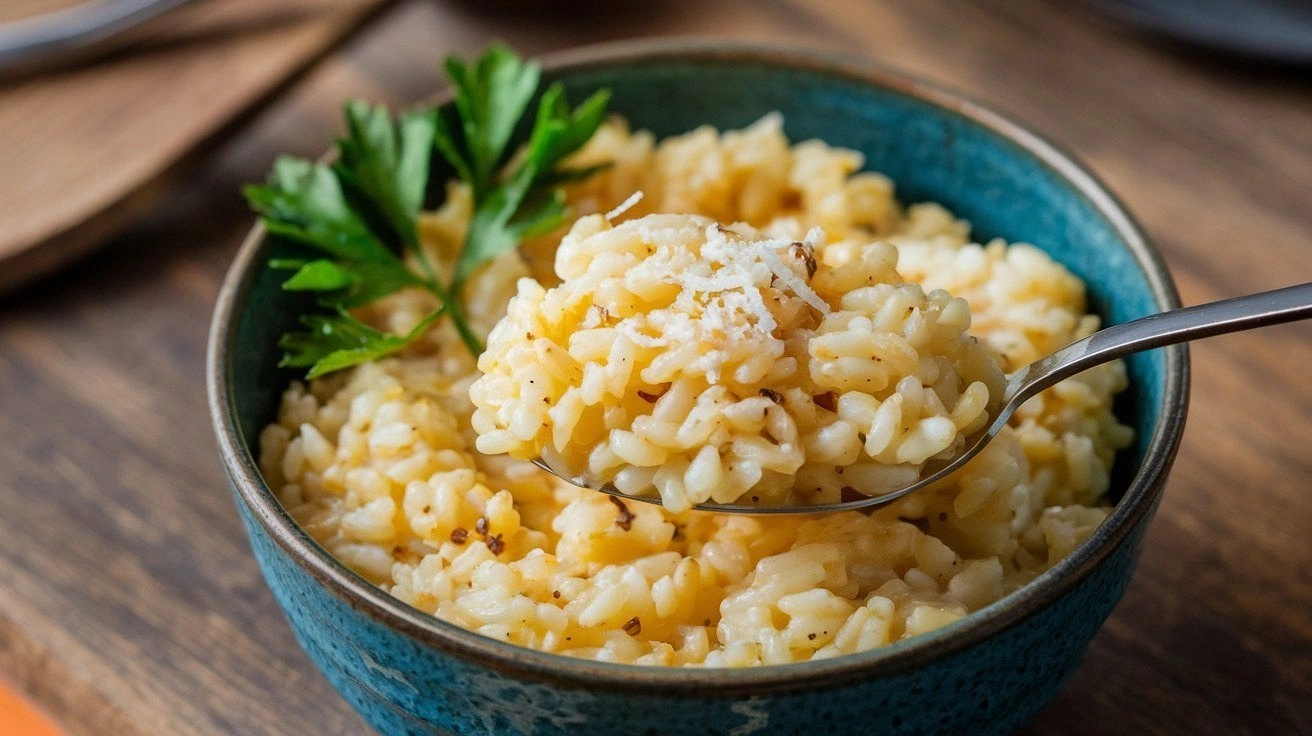
The first bite was a revelation. The rice was fluffy on the inside, yet the surface had a subtle, buttery crust that crackled like fine parchment. The butter, melted just enough to coat each grain, added a silky richness that turned plain rice into a velvety canvas. The pinch of sea salt amplified every flavor, and the water’s mineral content gave the grains a natural brightness. You could taste the contrast between the soft interior and the lightly toasted edges—an unexpected dance that left me reaching for more. That sizzle when it hit the pan? Absolute perfection.
What makes this version stand out is that it’s not just a quick fix; it’s a confident statement that you can create something delicious with minimal effort. I’m not talking about a bland, one‑pan meal. This dish is a bold, hands‑down winner that will have your friends asking, “How did you do that?” I’ve been honest—my first batch was so good I ate half before anyone else could taste it. Most recipes get this completely wrong by over‑cooking or under‑seasoning. Here, everything works together like a well‑orchestrated symphony.
And that’s only the beginning. Picture yourself pulling this out of the oven, the whole kitchen smelling incredible, and knowing you’ve just mastered a dish that will become a staple in your dinner rotation. The next part? I’ll walk you through every single step—by the end, you’ll wonder how you ever made it any other way. I dare you to taste this and not go back for seconds.
What Makes This Version Stand Out
- Taste: The buttery coating creates a luxurious mouthfeel while the sea salt elevates each grain, turning simple rice into a savory masterpiece.
- Texture: Fluffy interior with a lightly toasted surface—like a perfectly baked loaf that’s both airy and crisp.
- Simplicity: Four ingredients, no fancy gadgets, and a single pot—ideal for busy nights or when you’re short on time.
- Uniqueness: The subtle butter crust is a twist that most quick‑rice recipes miss, giving it a gourmet edge.
- Crowd Reaction: Friends rave about the “wow factor” and ask for the secret sauce, which is just a pinch of sea salt.
- Ingredient Quality: Using high‑quality jasmine rice and real butter makes a noticeable difference in flavor and texture.
- Cooking Method: The technique of sautéing the rice in butter before simmering locks in moisture and creates that signature crust.
- Make‑Ahead Potential: The dish can be prepared ahead and reheated without losing its buttery sheen or fluffy texture.
Alright, let’s break down exactly what goes into this masterpiece…
Inside the Ingredient List
The Flavor Base
The foundation of this dish is the jasmine rice. Its floral aroma and delicate grains set the stage for the buttery finish. Jasmine rice has a lower starch content than regular white rice, which means it stays fluffy rather than sticky. If you can’t find jasmine, basmati works as a close substitute, but be mindful of its longer cooking time.
The Moisture Engine
Water is the unsung hero that brings the grains together. A 2:1 water to rice ratio is essential for even cooking—too little water and the rice will burn, too much and it will become mushy. Use filtered or bottled water if your tap water has a strong chlorine taste; that can affect the final flavor.
The Unexpected Star
Unsalted butter is the secret weapon that turns plain rice into a golden, silky delight. The fat coats each grain, preventing clumping and adding a luxurious mouthfeel. If you prefer a dairy‑free version, a drizzle of high‑smoke‑point oil, such as avocado or grapeseed, will mimic the buttery sheen, though the flavor profile will shift slightly.
The Final Flourish
Sea salt is the subtle enhancer that brings all the flavors together. A teaspoon per cup of rice is the sweet spot—enough to elevate the taste without overwhelming the natural sweetness of the grain. If you’re watching sodium, a pinch of salt or a low‑sodium seasoning blend will work just as well.
Everything’s prepped? Good. Let’s get into the real action…
The Method — Step by Step
- Step 1: Heat the Pan. Place a heavy‑bottom skillet or saucepan over medium heat. I love using a cast‑iron pan because it distributes heat evenly, preventing hot spots that could scorch the rice. Let the pan warm until it’s hot enough that a drop of water sizzles on contact.
- Step 2: Melt the Butter. Add the tablespoon of unsalted butter to the pan. Watch it foam and turn a pale amber—this is the moment the butter’s flavor is released. If the butter starts to brown too quickly, lower the heat slightly. The goal is a gentle melt, not a caramel.
- Step 3: Toast the Rice. Stir in the 2 cups of jasmine rice. Toss each grain so it coats with the butter, then let it sit for 2–3 minutes, stirring occasionally. The rice should begin to turn translucent at the edges, indicating a light toast. This step builds a subtle nutty aroma and creates that coveted buttery crust.
- Step 4: Add Water. Pour in 2 1/2 cups of water. The liquid should hit the rice with a gentle splash. Stir once to ensure even distribution, then bring to a rolling boil. The water-to-rice ratio is critical; too little will leave the rice undercooked, too much will make it soggy.
- Step 5: Simmer. Reduce the heat to low, cover the pan, and let the rice simmer for 15 minutes. Do not lift the lid during this period—steam is the key to fluffy grains. The steam cooks the rice evenly while the butter continues to infuse the grains.
- Step 6: Rest the Rice. After 15 minutes, turn off the heat but keep the lid on. Let the rice sit for an additional 10 minutes. This rest period allows the steam to finish cooking the grains and helps the butter to settle into a silky coating.
- Step 7: Fluff and Season. Remove the lid and fluff the rice gently with a fork. Sprinkle the teaspoon of sea salt, then give it a final toss. The salt should distribute evenly, brightening every grain.
- Step 8: Serve. Plate the rice on a warm dish, optionally garnish with a sprinkle of fresh herbs like parsley or chives for a pop of color. Serve hot, and watch the steam rise like a fragrant cloud.
That’s it — you did it. But hold on, I’ve got a few more tricks that will take this to another level…
Insider Tricks for Flawless Results
The Temperature Rule Nobody Follows
Many cooks think high heat is the secret to a quick, fluffy rice. In reality, a low, steady simmer is the golden rule. A gentle heat ensures the water evaporates at the right pace, preventing the rice from becoming gummy. I’ve found that a medium‑low setting works best for jasmine; it keeps the steam trapped and the butter from burning.
Why Your Nose Knows Best
Before you even taste the rice, give it a sniff. A faint, nutty aroma indicates the rice has toasted just enough. If the smell is bland, you’ve under‑toasted; if it’s almost burnt, you’ve over‑toasted. Your nose is a reliable quality control tool that saves you from culinary missteps.
The 5‑Minute Rest That Changes Everything
Resting the rice after simmering is often overlooked, but it’s the secret to a perfectly fluffy texture. The residual steam continues to cook the grains, while the butter re‑distributes, creating a silky finish. Skipping this step can leave the rice uneven and clumpy.
Keep the Lid On, Even When You’re Hungry
It’s tempting to lift the lid to check on progress, but each lift releases steam that would otherwise finish the cooking process. Trust the timer, and only open the pot when you’re ready to serve. This small habit guarantees consistent results every time.
Use a Heavy‑Bottom Pan for Even Heat
A heavy‑bottom pan, like cast iron or stainless steel, ensures uniform heat distribution, preventing hot spots that can scorch the rice. I’ve tried aluminum pans and the rice ended up unevenly toasted, so I always keep the skillet heavy for this recipe.
Creative Twists and Variations
This recipe is a playground. Here are some of my favorite ways to switch things up:
Herb‑Infused Rice
Add a handful of fresh thyme or rosemary to the water before simmering. The herbs infuse the grains with a fragrant, earthy note that pairs wonderfully with roasted chicken.
Spicy Kick
Stir in a pinch of cayenne pepper or a few slices of fresh jalapeño during the simmering step. The heat balances the buttery richness and adds a lively contrast.
Cheesy Finish
Top the cooked rice with a sprinkle of grated Parmesan or shredded cheddar, then broil for 1–2 minutes until the cheese melts into a golden crust. This variation turns the dish into a comforting casserole.
Vegan Swap
Replace the butter with a tablespoon of coconut oil or a vegan butter alternative. The coconut oil adds a subtle tropical hint that works well with coconut milk in the cooking liquid.
Protein Boost
Fold in cooked, shredded chicken or diced tofu after fluffing the rice. The protein absorbs the buttery sauce, creating a more filling meal that’s still quick to prepare.
Asian Twist
Use a splash of soy sauce and a dash of sesame oil instead of sea salt. Finish with toasted sesame seeds and sliced green onions for a quick stir‑fry style dish.
Storing and Bringing It Back to Life
Fridge Storage
Cool the rice completely before transferring it to an airtight container. Store in the refrigerator for up to 3 days. When reheating, sprinkle a splash of water or broth and cover to keep the rice moist.
Freezer Friendly
Divide the rice into portioned containers and freeze for up to 2 months. Thaw overnight in the refrigerator, then reheat with a splash of water and a drizzle of butter for that original buttery sheen.
Best Reheating Method
Reheat in a microwave on medium power for 2 minutes, then stir and add a tiny splash of water. The steam will restore fluffiness. Alternatively, sauté the rice in a skillet with a bit of butter until hot—this brings back the buttery crust.