I was in a frantic scramble one night, trying to salvage a dinner that had already been a disaster. The rice was overcooked, the stir‑fry sauce had turned into a thick, syrupy mess, and my friends were waiting. I stared at the empty fridge and thought, “What if I could pull a quick, crowd‑pleasing dish out of nothing?” That thought sparked a midnight epiphany: beef lo mein. I grabbed a handful of noodles, sliced beef, and a bag of fresh veggies, and the kitchen transformed into a sizzling stage. The air was alive with the sharp scent of garlic, the crackle of hot oil, and the metallic tang of soy sauce. My taste buds tingled as the noodles danced in the pan, coating themselves in a silky, savory glaze.
If you’ve ever stared at a recipe that promises “easy” but feels like a chore, you’ll recognize the frustration. I’ve been there—counting tablespoons, measuring cups, and hoping the sauce doesn’t burn. This version, however, strips away the overwhelm. It’s about layering flavors, timing the sear, and letting the noodles soak up the sauce without getting mushy. The result is a dish that feels like a warm hug, yet bursts with crisp vegetables and tender beef. I dare you to taste this and not go back for seconds—once you try it, you’ll be hooked.
What makes this lo mein stand out? It’s the balance of textures: chewy noodles, snap‑crisp veggies, and succulent beef that melts in your mouth. The sauce isn’t just salty; it’s a velvety blend of sweet, umami, and a hint of sesame oil that coats every strand like velvet. The cooking method is a symphony of quick sears and gentle stir‑fry, ensuring nothing overcooks. And the best part? It’s so adaptable—you can swap beef for chicken or shrimp, noodles for rice, or add a splash of chili oil for heat. This isn’t just a recipe; it’s a toolkit for mastering quick, flavorful meals.
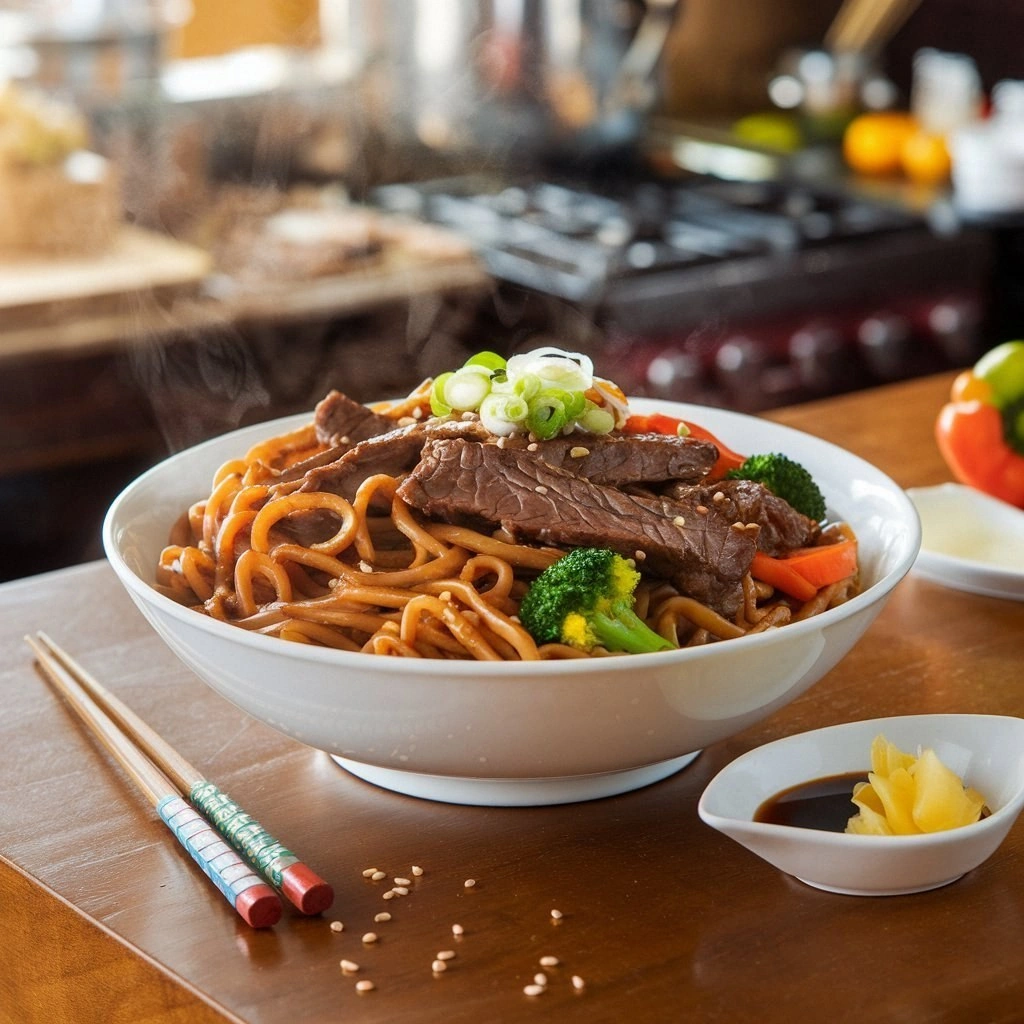
Picture yourself pulling this steaming bowl out of the skillet, the aroma filling the kitchen. The noodles glisten, the vegetables are bright and fresh, and the beef is perfectly marbled. The sauce shimmers, catching the light. You scoop a handful, the noodles twirl around your fork, and the flavors explode. You’ll be amazed at how simple ingredients can create such depth. Stay with me—by the end, you’ll wonder how you ever made it any other way.
What Makes This Version Stand Out
- Flavor: A harmonious blend of soy, oyster, and sesame oil creates a sauce that’s both sweet and savory, coating the noodles like velvet.
- Texture: The beef stays tender and juicy, while the vegetables retain their crispness, delivering a satisfying bite with every forkful.
- Speed: The entire dish comes together in under 45 minutes, perfect for weeknight dinners or last‑minute gatherings.
- Versatility: Swap the protein or noodles, and you have a new dish in minutes—no extra ingredients required.
- Authenticity: The sauce proportions mirror classic Chinese kitchens, giving you that restaurant‑style flavor without the travel.
- Make‑ahead Friendly: Store leftovers in the fridge for up to three days; reheat with a splash of water and the dish will feel fresh.
- Presentation: The vibrant colors of carrots, bell peppers, and scallions turn a simple bowl into a feast for the eyes.
- Community Reaction: Friends and family rave—most say, “This is hands down the best version you’ll ever make at home.”
Inside the Ingredient List
The Flavor Base
The sauce is the heart of this dish, a symphony of soy, oyster, sesame, and a touch of sugar. Soy sauce brings salty depth; oyster sauce adds umami richness; sesame oil offers a nutty aroma; sugar balances everything with a gentle sweetness. Skipping any of these will leave the dish feeling flat—like a song without its chorus. If you’re low on oyster sauce, a splash of hoisin or even a dash of Worcestershire can step in, but be prepared for a slightly different flavor profile.
The Texture Crew
Noodles are the backbone. Fresh egg noodles give that authentic chew, but dried ones work fine if you rehydrate them properly. The beef—flank, sirloin, or ribeye—should be sliced thinly against the grain; this keeps it tender and prevents chewiness. Vegetables like carrots, bell peppers, and bean sprouts add crunch, while cabbage contributes a mild bite that balances the richness of the sauce. If you prefer a lighter dish, swap cabbage for bok choy or kale.
The Unexpected Star
Scallions are the unsung hero. Their bright, oniony flavor lifts the dish without overpowering it. They also add a fresh, almost citrusy note that cuts through the richness. A pinch of white pepper can introduce a subtle heat, but keep it minimal to preserve the dish’s delicate balance. If you’re vegan, replace beef with tofu or tempeh and use tamari instead of soy sauce for a gluten‑free version.
The Final Flourish
A drizzle of sesame oil at the end brings a nutty aroma that elevates everything. A squeeze of fresh lime or a sprinkle of toasted sesame seeds can add brightness and texture. The aromatics—ginger, garlic, and onion—are the flavor engine, releasing their fragrance with each stir. Don’t skip them; they’re the difference between a bland stir‑fry and a dish that sings. If you’re short on time, garlic powder can be a quick substitute, but fresh is always better.
Everything's prepped? Good. Let’s get into the real action.
The Method — Step by Step
- Boil the noodles. Bring a large pot of salted water to a rolling boil. Add the noodles and cook until just al dente—about 3 minutes for fresh, 7 for dried. Drain, rinse with cold water, and toss with a teaspoon of sesame oil to keep them from sticking. Set aside and keep warm.
- Marinate the beef. In a bowl, combine the sliced beef with 1 tablespoon soy sauce, 1 teaspoon cornstarch, and a pinch of white pepper. Toss until coated. Let it sit for 10 minutes; this tenderizes the meat and creates a silky texture.
- Prepare the sauce. Whisk together 2 tablespoons soy sauce, 1 tablespoon oyster sauce, 1 teaspoon sesame oil, and 1 teaspoon sugar in a small bowl. Set aside; the sauce will coat the noodles and beef.
- Heat the wok. Place a large wok or skillet over high heat until it shimmers. Add 2 tablespoons of vegetable oil. When the oil is hot, add the minced ginger, garlic, and diced onion. Stir-fry for 30 seconds until fragrant—watch out for burning.
- Sear the beef. Push the aromatics to the side and add the marinated beef in a single layer. Let it sear for 1–2 minutes without stirring, then flip and cook until browned on all sides. Remove and set aside.
- Stir-fry the veggies. Add a splash more oil if needed. Toss in carrots, bell peppers, and cabbage. Stir-fry for 2 minutes, then add bean sprouts and scallions. Cook until veggies are just tender but still crisp.
- Combine everything. Return the beef to the pan. Add the cooked noodles and pour the sauce over the top. Toss vigorously to coat everything evenly. Cook for an additional 2 minutes, letting the noodles absorb the sauce.
- Final touches. Drizzle the remaining teaspoon of sesame oil over the dish, sprinkle toasted sesame seeds, and give one final stir. The aroma should be intoxicating—sweet, salty, and savory all at once.
- Serve. Ladle the hot, steaming bowl into a dish. Garnish with extra scallions if desired. The moment your first spoon hits the bowl, the sizzle in your mouth will say, “That sizzle when it hits the pan? Absolute perfection.”
That’s it—you did it. But hold on, I’ve got a few more tricks that will elevate this dish from good to unforgettable.
Insider Tricks for Flawless Results
The Temperature Rule Nobody Follows
High heat is your friend. Keep the wok or skillet at a roaring temperature; this ensures a quick sear and locks in juices. If the heat dips, the noodles will steam and lose their chew. I once tried cooking on medium, and the result was soggy noodles—lesson learned. Use a heavy pan, preheat for a minute, then add oil—watch the oil shimmer before adding ingredients.
Why Your Nose Knows Best
Smell is a powerful guide. As the aromatics sauté, the scent should become more intense, indicating that the garlic and ginger are releasing their oils. If you smell a burnt edge, pull the pan off the heat immediately. Your nose will tell you when the sauce is ready to coat the noodles without sticking.
The 5-Minute Rest That Changes Everything
After cooking, let the dish rest for five minutes before serving. This allows the flavors to meld and the noodles to settle. A friend once skipped this step and got a dish that tasted rushed. The rest period brings depth and balance, making every bite harmonious.
Add a Splash of Water Before Reheating
If you’re reheating leftovers, add a tablespoon of water or broth. This reintroduces moisture, preventing the noodles from drying out. Gently stir and heat on low until steaming. The dish will taste fresh, not reheated.
Use Fresh Scallions for Extra Brightness
Fresh scallions add a crisp, oniony finish. Slice them thinly and scatter them over the finished dish. The contrast between the warm noodles and the cool scallion snap is a delightful finish. If you’re in a hurry, frozen scallions work, but fresh is always superior.
Creative Twists and Variations
This recipe is a playground. Here are some of my favorite ways to switch things up:
Spicy Szechuan Twist
Add a tablespoon of Szechuan peppercorns and a splash of chili oil to the sauce. The peppercorns give a numbing heat that’s classic in Sichuan cuisine, while the chili oil adds a smoky kick. This version is perfect for those who like their meals with a punch.
Veggie‑Rich Buddha Bowl
Replace beef with tofu cubes and add snow peas, broccoli, and sliced mushrooms. Keep the sauce the same. Serve over steamed rice or quinoa for a wholesome, plant‑based bowl that still feels indulgent.
Gluten‑Free Noodle Swap
Use rice noodles or zucchini noodles (zoodles) instead of egg noodles. The texture changes slightly, but the sauce still clings beautifully. This is ideal for those avoiding gluten or looking for a lower-carb option.
Thai‑Inspired Coconut Curry Lo Mein
Replace the soy sauce with coconut aminos, add a tablespoon of red curry paste, and stir in a splash of coconut milk. The result is a creamy, aromatic dish with a tropical flair that pairs wonderfully with lime wedges.
Breakfast Lo Mein
Add a fried egg on top and sprinkle with scallion oil. The runny yolk adds richness, while the egg’s texture contrasts with the noodles. Serve with a side of pickled ginger for a quick, satisfying breakfast.
Weekend Meatball Lo Mein
Make small beef meatballs and simmer them in the sauce before adding the noodles. The meatballs release their juices, creating a thicker sauce that clings to the noodles. It’s a hearty, comforting twist perfect for weekend gatherings.
Storing and Bringing It Back to Life
Fridge Storage
Store leftovers in an airtight container for up to three days. Keep the noodles separate from the sauce if you want to reheat them individually. When ready to eat, reheat the noodles and sauce separately and combine for a fresh texture.
Freezer Friendly
Freeze the dish in a freezer‑safe container for up to two months. When thawing, let it sit in the refrigerator overnight, then reheat gently on the stove with a splash of water to restore moisture.
Best Reheating Method
Reheat the dish over medium heat, stirring occasionally, until steaming. Add a tablespoon of water or broth to keep the noodles from drying out. Finish with a drizzle of sesame oil for that fresh, aromatic finish.