Picture this: I was staring at a half‑cooked batch of ramen that had lost all its charm, the noodles limp, the broth flat, and the only thing that could salvage it was a daring splash of Buldak sauce. That night, a friend dared me to turn that disaster into a steaming bowl of fiery wonder, and I couldn't resist. I grabbed the ingredients, lit the stove, and the kitchen filled with an aroma that felt like a fireworks show on a quiet evening. The sizzling garlic and ginger sang a duet that promised something unforgettable. That moment, I realized a simple recipe could become a headline act if you play the right notes. And that’s where our Easy Buldak Soup Ramen story begins.
From the first crackle of oil to the last swirl of sesame seeds, every sensory cue is a cue to get ready for a taste adventure. The broth bubbles like a miniature cauldron, the noodles glisten with a glossy sheen, and the heat rises in a gentle, comforting wave. My eyes follow the steam, my nose leans toward the smoky, umami‑rich scent, and my taste buds twitch in anticipation. I can almost taste the peppery bite of the sauce coating the noodles like velvet, while the chicken offers a juicy, tender contrast. The sound of the broth simmering is like a lullaby that tells you the kitchen is alive. It’s this harmony of sights, sounds, smells, and textures that makes this recipe feel like a personal celebration.
What sets this version apart from the countless ramen variations out there is not just the boldness of the Buldak sauce, but the way it is layered with fresh ingredients that elevate the dish to a new level of complexity. I’ve tweaked the classic recipe by adding a splash of toasted sesame oil, a hint of ginger that cuts through the heat, and a generous amount of scallions that add a bright, green contrast. The result is a soup that is both fiery and fragrant, with a depth that keeps you coming back for more. It’s the kind of dish that makes you question how you ever survived on bland instant noodles. The sauce coats the noodles like velvet, and the chicken thighs bring a meaty richness that balances the spice. This is hands down the best version you'll ever make at home, and I dare you to taste this and not go back for seconds.
Picture yourself pulling this out of the stove, the whole kitchen smelling incredible, the steam curling like a dragon’s breath, and the sound of the first spoonful echoing like applause. The anticipation is almost as thrilling as the dish itself, and I’ve discovered that the secret to a great bowl lies in the little details that often get overlooked. If you've ever struggled with ramen that feels too thin or too bland, you're not alone, and I've got the fix. Stay with me here—this is worth it. Let me walk you through every single step—by the end, you'll wonder how you ever made it any other way.
What Makes This Version Stand Out
- Flavor: The Buldak sauce is the heart of the dish, delivering a punch of heat that is tempered by the subtle sweetness of soy and the nutty depth of toasted sesame. Each spoonful is a cascade of umami that lingers on the palate.
- Texture: The chicken thighs are simmered to a melt‑in‑your‑mouth tenderness that contrasts beautifully with the chewy noodles, while the broth maintains a silky consistency that clings to every grain.
- Simplicity: With just a handful of ingredients, this recipe keeps the process straightforward, yet the outcome feels like a gourmet creation crafted in minutes.
- Uniqueness: The combination of Buldak sauce and fresh aromatics transforms a standard ramen into a bold, aromatic experience that feels both exotic and comforting.
- Crowd Reaction: Friends who taste it often leave a second bowl on the plate, and the dish has become a go‑to when hosting game nights or quick family dinners.
- Ingredient Quality: Using fresh chicken thighs, real ginger, and freshly sliced scallions elevates the flavor profile beyond what pre‑made sauces can deliver.
- Make‑Ahead Potential: The soup can be prepared ahead of time and re‑heated without losing its vibrant taste, making it a perfect option for busy weekdays.
Inside the Ingredient List
The Flavor Base
At the heart of the soup lies the Buldak sauce, a fiery Korean condiment that balances heat, sweetness, and umami. Its complex flavor profile is what transforms the broth from ordinary to extraordinary. If you skip this sauce, the dish loses its signature kick and depth. For a milder version, replace half the sauce with a touch of honey, but the original experience will remain unmatched.
Chicken broth provides a savory canvas that carries the sauce’s heat while adding a comforting richness. The broth’s protein content also helps bind the flavors together, creating a cohesive taste that lingers. A low‑sodium alternative can be used if you’re watching salt intake, but be sure to taste and adjust accordingly. The broth’s clarity allows the noodles to shine without overwhelming them.
Fresh ginger and garlic add bright, zesty undertones that cut through the heat and prevent the dish from feeling one‑dimensional. They also bring anti‑inflammatory benefits that make the meal feel both indulgent and wholesome. If you’re allergic to garlic, substitute with garlic powder, but the aroma will be less pronounced.
Soy sauce balances the overall flavor with its salty, slightly sweet character. It also deepens the broth’s color, making the dish visually appealing. For a gluten‑free version, use tamari, but note that the taste will be slightly different.
The Texture Crew
The ramen noodles are the star of the texture game, offering a chewy bite that pairs perfectly with the tender chicken. Using fresh noodles yields a softer chew, but dried noodles work well if you’re short on time. Avoid over‑cooking the noodles; they should retain a slight resistance to maintain a satisfying mouthfeel.
Chicken thighs, when cooked to the right temperature, become juicy and melt‑in‑your‑mouth. Their fat content adds richness to the broth, creating a silky mouthfeel that coats the noodles. If you prefer a leaner option, substitute with skinless chicken breast, but the texture will be firmer.
Scallions add a crisp, fresh crunch that contrasts with the soft noodles and tender meat. Their mild onion flavor lifts the dish, preventing it from feeling too heavy. If you’re not a fan of raw scallions, lightly sauté them for a milder taste.
Toasted sesame seeds provide a subtle nutty crunch and a burst of aroma that elevates the dish’s overall texture. They also add a slight crunch that breaks up the uniformity of the broth. If you’re allergic to sesame, omit them, but consider adding a pinch of crushed pistachios for a different crunch.
The Unexpected Star
Vegetable oil is the unsung hero that brings everything together. It carries the aromatics and prevents the garlic and ginger from sticking to the pan, ensuring a smooth cooking process. A high smoke point oil like canola or peanut is ideal for this dish, as it withstands the heat without breaking down.
Although the recipe calls for a modest amount of oil, its presence is critical for achieving that glossy sheen on the noodles. The oil also helps distribute the heat evenly, preventing hot spots that could burn the sauce. If you’re aiming for a lower calorie version, reduce the oil by half, but expect a slightly drier texture.
When you pour the oil into the pan, you’ll notice a subtle shimmer that signals the pan is ready. This visual cue is an early indicator that the aromatics will sauté properly, creating a fragrant base for the broth. Over‑heating the oil can cause bitterness, so keep an eye on the temperature.
In addition to cooking, the oil serves as a medium for the sesame seeds to adhere, ensuring that each bite receives a hint of nutty flavor. It also adds a subtle richness that balances the acidity of the sauce and the saltiness of the soy. If you’re vegan, simply replace the oil with a plant‑based alternative like avocado oil.
The Final Flourish
Scallions not only contribute crunch but also provide a fresh, bright note that cuts through the richness of the broth. Their delicate flavor brightens the overall taste and adds a visual pop of green, making the dish more appetizing. If you prefer a milder onion flavor, use green parts only and discard the white stalks.
Toasted sesame seeds add a nutty aroma and a subtle crunch that enhances the mouthfeel. They also contribute a slight earthy sweetness that balances the heat of the sauce. A pinch of toasted sesame seeds can also act as a visual cue that the dish is ready, as they give the broth a golden sheen.
Finally, a splash of fresh ginger’s zing brings a bright, citrusy lift that prevents the dish from feeling too heavy. The ginger’s natural warmth complements the Buldak sauce’s heat, creating a harmonious balance. If you’re sensitive to ginger, reduce the amount or replace it with a pinch of ground ginger.
Everything's prepped? Good. Let's get into the real action...
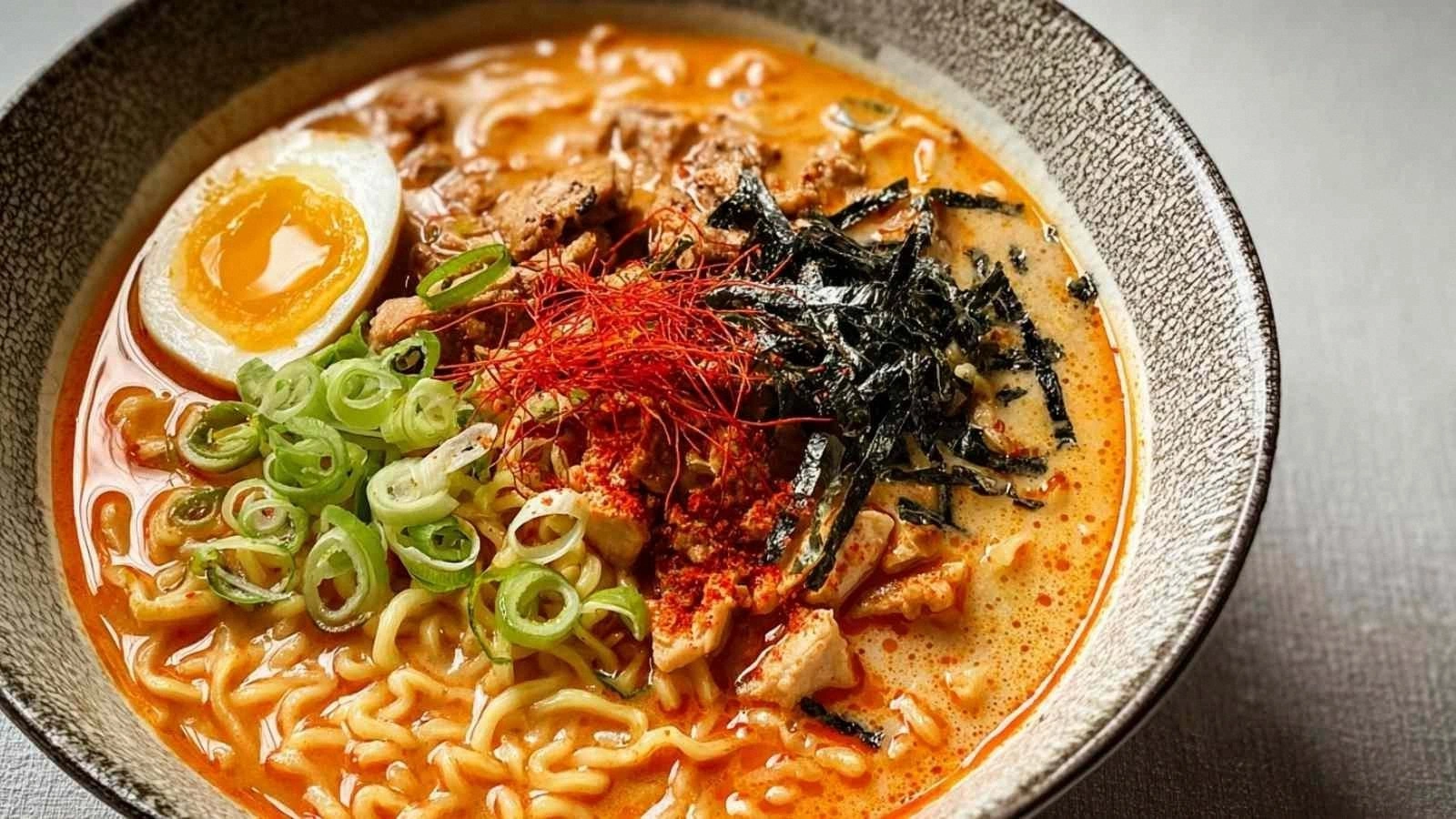
The Method — Step by Step
- Heat the vegetable oil in a large pot over medium heat until it shimmers. Add the minced garlic and ginger, stirring constantly to prevent burning. The aromatics should release a fragrant perfume within 30 seconds, signaling the pan is ready. Keep an eye on the heat; if the mixture starts to darken, lower the flame.
- Add the diced chicken thighs to the pot, browning them on all sides. This step locks in moisture and builds a savory base. Stir occasionally so the pieces cook evenly. The chicken should develop a golden crust before you move to the next step.
- Pour in the chicken broth, scraping any browned bits from the bottom of the pot. Bring the mixture to a gentle boil, then reduce to a simmer. The broth should bubble lightly, releasing steam that carries the aroma of the sauce. Let it simmer for 10 minutes to allow the flavors to meld.
- Stir in the Buldak sauce and soy sauce, ensuring they are fully incorporated. The broth will darken and thicken slightly, taking on a glossy sheen. Taste the mixture; it should be spicy yet balanced by the sweetness of the sauce. If you prefer a hotter kick, add a pinch of red pepper flakes.
- Introduce the ramen noodles, breaking them into smaller pieces if desired. Cook for 4-5 minutes, or until the noodles reach al dente. Stir occasionally to prevent sticking. The noodles should absorb the broth, becoming tender yet firm.
- Add the scallions, reserving a handful for garnish. The scallions will soften slightly, releasing their bright flavor. Stir gently to distribute the green spears throughout the soup. This step also adds a splash of color that makes the dish visually appealing.
- Finish with toasted sesame seeds and a drizzle of sesame oil. The seeds add a nutty crunch while the oil gives the broth a silky finish. Taste again; the broth should feel rounded and complete. If it feels too thin, let it simmer uncovered for a minute to reduce.
- Serve the soup hot, garnishing with the reserved scallions and an extra sprinkle of sesame seeds. The bowl should emit steam that curls like a dragon’s breath. The first spoonful will deliver a burst of heat, followed by the comforting umami of the broth.
- Enjoy immediately, or let it cool before refrigerating. The dish maintains its flavor for up to 48 hours in the fridge. When reheating, add a splash of water to restore the broth’s silkiness.
- Clean the pot promptly to avoid the sauce drying onto the surface. Rinse with hot water and a mild dish soap. A quick wash keeps the pot ready for your next culinary adventure.
That's it — you did it. But hold on, I've got a few more tricks that'll take this to another level...
Insider Tricks for Flawless Results
The Temperature Rule Nobody Follows
Many cooks assume that a high heat is always better, but when simmering broth, a low, steady heat preserves delicate flavors. Keep the pot at a gentle simmer to avoid scorching the sauce. This slow extraction allows the soy and Buldak sauce to meld seamlessly, resulting in a richer broth.
Why Your Nose Knows Best
Before you taste the soup, pause and inhale deeply. The aroma will tell you if the balance is right—if it’s too oily, add a splash of water; if it’s too salty, a pinch of sugar can cut the brine. Your nose is a reliable guide to fine‑tuning the final flavor.
The 5-Minute Rest That Changes Everything
After cooking, let the soup sit covered for 5 minutes. This short rest allows the noodles to finish absorbing the broth, ensuring each bite is uniformly flavored. I’ve seen people skip this step, only to find the noodles unevenly seasoned.
Layering Umami Like a Pro
Introduce a splash of fish sauce at the end of cooking for a deeper umami punch. This subtle addition is a secret weapon that elevates the dish from good to unforgettable. A tiny amount goes a long way, so add it sparingly.
Finishing Touches That Pop
Finish with a drizzle of chili oil and a squeeze of fresh lime. The heat from the oil and the citrus zing create a contrast that awakens the palate. These finishing touches are optional but highly recommended for an extra layer of complexity.
Creative Twists and Variations
Spicy Kimchi Kick
Replace half of the chicken thighs with diced kimchi for a fermented, tangy twist. The kimchi’s acidity balances the heat while adding a crunchy texture. This variation is perfect for those who love a bold, fermented flavor profile.
Vegetarian Buldak
Swap the chicken for sliced tofu or tempeh. Marinate the protein in Buldak sauce for 20 minutes before cooking. The tofu will absorb the spicy sauce, delivering a plant‑based version that still satisfies the craving.
Seafood Surprise
Add shrimp or scallops during the final simmer. Their quick cooking time keeps the seafood tender, and the sea flavor complements the soy‑based broth. This version is ideal for seafood lovers looking for a quick, upscale meal.
Gluten‑Free Option
Use rice noodles or gluten‑free ramen noodles in place of the standard wheat noodles. The texture will differ slightly, but the broth’s flavor will remain intact. This adjustment makes the dish accessible to those with gluten sensitivities.
Breakfast Buldak
Serve the soup with a soft boiled egg and a side of toasted bread. The egg’s yolk adds richness, while the bread offers a satisfying crunch. This breakfast version turns the dish into a hearty, protein‑packed start to the day.
Party‑Size Batch
Double the ingredients to feed a crowd, or use a large stock pot for a communal bowl. Keep the sauce ratio consistent to avoid diluting the heat. This variation works well for game nights or potlucks.
Storing and Bringing It Back to Life
Fridge Storage
Cool the soup to room temperature before refrigerating. Store it in an airtight container for up to 48 hours. When reheating, bring it to a gentle simmer over low heat to preserve the broth’s silky texture.
Freezer Friendly
Freeze the soup in freezer‑safe bags, removing excess air to prevent freezer burn. It will keep for up to 2 weeks. Thaw overnight in the fridge and reheat gently, adding a splash of water if needed.
Best Reheating Method
Reheat the soup on the stovetop, adding a small amount of water to maintain moisture. Stir frequently to prevent scorching. The result is a broth that feels freshly made, with noodles that still hold their bite.