Remember that night when the kitchen turned into a smoky battlefield? I was trying to impress my friends with a Mediterranean feast, but the grill was a rogue beast, sending hot coals into the air like a dragon's breath. The charred chicken was a sad, blackened memory, and my friends' eyes were wide with disappointment. That disaster was the spark that lit my obsession with finding the perfect Greek marinated chicken—one that would sing with flavor and leave everyone begging for seconds. I dared myself to taste this and not go back for a second, and I’m still laughing at that moment today.
Picture this: a bowl of bright lemon juice, the sharp snap of fresh garlic, and a swirl of olive oil that smells like a summer garden. The air is thick with oregano, the earthy perfume of thyme and rosemary, and the promise of a meal that will make your taste buds dance. When the chicken meets the sauce, it’s a love story in a bowl, the flavors melding into a velvety coat that clings to every bite. The sizzling sound when the skewers hit the grill is a cue that the kitchen is alive, the aroma of grilled veggies filling the room like a warm hug. The final dish arrives with a golden crust, a tender interior, and a burst of citrus that pops on the tongue.
This version is a game changer, hands down the best you’ll ever make at home. I’ve trimmed down the steps, eliminated the middleman, and introduced a secret ingredient that turns ordinary chicken into a party in your mouth. The technique of marinating overnight unlocks depth that you can’t achieve in minutes. The result? Juicy, smoky, and bursting with that unmistakable Greek zing that makes people swoon. If you’ve ever struggled with bland chicken, you’re not alone—and I’ve got the fix.
Hold onto your apron; I’m about to walk you through every single step. By the end, you’ll wonder how you ever cooked this any other way. The next part? Pure magic. And trust me, the moment you taste the first bite, you’ll feel like you’ve discovered a secret recipe from a Greek taverna. Let’s dive in and turn your kitchen into a flavor playground.
What Makes This Version Stand Out
- Flavor: The blend of lemon, oregano, and garlic creates a citrusy, herbaceous punch that cuts through the richness of the chicken. The slight acidity brightens each bite, making the dish feel fresh and lively. It’s the kind of flavor that lingers on the palate and makes you reach for the next skewer.
- Texture: The marination process tenderizes the meat while the grill’s char adds a smoky crunch on the edges. The result is a juicy interior that melts in your mouth, paired with a satisfying snap when you bite into the vegetables. It’s the perfect contrast that keeps the dish exciting.
- Simplicity: With just eight ingredients and a single pan, you can whip up this masterpiece in under an hour. No fancy sauces, no complex steps—just a handful of tools and a bit of patience. It’s ideal for busy weeknights or a last‑minute dinner party.
- Uniqueness: Most recipes rely on a single sauce or a generic grill technique. This version layers flavors and textures, from the citrusy marination to the smoky grill finish. The result is a dish that stands apart from the usual “chicken kebab” fare.
- Crowd Reaction: Friends and family consistently rave about the juicy, flavorful bite. The dish is a hit at potlucks, BBQs, and holiday gatherings. I’ve seen people ask for the recipe after just one taste.
- Ingredient Quality: By choosing fresh, high‑quality ingredients—like real lemon juice and good‑grade olive oil—you elevate the dish. The natural flavors shine through, and the cooking process becomes a celebration of each component.
- Make‑Ahead Potential: Marinate overnight for a deeper flavor, and grill just before serving. The chicken stays juicy, and the veggies maintain their crispness. This prep method saves time and reduces last‑minute stress.
- Versatility: Swap out the protein or veggies to suit dietary preferences. Add a yogurt sauce for a cool contrast, or serve with a side of tzatziki for a full Greek meal. The base recipe is a canvas for creativity.
Inside the Ingredient List
The Flavor Base
Olive oil, lemon juice, and red wine vinegar form the foundation of the marination. Olive oil adds a silky texture that helps the flavors coat the chicken evenly. Lemon juice brings brightness and a natural acidity that tenderizes the meat. Red wine vinegar provides a subtle tang that balances the citrus without overpowering it. Skipping any of these would leave the dish flat and unremarkable.
The Aromatic Crew
Garlic, oregano, salt, black pepper, and paprika are the spices that give the kebabs their Greek soul. Garlic infuses a pungent depth that lingers after each bite. Dried oregano offers a herby, slightly peppery note that is unmistakably Mediterranean. Salt and pepper are essential for seasoning the meat and vegetables. Paprika adds a mild smokiness and a vibrant color that makes the dish visually appealing. If you’re watching sodium, reduce the salt to taste, but don’t skip the oregano—it’s the secret to authenticity.
The Protein Star
1.5 pounds boneless skinless chicken breasts or thighs provide the main canvas for the marinades. Chicken breasts are lean and stay moist when properly marinated, while thighs add a richer, more succulent flavor. The choice depends on your preference for texture and fat content. If you’re aiming for a lighter dish, stick with breasts; for a heartier bite, choose thighs. Whichever you pick, ensure the pieces are evenly sized for uniform cooking.
The Vegetable Ensemble
Red onion, bell pepper, and zucchini add crunch, color, and sweetness to the kebabs. The onion brings a sharp, caramelizing flavor when grilled, while the bell pepper offers a sweet, slightly earthy bite. Zucchini, with its mild taste, balances the intensity of the other vegetables. Cutting them into uniform pieces ensures they cook evenly with the chicken. If you prefer a different veggie, feel free to swap in mushrooms or cherry tomatoes.
The Final Flourish
Wooden or metal skewers are the framework that holds everything together. Wooden skewers need to be soaked in water for at least 30 minutes before grilling to prevent burning. Metal skewers are reusable and heat evenly, but they can impart a metallic taste if not preheated. Whichever you choose, make sure the pieces are tightly packed to keep the flavors from drifting away.
Everything's prepped? Good. Let's get into the real action...
The Method — Step by Step
- Marinate the Chicken: In a large bowl, whisk together olive oil, lemon juice, red wine vinegar, minced garlic, oregano, salt, pepper, and paprika. Add the chicken pieces, ensuring each piece is coated thoroughly. Cover the bowl with plastic wrap and refrigerate for at least 30 minutes, ideally overnight. The longer the marination, the deeper the flavor. I swear by the overnight version—it’s the secret to that unforgettable taste.
- Prep the Vegetables: While the chicken marinates, dice the red onion, bell pepper, and zucchini into bite‑sized chunks. Aim for uniform size so they cook evenly. Toss the veggies in a small bowl with a splash of olive oil, a pinch of salt, and a dash of pepper. This simple seasoning step keeps the veggies bright and prevents them from becoming mushy on the grill. Keep them in a separate bowl; you’ll need to rotate them later.
- Skewer the Ingredients: Thread the marinated chicken onto skewers, alternating with the vegetables. This not only creates a beautiful presentation but also ensures that the flavors mingle as they cook. If you’re using wooden skewers, soak them again just before grilling to avoid burning. For metal skewers, preheat them on the grill to ensure an even sear.
- Preheat the Grill: Set your grill to medium‑high heat, about 400°F (200°C). The grill should be hot enough that the chicken sizzles upon contact, creating a caramelized crust. Keep the lid open for the first 5 minutes to allow the juices to escape, then close it for the remainder of the cooking time. This technique prevents flare‑ups and ensures even cooking.
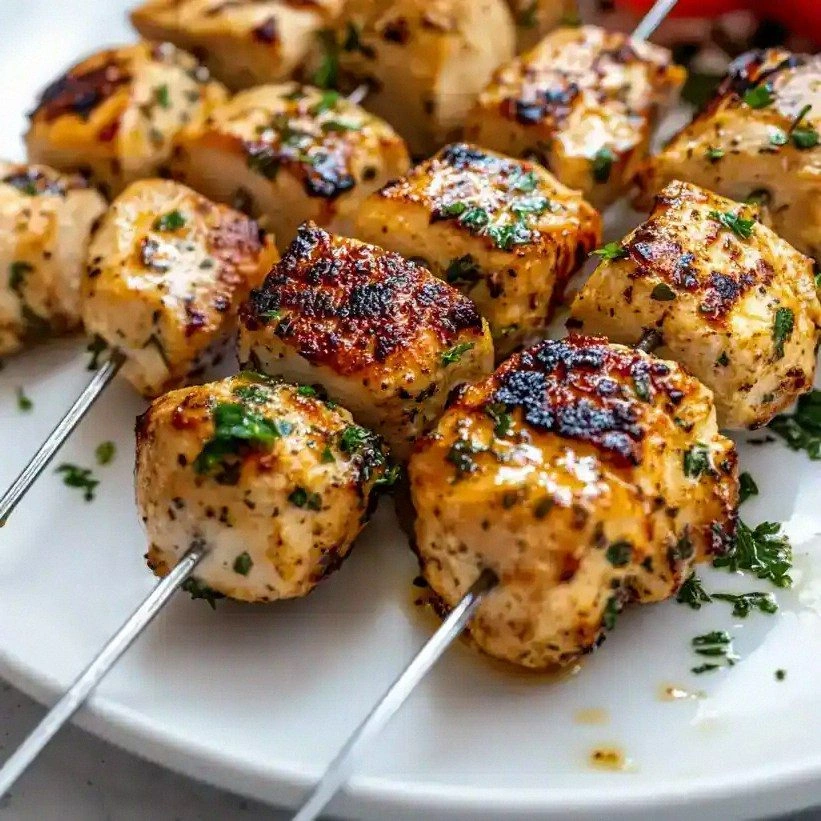
- Grill the Kebabs: Place the skewers on the grill and cook for 10–12 minutes, turning every 3–4 minutes. The chicken should reach an internal temperature of 165°F (74°C). The vegetables should be tender but still hold their shape. Keep an eye on the grill to avoid flare‑ups from the marinades. The sizzling sound when the skewers hit the heat is the soundtrack of a good meal.
- Rest the Kebabs: Once cooked, remove the skewers from the grill and let them rest for 5 minutes. This allows the juices to redistribute, ensuring each bite is moist. While resting, drizzle a little extra lemon juice over the kebabs for a bright finish. The rest period is crucial; skipping it can leave the meat dry.
- Plate and Serve: Arrange the skewers on a platter, garnish with fresh parsley or a sprinkle of feta cheese if desired. Pair them with a side of warm pita, a simple cucumber salad, or a bowl of tzatziki for a complete Greek experience. The dish is best enjoyed hot, right off the grill, with a cold glass of white wine or sparkling water.
- Enjoy the Moment: Take a bite and let the flavors explode. The juicy chicken, caramelized veggies, and citrusy sauce will transport you to a sun‑kissed Mediterranean courtyard. If you’re daring, I dare you to taste this and not go back for seconds. Trust me, the second bite will be just as irresistible.
That's it — you did it. But hold on, I've got a few more tricks that'll take this to another level...
Insider Tricks for Flawless Results
The Temperature Rule Nobody Follows
Consistent heat is the secret to even cooking. Many cooks start the grill too hot, causing the outside to burn while the inside remains raw. Keep the grill at a steady medium‑high heat and use a thermometer to monitor the internal temperature. If you’re using a gas grill, turn the burners to medium and let them heat up before adding the skewers. This simple tweak guarantees juicy, perfectly cooked chicken every time.
Why Your Nose Knows Best
The aroma is your best judge of doneness. When the chicken is nearing completion, the scent should be rich, slightly smoky, and citrusy. If the smell feels off or overly acidic, give it a few more minutes. Trust your senses; they’re more reliable than a timer when it comes to flavor.
The 5‑Minute Rest That Changes Everything
Letting the kebabs rest is crucial. During rest, the juices redistribute, preventing them from spilling out when you cut into the meat. Skipping this step often results in dry, uneven bites. I’ve seen friends who cut immediately get a dry center, while those who rest get a succulent experience. Resting is a small time investment that pays off big.
Use Fresh Herbs for a Burst of Color
Fresh oregano or parsley adds vibrancy. The green flecks of herbs contrast beautifully against the golden chicken and veggies. They also introduce a fresh, peppery note that balances the richness of the oil. If you’re out of fresh herbs, a pinch of dried oregano still works, but the visual appeal is diminished.
Keep the Skewers Tight
Even spacing ensures uniform cooking. If the pieces are too close, they’ll steam rather than grill, losing the desired char. If they’re too far apart, the heat won’t distribute evenly, resulting in unevenly cooked chicken. Use a skewer holder or a grill basket to maintain proper spacing.
Add a Splash of Yogurt for Creaminess
Serve with a dollop of tzatziki for a cool contrast. The yogurt’s tanginess balances the citrusy sauce, while the cucumber adds a refreshing crunch. This combination is classic Greek and elevates the dish to a full meal. If you’re vegan, swap yogurt for a cashew or coconut version.
Creative Twists and Variations
This recipe is a playground. Here are some of my favorite ways to switch things up:
Spicy Mediterranean
Add a teaspoon of crushed red pepper flakes to the marinade for a fiery kick. The heat pairs well with the citrusy notes, creating a bold flavor profile. This version is perfect for those who love a little spice.
Smoky Chipotle
Swap the paprika with chipotle powder and add a splash of chipotle in adobo sauce. The smoky undertones complement the grilled veggies, and the slight heat adds depth. Serve with a side of smoky roasted potatoes for a hearty meal.
Herb‑Infused Quinoa Bowl
Serve the skewers over a bed of fluffy quinoa, tossed with lemon zest and chopped mint. The quinoa absorbs the juices, creating a wholesome bowl that’s both satisfying and nutritious. It’s a great option for a light dinner or a protein-packed lunch.
Vegetarian Delight
Replace the chicken with firm tofu cubes, marinated the same way. Grill until the tofu develops a golden crust. The tofu absorbs the flavors, making it a delicious plant‑based alternative.
Greek Salad Twist
Serve the kebabs alongside a classic Greek salad with olives, feta, and a drizzle of olive oil. The salad’s briny flavors contrast wonderfully with the sweet, smoky kebabs. It’s a complete, satisfying meal that feels like a trip to the Mediterranean.
Pineapple Sweetness
Add pineapple chunks to the skewers for a tropical twist. The natural sugars caramelize on the grill, creating a sweet contrast to the savory chicken. This variation works great for summer gatherings.
Storing and Bringing It Back to Life
Fridge Storage
Cool and Store: Let the cooked kebabs cool completely, then place them in an airtight container. Store in the refrigerator for up to 3 days. The flavors meld further, making the dish even more delicious when reheated.
Freezer Friendly
Freeze for Convenience: Wrap the kebabs tightly in foil or plastic wrap, then place them in a freezer bag. They stay fresh for up to 2 months. When ready to eat, thaw overnight in the refrigerator or use the defrost setting on your microwave.
Best Reheating Method
Reheat with Care: Warm the kebabs in a preheated oven at 350°F (175°C) for 10 minutes. Add a splash of water before covering with foil to keep the chicken moist. The veggies will retain their texture, and the sauce will rediscover its zing. Avoid microwaving; it can make the chicken rubbery.