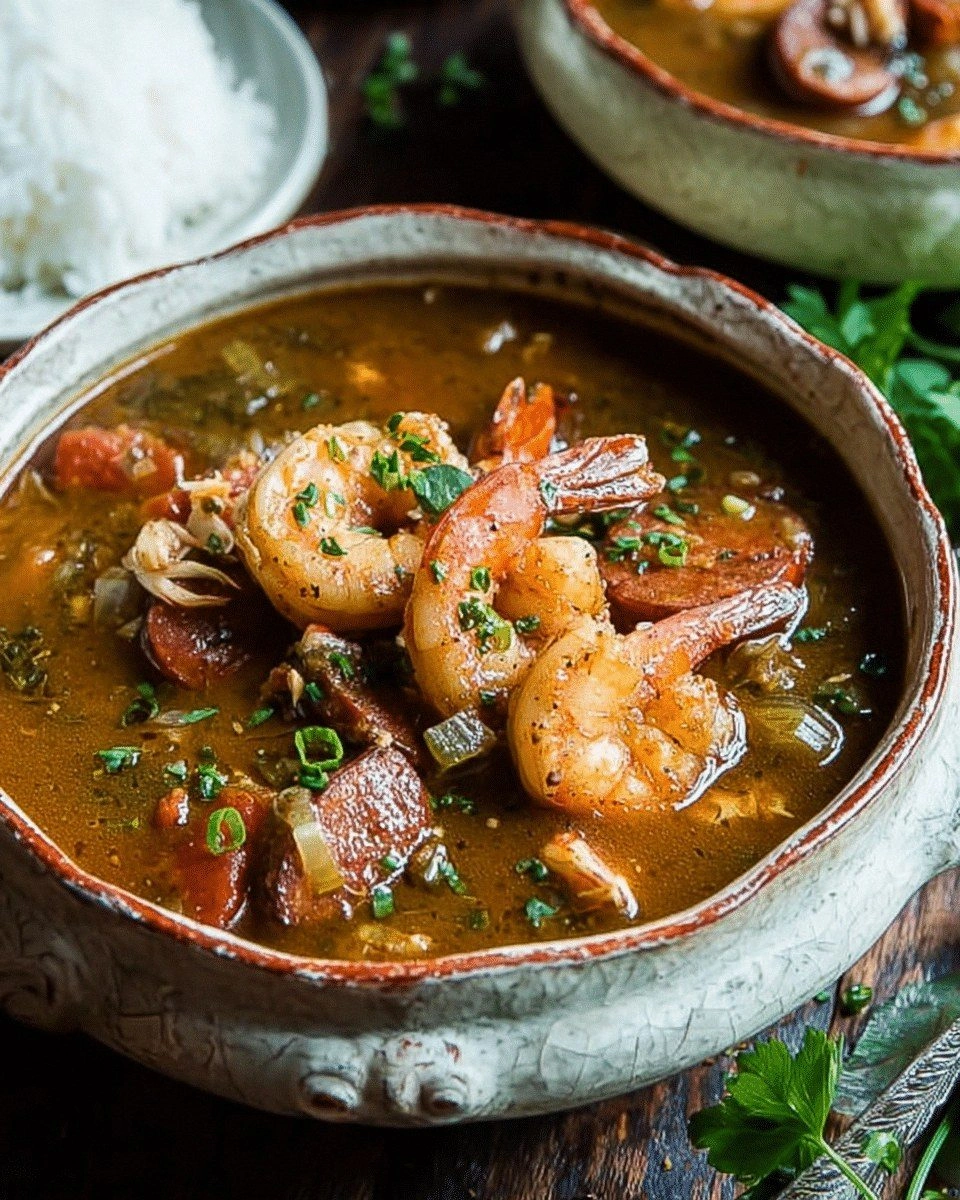
Okay, picture this: I’m in my tiny kitchen, the smoke alarm screaming like a banshee because I tried to “shortcut” a Thai yellow curry paste by tossing a jar of store‑bought curry into a pan. The result? A flavor that reminded me of cardboard left out in the rain. I swore off Thai food for a week, but then a friend dared me to make the real thing from scratch, insisting it would be “worth the sweat.” I accepted the challenge, grabbed a stack of fresh herbs, a handful of spices, and set out on a culinary quest that would change my dinner game forever. This isn’t just a recipe; it’s a redemption story, a battle won against blandness, and a dare you can’t refuse.
When you finally get that first whiff of the paste simmering, it’s like a tropical sunrise exploding in your nostrils. The scent of lemongrass mingles with the earthy perfume of turmeric, while the heat from the dried Thai chilies sneaks up on you like a mischievous cat. The pan hisses, the oil shimmers, and you can practically hear the curry announcing its arrival. I’ll be honest — I ate half the batch before anyone else got a taste, and that was the best thing I ever did. If you’ve ever struggled with a bland, watery curry that tastes like it’s missing its soul, you’re not alone — and I’ve got the fix.
What makes this version truly stand out is the balance between heat, aromatics, and that silky, buttery mouthfeel that only a properly emulsified paste can deliver. Most recipes get this completely wrong, either overloading you with chili or drowning the subtleties under a cloud of oil. Here, I’ve honed each step so the flavors layer like a perfect symphony, and the texture stays smooth enough to coat a spoon without clumping. I’m daring you to taste this and not go back for seconds; that would be a culinary crime. The secret? A tiny splash of lemongrass paste that adds brightness without overwhelming the palate.
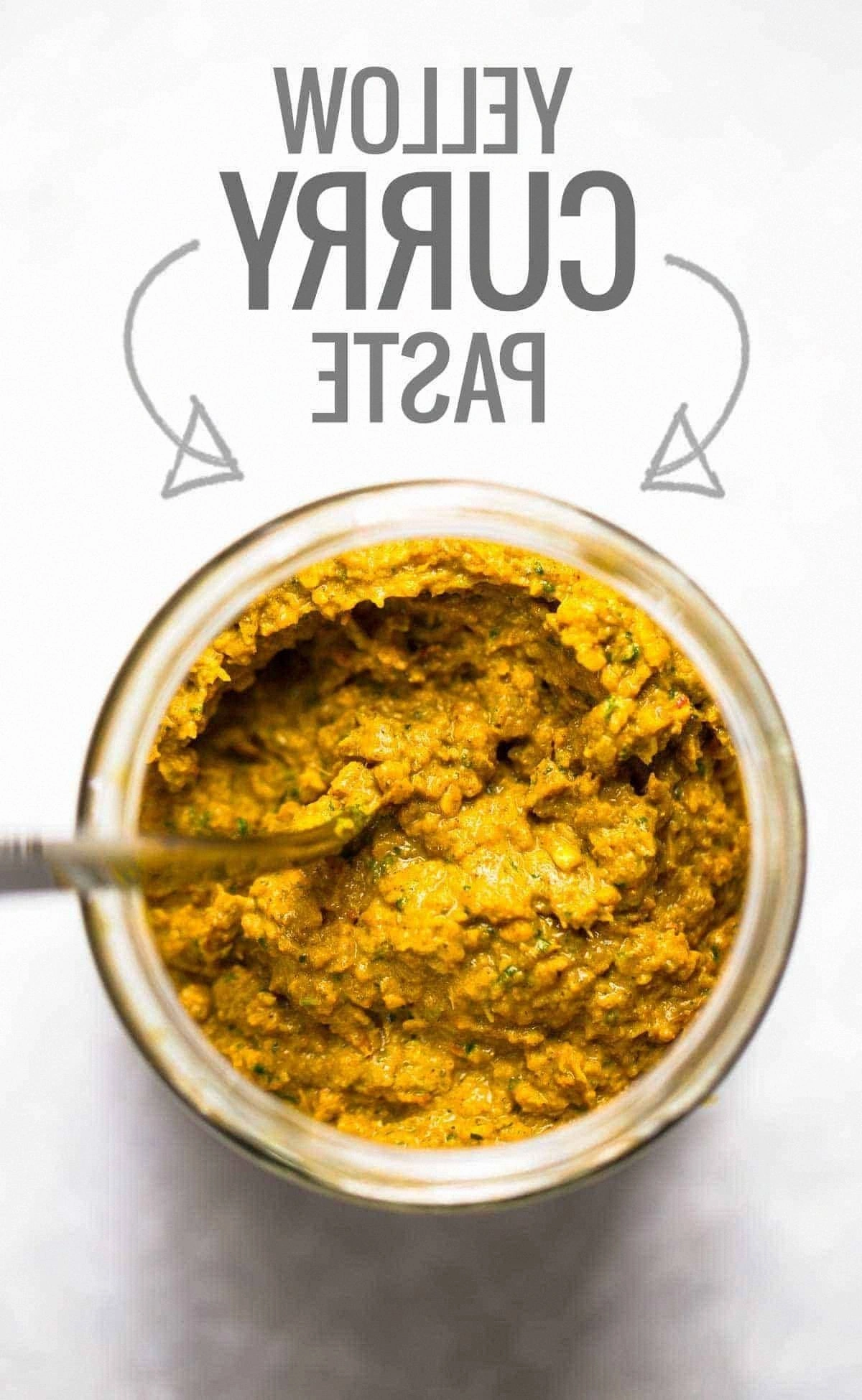
Now, let’s talk technique. I’m going to show you a game‑changing method of dry‑roasting the spices before grinding them, which unlocks flavors you never knew existed. Picture yourself pulling this out of the pan, the whole kitchen smelling incredible, and the paste glistening like liquid gold. This is hands down the best version you’ll ever make at home, and I promise it will have you bragging to anyone who asks, “What’s the secret?” Okay, ready for the game‑changer? Let me walk you through every single step — by the end, you’ll wonder how you ever made it any other way.
What Makes This Version Stand Out
- Flavor Depth: By dry‑roasting shallots, garlic, and spices first, we coax out caramelized notes that turn the paste into a flavor bomb, not just a seasoning.
- Silky Texture: The careful balance of oil and water‑based ingredients creates a paste that clings to meat or vegetables like velvet, never separating.
- Simplicity: Only eight core ingredients are needed, all of which you can find at a well‑stocked grocery or Asian market, making the process less intimidating.
- Heat Control: Dried Thai red chili peppers give a clean, lingering heat that you can dial up or down, avoiding the bitterness of fresh chilies.
- Crowd‑Pleaser: This paste has a universal appeal—mild enough for beginners yet complex enough for seasoned curry lovers, guaranteeing applause at any dinner table.
- Make‑Ahead Magic: Store the paste in the fridge for up to two weeks or freeze it for three months, and it only gets better as the flavors meld.
Alright, let's break down exactly what goes into this masterpiece...
Inside the Ingredient List
The Flavor Base
Shallots and garlic are the dynamic duo that lay the aromatic foundation. When you mince them finely and sauté them gently, they release sugars that caramelize, giving the paste a subtle sweetness that balances the heat. Skipping them leads to a flat, one‑dimensional flavor profile that feels more like a spice dump than a cohesive sauce. If you’re out of shallots, a mix of red onion and a splash of rice vinegar can mimic the sharpness and depth.
The Heat Crew
Dried Thai red chili peppers bring that signature tongue‑tingling heat without the vegetal bitterness you sometimes get from fresh chilies. Soak them briefly to soften, then de‑seed if you prefer a milder paste. The key is to toast them lightly before grinding; this brings out a smoky undertone that elevates the entire dish. For a milder version, use just half the peppers and add a pinch of smoked paprika for depth.
The Earthy Trio
Curry powder, turmeric, and coriander are the cornerstone of any yellow curry. Curry powder provides a pre‑blended mix of spices, while turmeric adds that golden hue and a subtle earthy bitterness. Ground coriander contributes a citrusy, nutty note that brightens the paste. If you can’t find fresh coriander seeds, ground coriander works just as well, but toast it first for extra flavor.
The Fresh Zing
Fresh ginger and lemongrass paste are the bright, aromatic heroes that cut through the richness. Ginger adds a peppery warmth, while lemongrass delivers a citrusy perfume that makes the paste sing. Fresh ginger can be grated or finely minced; the finer, the better, as it integrates seamlessly. As for lemongrass paste, look for a high‑quality brand without added sugars—this ensures the paste stays true to its Thai roots.
The Final Flourish
Cilantro isn’t just a garnish; its leaves and tender stems are blended into the paste for a fresh, herbaceous finish that brightens every bite. If cilantro isn’t your thing, Thai basil can be swapped in, though it will shift the flavor toward a sweeter, anise‑like profile. When selecting cilantro, choose bunches with bright green leaves and avoid any that are wilting or yellowed, as those indicate loss of flavor.
Everything's prepped? Good. Let's get into the real action…
The Method — Step by Step
First, gather all your ingredients and give them a quick once‑over. The shallots, garlic, and ginger should be finely minced; the chili peppers should be soaked in warm water for about 10 minutes, then drained and roughly chopped. This prep stage is crucial because it ensures even cooking and prevents the paste from turning grainy.
Heat a heavy‑bottomed skillet over medium‑low heat and add a generous splash of neutral oil—something like grapeseed or peanut works best. Once the oil shimmers, add the minced shallots and garlic. Stir constantly for 3‑4 minutes until they turn translucent and start to caramelize. That sizzle when it hits the pan? Absolute perfection.
Now comes the crucial dry‑roast of the spices. Toss the dried chilies, curry powder, turmeric, and ground coriander into the skillet. Keep the heat on medium and stir for another 2‑3 minutes until the mixture becomes fragrant and you can smell the earthy notes rising.
Kitchen Hack: If you have a spice grinder, grind the toasted spices before adding them to the pan; this creates a finer texture and prevents clumps.Add the fresh ginger and lemongrass paste now, stirring vigorously to combine. The mixture should start to bubble gently; this is the moment the flavors meld into a cohesive base. Keep the heat steady—too high and the paste will scorch, too low and it will never develop that deep, caramelized hue.
At this point, you’ll notice the paste thickening and pulling away from the sides of the pan. This is the visual cue that the aromatics have fully integrated.
Watch Out: If the paste starts to stick and brown too quickly, lower the heat and add a splash of coconut milk to prevent burning.Finally, fold in the cilantro leaves and tender stems, letting them wilt for about 30 seconds. The herb should retain its bright green color, offering a fresh contrast to the deep, golden paste. Taste and adjust salt if needed—remember, a pinch of salt can brighten the flavors without making the paste salty.
Transfer the finished paste to a clean, airtight jar. Let it cool completely before sealing; this prevents condensation and keeps the texture smooth. Store in the refrigerator for up to two weeks, or freeze in ice‑cube trays for longer preservation. This next part? Pure magic.
That's it — you did it. But hold on, I've got a few more tricks that'll take this to another level…
Insider Tricks for Flawless Results
The Temperature Rule Nobody Follows
Keep the skillet temperature moderate throughout the process. If you crank the heat, the sugars in the shallots will burn before the spices have a chance to release their oils. A moderate flame ensures the paste develops a deep amber color without bitterness. A friend once tried to speed things up on high heat and ended up with a burnt, acrid mess—lesson learned.
Why Your Nose Knows Best
Your sense of smell is the ultimate gauge for when the spices are ready. As soon as you detect a sweet, toasted aroma, you’re at the perfect point to add the fresh aromatics. Trust that nose signal more than a timer; it’s the secret behind restaurant‑quality pastes.
The 5‑Minute Rest That Changes Everything
After you finish cooking, let the paste sit uncovered for five minutes. This brief rest lets the flavors settle and any excess moisture evaporate, resulting in a thicker, more concentrated paste. Skipping this step often leaves a watery texture that won’t cling well to dishes.
Coconut Milk Trick for Ultra‑Silky Finish
When you eventually use the paste in a curry, finish the sauce with a splash of coconut milk right at the end of cooking. The fat in the milk emulsifies the paste, giving it a luxurious, velvety mouthfeel that feels like a hug for your taste buds.
Freeze‑Ahead for Consistency
If you plan to make a big batch, freeze the paste in single‑serve portions. This not only preserves the flavor but also ensures each time you use it, the consistency is identical—no guesswork, just perfect paste every time.
Creative Twists and Variations
This recipe is a playground. Here are some of my favorite ways to switch things up:
Peanut‑Butter Boost
Stir in a tablespoon of smooth peanut butter when you add the coconut milk. The result is a richer, nutty curry that pairs beautifully with chicken or tofu, giving you a Thai‑Thai fusion vibe.
Green Curry Crossover
Swap half of the cilantro for fresh Thai basil and add a dash of green curry paste. This creates a hybrid that balances the bright citrus of yellow with the herbaceous depth of green.
Seafood Sensation
Add a splash of fish sauce and a handful of shrimp during the final simmer. The umami from the fish sauce amplifies the aromatics, turning the dish into a seaside feast.
Vegan Delight
Replace the oil with coconut oil and skip any animal‑based add‑ins. Use tofu or tempeh as the protein, and finish with a drizzle of lime juice for a bright, plant‑forward curry.
Spice‑Level Slider
For a milder version, halve the dried chilies and add a spoonful of honey to the paste. For a fire‑breather’s dream, double the chilies and toss in a pinch of smoked paprika for an extra depth of heat.
Storing and Bringing It Back to Life
Fridge Storage
Place the cooled paste in a sterilized glass jar, seal tightly, and store in the refrigerator for up to 14 days. The oil may rise to the top; simply stir before each use to reincorporate the flavors.
Freezer Friendly
Spoon the paste into silicone ice‑cube trays, freeze solid, then transfer the cubes to a zip‑top bag. This method gives you portion control and keeps the paste fresh for up to three months. When you need it, just pop a cube into a hot pan—no thawing required.
Best Reheating Method
When reheating, add a splash of water or coconut milk before you start. This steam revives the texture, preventing the paste from drying out. Heat gently over medium heat, stirring constantly, until it’s glossy and aromatic again.