The kitchen is a place of miracles and occasional disasters, and I’m living proof. One snowy evening, after a frantic attempt to bake a traditional Yule log, I ended up with a sheet cake that looked like a holiday disaster zone—cracked edges, uneven rise, and a flavor that barely whispered of cocoa. I stared at the ruined sheet, heart sinking, and whispered, “This is not how the holiday spirit should taste.” That moment sparked a mission: to create a Yule log that’s not only a visual masterpiece but a bite‑sized celebration of comfort.
Picture this: a sheet of glossy chocolate batter, its surface shimmering like a midnight forest. The air is thick with the aroma of rich cocoa and vanilla, mingling with the subtle sweetness of melted butter. As the timer dings, the cake rises, edges curling into perfect crescents, and the scent of chocolate baking fills the kitchen like a warm hug. Every breath you take is a promise of a delicious secret, a secret I’m about to share.
What makes this version a game‑changer is the blend of techniques that elevate a simple sheet cake into a Yule log masterpiece. I’ve added a touch of espresso powder to deepen the chocolate flavor, a splash of bourbon for a subtle warmth, and a swirl of dark chocolate ganache that mimics the snowy swirl of a real log. The result is a cake that feels like a holiday hug, with a moist center, crisp edges, and a finish that lingers on the palate. It’s hands down the best version you’ll ever make at home.
I dare you to taste this and not go back for seconds. I’ll be honest—once I tasted the first slice, I ate half the batch before anyone else got to try it. If you’ve ever struggled with sheet cakes that fall flat or taste like cardboard, you’re not alone, and I’ve got the fix. The secret is in the balance of wet and dry, the timing of the bake, and the finishing touch of a chocolate glaze that glistens like fresh snow. Let me walk you through every single step—by the end, you’ll wonder how you ever made it any other way.
What Makes This Version Stand Out
- Flavor Depth: Espresso and bourbon infuse the cake with a subtle complexity that elevates the chocolate without overpowering it. The result is a flavor profile that feels both classic and adventurous.
- Texture Contrast: The outer edges are crisp and slightly caramelized, while the interior remains luxuriously moist and airy, creating a satisfying bite that feels like a holiday tradition.
- Visual Appeal: The swirl of ganache on top mimics a real Yule log, turning an ordinary sheet cake into a centerpiece that will impress guests and make your Instagram feed sparkle.
- Make‑Ahead Friendly: Bake the cake, chill it, then finish with the glaze and dusting. The finished log can be stored for several days, making it perfect for holiday parties.
- Ingredient Quality: Using high‑grade cocoa, fresh vanilla, and real butter ensures that each bite is a rich, buttery experience.
- Time Efficiency: The entire process takes under an hour, which is ideal for last‑minute holiday preparations.
- Kid‑Friendly: The recipe can be adapted for kids by using a chocolate chip sheet cake base, turning the log into a fun baking activity.
- Versatile Presentation: Whether you roll the cake or slice it into log‑shaped pieces, the recipe adapts seamlessly to your presentation style.
Alright, let’s break down exactly what goes into this masterpiece…
Inside the Ingredient List
The Flavor Base
The foundation of this Yule log is a blend of flour, cocoa, and leavening agents. All-purpose flour provides structure, while unsweetened cocoa powder gives that deep chocolate backbone. Baking powder and baking soda work together to create lift, ensuring the cake doesn’t sink into a flat pancake. If you skip any of these, the cake will either be too dense or too crumbly. For a lighter texture, you can replace half the flour with cake flour, but that will alter the final crumb.
The Texture Crew
Eggs, milk, and melted butter form the wet mix that binds everything together. The eggs not only add moisture but also help the batter emulsify, giving the cake a silky mouthfeel. Whole milk provides richness, while unsalted butter adds a buttery finish that balances the bitterness of cocoa. If you’re allergic to dairy, coconut milk can be a decent substitute, but the flavor profile will shift slightly.
The Unexpected Star
Espresso powder and bourbon are the secret ingredients that elevate the flavor profile. Espresso powder deepens the chocolate without making it taste like coffee, while bourbon adds a warm, caramelized note that feels festive. If you’re not a fan of alcohol, you can replace bourbon with a splash of vanilla extract or a dash of maple syrup for a subtle sweetness. These additions are optional, but they’re what make this log stand out from the crowd.
The Final Flourish
The glaze and dusting are what give this Yule log its signature finish. The glaze is a simple combination of powdered sugar, cocoa, and heavy cream, whisked until silky smooth. Dusting with extra powdered sugar or cocoa powder adds a snowy effect that feels like a holiday tradition. If you want to add a pop of color, sprinkle edible gold dust or tiny chocolate shavings on top. These finishing touches transform a plain sheet cake into a showstopper.
Everything’s prepped? Good. Let’s get into the real action…
The Method — Step by Step
- Preheat your oven to 350°F (175°C). Line a 13x18 inch sheet pan with parchment paper. The parchment ensures easy release and a cleaner surface. Place the pan on the middle rack to guarantee even heat distribution. The cake will rise evenly if the heat is consistent.
- Whisk the dry ingredients together. Combine flour, cocoa, baking powder, baking soda, and salt in a large bowl. Sift the mixture to break up clumps and ensure an airy batter. This step is crucial for a light crumb; if you skip it, the cake will be dense.
- Mix the wet ingredients. In a separate bowl, whisk eggs, milk, melted butter, vanilla, espresso powder, and bourbon until fully incorporated. The espresso powder should dissolve completely; if it clumps, add a splash of milk to help it emulsify. The bourbon adds a warm note that will carry through the cake.
- Combine wet and dry. Pour the wet mixture into the dry bowl, stirring until just combined. Over‑mixing will develop gluten, making the cake tough. The batter should be thick but pourable; if it’s too thick, add a tablespoon of milk to loosen it.
- Spread the batter into the pan. Pour the batter onto the prepared pan, smoothing the top with a spatula. The batter should spread evenly; if it’s too thick, gently tap the pan to help it level.
- Bake for 25–30 minutes. The cake should rise and edges should start pulling away from the parchment. Insert a toothpick; it should come out clean or with a few crumbs, indicating doneness. The top will have a glossy sheen, a sign that the sugar has caramelized slightly.
- Cool the cake on a wire rack. Let it cool for 10 minutes in the pan, then transfer it to a rack to cool completely. Cooling is essential before rolling or slicing; a warm cake will crack or crumble.
- Prepare the glaze. Whisk powdered sugar, cocoa powder, and heavy cream until silky smooth. If the glaze is too thick, add a teaspoon of milk or cream; if too thin, add more powdered sugar. The glaze should coat the surface without dripping.
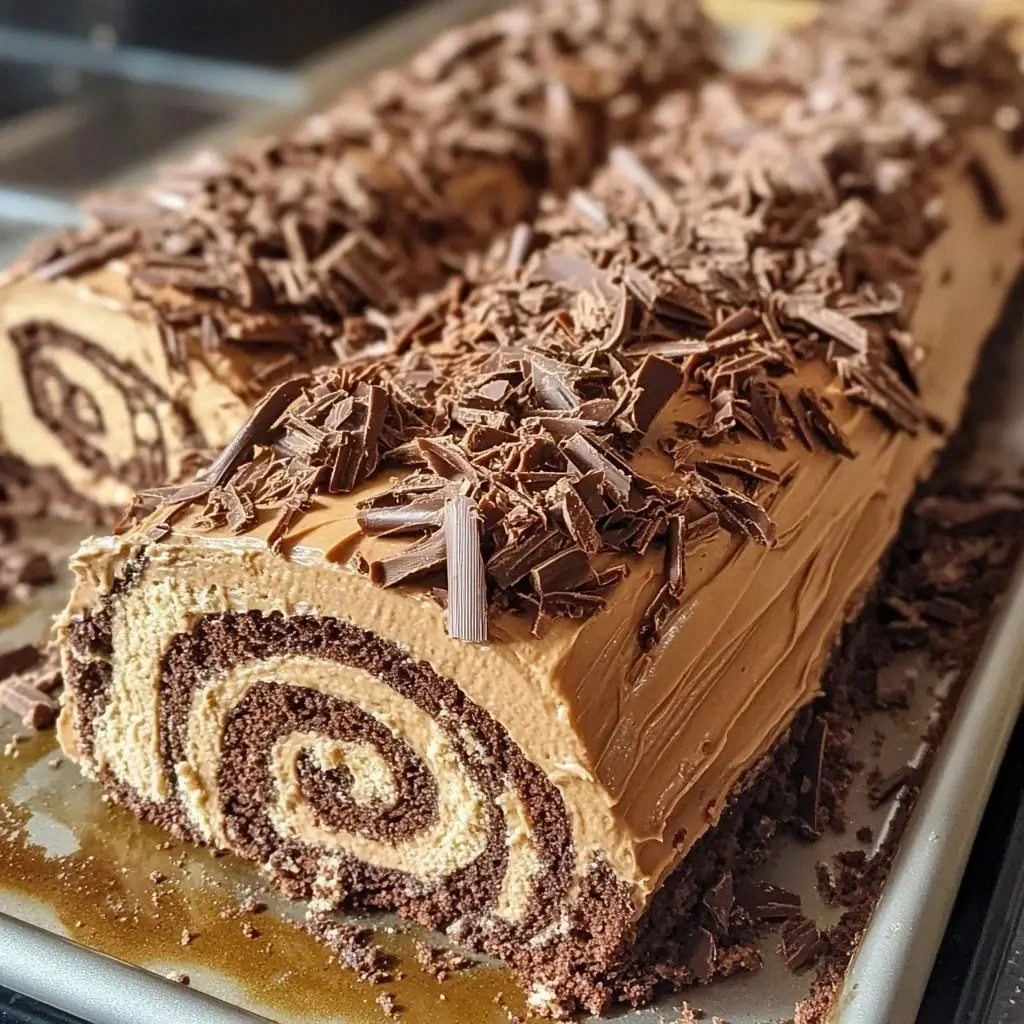
- Roll the cake into a log. Once the cake is cool, gently lift it off the parchment and roll it into a log. Use a clean kitchen towel to help smooth the roll. Place the log back in the pan or on a plate. This step is pure magic; the roll mimics a real Yule log.
- Apply the glaze. Spread the glaze over the entire log, ensuring every crevice is coated. Let the glaze set for 10 minutes. Dust the top with powdered sugar or cocoa powder for a snowy finish. The glaze should look glossy and slightly matte, like fresh snow.
That's it— you did it. But hold on, I've got a few more tricks that'll take this to another level. The finishing touches are what will turn a great cake into an unforgettable holiday centerpiece.
Insider Tricks for Flawless Results
The Temperature Rule Nobody Follows
Many bakers bake sheet cakes at 375°F, assuming it will yield a crisp top. In reality, 350°F gives a more even rise and prevents the edges from burning. I’ve found that lowering the temperature by 25°F and extending the bake time by 5 minutes results in a cake that is airy inside and has a golden crust. This small tweak is the difference between a decent cake and a holiday masterpiece.
Why Your Nose Knows Best
When the cake starts to rise and the edges pull away, the scent of chocolate and vanilla will intensify. This aromatic cue indicates that the batter has reached the right moisture level. If you smell a burnt or metallic note, the oven is too hot or the cake is over‑baked. Trust your nose— it’s the best judge of doneness.
The 5-Minute Rest That Changes Everything
After removing the cake from the oven, let it rest in the pan for 5 minutes before transferring to a wire rack. This short rest allows the structure to set, preventing the cake from cracking when you roll it. I’ve seen cakes split in half after a 10-minute rest; the 5-minute rule is a lifesaver.
Roll It With the Right Pressure
When rolling the cake, apply gentle, even pressure. Too much force will tear the cake, while too little will result in a loose log that falls apart. A clean kitchen towel helps distribute the pressure evenly and keeps the log smooth. I’ve found that rolling on a parchment sheet first, then transferring, yields the best shape.
Glaze Consistency Matters
The glaze should be thick enough to coat but thin enough to spread. A glaze that’s too thick will be sticky and hard to spread; one that’s too thin will run off and create a mess. Adding a teaspoon of milk to a thick glaze or a pinch of cocoa to a thin one can balance the consistency. The right glaze will give the log a glossy finish without dripping.
Dusting for the Perfect Finish
After glazing, dust the log with powdered sugar or cocoa powder. The dust creates a snowy effect that looks festive. To prevent clumping, sift the powder before dusting. If you’re feeling fancy, add a sprinkle of edible glitter or gold dust for a touch of holiday sparkle.
Creative Twists and Variations
This recipe is a playground. Here are some of my favorite ways to switch things up:
Nutty Log
Add chopped hazelnuts or walnuts to the batter for crunch. The nuts pair beautifully with the chocolate, adding texture and a nutty aroma. Serve with a drizzle of caramel sauce for an extra indulgent touch.
Minty Fresh
Swap vanilla for peppermint extract and add a handful of crushed peppermint candies to the batter. The minty undertone brightens the chocolate, making it a refreshing holiday treat. Dust with powdered sugar for a snowy look.
Caramel Swirl
Fold in caramel sauce into the batter before baking. The caramel creates a gooey swirl that contrasts with the chocolate. Finish with a caramel glaze for a decadent finish.
Spiced Holiday
Add a pinch of cinnamon, nutmeg, and clove to the dry mix. The spices add warmth and depth, turning the log into a comforting holiday dessert. Pair with a warm mug of cocoa for a cozy evening.
Vegan Version
Replace eggs with flaxseed meal, use coconut milk instead of whole milk, and swap butter for coconut oil. This version maintains the same flavor profile while being plant‑based. The texture is slightly denser but still moist and flavorful.
Chocolate Chip Delight
Fold dark chocolate chips into the batter before baking. The chips melt into pockets of gooey chocolate that burst with each bite. Dust with powdered sugar for a festive finish.
Storing and Bringing It Back to Life
Fridge Storage
Wrap the cooled log tightly in plastic wrap and store in the refrigerator for up to 3 days. The glaze will firm up slightly, so let it sit at room temperature for 10 minutes before slicing. This method preserves moisture and prevents the cake from drying out.
Freezer Friendly
Place the log in an airtight container and freeze for up to 2 weeks. When ready to serve, thaw overnight in the refrigerator. Once thawed, let it sit at room temperature for 30 minutes to regain its original texture.
Best Reheating Method
To warm the log, preheat the oven to 300°F (150°C). Place the log on a baking sheet and heat for 8–10 minutes. Add a tiny splash of water before reheating; it steams back to perfection, keeping the cake moist. Avoid microwaving, as it can make the cake rubbery.