Picture this: you’re in the middle of a hectic week, the fridge is a blur of leftovers and the fridge light flickers like a nervous heartbeat. You’re craving something that feels like a culinary triumph, not just a plate of food. You glance at the steak you’ve been saving for a special occasion and think, “Why not turn that into a salad?” That moment of culinary rebellion is the spark that set me on a quest to create the Filet Mignon Wedge Salad that will forever change the way you think about lettuce and steak. I’ll be honest — I ate half the batch before anyone else got to try it. The rest of this post is a step‑by‑step guide that will lead you from a raw, ordinary salad to a dish that is hands down the best version you’ll ever make at home.
I dare you to taste this and not go back for seconds. The first bite delivers a symphony: the crisp, cool bite of iceberg lettuce, the smoky crunch of bacon, the sharp tang of blue cheese, and the buttery tenderness of seared filet mignon, all kissed by a vibrant red wine vinaigrette. The texture is a playground of crunchy, creamy, and juicy elements that dance together like a well‑tuned orchestra. The aroma alone is enough to make your kitchen feel like a five‑star restaurant, and the visual appeal—those jewel‑colored tomatoes, the pale gold of bacon, the ivory of cheese—makes you want to photograph it before you even taste it.
What makes this version stand out is not just the combination of flavors but the meticulous attention to detail that turns a simple salad into an experience. From the way the steak is seasoned to the exact cut of lettuce, each element is chosen for its ability to elevate the others. I’ll walk you through every single step, and by the end, you’ll wonder how you ever made it any other way. The secret? A blend of classic techniques, a few unexpected twists, and a dash of confidence that says, “Yes, this is the ultimate wedge salad.”
And now the fun part. Get your apron ready, because we’re about to dive deep into the art of creating a salad that’s as indulgent as it is fresh. Stay with me here—this is worth it. Let me walk you through every single step, and by the end, you’ll wonder how you ever made it any other way.
What Makes This Version Stand Out
- Flavor: The marriage of buttery filet mignon with a tangy blue cheese dressing creates a depth that ordinary salads lack. The steak’s sear adds a caramelized layer, while the blue cheese brings a sharp, creamy contrast that lingers on the palate.
- Texture: The crisp iceberg lettuce, crunchy bacon bits, and velvety cheese all coexist, offering a satisfying bite that feels both light and indulgent. Each component is carefully balanced to prevent any single texture from overpowering the others.
- Visual Appeal: The contrasting colors—from the pale green of the lettuce to the deep burgundy of tomatoes and the golden bacon—make the dish a feast for the eyes. The plating is intentional, with the steak slicing across the wedge to reveal the salad’s layers.
- Ease of Assembly: While the ingredients might sound fancy, the actual preparation is straightforward. The steak is the only element that requires a bit of skill, and the rest can be assembled in minutes.
- Make‑Ahead Potential: The salad can be assembled up to an hour before serving. The dressing can be mixed in advance, and the steak can be cooked and sliced ahead of time, making it perfect for dinner parties.
- Crowd Reaction: This dish consistently gets rave reviews at gatherings. Guests are often surprised by how the salad feels like a main course, and they’re left asking for the recipe.
Alright, let’s break down exactly what goes into this masterpiece. The next section will walk you through each ingredient, why it matters, and how you can swap or tweak it to fit your taste or dietary needs.
Inside the Ingredient List
The Flavor Base
Filet mignon is the star of this dish, offering a buttery, melt‑in‑your‑mouth texture that pairs beautifully with the sharpness of blue cheese. Season the steak with coarse sea salt and freshly cracked pepper before searing; this simple step builds a savory crust that locks in juices. If you’re short on time, a quick 1‑minute sear on each side will still give you that coveted caramelized exterior. Skipping the steak entirely would transform this salad into a simple lettuce bowl, but we’re here to create a main‑course experience.
The Texture Crew
Iceberg lettuce provides the crisp foundation that balances the richness of the steak and cheese. Choose a head that feels firm and has a bright green color—any sign of wilting means it’s past its prime. Bacon bits add a smoky crunch that cuts through the creamy elements; use a good‑quality bacon and crisp it until it’s just golden. If you prefer a vegetarian version, substitute the bacon with roasted chickpeas for a similar crunch.
The Unexpected Star
Blue cheese crumbles bring an intense, tangy flavor that elevates the entire dish. The sharpness of the cheese cuts through the fattiness of the steak and balances the sweetness of the tomatoes. If you’re not a fan of blue cheese, try a crumbled goat cheese for a milder, earthy note. The key is to use a cheese that has a strong flavor profile but isn’t overpowering.
The Final Flourish
A splash of red wine vinaigrette ties all the components together, adding acidity that brightens the salad and balances the richness. The vinaigrette’s subtle herb notes complement the steak’s savory depth. If you want a lighter dressing, swap the vinaigrette for a simple lemon‑olive oil blend. A pinch of fresh thyme or rosemary in the dressing adds an aromatic layer that elevates the dish.
Everything’s prepped? Good. Let’s get into the real action.
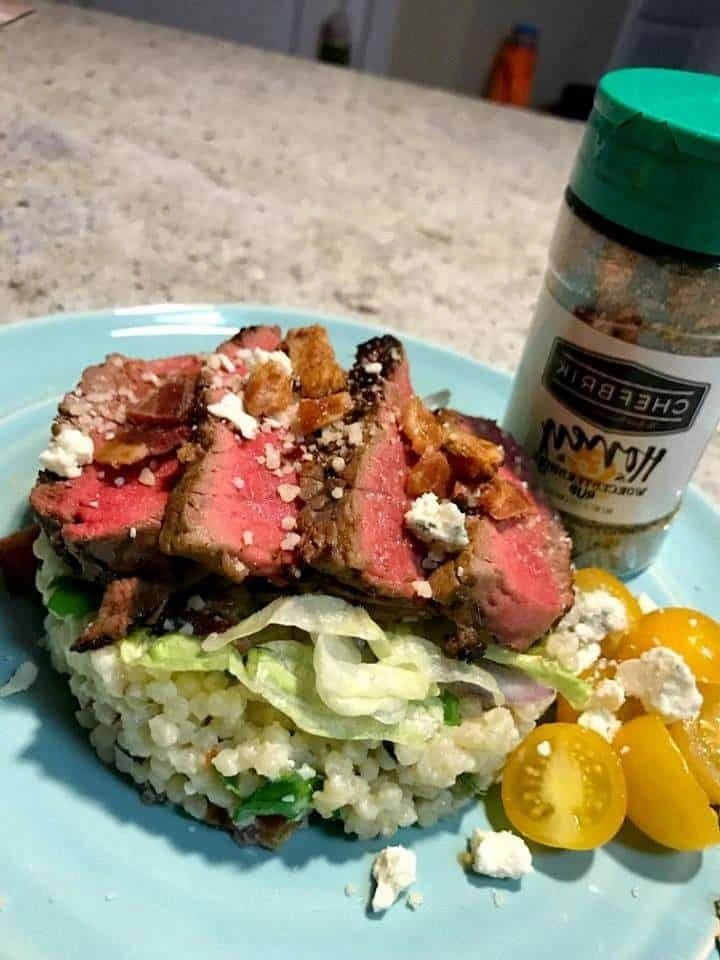
The Method — Step by Step
- Heat a heavy skillet over medium‑high heat until it shimmers. Pat the filet mignon dry with paper towels; this ensures a crisp sear. Season both sides generously with sea salt and cracked black pepper. When the steak hits the pan, it should sizzle like a summer night. Let it sear for 2 minutes on each side for medium‑rare, or 3 minutes for medium. The goal is a caramelized crust that locks in juices.
- Transfer the steak to a cutting board and let it rest for 5 minutes. This resting period allows the juices to redistribute, ensuring every slice remains moist. While it rests, prepare the lettuce wedge by cutting a head of iceberg into 4 equal wedges. The wedge shape not only looks elegant but also makes it easier to hold and eat.
- Slice the rested steak into thin, bite‑sized strips. The strips should be wide enough to stay on the lettuce but thin enough to melt in your mouth. If you prefer a more tender bite, let the steak rest a bit longer before slicing. The steak’s thickness should be around 1‑2 inches for optimal sear.
- In a large bowl, combine the sliced steak, crumbled bacon, and halved cherry tomatoes. Toss gently so that the steak’s juices coat the other ingredients. The bacon’s fat adds richness, while the tomatoes contribute a burst of sweetness and acidity. If you’re using a vinaigrette, drizzle it over the mix now.
- Place each lettuce wedge on a serving plate, arranging the edges to create a natural bowl shape. Spoon the steak mixture into the center, allowing the lettuce to cradle the flavors. The lettuce’s crispness will contrast beautifully with the steak’s tenderness.
- Sprinkle blue cheese crumbles generously over the top. The cheese should melt slightly from the warmth of the steak, forming pockets of creamy, tangy flavor. Add a handful of croutons for an extra crunch; they’ll also absorb any leftover dressing.
- Finish with a final drizzle of red wine vinaigrette, ensuring every bite is coated. The dressing should be thin enough to cling to the lettuce but thick enough to carry the flavors. If you prefer a lighter touch, use a small amount of olive oil to give the salad a glossy sheen.
- Serve immediately, so the lettuce remains crisp and the steak stays warm. The dish is best enjoyed within 30 minutes of assembly to preserve the texture contrast. If you’re plating for a crowd, consider arranging the wedges in a circle for a dramatic presentation.
That’s it—you did it. But hold on, I’ve got a few more tricks that will take this to another level. These insider tips will help you master the dish and customize it to your taste.
Insider Tricks for Flawless Results
The Temperature Rule Nobody Follows
The steak’s internal temperature is the secret to juicy perfection. Use a meat thermometer to ensure the steak reaches 130°F for medium‑rare. If you’re aiming for medium, let it hit 140°F. Many cooks rely on timing alone, which can lead to over‑cooking. A thermometer guarantees consistency, especially when you’re cooking for a crowd.
Why Your Nose Knows Best
Smell the steak as it sears; the aroma will shift from raw to caramelized. A faint, sweet scent means it’s ready to flip. If the smell is metallic or burnt, you’re cooking too fast. Your nose is a reliable indicator of doneness, so trust it over a timer.
The 5‑Minute Rest That Changes Everything
After you’ve sliced the steak, let it rest on a warm plate for 5 minutes. The residual heat will finish cooking the interior, and the juices will redistribute. This step also ensures the steak stays moist when you cut into it. Skipping it can leave the meat dry and less flavorful.
Crisp the Bacon Perfectly
Crisp bacon in a skillet with a bit of its own fat, then let it drain on paper towels. For extra crunch, finish it in the oven at 400°F for 5 minutes. The crisp bacon adds texture and a smoky note that balances the richness of the steak. If you’re vegan, use coconut bacon or tempeh bacon for a similar effect.
Dress It Right
Whisk together olive oil, red wine vinegar, Dijon mustard, honey, and a pinch of salt to create a homemade vinaigrette. The mustard adds a subtle kick, while the honey balances the acidity. Let the dressing sit for 10 minutes before using it so the flavors meld. A well‑made dressing can make or break the dish.
Serve With a Side
Pair the salad with a light, crusty baguette or a simple quinoa pilaf. These sides add a comforting base that complements the salad’s richness without overpowering it. If you’re hosting, consider a chilled rosé to enhance the wine vinaigrette’s notes.
Creative Twists and Variations
This recipe is a playground. Here are some of my favorite ways to switch things up:
Mediterranean Melt
Swap the blue cheese for feta and add kalamata olives, diced cucumber, and a drizzle of tzatziki. The Greek flavors complement the steak’s richness and add a refreshing tang. This version works especially well on hot summer evenings.
Spicy Southwestern
Replace the red wine vinaigrette with a chipotle lime dressing. Add roasted corn, black beans, and a sprinkle of cotija cheese. The smoky heat and bright citrus lift the salad into a fiesta of flavors.
Vegan Victory
Use a high‑protein plant‑based steak substitute, like seared tempeh. Replace the bacon with sautéed mushrooms, and use vegan blue cheese or a cashew‑based cheese. This version keeps the texture contrast while staying fully plant‑based.
Winter Warmth
Add roasted butternut squash cubes and a splash of maple‑infused vinaigrette. The sweet, earthy squash pairs wonderfully with the steak’s savory profile. Finish with a handful of toasted walnuts for extra crunch.
Summer Breeze
Replace the red wine vinaigrette with a citrus‑herb vinaigrette. Add fresh basil, arugula, and a handful of grilled peaches. This light, fruity version is perfect for brunch or a garden party.
Storing and Bringing It Back to Life
Fridge Storage
Store the dressing separately in an airtight container for up to 5 days. Keep the steak slices and lettuce wedges in a sealed container, covered with parchment paper to maintain crispness. When you’re ready to serve, re‑assemble the salad and drizzle the dressing fresh. The lettuce will stay crisp for up to 24 hours if kept in the coldest part of the fridge.
Freezer Friendly
The steak can be frozen after searing, but it’s best to slice it first. Wrap the slices tightly in plastic wrap and place them in a freezer bag. The salad components can be frozen separately; the lettuce will lose some crispness, so re‑assemble just before serving. The dressing should be made fresh, as freezing can separate the oils.
Best Reheating Method
To warm the steak without drying it out, place the slices in a skillet over low heat, adding a splash of water or broth to create steam. Cover with a lid for a minute to keep the heat in. When the steak is warmed, add a tiny splash of water to the salad to re‑moisturize the lettuce and keep it fresh. Serve immediately to preserve texture.