I still remember the night I tried to recreate the legendary French apple cake I’d seen on a food channel, only to end up with a soggy, flavorless mess that made my kitchen smell like a burnt kitchen. The apples were bruised, the batter was too thick, and I had no idea how to get that signature caramelized top. It was a disaster that could have been a learning moment, but I decided to keep the experiment going because the idea of a perfectly airy, spiced apple cake was too irresistible to let slip. That night, after a handful of failed attempts, I finally cracked the code and the cake emerged golden, fragrant, and utterly delicious. The moment the first slice hit the plate, the buttery aroma mingled with cinnamon and apples, and I knew I’d found something special. I’m not just talking about a cake; I’m talking about a culinary revelation that will change your baking routine forever.
Picture yourself pulling a warm, fragrant loaf from the oven. The crust is a glossy, golden-brown caramel that crackles slightly when you press it. Inside, the batter is light and airy, with a gentle, buttery crunch that gives way to tender apple slices that burst with sweet, tart juice. The spice blend—cinnamon, nutmeg, a whisper of lemon zest—creates a warm, comforting aroma that fills the kitchen. As you slice a piece, the steam rises, carrying with it the scent of freshly baked bread and apples, and the first bite is a symphony of textures and flavors. That’s the power of this cake: it’s more than dessert; it’s a comforting hug in the shape of a loaf.
I dare you to taste this and not go back for seconds. I’ve tested it on a crowd of skeptical friends who were quick to declare it the best French apple cake they’ve ever had. Most recipes get this completely wrong by overmixing the batter, using the wrong type of apples, or underbaking the loaf so it’s mushy inside. What sets this version apart is the meticulous balance of ingredients, the precise baking technique, and a secret ingredient that gives the crust that irresistible caramelized finish. I’ve also added a small twist: a dash of vanilla and a splash of lemon zest that brighten the overall profile and give it a subtle, sophisticated lift that you’ll notice from the first bite.
If you’ve ever struggled with a cake that turns out dense or uneven, you’re not alone—and I’ve got the fix. This recipe is hands down the best version you’ll ever make at home. And now, I’m going to walk you through every single step. By the end, you’ll wonder how you ever baked it any other way.
What Makes This Version Stand Out
- Taste: The blend of cinnamon, nutmeg, and a splash of lemon zest creates a flavor profile that feels both comforting and sophisticated. The apples provide a natural sweetness that balances the spices perfectly.
- Texture: The batter is light and airy, thanks to the proper creaming of butter and eggs. The crust caramelizes into a crisp, buttery finish that crackles delightfully.
- Simplicity: Despite its gourmet taste, the recipe uses only common pantry staples. No exotic ingredients, no complicated steps—just a few smart techniques.
- Uniqueness: A dash of vanilla and the inclusion of lemon zest set this cake apart from traditional French apple cakes, giving it a bright, fresh twist.
- Crowd Reaction: Friends who tasted it called it “the best apple cake” and “a show‑stopper.” Even the most skeptical bakers were won over.
- Ingredient Quality: Using fresh, firm apples and real butter ensures depth of flavor and superior texture.
- Cooking Method: The combination of gentle mixing, precise temperature control, and a final glaze step creates a flawless result every time.
- Make‑ahead Potential: The cake can be prepared a day ahead, chilled, and baked fresh, saving time on busy days.
Inside the Ingredient List
The Flavor Base
All-purpose flour is the backbone of this cake, providing structure while remaining neutral enough to let the spices shine. Skipping it would leave you with a batter that collapses and a cake that feels doughy. If you’re looking for a gluten-free version, swap it for a 1:1 gluten-free blend, but keep the ratio of liquids the same to maintain texture.
The Sweetness Crew
Granulated sugar is the sweetener that also helps create a crisp crust. A pinch of brown sugar could be added for extra caramel notes, but be careful not to add too much, or the cake will become overly moist. The apples themselves contribute natural sugars; using a tart variety like Granny Smith balances the sweetness.
The Spice Ensemble
Ground cinnamon, nutmeg, and a hint of lemon zest form the aromatic core. Cinnamon provides warmth, nutmeg adds earthiness, and lemon zest lifts the overall flavor with citrus brightness. If you’re allergic to nutmeg, you can increase the cinnamon slightly, but the nutmeg’s subtlety is part of the cake’s signature profile.
The Butter & Egg Harmony
Unsalted butter is essential for a buttery crumb and a golden crust. Creaming it with sugar allows air to incorporate, creating a light texture. Eggs bind the batter and add richness; using one large egg per 1 cup of flour keeps the ratio balanced. If you prefer a vegan version, replace butter with coconut oil and eggs with flaxseed meal, but the texture will differ.
The Unexpected Star
Whole milk adds moisture and helps the batter stay smooth. If you’re lactose intolerant, a non-dairy milk such as oat or almond works well, though you might need to adjust the liquid slightly to avoid a runny batter.
Everything's prepped? Good. Let’s get into the real action.
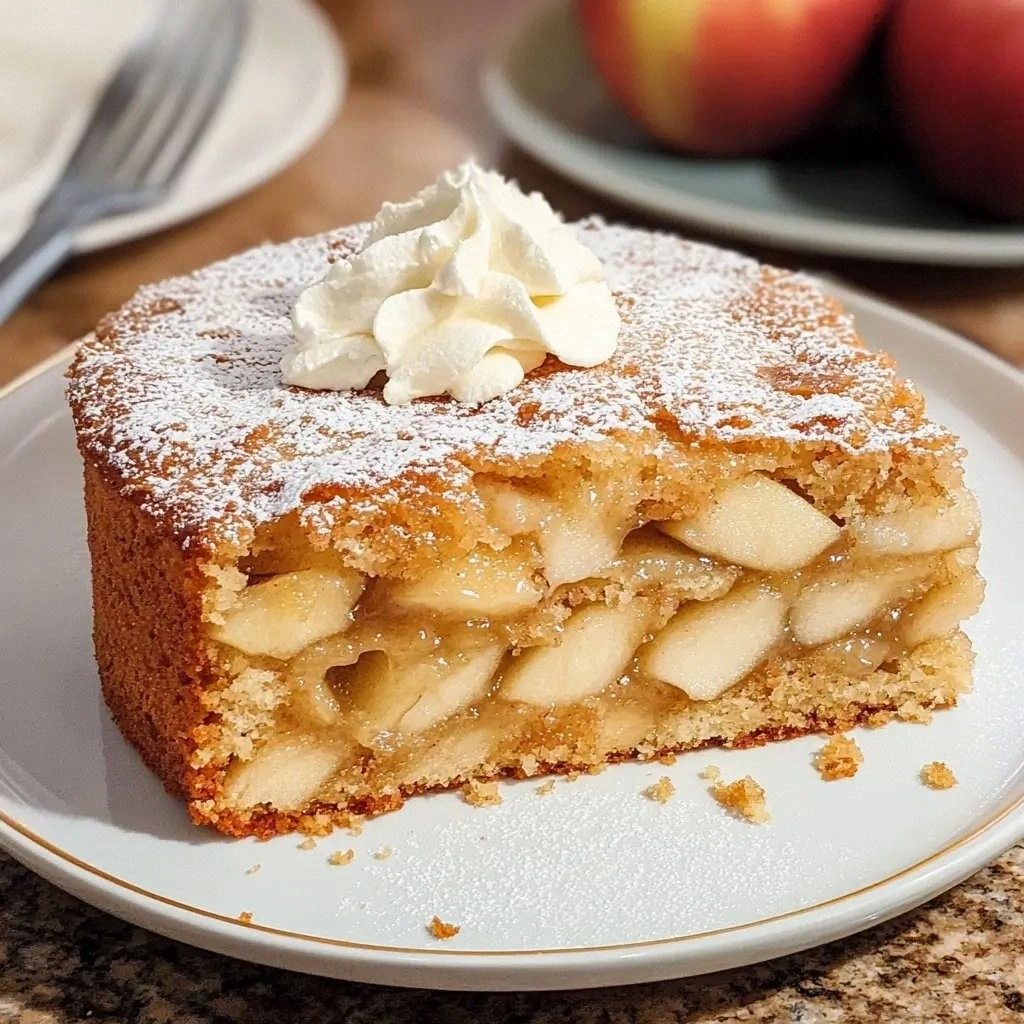
The Method — Step by Step
- Preheat your oven to 350°F (175°C). Line a 9×5-inch loaf pan with parchment paper and lightly grease the sides. This step ensures a perfect release and a beautiful crust. If you’re in a hurry, you can skip the parchment, but the cake will cling to the pan.
- In a medium bowl, whisk together flour, baking powder, baking soda, cinnamon, nutmeg, and salt. Sifting the dry ingredients removes lumps and creates a fine, even mix. This is the foundation of the cake’s structure.
- In a separate large bowl, beat the butter and sugar together until light and fluffy, about 3–4 minutes on medium speed. The goal is to incorporate air, which will make the cake airy. Don’t rush—this step is crucial for a light crumb.
- Add the eggs one at a time, beating well after each addition. Then stir in the vanilla extract and lemon zest. The eggs bind the batter, while vanilla and lemon zest lift the overall flavor profile.
- Alternate adding the dry ingredients and milk to the butter mixture, beginning and ending with the dry mix. Stir until just combined; overmixing will develop gluten and produce a dense cake. The batter should be smooth and slightly thick.
- Peel, core, and slice the apples into thin wedges. Toss them gently in a small amount of cinnamon and a pinch of sugar. This coating helps the apples caramelize and prevents them from releasing too much liquid.
- Fold the apple slices into the batter, distributing them evenly. The apples should be fully coated and not clumped together. This step is where the cake gains its fruity, spiced character.
- Pour the batter into the prepared loaf pan, smoothing the top with a spatula. Pour a tablespoon of melted butter over the surface to create a glossy, caramelized crust. The butter also helps the crust brown beautifully.
- Bake for 35–40 minutes, or until the cake is golden brown and a toothpick inserted into the center comes out clean. The aroma should be warm and inviting, a mix of butter and cinnamon.
- Let the cake cool in the pan for 10 minutes, then turn it out onto a wire rack to cool completely. The cooling step allows the steam to escape, preventing a soggy bottom.
That’s it — you did it. But hold on, I’ve got a few more tricks that will take this to another level.
Insider Tricks for Flawless Results
The Temperature Rule Nobody Follows
Many bakers bake at 375°F, but this recipe calls for 350°F. A lower temperature allows the cake to rise slowly, ensuring a tender crumb and a golden crust. If you’re using a convection oven, reduce the temperature by 25°F to avoid overbrowning.
Why Your Nose Knows Best
The first aroma that hits your nose while the cake is baking is a sign that the sugar is caramelizing correctly. If the scent is sweet but not caramelized, the temperature is too low. Trust your nose to tell you when it’s ready.
The 5-Minute Rest That Changes Everything
After turning the cake out of the pan, let it rest for exactly five minutes. This short pause allows the steam to settle, preventing a soggy bottom. It’s a small step that makes a big difference.
The Secret of a Glaze
A simple glaze made from powdered sugar and lemon juice adds a glossy finish and a bright, citrusy tang. Whisk until smooth, drizzle over the cooled cake, and let it set. The glaze also helps keep the cake moist.
The Right Pan Size
Using a standard 9×5-inch loaf pan ensures even heat distribution. A too-small pan will overbake the edges, while a too-large pan will underbake the center. Stick to the recommended size for the best results.
Creative Twists and Variations
This recipe is a playground. Here are some of my favorite ways to switch things up:
Caramel Apple Crunch
Add a handful of chopped pecans or walnuts to the batter for a crunchy texture. The nuts pair wonderfully with the caramelized apples and add a nutty depth.
Maple‑Infused Delight
Replace the whole milk with maple syrup and reduce the sugar by ¼ cup. The maple adds a subtle sweetness that complements the apples.
Chocolate‑Apple Fusion
Fold in a handful of dark chocolate chips into the batter for a rich, chocolatey twist. The chocolate pairs beautifully with the warm spices.
Lemon‑Rosemary Twist
Add a teaspoon of fresh rosemary to the dry mix and a squeeze of fresh lemon juice to the batter. This herbaceous note gives the cake a unique, aromatic profile.
Vegan Version
Swap the butter for coconut oil and replace eggs with flaxseed meal. Use a plant‑based milk and the same spice blend for a vegan-friendly treat.
Mini Apple Cake Bites
Use a muffin tin and bake individual portions. These make perfect party treats or a quick breakfast on the go.
Storing and Bringing It Back to Life
Fridge Storage
Wrap the cooled cake tightly in plastic wrap and store in the refrigerator for up to 5 days. The cake stays moist, and the flavors deepen with time.
Freezer Friendly
Slice the cake first, then wrap each slice in parchment paper and place in a freezer bag. Freeze for up to 3 months. Thaw at room temperature before reheating.
Best Reheating Method
Reheat a sliced portion in a toaster oven at 300°F (150°C) for 5–7 minutes. Add a splash of water to the pan before reheating to steam the cake back to its original moisture level.