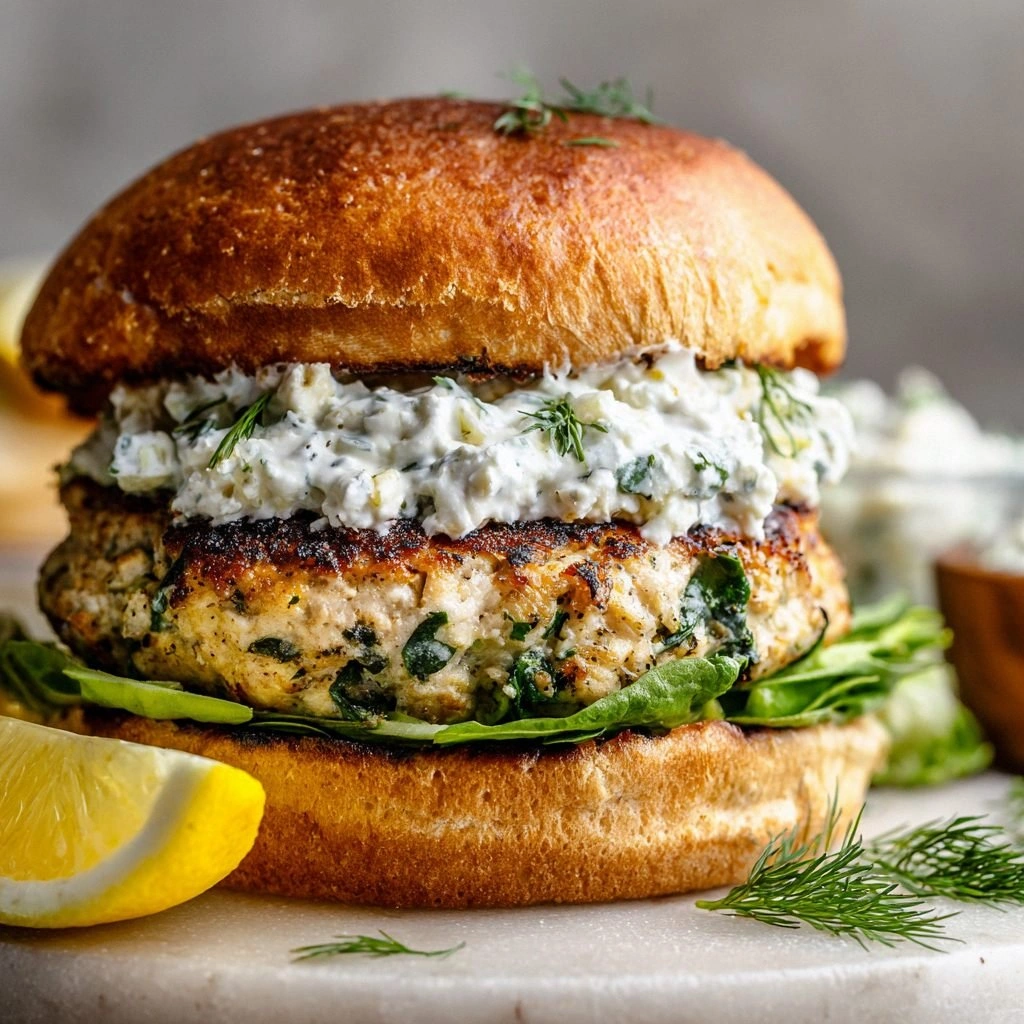
Picture this: I was standing in my kitchen, staring at a single chicken breast that looked more like a stubborn brick than a culinary canvas. I had just finished a marathon of Greek salads, and my craving for that bright, herby tang had taken on a life of its own. I was determined to turn that plain slab of meat into something that would make my taste buds dance and my friends whisper, “How did you do that?” The result? A Greek Chicken Burger that is so juicy, so fragrant, and so utterly irresistible that I almost didn’t have to share it. I dare you to taste this and not go back for seconds.
The first thing that hits you is the aroma—cracked oregano, the sharp citrus of lemon zest, and the unmistakable tang of feta. The sizzle of the pan is a promise of crispy edges that shatter like thin ice, while the interior stays moist, like a secret waiting to be revealed. The sauce, a creamy tzatziki that coats the burger like velvet, brings a cool, refreshing contrast that balances the warm, savory flavors. Every bite is a harmonious blend of textures: the crunchy breadcrumbs on the outside, the tender, juicy chicken on the inside, and the silky yogurt sauce that glides over your palate. If you’ve ever struggled with bland chicken burgers, you’re not alone—and I’ve got the fix.
What sets this version apart from the endless array of chicken burger recipes out there is a simple but powerful idea: infuse every element with authentic Greek flavor while keeping the construction lean and approachable. I’ve trimmed the recipe to four servings, making it a perfect family dinner or a crowd‑pleasing appetizer for a gathering. The secret is in the seasoning blend that penetrates the meat before it even hits the heat, the use of feta for a subtle briny kick, and the homemade tzatziki that ties everything together. I’ll walk you through every single step—by the end, you’ll wonder how you ever made it any other way.
Let’s dive in. This isn’t just a recipe; it’s a culinary experience that will transform your kitchen into a Greek tavern. The technique, the ingredients, and the timing are all meticulously designed so that even a novice can achieve a restaurant‑level result. So grab your apron, and let’s get started on this flavor-packed journey.
What Makes This Version Stand Out
- Authentic Flavor: The blend of oregano, dill, and lemon zest is a nod to traditional Greek seasoning, giving each bite a familiar yet elevated taste.
- Juiciness: Ground chicken keeps the patty moist, while the addition of egg and breadcrumbs creates a tender matrix that locks in flavor.
- Texture Contrast: Crispy, golden edges meet a silky interior, and the tzatziki adds a cool, creamy layer that balances the heat.
- Simple Assembly: No complicated sauces or multi‑step marinades—everything is incorporated into the patty, saving you time and effort.
- Gluten‑Free Friendly: By using gluten‑free breadcrumbs and optional lettuce wraps, the dish is adaptable to dietary restrictions without sacrificing flavor.
- Make‑Ahead Potential: The patties can be pre‑formed and stored, allowing you to cook them fresh on the day of serving.
- Crowd‑Pleaser: Whether you’re feeding a family or a group of friends, the bright, herby profile keeps everyone coming back for more.
- Balanced Nutrition: With lean protein and fresh veggies, this burger is both satisfying and wholesome.
Inside the Ingredient List
The Flavor Base
The cornerstone of this burger is the ground chicken—lean, versatile, and the perfect canvas for Greek herbs. By grinding the chicken yourself or buying it pre‑ground, you can control the texture, ensuring a juicy patty. Skipping the chicken would mean losing the central protein that carries the flavor. A good rule of thumb: choose a 15–20% fat content to keep the patties moist. If you’re short on time, a pre‑ground mix works fine, but the fresher the better.
The Texture Crew
Crumbled feta is the unsung hero that adds a salty, tangy depth without overpowering the chicken. The breadcrumbs bind the mixture, giving structure and a light crunch on the outside. For a gluten‑free version, use almond or coconut flour; for a more traditional feel, regular wheat breadcrumbs suffice. If you’re feeling adventurous, sprinkle a pinch of crushed red pepper for a subtle kick. The egg acts as a binder, keeping the patty intact while adding richness.
The Unexpected Star
Fresh dill and lemon zest are the dynamic duo that elevate the burger from ordinary to extraordinary. Dill’s bright, slightly sweet profile complements the feta, while lemon zest injects a citrusy brightness that cuts through the richness. Together, they create a flavor profile that’s unmistakably Greek. If dill is out of season, substitute with parsley or basil for a different twist. The key is to use fresh herbs for the most vibrant taste.
The Final Flourish
The tzatziki sauce is the crowning glory—a cool, creamy yogurt base studded with cucumber, garlic, and dill. It not only adds moisture but also balances the savory, herby flavors of the patty. If you’re not a fan of yogurt, a Greek yogurt alternative or even a light mayonnaise can work, but the authentic taste comes from the yogurt. The buns or lettuce wraps are the final stage where everything comes together, providing structure and a gentle sweetness.
Everything’s prepped? Good. Let’s get into the real action.
The Method — Step by Step
- Begin by gathering all your ingredients—ground chicken, feta, herbs, breadcrumbs, and the zesty tzatziki. Measure each component precisely; a small misbalance can throw off the entire flavor profile. Keep the chicken cold; it helps maintain the patty’s structure. This is the moment of truth; the foundation of a great burger starts with the right ingredients.
- In a large mixing bowl, combine the ground chicken with the crumbled feta, chopped dill, minced garlic, finely chopped onion, dried oregano, lemon zest, salt, and pepper. Use your hands to mix until just blended—over‑mixing can make the patty tough. The mixture should feel moist but not wet. Feel the texture; it should hold together when pressed but still be airy.
- Add the egg and breadcrumbs to the mixture. Beat the egg lightly before adding to ensure even distribution. Stir in the breadcrumbs gradually, checking the consistency as you go. The goal is a cohesive mixture that can be shaped into patties without falling apart. This step is crucial; the breadcrumbs lock in moisture and add that satisfying crunch.
- Divide the mixture into four equal portions, forming each into a patty about ¾ inch thick. Press a small indentation in the center of each patty to prevent puffing during cooking. This small trick keeps the burgers flat and ensures even cooking. Let the patties rest on a tray for 10 minutes; this allows the flavors to meld.
- Heat a large skillet over medium heat and add a tablespoon of olive oil. Once the oil shimmers, place the patties in the pan. Cook for 4–5 minutes on each side, or until the internal temperature reaches 165°F (74°C). The edges should be golden brown and slightly crisp. Use a spatula to flip gently; avoid pressing down on the patty.
- While the patties cook, toast the buns in a separate pan or toaster until lightly browned. This adds a crunch and prevents the buns from becoming soggy. If you’re using lettuce wraps, warm them briefly to soften. This step enhances the overall texture and gives the burger a satisfying bite.
- Once the patties are cooked, let them rest for 2 minutes. Resting allows the juices to redistribute, keeping the meat moist. This is a critical step that many skip, leading to dry burgers. The aroma at this point is intoxicating—herbs, garlic, and the subtle tang of feta.
- Assemble each burger by placing the patty on the bun, spooning a generous amount of tzatziki on top, and adding a few fresh slices of tomato or cucumber if desired. The tzatziki coats the patty like a velvet blanket, adding a refreshing contrast. Serve immediately, and watch the smiles appear.
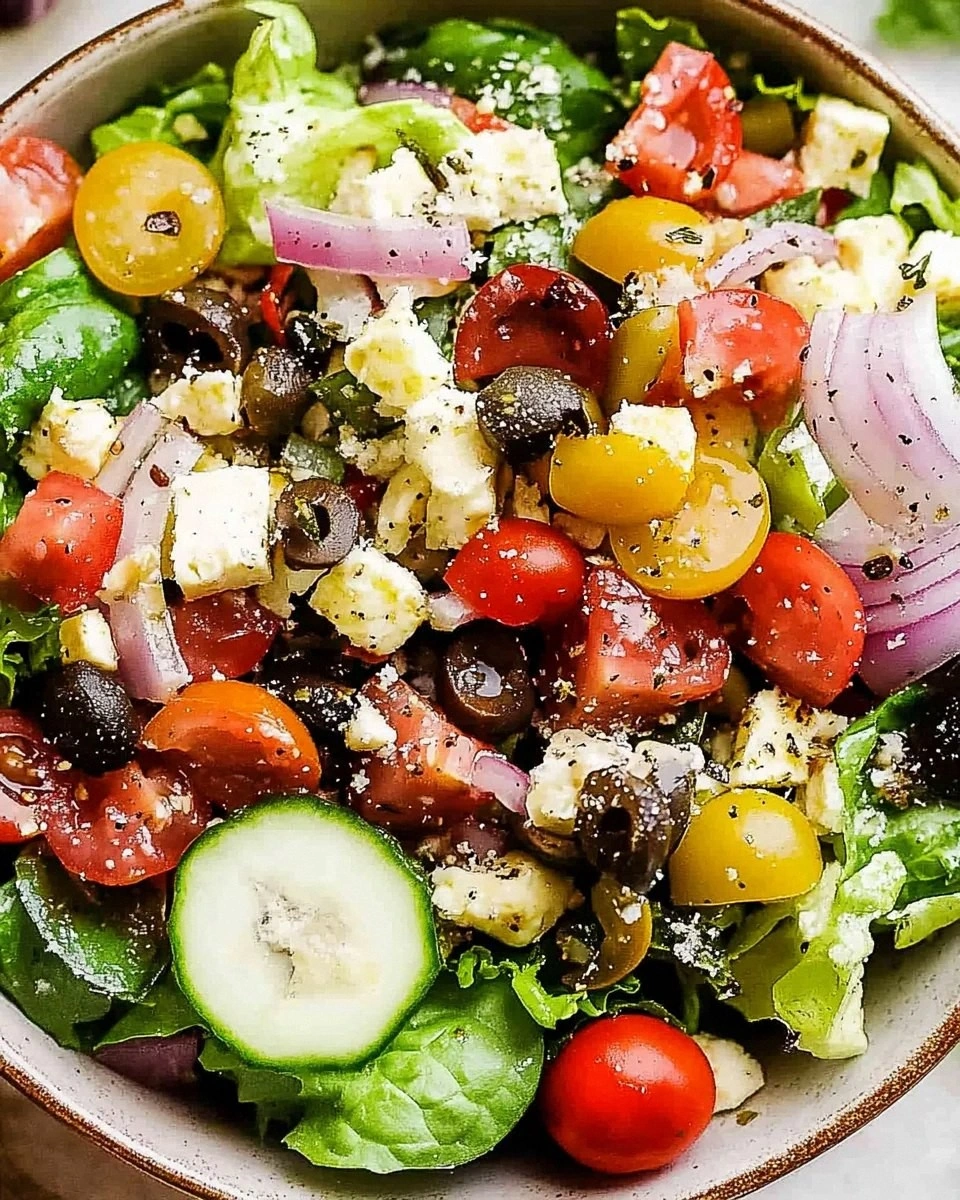
- For a quick side, toss a salad of mixed greens, olives, and feta with a simple lemon vinaigrette. This complements the burger’s Greek theme and adds a crisp, bright element. Pair with a glass of chilled white wine or a cold Greek beer for the full experience.
- Enjoy! The combination of juicy chicken, aromatic herbs, and creamy tzatziki creates a flavor explosion that will have you asking for seconds. If you’re sharing, don’t forget to offer extra tzatziki on the side—everyone loves a little extra.
Insider Tricks for Flawless Results
The Temperature Rule Nobody Follows
Many cooks think a high heat is the secret to a crispy exterior, but it often results in a dry interior. The trick is to start on medium heat and let the natural juices do the work. If you notice the pan is too hot, lower the temperature slightly. This ensures the patties cook evenly and retain moisture. I’ve seen a friend skip this step and end up with a patty that looks good but tastes like rubber.
Why Your Nose Knows Best
Your sense of smell is your most reliable cooking gauge. When the chicken hits the pan, you’ll hear a faint sizzle that signals the Maillard reaction is beginning. If the smell is too faint, the pan isn’t hot enough. Once the aroma deepens, you’re in the sweet spot for a golden crust. Trust your nose; it’s a better indicator than a timer.
The 5-Minute Rest That Changes Everything
After cooking, let the patties rest for five minutes on a wire rack. This allows the juices to redistribute, preventing them from spilling out when you bite in. A rest period also helps the patty firm up, making it easier to handle. Skip this step and you’ll end up with a soggy burger that looks like a mess.
The Freshness Factor
Use fresh herbs and a freshly grated lemon zest for the most vibrant flavor. Dried herbs lose their potency quickly; if you must use them, rehydrate in a splash of olive oil before adding to the mixture. The difference between fresh and dried is like the difference between a sunny day and a cloudy one—subtle but unmistakable.
The Tzatziki Touch
For an extra creamy tzatziki, strain the yogurt through a cheesecloth for 30 minutes before mixing. This removes excess whey, resulting in a thicker sauce that clings to the patty. If you’re in a hurry, a store‑bought tzatziki works fine, but homemade gives you that authentic, tangy flavor.
Creative Twists and Variations
This recipe is a playground. Here are some of my favorite ways to switch things up:
Mediterranean Meatball Burger
Swap the chicken for a mixture of ground lamb and beef, add a pinch of cinnamon, and top with a drizzle of tzatziki. The warm spices give the burger a deeper, richer flavor that’s perfect for cooler evenings.
Spicy Sriracha Surprise
Blend a teaspoon of sriracha into the chicken mixture for a subtle heat that pairs nicely with the cool tzatziki. This contrast makes for an exciting flavor profile that’s sure to impress.
Pesto Infusion
Replace the oregano with basil pesto for a green, herbaceous twist. The pesto adds a fresh, nutty note that complements the feta and lemon zest beautifully.
Cheeseburger Upgrade
Add a slice of provolone or mozzarella on top of the patty while it’s still hot. The cheese melts into the juicy meat, creating a gooey, decadent layer.
Grilled Veggie Companion
Serve the burger with grilled zucchini, eggplant, and bell peppers. The smoky veggies add depth and make the meal feel more substantial.
Storing and Bringing It Back to Life
Fridge Storage
Store cooked patties in an airtight container for up to three days. Wrap each patty individually in parchment paper before placing them in the container to prevent sticking. When ready to reheat, add a splash of water to the pan to create steam, which keeps the patties moist.
Freezer Friendly
Freeze pre‑formed patties on a parchment‑lined tray for up to two months. Once frozen, transfer them to a freezer bag. Thaw overnight in the fridge before cooking; this prevents a soggy texture. For a quick reheating, use a skillet over medium heat.
Best Reheating Method
Reheat in a skillet with a small amount of olive oil, turning once, until the internal temperature reaches 165°F (74°C). Adding a splash of water or broth helps maintain moisture. Avoid microwaving; it can dry out the patty and ruin the texture.