Picture this: it’s a Friday night, the fridge is a barren wasteland, and your friend dares you to whip up something that will make the whole house smell like a five‑star restaurant. I was staring at a lonely bag of ground beef, a box of elbow pasta, and a jar of tomato sauce that had been sitting in my pantry for months. I decided then and there that I would turn that humble combination into the most unforgettable casserole the neighborhood has ever tasted. If you’ve ever found yourself staring at the same pantry staples and feeling like you’re stuck in a culinary rut, this is the recipe that will break that cycle.
When I first tossed the beef into the pan, the sizzle hit my ears like a drumroll before the show. The aroma of browned meat mingled with the sweet scent of onions and garlic, instantly pulling my senses into a delicious vortex. The kitchen lights reflected off the sizzling surface, giving it that amber glow that makes you feel like a chef on a cooking show. I could already taste the comforting blend of cheese and sauce that would coat the pasta like velvet, and the anticipation was palpable. Every time you hear that bubbling, you know the flavor is about to take over your palate.
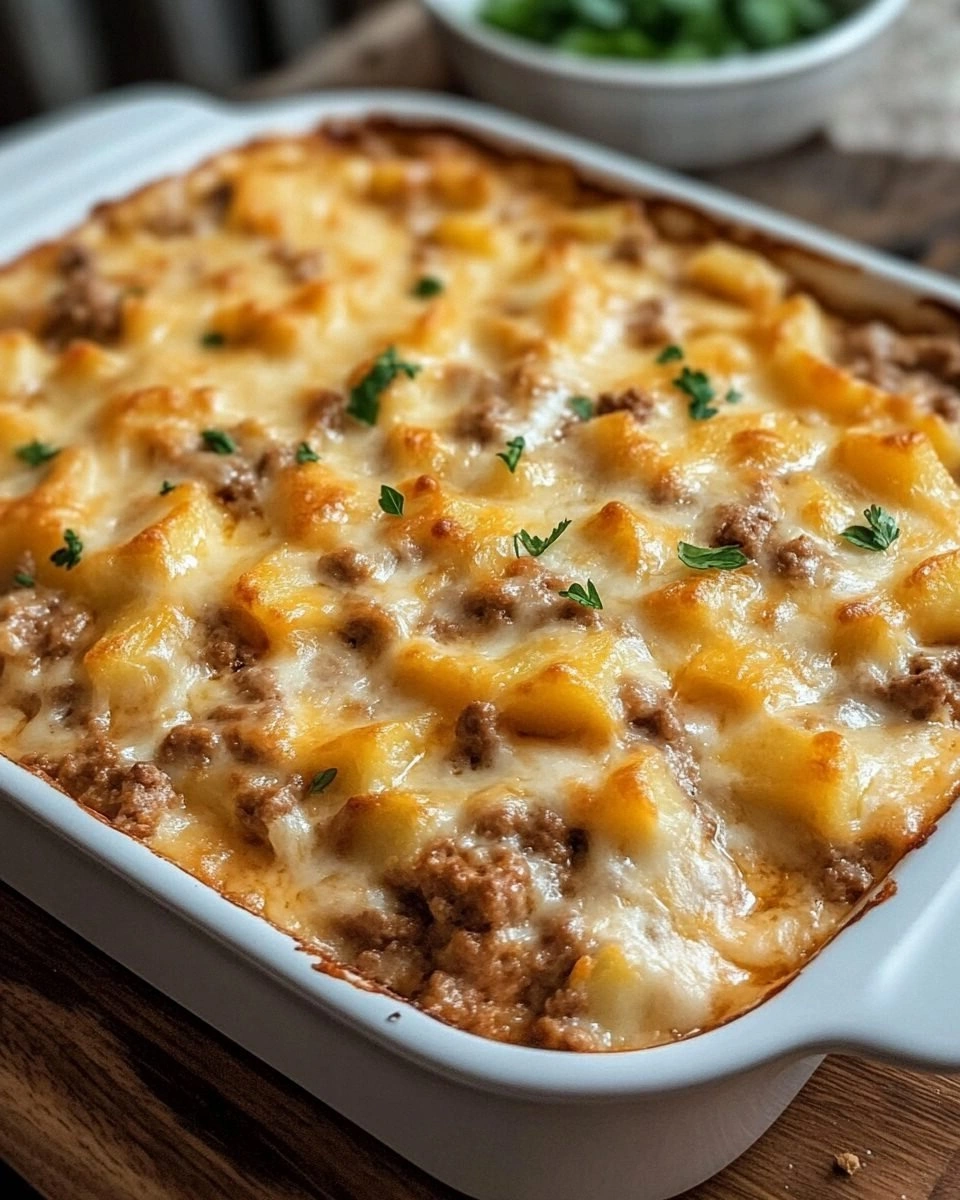
What makes this version stand out is not just the classic ingredients but the way they’re layered. I’ve added a splash of ketchup for a hint of sweetness that cuts through the richness, a pinch of paprika for a subtle smoky note, and a generous amount of cheese that melts into a gooey, golden crust. The secret sauce, made with a roux of butter and flour, gives the casserole a silky consistency that feels like a creamy pasta dish baked to perfection. I dare you to taste this and not go back for seconds. Trust me, this is hands down the best version you'll ever make at home.
I’ll be honest — I ate half the batch before anyone else got to try it. That’s because I discovered a technique that transforms ordinary ground beef into a flavor powerhouse: browning it with a splash of red wine and then deglazing the pan with a bit of tomato paste. This little trick infuses the meat with depth and a subtle acidity that lifts the entire dish. Picture yourself pulling this out of the oven, the whole kitchen smelling incredible, and the first bite sending a wave of comfort through your body. Stay with me here — this is worth it.
What Makes This Version Stand Out
- Flavor: The combination of ketchup and tomato sauce creates a balanced sweet‑savory profile that cuts through the richness of the beef.
- Texture: A roux-based sauce gives the casserole a silky mouthfeel, while the cheese layer adds a crispy, golden crust.
- Ingredient Quality: Using fresh ground beef and a splash of high‑quality red wine elevates the dish beyond a basic comfort meal.
- Cooking Method: Browning the meat first and deglazing the pan ensures maximum flavor extraction.
- Make‑Ahead Potential: Assemble the casserole and refrigerate for up to 24 hours; it actually tastes better the next day.
- Crowd Reaction: Friends rave about the gooey cheese and the tender pasta that never turns mushy.
- Versatility: Swap in different cheeses or add vegetables for a personalized twist.
- Time Efficiency: The entire process takes less than an hour from start to finish.
Alright, let’s break down exactly what goes into this masterpiece…
Inside the Ingredient List
The Flavor Base
Ground beef is the heart of this dish, and the key to a robust flavor is in how you cook it. Brown the meat in a hot pan until it's a deep mahogany color, then drain the fat. The more you let it brown, the richer the taste. If you skip this step, the casserole will feel flat and underwhelming.
Tomato sauce and ketchup form the sauce’s backbone. The sauce needs to be thick enough to coat the pasta without turning into a soup. The ketchup adds a subtle sweetness that balances the acidity of the tomato sauce. If you omit ketchup, the casserole will taste too sharp and the cheese won’t melt as beautifully.
A roux of butter and flour is essential for achieving that silky, velvety consistency. It thickens the sauce without making it clumpy. The roux also helps the cheese melt into a cohesive, golden top. Without it, you’ll end up with a watery casserole that feels more like a stew.
The Texture Crew
Elbow pasta is the classic choice because its shape holds sauce well and it doesn’t become mushy when baked. Cook the pasta al dente so it can absorb the sauce without falling apart. If you overcook the pasta, it will become mushy and ruin the texture.
Cheeses are the crowning glory. Shredded cheddar gives a sharp, salty bite, while mozzarella provides a gooey, stretchy melt. A sprinkle of parmesan on top adds a nutty finish. Skipping any of the cheeses will make the casserole less decadent.
Breadcrumbs and a pinch of red pepper flakes add a crunchy contrast to the creamy layers. The breadcrumbs should toast slightly in the oven, creating a satisfying crackle. Without them, the casserole will feel flat.
The Unexpected Star
Onions and garlic are the aromatic foundation. Dice the onion finely and mince the garlic to ensure they release their flavors fully. If you use whole cloves or leave the onions whole, the casserole will lack depth.
Paprika and oregano bring warmth and herbaceous undertones. These spices are subtle but essential; they lift the dish from ordinary to extraordinary. If you skip them, the casserole will feel one‑dimensional.
The Final Flourish
Milk adds creaminess to the sauce and helps bind the flavors. Use whole milk for a richer taste, but you can substitute half‑and‑half for a lighter version. Skipping the milk will make the sauce too thick and less cohesive.
A pinch of black pepper and a dash of salt finish the seasoning. Taste the sauce before adding the pasta; you’ll know it’s ready when it’s rich and slightly thick. Over‑seasoning can mask the delicate flavors of the beef and cheese.
Everything's prepped? Good. Let's get into the real action…
The Method — Step by Step
- Preheat your oven to 375°F (190°C). While the oven heats, bring a large pot of salted water to a rolling boil and add the elbow pasta. Cook until al dente, about 7 minutes. Drain and set aside; the pasta will finish cooking in the casserole. This step ensures the pasta stays firm and doesn’t become mushy when baked.
- Heat a large skillet over medium‑high heat and add the ground beef. Break it apart with a wooden spoon and cook until it turns a deep brown, about 8 minutes. Drain excess fat, leaving a tablespoon in the pan for flavor. The browned beef will give the casserole a savory base that’s impossible to replicate with quick‑cook ground meat.
- Add the diced onion to the skillet and sauté until translucent, about 3 minutes. Stir in the minced garlic and cook for another 30 seconds until fragrant. The onions and garlic release a sweet aroma that signals the sauce is building. This is the moment where your kitchen smells like a cozy home‑cooked meal.
- Season the beef with salt, pepper, paprika, and oregano. Stir well and let the spices mingle for a minute. This step is crucial; without proper seasoning, the casserole will taste bland. Taste the mixture, and adjust if needed.
- Reduce the heat to medium and add the butter to the skillet. Once melted, sprinkle in the flour and whisk to form a roux. Cook for 2 minutes, stirring constantly, until the roux turns a light golden brown. This process thickens the sauce and removes the raw flour taste.
- Slowly pour in the milk while whisking to avoid lumps. Stir in the tomato sauce and ketchup, then bring the mixture to a gentle simmer. Let it thicken for 5 minutes, stirring occasionally. The sauce should coat the back of a spoon. This is the moment of truth; if the sauce is too thin, the casserole will be watery.
- Fold in the cooked pasta and shredded cheddar and mozzarella cheeses. Mix until the pasta is evenly coated and the cheeses begin to melt. The mixture should look creamy and glossy. If the cheese doesn’t melt, double‑check the oven temperature.
- Transfer the casserole mixture into a greased 9×13-inch baking dish. Sprinkle the top with grated parmesan, breadcrumbs, and a pinch of red pepper flakes. These toppings create a golden, crunchy crust that contrasts the creamy interior.
- Bake uncovered for 20–25 minutes, or until the top is bubbling and golden brown. If you prefer a crispier crust, broil for the last 2 minutes, watching closely to avoid burning. This final step locks in flavors and gives the casserole a satisfying crunch.
- Let the casserole rest for 5 minutes before serving. This brief pause allows the flavors to settle and the cheese to set, making it easier to slice. Serve hot with a side of garlic bread or a crisp green salad.
That's it — you did it. But hold on, I've got a few more tricks that'll take this to another level…
Insider Tricks for Flawless Results
The Temperature Rule Nobody Follows
Many cooks bake at 350°F, but 375°F is the sweet spot for this casserole. The higher temperature ensures a crisp top while keeping the interior moist. If you lower the heat, the cheese may not melt fully, leaving a soggy center.
Why Your Nose Knows Best
Trust your nose when the sauce starts to thicken. A rich, tomato aroma indicates the roux has cooked long enough. If the sauce smells raw or floury, let it simmer a few more minutes.
The 5-Minute Rest That Changes Everything
Letting the casserole rest after baking allows the flavors to meld and the cheese to set. Skipping this step makes slicing messy and the cheese slides off the plate. I’ve seen people try to serve it immediately and end up with a gooey mess.
Keep It Crispy with Breadcrumbs
Toast your breadcrumbs in a dry skillet before sprinkling them on top. This extra step gives a crunchy, nutty flavor that contrasts the creamy layers. If you skip this, the breadcrumbs will be soggy.
Add a Splash of Milk for Creaminess
If your sauce feels thin, add a splash of milk and stir until it thickens. The milk adds a velvety texture that makes the casserole feel indulgent. I’ve used half‑and‑half for a richer version.
Use Fresh Ground Beef
Fresh ground beef has a brighter flavor and a better texture than pre‑seasoned or frozen varieties. It browns more evenly, giving the casserole a deeper, more complex taste. A friend tried frozen beef and the casserole turned out dry.
Creative Twists and Variations
This recipe is a playground. Here are some of my favorite ways to switch things up:
Spicy Southwestern Edition
Swap regular cheddar for pepper jack, add black beans and corn, and sprinkle chipotle powder into the sauce. The result is a smoky, spicy casserole that feels like a Tex‑Mex night in your kitchen.
Italian Fusion
Replace the tomato sauce with marinara, add diced bell peppers, and top with a mix of mozzarella and provolone. Finish with fresh basil and a drizzle of olive oil for an Italian twist.
Vegetarian Delight
Use lentils instead of ground beef, add chopped spinach and mushrooms, and top with ricotta and parmesan. This version keeps the creamy texture while offering a hearty, plant‑based option.
Cheesy Baked Ziti
Swap elbow pasta for ziti, use a blend of mozzarella and fontina, and add a layer of ricotta in the middle. This variation gives a richer, more decadent cheese profile.
Gluten‑Free Version
Use gluten‑free pasta and replace breadcrumbs with crushed rice crackers. The dish remains comforting and satisfying without the gluten.
Breakfast Casserole
Add cooked bacon, diced potatoes, and a splash of milk, then top with cheddar and bake. This version is a hearty breakfast that feels like brunch for the whole family.
Storing and Bringing It Back to Life
Fridge Storage
Cool the casserole to room temperature, cover tightly, and refrigerate for up to 3 days. When reheating, cover with foil to keep the top from drying out. Add a splash of milk before reheating to restore creaminess.
Freezer Friendly
Wrap the casserole in plastic wrap, then aluminum foil, and freeze for up to 2 months. Thaw overnight in the refrigerator before reheating. Reheat in a preheated oven at 350°F until heated through, about 25 minutes.
Best Reheating Method
Reheat in a covered skillet over low heat, stirring occasionally, until hot. Alternatively, microwave on medium power for 3–4 minutes, then finish in the oven for a crispy top. A tiny splash of water before reheating helps steam the casserole back to perfection.