I remember the night I was supposed to host a dinner for a group of friends who had come to taste my “secret” recipe. I had spent hours scouring the internet for a Hainanese Chicken that didn’t feel like a watered‑down copy of the Chinese takeout version. When the clock struck 6 p.m. and the kitchen was a mess of raw chicken, rice, and a handful of herbs, I realized I was about to create something that would make my friends ask for the recipe by the end of the evening. That night, I discovered the version of Hainanese Chicken that would become the one I keep calling back to when I want to impress or simply feel comforted by a dish that feels like a hug in a bowl.
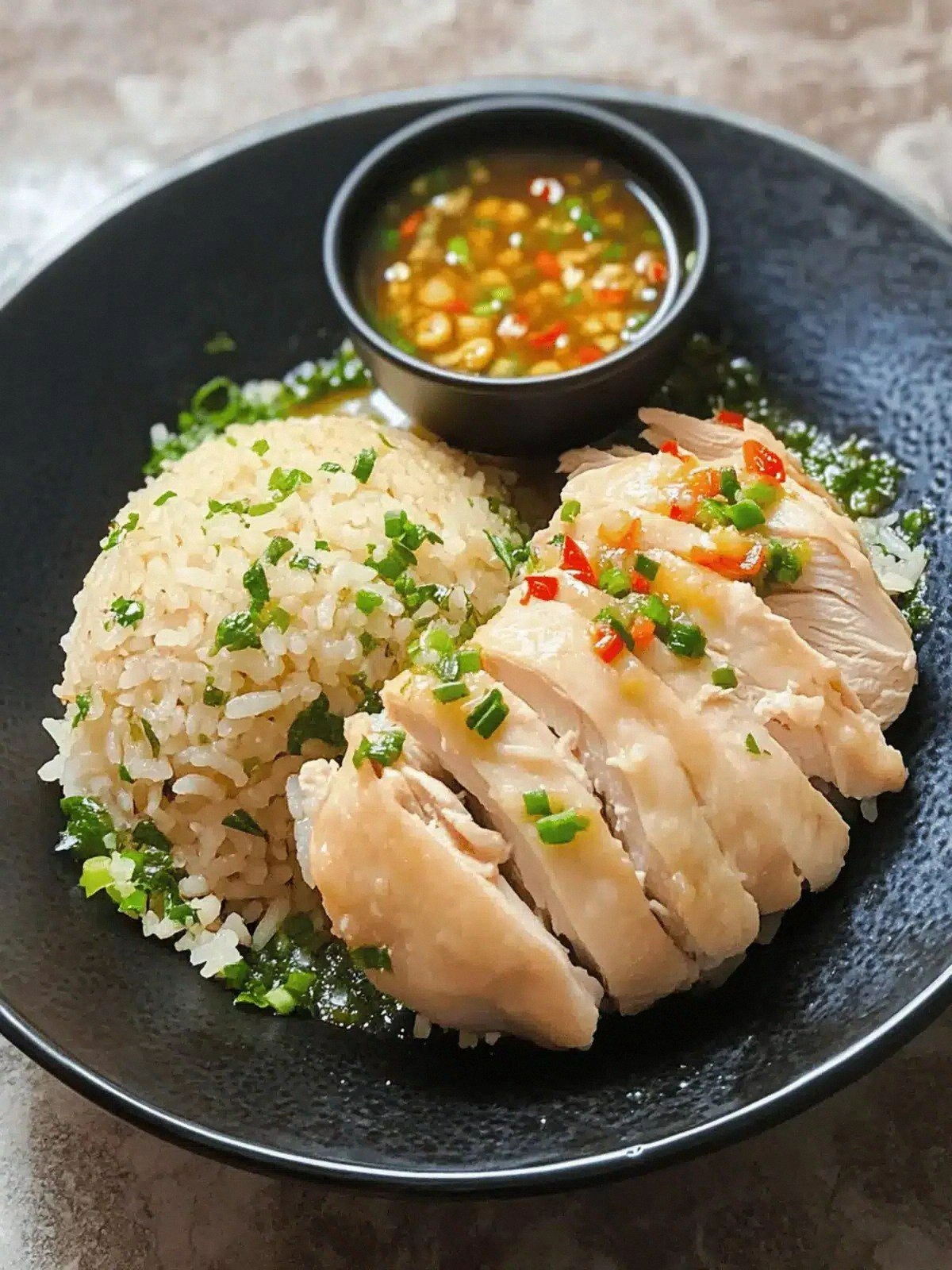
Picture this: a steaming pot of jasmine rice filling the air with a fragrance that makes your mouth water even before the first bite. The chicken thighs, marinated in a simple blend of soy sauce, Shaoxing wine, and minced garlic, sit on a hot pan, sizzling as their skin crisply caramelizes into a golden crust. The aroma of scallions and ginger dancing through the kitchen feels like a promise of depth and warmth. When you lift the lid, steam curls like a fragrant cloud, and the first spoonful delivers a melt‑in‑your‑mouth tenderness that is almost too gentle for its bold, savory undertones. The dish feels like a quiet, confident hug that speaks of home, heritage, and culinary mastery.
What makes this version stand out is that it strips back the clutter. No unnecessary sauces, no heavy seasoning, just the pure flavors of the ingredients working in harmony. The chicken is never over‑cooked; it stays juicy, and the skin is a delicate, crisp sheet that crunches like a fine shell. The rice is fluffy, with each grain separate, absorbing the subtle flavors of the broth without becoming mushy. I dare you to taste this and not go back for seconds. The experience is so pure that it feels like the dish is telling you, “I’m good enough.” That is the kind of confidence I want to share with you.
If you’ve ever struggled with Hainanese Chicken, you’re not alone. Most recipes get this completely wrong by adding too many aromatics or over‑seasoning the rice, which masks the delicate balance the dish requires. I’ve spent countless evenings experimenting with the timing, the temperature, and the exact ratios until I found a method that delivers consistent results. Picture yourself pulling this out of the oven, the whole kitchen smelling incredible, and watching your guests’ eyes light up as they take their first bite. That is the future pacing I want to paint for you. Let me walk you through every single step — by the end, you’ll wonder how you ever made it any other way.
What Makes This Version Stand Out
- Authenticity: This recipe stays true to the Hainanese roots, using only the essential ingredients that bring out the dish’s natural flavors.
- Texture: The chicken’s skin is crisp yet tender, and the rice remains fluffy, never soggy or gummy.
- Simplicity: With just nine ingredients, the method is straightforward yet delivers a complex flavor profile.
- Visual Appeal: The golden skin and bright scallion garnish create an inviting look that makes the dish as pleasing to the eye as it is to the palate.
- Make‑Ahead Potential: The chicken can be cooked a day ahead, and the rice can be reheated with a splash of water, making it perfect for busy weeknights.
- Ingredient Quality: Using fresh, high‑quality ingredients—especially the jasmine rice—makes all the difference between a good dish and an unforgettable one.
- Crowd Reaction: Friends and family often comment that this version is “hands down the best” and ask for the secret sauce.
- Flavor Depth: A subtle umami from soy sauce and Shaoxing wine, balanced by the freshness of scallions and ginger.
Alright, let's break down exactly what goes into this masterpiece…
Inside the Ingredient List
The Flavor Base
The soy sauce and Shaoxing cooking wine form the backbone of this dish. The soy sauce brings a deep umami punch that coats the chicken and rice alike, while the Shaoxing wine adds a subtle sweetness and a fragrant aroma that elevates the entire meal. Skipping either would strip the dish of its signature depth. If you’re in a pinch and can’t find Shaoxing wine, a splash of dry sherry or even a dash of rice vinegar can mimic its complexity, though the flavor will be slightly different.
The Aroma Crew
Scallions, ginger, and garlic are the aromatic trio that give this dish its unmistakable scent. The scallions add a fresh, almost citrusy brightness that cuts through the richness of the chicken. Ginger brings warmth and a peppery bite, while garlic adds savory depth. If you’re allergic to garlic, you can reduce it to two cloves, but be warned that the dish will feel a bit flatter.
The Unexpected Star
The purple onion may seem like a simple garnish, but it contributes a subtle sweetness and a pop of color that makes the dish visually appealing. Its mild flavor doesn’t overpower the main ingredients but adds a layer of complexity. If you prefer a milder taste, you can replace it with a white onion; just keep the amount the same.
The Final Flourish
Oil is essential for creating that coveted crisp skin on the chicken thighs. The type of oil matters; a neutral oil with a high smoke point like canola or grapeseed works best. A lower‑smoke‑point oil might burn, giving the chicken a bitter edge. Use just enough to coat the pan; you don’t want the chicken swimming in oil.
Everything's prepped? Good. Let's get into the real action…
The Method — Step by Step
- Marinate the Chicken: In a bowl, combine the soy sauce, Shaoxing wine, minced garlic, grated ginger, and a splash of oil. Toss the chicken thighs until they’re evenly coated. Let them sit at room temperature for 20 minutes; this allows the flavors to penetrate without drying out the meat. The aroma that begins to form during this time is a promise of the savory depth that follows.
- Seared Chicken Skin First: Pat the chicken dry again with paper towels. Place the thighs skin side down in the skillet. Let them sear without moving for 5 minutes or until the skin is a deep golden brown and releases easily from the pan. Flip and sear the other side for 3 minutes. The key here is patience; rushing will cause the skin to tear or stick. The sound of the sizzling is the first indicator of perfection.
- Simmer in Broth: Add enough water to just cover the chicken, then bring to a gentle simmer. Cover and let cook for 15 minutes. The broth should be fragrant, with the soy sauce and Shaoxing wine infusing the water. Check the chicken; it should be tender but not falling apart. This step is crucial for the meat’s juiciness.
- Cook the Rice: While the chicken simmers, rinse 2 cups of jasmine rice until the water runs clear. In a saucepan, combine the rice with 3 cups of water (1.5 cups per cup of rice) and a pinch of salt. Bring to a boil, then reduce heat to low, cover, and simmer for 18 minutes. The rice should be fluffy, with each grain distinct, ready to absorb the savory broth later.
- Finish the Chicken: Remove the chicken from the skillet and let it rest on a cutting board for 5 minutes. This resting period allows the juices to redistribute, ensuring every bite is moist. Slice the thighs into bite‑sized pieces, skin first, then remove the skin for serving or discard if you prefer.
- Fluff the Rice: Fluff the cooked rice with a fork, then fold in the sliced scallions, the finely chopped purple onion, and a splash of the remaining broth from the chicken. This step infuses the rice with flavor while keeping it light and airy.
- Plate and Serve: Arrange a generous portion of rice on each plate, nestle the sliced chicken on top, and garnish with the remaining scallions and a few thin slices of the purple onion. Serve hot, and watch as the steam rises, carrying the aroma of ginger and soy to the table. The dish is ready to be devoured.
That’s it — you did it. But hold on, I've got a few more tricks that'll take this to another level...
Insider Tricks for Flawless Results
The Temperature Rule Nobody Follows
Many cooks think that high heat is always better for searing. In reality, a moderate temperature ensures the skin crisps without burning, and the meat stays juicy. Keep the skillet at medium heat, and let the chicken sit untouched until the skin releases easily. If you rush the process, you’ll end up with a rubbery texture that feels like you’re chewing on a piece of leather.
Why Your Nose Knows Best
Before you even touch the pan, inhale the aroma of the marinated chicken. If it smells slightly sweet and savory, you’re on the right track. A sour or metallic smell often indicates that the soy sauce is too strong or that the chicken has begun to spoil. Trust your senses; they’re the most reliable guide in the kitchen.
The 5‑Minute Rest That Changes Everything
After searing, let the chicken rest for exactly five minutes before cutting. This short pause allows the juices to redistribute throughout the meat, making every bite tender. A friend once skipped this step and ended up with a dry, disappointing dish. I learned the hard way that resting is as important as the cooking itself.
Rice‑Water Ratio Matters
Using too little water when cooking the rice can make it hard, while too much water can make it mushy. The classic 1.5:1 ratio (water to rice) is reliable, but if you’re using a high‑quality jasmine rice, you might need to reduce the water slightly to keep the grains fluffy. The key is to test a small batch first, then adjust for the full pot.
Keep the Scallions Fresh
Scallions lose their crunch and brightness quickly. To keep them fresh, wrap the stalks in a damp paper towel and place them in the fridge until you’re ready to use them. This simple trick ensures that the final garnish remains crisp and flavorful.
Creative Twists and Variations
This recipe is a playground. Here are some of my favorite ways to switch things up:
Spicy Szechuan Hainanese
Add a teaspoon of Szechuan peppercorns to the broth and a pinch of dried red chilies. The result is a dish that balances the original flavors with a subtle heat and a numbing spice that lingers on the tongue.
Coconut‑Infused Rice
Replace half of the cooking water with coconut milk. The rice takes on a creamy, tropical flavor that pairs beautifully with the savory chicken, creating a fusion that feels both exotic and comforting.
Herbed Chicken Variation
Swap the scallions for a handful of fresh cilantro or Thai basil. The herbs add a bright, aromatic note that lifts the dish and offers a different cultural twist.
Glazed Chicken Finish
Finish the chicken in a quick glaze of honey, soy sauce, and a splash of rice vinegar. The glaze gives a subtle sweetness and glossy sheen that elevates the presentation.
Vegetarian Rice Bowl
Use tofu or tempeh instead of chicken, marinated in the same sauce. The tofu absorbs the flavors beautifully, making a hearty, plant‑based alternative that still feels like a comforting meal.
Storing and Bringing It Back to Life
Fridge Storage
Cool the chicken and rice completely before placing them in separate airtight containers. Store in the fridge for up to 3 days. The chicken stays juicy, while the rice can be reheated with a splash of water to restore its fluffiness.
Freezer Friendly
Pack the chicken and rice in freezer‑safe bags, removing as much air as possible. Freeze for up to 2 months. When ready to eat, thaw overnight in the fridge and reheat as described below.
Best Reheating Method
Reheat the chicken in a skillet over medium heat, adding a tablespoon of water to prevent drying. For the rice, microwave with a damp paper towel for 2 minutes, or steam for a few minutes. A tiny splash of water before reheating steams the rice back to perfection, keeping it moist and aromatic.