I still remember the night I nearly burned my kitchen down while chasing a craving that felt like a rebellious spark. The aroma of that one ramen pack had been dancing in my head for weeks, and I was determined to turn it into something unforgettable. I pulled the pack from the pantry, opened the lid, and the scent of spicy, smoky broth flooded the room, making my heart race. The sizzle of the noodles hit the pot like a drumbeat, and I felt the familiar rush of anticipation. I dared myself to experiment, and what followed was a culinary revelation that would change how I view ramen forever.
Picture this: a steaming bowl of ramen that’s not just a bowl, but a canvas. The noodles, infused with the fiery kick of Buldak HOT Chicken Flavour, are coated in a velvety sauce that clings to every strand. The rice paper sheets, when folded around the noodles, create a delicate, chewy pocket that bursts with flavor when you bite into it. The Emmental cheese melts into a golden, gooey layer, while the fresh and reserved spring onions add a crisp, green pop that cuts through the heat. The mayo, surprisingly, brings a creamy richness that balances the spice like a secret ally. Every bite is a symphony of textures and temperatures, a dance of heat, creaminess, and crunch.
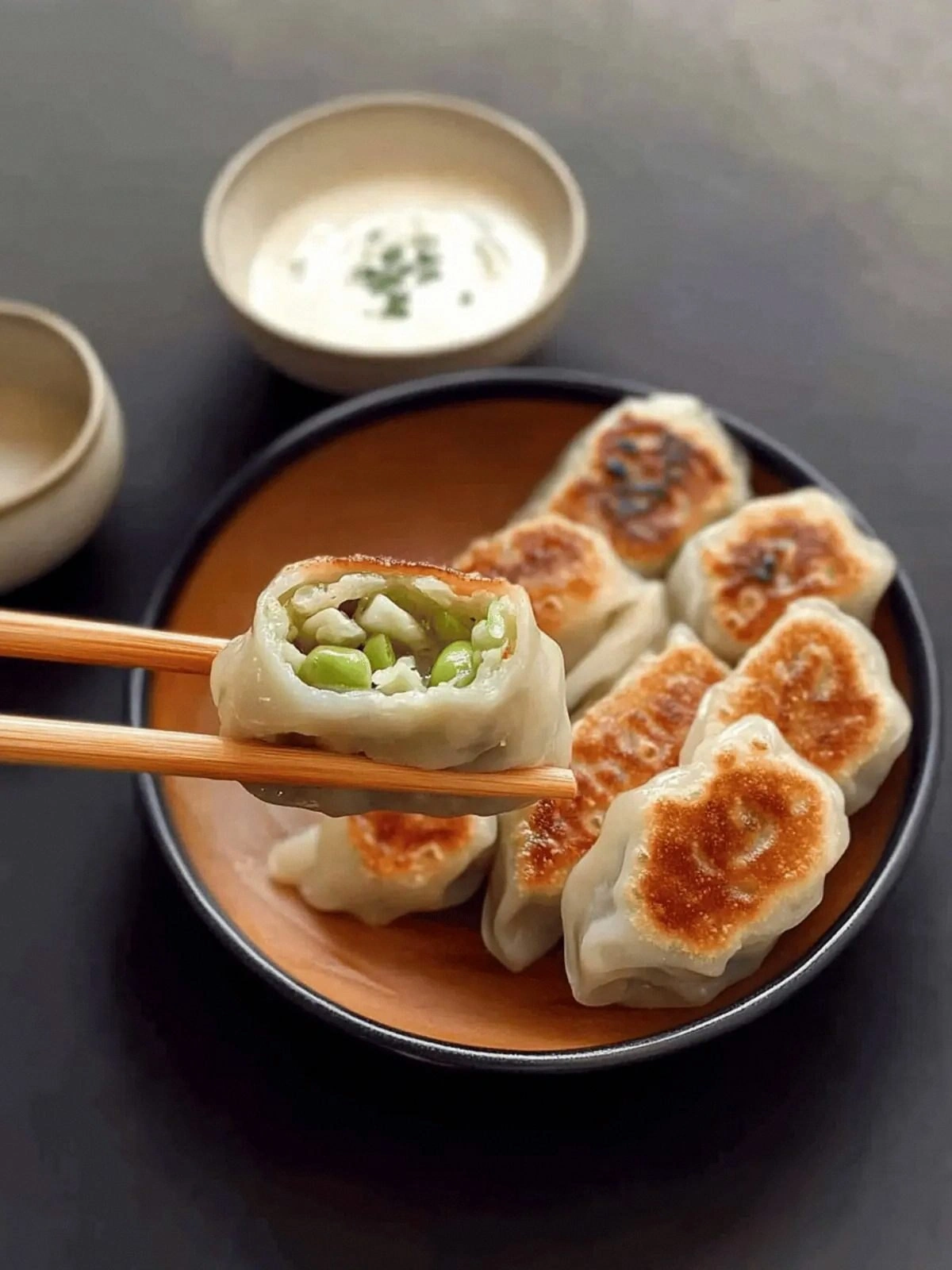
I’ve tasted countless ramen variations, from the humble instant to the gourmet, and most of them miss the mark in one way or another. Either they’re too bland, too greasy, or they lack that satisfying chew that makes ramen a comfort food. This version, however, is a game-changer. It marries the fiery essence of Buldak with the comforting familiarity of dumplings, wrapped in rice paper for that unique chew. The cheese melts into a silky coating that feels like a luxurious hug, while the mayo adds a subtle tang that keeps the dish from tipping too far into heat. The result is a dish that is both daring and approachable, a culinary paradox that you can’t help but devour.
I dare you to taste this and not go back for seconds. If you think you can handle the heat, try it with a side of chilled cucumber slices to cool your palate. And if you’re still skeptical, remember that most recipes get this completely wrong—missing the delicate balance of spice, cream, and chew. This is hands down the best version you'll ever make at home. Picture yourself pulling this out of the pan, the whole kitchen smelling incredible, and your friends gasping in awe. Let me walk you through every single step—by the end, you'll wonder how you ever made it any other way.
What Makes This Version Stand Out
- Flavor: The Buldak ramen provides an instant, fiery kick that is amplified by the creamy mayo, creating a depth of flavor that is both bold and balanced.
- Texture: Rice paper sheets give a chewy, slightly translucent layer that contrasts with the smooth cheese and crispy onion.
- Visual Appeal: The golden cheese melt and bright green onions make for a dish that looks as good as it tastes.
- Convenience: No special equipment needed; just a pot, a pan, and your favorite ramen pack.
- Make‑ahead Friendly: Assemble the dumplings and refrigerate; cook them fresh when you’re ready to eat.
- Uniqueness: Combining ramen noodles with rice paper is a twist that few have tried, giving this dish a distinct identity.
- Crowd‑Pleaser: The dish’s heat level is adjustable, making it suitable for both adventurous eaters and those who prefer a milder bite.
- Ingredient Quality: Using Emmental cheese adds a subtle nutty flavor that sets it apart from standard cheddar or mozzarella.
Alright, let's break down exactly what goes into this masterpiece…
Inside the Ingredient List
The Flavor Base
Buldak HOT Chicken Flavour Ramen is the star of this dish. Its blend of Korean chili paste, garlic, and smoky undertones creates an explosive kick that lingers on the palate. Skipping the ramen means losing the foundational heat that makes the dish memorable. If you’re in a pinch, a regular instant ramen can work, but the flavor will be noticeably milder.
The sauce that coats the noodles is simple yet powerful. When you pour the ramen broth over the noodles, let it simmer until it thickens slightly. This creates a glossy glaze that clings to each strand, ensuring that every bite is saturated with flavor. A quick stir ensures even distribution of spices.
The Texture Crew
Rice paper sheets are the unsung heroes that give this dish its signature chew. They are thin, translucent, and absorb moisture without becoming mushy. If you soak them too long, they will tear; if you don’t soak them enough, they won’t fold smoothly. A 30‑second dip in warm water is perfect for achieving that pliable consistency.
Emmental cheese brings a subtle nutty flavor and melts into a silky coating that feels like a velvety blanket over the noodles. The cheese’s high melting point ensures it stays gooey without turning oily. If you prefer a sharper taste, try substituting Gruyère; the result will be slightly more robust.
Spring onions, fresh and crisp, add a bright, oniony crunch that cuts through the heat. The reserved spring onions, leftover from a previous batch or a batch you plan to make, give the dish an extra layer of flavor and a subtle depth. Using both fresh and reserved ensures a layered onion profile.
The Unexpected Star
Mayonnaise isn’t just a side condiment; it’s a key ingredient that brings a creamy, buttery texture to the dish. It also acts as a mild buffer against the intense spice of the ramen. The mayo’s tang balances the heat, making each bite more approachable. If you’re vegan, a plant‑based mayo will work, but be aware it may alter the flavor slightly.
When you combine the mayo with the ramen broth, a subtle emulsification occurs, turning the sauce into a silky, glossy coating that adheres to the noodles and rice paper. This step is critical for achieving that “smooth” mouthfeel that many ramen lovers crave.
The Final Flourish
The final flourish comes from the careful arrangement of the dumplings on a serving platter. The arrangement should be visually appealing—think of a mini mosaic of golden cheese and green onion. Garnish with a sprinkle of sesame seeds for an added crunch and a nutty aroma. The result is a dish that is as pleasing to the eye as it is to the palate.
Everything's prepped? Good. Let's get into the real action…
The Method — Step by Step
- Begin by bringing a large pot of salted water to a rolling boil. Add the ramen pack, breaking it into pieces if desired, and cook for 2 minutes. Skim off any foam that rises to the surface, as it can add bitterness. Drain the noodles and set aside. This step ensures the noodles are cooked just enough to hold their shape during the rest of the process.
- While the noodles are cooking, heat a medium pan over medium heat. Add the ramen broth and let it reduce until it reaches a slightly thickened consistency, about 5 minutes. Stir frequently to prevent sticking. The reduction will concentrate the flavors and create a glossy glaze that coats the noodles.
- Take a sheet of rice paper and dip it in warm water for 30 seconds, just until it becomes pliable. Lay it flat on a clean surface. Place a small spoonful of noodles in the center, sprinkle a pinch of mayo, add a few strands of fresh spring onion, and top with a slice of Emmental cheese. Fold the edges over and roll tightly, sealing the edges with a dab of water. Repeat with the remaining sheets. This process may feel a bit fiddly, but it’s worth the effort for that perfect chewy bite.
- Heat a non‑stick skillet over medium heat and lightly oil it with a neutral oil. Place the dumplings seam‑side down and cook for 2 minutes until the bottom is golden brown. Flip them and cook the other side for another 2 minutes, pressing gently with a spatula to ensure even cooking. The heat should create a crisp edge that shatters like thin ice when bitten.
- In a small bowl, whisk together the reserved spring onions, a splash of soy sauce, and a pinch of sesame oil. This sauce will add a savory depth and a hint of umami. Drizzle it over the cooked dumplings for a final burst of flavor.
- Serve immediately on a warmed platter. The dumplings should be hot and the cheese still melting into a golden, creamy layer. The aroma alone will make your guests feel like they’re in a Korean street market.
- Optional: For an extra touch of crunch, sprinkle toasted sesame seeds or crushed peanuts over the top. This will add a nutty crunch that complements the smooth cheese and spicy broth.
- Enjoy with a side of sliced cucumber or pickled vegetables to balance the heat. The coolness of the cucumber will contrast beautifully with the spicy, cheesy dumplings.
That's it — you did it. But hold on, I've got a few more tricks that'll take this to another level.
Insider Tricks for Flawless Results
The Temperature Rule Nobody Follows
Cooking the noodles at just the right temperature is critical. If the water is too hot, the noodles become mushy and lose their chew. If it’s too cool, they’ll stick together. Aim for a steady boil—no rolling, but a vigorous simmer that keeps the noodles moving. This simple rule ensures a consistent texture in every bite.
Why Your Nose Knows Best
When the ramen broth starts to reduce, the aroma will change from sharp to rich. Trust that scent as your cue to reduce the heat. A strong, savory smell indicates the broth has concentrated and is ready to coat the noodles. If you skip this step, the sauce will be thin and less flavorful.
The 5‑Minute Rest That Changes Everything
After cooking the dumplings, let them rest for five minutes on a rack. This rest allows the cheese to set slightly, preventing it from oozing out when you cut into the dumpling. The rest also lets the flavors meld, creating a more harmonious bite.
The Secret to a Crispy Edge
If you want an extra crispy edge, lightly dust the dumplings with a pinch of cornstarch before frying. The starch will absorb moisture and create a crunchy crust. This trick is often used in Korean street food and adds a delightful textural contrast.
The Right Oil Matters
Use a neutral oil with a high smoke point, like grapeseed or canola, for frying. Olive oil can burn quickly and impart a bitter taste. If you’re aiming for a more flavorful oil, a splash of sesame oil at the end will add a subtle nutty aroma without overpowering the dish.
Creative Twists and Variations
This recipe is a playground. Here are some of my favorite ways to switch things up:
Spicy Kimchi Twist
Swap the fresh spring onions for chopped kimchi. The fermented tang will complement the heat and add a probiotic boost. Kimchi also introduces a subtle sourness that balances the richness of the cheese.
Seafood Surprise
Add a handful of shrimp or crab meat to the noodle mixture before rolling. The seafood will absorb the spicy broth and create a luxurious, umami-packed dumpling.
Vegan Edition
Use a plant‑based cheese alternative and vegan mayo. The flavor profile will stay similar, but the dish will be suitable for plant‑based diners. Just make sure the cheese melts well.
Mediterranean Flair
Replace the ramen broth with a tomato‑based sauce and add feta cheese instead of Emmental. The tangy feta will give the dumplings a Mediterranean vibe while still maintaining the chewy texture.
Dessert Dumpling
For a sweet twist, fill the rice paper with a mixture of sweetened red bean paste and a drizzle of honey. Serve with a light coconut milk sauce for a dessert version that still keeps the chewy rice paper.
Storing and Bringing It Back to Life
Fridge Storage
Store uncooked dumplings in an airtight container for up to 2 days. Keep them in the refrigerator to maintain freshness. When ready to cook, bring them to room temperature for 10 minutes to ensure even cooking.
Freezer Friendly
Freeze cooked dumplings in a single layer on a parchment‑lined tray for up to 1 month. Once frozen, transfer them to a zip‑lock bag. Reheat directly from the freezer for best results.
Best Reheating Method
Reheat in a skillet over medium heat, adding a splash of water to keep the dumplings moist. The water will create steam that re‑softens the rice paper and melts the cheese to perfection. A quick 2‑minute pan‑fry is enough to bring them back to life.