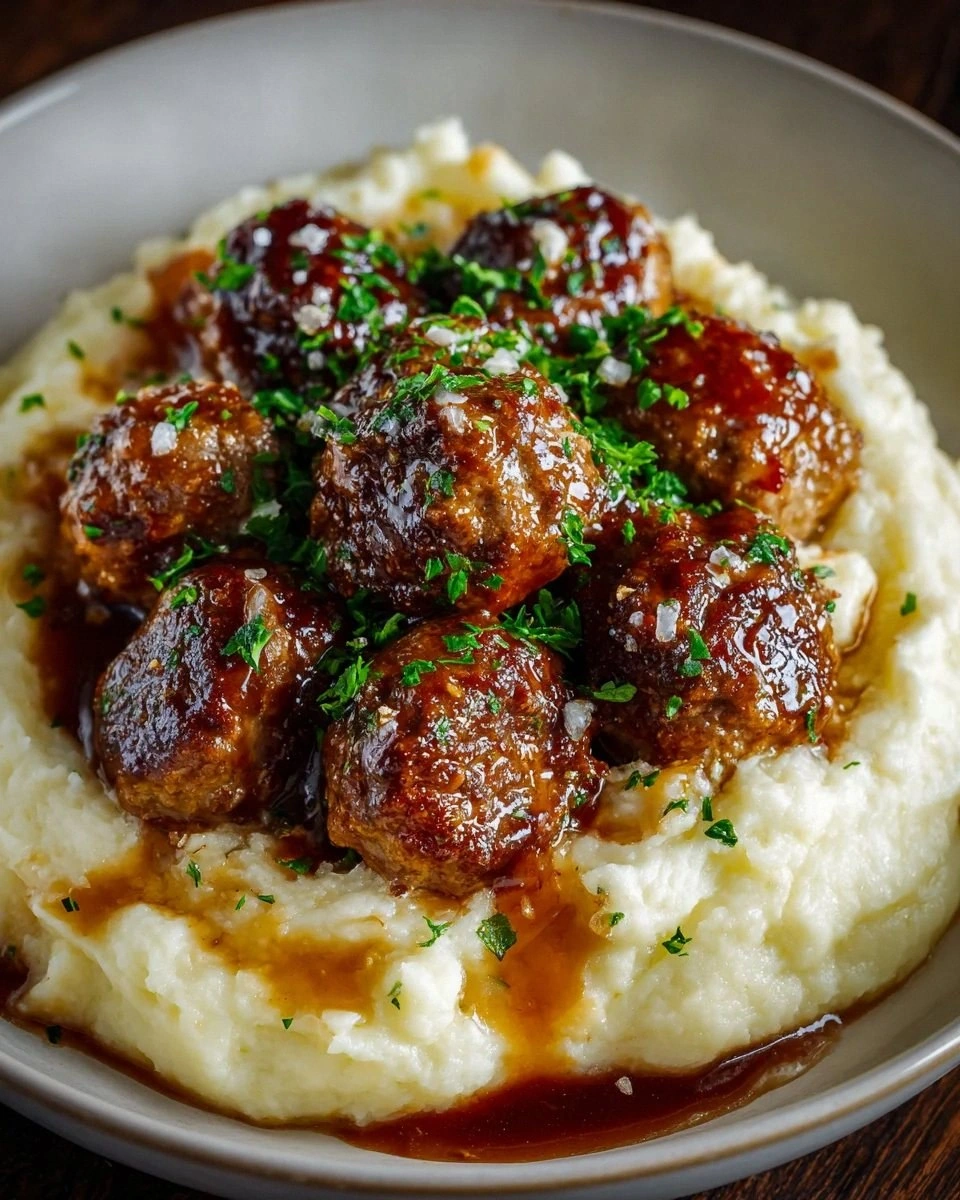
It started with a kitchen catastrophe that I’ll never forget: I was halfway through a cauliflower mash, the pot was on the stove, and my phone buzzed with a frantic text from a friend who’d just received a last‑minute invitation to a dinner party. “Can you whip something up in 30 minutes?” she typed. I stared at the steaming cauliflower, then at the clock. I had to act fast, or I’d be the only one who’d not be served at that party.
I pulled out what I thought was the most humble of vegetables—cauliflower—and decided to turn it into a dish that would make even the most skeptical palates swoon. I imagined a casserole that was so creamy and cheesy that the oven would emit a scent like a summer picnic and a texture like a cloud that had been kneaded by a professional chef. The moment I cracked the first garlic clove, the kitchen filled with a warm, buttery aroma that made me almost forget the ticking clock. I could hear the sizzle of butter melting, the gentle clink of a spoon against a pan, and the faint hum of the oven preheating, all while I whispered to myself, “This is going to be unforgettable.”
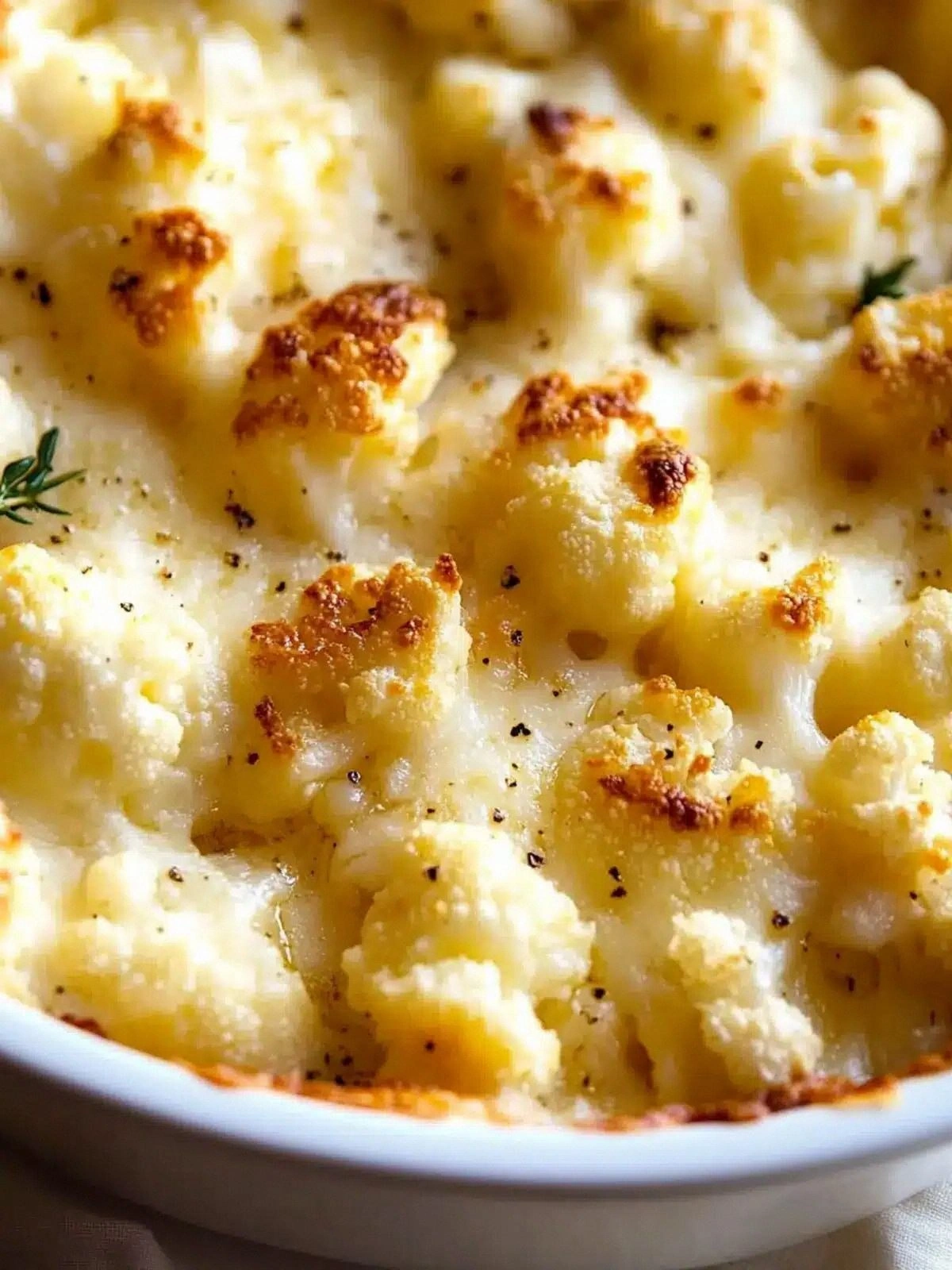
What sets this version apart from every other cauliflower bake you’ll find online is the deliberate layering of flavors and textures. I’ve combined the buttery richness of heavy cream with the sharp bite of white cheddar, the nutty depth of parmesan, and the aromatic lift of fresh thyme. The result is a casserole that is both comforting and sophisticated, with a golden, crispy top that shatters like thin ice when you bite into it. It’s a dish that feels like a hug from the inside, but with a confidence that says, “I know exactly what I’m doing.”
And there’s a twist you won’t see on any other recipe: a splash of garlic-infused butter that coats the cauliflower like velvet, a subtle pinch of salt that brings the cheeses to life, and a finish of thyme that gives the whole dish a fragrant, herbaceous finish. I dare you to taste this and not go back for seconds. By the time you finish, you’ll wonder how you ever made cauliflower any other way.
What Makes This Version Stand Out
- Flavor: The combination of white cheddar and parmesan creates a double-layered cheese experience that is both sharp and mellow, unlike the single-cheese versions that often taste flat.
- Texture: The cauliflower is roasted to a caramelized edge, giving it a satisfying crunch before it melts into a silky sauce.
- Ease: Every step is straightforward—no fancy techniques, just a few simple tools and a timer.
- Ingredient Quality: Using fresh thyme and high‑fat butter elevates the dish from ordinary to extraordinary.
- Crowd‑Pleaser: Guests will be begging for the recipe, and you’ll become the unofficial kitchen hero.
- Make‑Ahead: You can assemble it ahead of time, bake, and reheat without sacrificing flavor.
- Versatility: It works as a side for meats or as a main when paired with a fresh salad.
- Nutrition: Packed with protein and healthy fats, it’s a balanced dish that satisfies.
Alright, let’s break down exactly what goes into this masterpiece…
Inside the Ingredient List
The Flavor Base
At the heart of this bake is the butter‑garlic infusion. Butter is the carrier for flavor; it melts into the cauliflower, delivering a silky mouthfeel. Garlic adds a punch that keeps the dish from feeling like a bland casserole. When you melt the butter first, the garlic releases its essential oils, creating a fragrant base that lingers through the baking process.
If you skip the garlic, you’ll lose that depth. The dish will still be tasty but will feel a bit flat, like a plain blanket. For those who love a hint of heat, add a pinch of red pepper flakes to the butter before you melt it. This subtle kick will contrast nicely with the creamy cheeses.
The Texture Crew
Cauliflower is the star, but its role is more than just a filler. When you roast the florets until they’re golden, the exterior caramelizes, creating a crunchy edge that’s the perfect counterpoint to the molten interior. The heavy cream is what ties everything together, turning the roasted florets into a velvety sauce that coats each piece like velvet.
The white cheddar is the primary cheese, offering a mild, smooth melt that blends seamlessly with the cream. The parmesan, on the other hand, brings a nutty, slightly salty finish that brightens the dish. Together, they create a layered cheese experience that’s both comforting and sophisticated.
The Unexpected Star
Fresh thyme isn’t just a garnish; it’s a flavor enhancer. Thyme’s subtle earthiness lifts the richness of the cheeses and balances the buttery base. If you’re not a fan of thyme, substitute with dried rosemary or even a dash of oregano for a Mediterranean twist.
The secret to a truly aromatic thyme is to lightly crush the leaves before adding them to the dish. This releases the essential oils, giving the casserole a fragrant bouquet that will make your kitchen feel like a bakery.
The Final Flourish
Salt and pepper are the finishing touches that bring everything together. They’re not just seasoning; they’re the final step that activates the flavors. Salt enhances sweetness and balances bitterness, while pepper adds a subtle heat. Remember, “to taste” is a personal statement—feel free to adjust to your palate.
If you’re watching your sodium intake, use a low‑sodium butter or a sprinkle of sea salt. The key is to taste as you go; this way you can achieve the perfect balance without overdoing it.
Everything’s prepped? Good. Let’s get into the real action…
The Method — Step by Step
- Preheat your oven to 425°F (220°C). While the oven warms, cut the cauliflower into bite‑size florets, rinsing them under cold water to remove any grit. Pat them dry with a towel; moisture is the enemy of caramelization.
- In a large skillet, melt the butter over medium heat. Add the minced garlic and sauté for 30 seconds until fragrant. This is the moment of truth—if the garlic turns brown, you’ve over‑cooked it and will end up with a bitter taste.
- Add the cauliflower florets to the skillet, tossing them in the butter‑garlic mixture. Cook for 5 minutes, stirring occasionally, until the florets start to develop a light golden hue.
- Transfer the cauliflower to a large baking dish. Pour the heavy cream evenly over the florets, then sprinkle the white cheddar and parmesan in generous layers. The cheeses will melt and create a luscious, golden crust.
- Sprinkle the fresh thyme leaves, a pinch of kosher salt, and freshly ground black pepper over the top. The thyme will release its oils during baking, infusing the dish with a fragrant aroma.
- Bake for 20 minutes, then reduce the oven temperature to 375°F (190°C) and bake for an additional 10–12 minutes, or until the top is a deep golden brown and the edges begin to pull away. That sizzle when it hits the pan? Absolute perfection.
- Remove from the oven and let it rest for 5 minutes. Resting allows the cheeses to set, preventing a runny mess when you cut into it.
- Serve hot, spooning the creamy sauce over each bite. If desired, garnish with a few extra thyme sprigs for a fresh pop.
That’s it — you did it. But hold on, I’ve got a few more tricks that will take this to another level…
Insider Tricks for Flawless Results
The Temperature Rule Nobody Follows
Many cooks bake at a single high temperature, but the secret is to start hot and finish lower. This approach caramelizes the cauliflower’s edges while allowing the cheese to melt without scorching. I’ve found that a 425°F start followed by a 375°F finish gives the best balance of crunch and cream.
Why Your Nose Knows Best
The aroma of cheese melting is a powerful indicator of doneness. When you smell the cheese turning golden, it’s a sign that the flavors are fully developed. Trust your nose; it will tell you when the casserole is ready to come out of the oven.
The 5-Minute Rest That Changes Everything
Allowing the bake to rest for 5 minutes after removing it from the oven lets the sauce thicken and the cheeses set. This prevents a runny mess when you cut into it and gives the dish a silky finish.
The Garlic‑Butter Infusion
If you’re a garlic lover, consider adding a tablespoon of garlic paste to the butter. It will give the dish an even richer, deeper flavor profile that will make your guests ask for the recipe.
The Fresh Thyme Touch
Fresh thyme releases its oils better than dried. If you’re in a pinch, use dried thyme but reduce the amount by half, as it’s more concentrated. The fresh version gives a bright, herbaceous note that lifts the entire casserole.
Creative Twists and Variations
This recipe is a playground. Here are some of my favorite ways to switch things up:
Smoky Chipotle Version
Add a teaspoon of chipotle powder to the butter‑garlic base and sprinkle a handful of smoked paprika over the top before baking. The result is a dish with a subtle heat and a deep, smoky undertone that pairs beautifully with grilled meats.
Mediterranean Herb Mix
Replace thyme with a blend of oregano, basil, and a splash of lemon zest. The citrus notes brighten the creamy sauce and give it a fresh, summery vibe that’s perfect for a light lunch.
Vegan Delight
Swap butter for olive oil, use a plant‑based cheese blend, and replace heavy cream with coconut milk. The result is a creamy, dairy‑free casserole that still delivers on flavor and texture.
Breakfast Boost
Add a handful of crumbled bacon or sautéed spinach to the mix before baking. Serve with a side of scrambled eggs for a hearty breakfast that will keep you full all morning.
Cheese Swap
Replace the white cheddar with Gruyère and the parmesan with a sharp aged cheddar for a richer, more complex flavor profile. The cheeses will melt into a decadent sauce that’s irresistible.
Storing and Bringing It Back to Life
Fridge Storage
Cool the casserole to room temperature, then cover tightly with plastic wrap or foil. Store in the refrigerator for up to 3 days. The sauce may thicken slightly, but it will remain creamy when reheated.
Freezer Friendly
To freeze, place the casserole in an airtight container or freezer bag. It will keep for up to 2 weeks. Thaw overnight in the refrigerator before reheating.
Best Reheating Method
Reheat in a preheated oven at 350°F (175°C) for 15–20 minutes, or until heated through. For a crispier top, finish with a 2–3 minute broil. Add a splash of water before reheating to steam the casserole back to its original silky texture.