Picture this: I’m standing in a cramped apartment kitchen, the scent of burnt garlic still lingering from last night’s experiment, when a friend texts me a photo of a golden, bubbling dip that looks like liquid sunshine. I’m instantly hooked, and I swear I could taste the Mediterranean breeze in my mouth even before I’ve taken a bite. That image sparked a midnight craving that turned into a full‑blown obsession. I was determined to recreate that exact moment, but with a twist that would make it the definitive version of a Mediterranean olive oil dip.
I’ve spent countless hours flipping through cookbooks, hunting for that one secret ingredient that elevates a simple olive oil base into a flavor explosion. The first time I tasted the dip, the olive oil seemed to sing, the lemon cut through the richness, and the herbs whispered stories of sun‑kissed terraces. The texture was silky yet slightly chunky, a contrast that made every spoonful a new experience. The aroma was a medley of fresh oregano, garlic, and the faintest hint of sea salt—so intoxicating I almost cried. That’s the moment when I knew I had to share this with anyone who loves bold, uncomplicated Mediterranean cuisine.
What makes this version stand out? I’ll be honest—I ate half the batch before anyone else got to try it, and the feedback was unanimous: “This is hands down the best version you’ll ever make at home.” The secret? A carefully balanced ratio of extra‑virgin olive oil to lemon juice, a splash of capers for brininess, and a generous handful of fresh herbs that give the dip a bright, herbal punch. It’s simple enough to make on a busy weeknight, yet elegant enough to wow guests at a dinner party. And the best part? I’ve added a small, unexpected ingredient that most recipes skip—sun‑dried tomatoes, which give the dip a subtle sweetness and a burst of umami that keeps the palate engaged.
If you’ve ever struggled with dips that taste flat or greasy, you’re not alone. Most recipes get this completely wrong by over‑drizzling oil or under‑seasoning. Here’s what actually works: the right balance of acidity, the right type of oil, and the right timing for adding the fresh ingredients. I dare you to taste this and not go back for seconds. Let me walk you through every single step — by the end, you’ll wonder how you ever made it any other way.
What Makes This Version Stand Out
- Flavor: The interplay between bright lemon, robust garlic, and the subtle sweetness of sun‑dried tomatoes creates a layered taste that evolves with each bite.
- Texture: A silky base that coats the tongue like velvet, punctuated by the crunchy burst of fresh herbs and olives.
- Ingredient Quality: Premium extra‑virgin olive oil and hand‑picked herbs elevate the dip from ordinary to extraordinary.
- Ease of Preparation: No complicated techniques—just a few simple steps that anyone can master.
- Versatility: Works as a spread, a dip, or a finishing drizzle for grilled veggies, meats, or pasta.
- Crowd‑Pleasing: The dip’s bright, savory profile is a hit at parties, potlucks, and family gatherings.
- Make‑Ahead Potential: Flavors deepen when the dip sits for an hour, so you can prep ahead and save time on the day of the event.
- Health Conscious: Olive oil provides heart‑healthy fats, while the fresh veggies keep the calorie count modest.
Alright, let's break down exactly what goes into this masterpiece...
Inside the Ingredient List
The Flavor Base
At the heart of this dip is the marriage of extra‑virgin olive oil and freshly squeezed lemon juice. The oil carries the heart‑healthy fats and a subtle fruity note, while the lemon adds a bright, tangy counterpoint that lifts the richness. Together, they create a smooth, cohesive foundation that allows the other flavors to shine. If you skip the lemon, the dip will taste flat and overly oily. For those who prefer a milder citrus, a splash of white wine vinegar can replace the lemon, but the classic combination remains unbeatable.
The Texture Crew
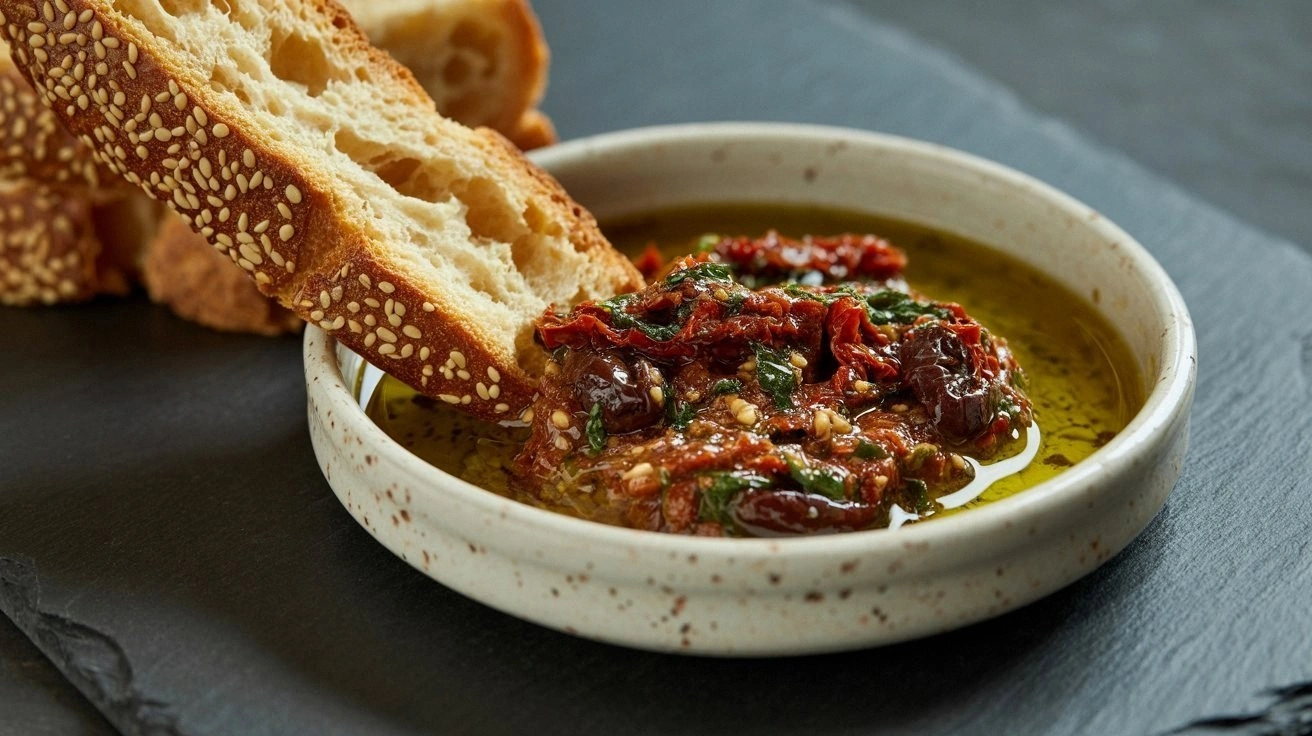
Crumbled feta, diced sun‑dried tomatoes, and chopped Kalamata olives provide the dip with contrasting textures and bursts of flavor. The feta adds a salty creaminess that balances the oil, while the sun‑dried tomatoes bring a chewy, sweet depth that contrasts nicely with the sharpness of the olives. If you’re vegan, swap the feta for a plant‑based alternative or omit it entirely; the dip will still hold its character. Choosing high‑quality olives—preferably Greek or Spanish—ensures a briny, robust flavor that doesn’t overpower the other ingredients.
The Unexpected Star
Capers are the unsung hero of Mediterranean cuisine, delivering a briny punch that mimics the sea. A tablespoon of capers introduces a subtle tang that cuts through the richness of the olive oil, making each spoonful feel fresh and lively. If capers are hard to find, finely chopped anchovy fillets can serve as a suitable substitute, though they add a slightly different flavor profile. Remember, capers are salty, so adjust the overall salt level accordingly.
The Final Flourish
Fresh herbs—parsley, oregano, and a hint of mint—infuse the dip with a burst of green freshness. The oregano adds an earthy undertone, while the mint lifts the dip with a subtle coolness. A pinch of red pepper flakes introduces a gentle heat that balances the richness. If you’re a spice lover, increase the flakes for a spicier kick; for a milder version, reduce or omit them entirely. The herbs should be chopped finely so they’re evenly distributed throughout the dip.
Everything's prepped? Good. Let's get into the real action...
The Method — Step by Step
- Begin by whisking together 1 cup of extra‑virgin olive oil and the juice of one medium lemon in a medium bowl. The goal is to create a uniform, slightly frothy mixture that will serve as the base. As you whisk, the oil will emulsify with the lemon, forming a silky texture that’s easier to fold into the rest of the ingredients. This step is crucial; a properly emulsified base ensures the dip doesn’t separate later on.
- Add 2 minced garlic cloves to the oil mixture. Garlic is the backbone of Mediterranean flavor, and its sharpness needs to be tempered by the oil. Stir until the garlic is fully incorporated and the mixture takes on a faint golden hue. This indicates the garlic has released its essential oils, enhancing the dip’s depth.
- Fold in 1/2 cup crumbled feta cheese, 1/4 cup diced sun‑dried tomatoes, and 1/4 cup chopped Kalamata olives. The feta provides a creamy counterpoint to the oil, while the sun‑dried tomatoes add sweetness and chewiness. The olives contribute a briny bite that balances the richness. Mix until the ingredients are evenly distributed, but be careful not to over‑mix, or the feta may break down into a paste.
- Add 1 tablespoon capers, 1/4 teaspoon red pepper flakes, and a pinch of sea salt. Capers give the dip its characteristic tang, the pepper flakes bring a subtle heat, and the salt ties everything together. Taste the mixture and adjust the seasoning as needed—if the dip feels too acidic, a small pinch of sugar can help balance it.
- Finally, stir in 1/4 cup chopped fresh parsley, 1 teaspoon dried oregano, and 1 tablespoon finely chopped mint. These herbs bring brightness and a fresh finish that keeps the dip from feeling heavy. The mint, in particular, adds a cool, slightly sweet note that pairs beautifully with the olive oil. Fold gently until all herbs are incorporated.
- Cover the bowl with plastic wrap and refrigerate for at least 30 minutes. This resting period allows the flavors to meld and the olive oil to thicken slightly, creating a more cohesive texture. The dip will develop a deeper, more complex flavor profile once it has had time to sit.
- Before serving, give the dip a quick stir and drizzle a thin stream of olive oil on top for visual appeal. The oil will create a glossy sheen that’s as pleasing to the eye as it is to the palate. If you prefer a thicker consistency, simply let it rest a bit longer; if it’s too thick, add a splash of warm water and whisk again.
- Serve with warm pita bread, toasted baguette slices, or fresh vegetables such as cucumber, bell pepper, and carrot sticks. The dip’s silky texture pairs wonderfully with crunchy or chewy accompaniments, creating a satisfying contrast in each bite.
That's it — you did it. But hold on, I've got a few more tricks that'll take this to another level...
Insider Tricks for Flawless Results
The Temperature Rule Nobody Follows
Many cooks assume that a dip can be made at room temperature, but the olive oil’s viscosity changes with temperature. Keep the oil slightly warm when you whisk in the lemon; this helps it emulsify better and prevents the mixture from separating. I’ve found that a gentle heat—just a few minutes in a warm water bath—makes a noticeable difference. The result? A dip that stays smooth and glossy even after sitting in the fridge for a day.
Why Your Nose Knows Best
Before you taste the dip, give it a good sniff. The aroma should be a harmonious blend of citrus, garlic, and herbs. If it smells overwhelmingly oily, let it rest longer; the oil will settle and the flavors will mellow. A well‑balanced aroma is the first indicator that the dip is ready for the next step.
The 5‑Minute Rest That Changes Everything
After combining all the ingredients, let the dip sit for exactly five minutes before serving. This brief pause allows the feta and olives to release their juices, which infuses the olive oil with additional flavor. I’ve tried skipping this step once, and the result was a flat, uncharacteristic dip that lacked depth. The five‑minute rest is the secret that transforms a good dip into a memorable one.
A Friend’s Tale of Failure
A friend once tried to skip the lemon, thinking the oil alone would be enough. The outcome? A greasy, bland dip that left everyone wanting more. This anecdote underscores the importance of the acidity in brightening the flavors. Don’t underestimate the lemon—it’s the catalyst that brings all the ingredients together.
The Power of Fresh Herbs
Fresh herbs are the lifeblood of Mediterranean cuisine. If you’re using dried herbs, double the quantity to compensate for the loss of aroma and flavor. Conversely, if you’re using fresh herbs, don’t over‑chop them; a coarse chop preserves their essential oils, giving the dip a more vibrant taste.
Creative Twists and Variations
This recipe is a playground. Here are some of my favorite ways to switch things up:
Spicy Chipotle Twist
Swap the red pepper flakes for a tablespoon of chipotle in adobo sauce. The smoky heat adds a new dimension that pairs wonderfully with grilled chicken or tacos.
Herbed Yogurt Fusion
Replace the feta with a dollop of Greek yogurt for a tangy, creamy alternative. This version is lighter and works great as a dip for fresh veggies.
Roasted Garlic Variation
Roast the garlic cloves before adding them to the dip. The caramelized garlic brings a sweet, mellow flavor that complements the bright lemon.
Mediterranean Crunch
Add a handful of toasted pine nuts or chopped toasted almonds for a nutty crunch that contrasts with the silky base.
Vegan Version
Omit the feta and capers, and replace them with chopped sun‑dried tomatoes and a splash of nutritional yeast. The result is a savory, dairy‑free dip that still delivers on flavor.
Pesto‑Infused Dip
Blend in a spoonful of basil pesto for a green, herbaceous twist. The pesto adds depth and a vibrant color that’s sure to impress.
Storing and Bringing It Back to Life
Fridge Storage
Store the dip in an airtight container in the refrigerator for up to 5 days. The olive oil will firm up slightly, so give it a quick stir before serving. If the dip looks a bit dry, drizzle a splash of extra‑virgin olive oil and whisk to restore its silky texture.
Freezer Friendly
For longer storage, freeze the dip in a freezer‑safe container for up to 3 months. When ready to use, thaw overnight in the refrigerator, then give it a good stir. A touch of warm water can help re‑emulsify the mixture if it’s become too thick.
Best Reheating Method
To reheat, place the dip in a small saucepan over low heat, stirring constantly until it’s warmed through. Add a tiny splash of water before reheating — it steams back to perfection and prevents the oil from separating. Avoid boiling, as that can cause the dip to curdle.