Picture this: you’re standing in a cramped apartment kitchen, the smell of overcooked garlic lingers, and the microwave timer blares like an impatient drummer. I was halfway through a disastrous attempt at making “just another chicken wrap,” when a friend tossed me a jar of harissa and said, “Dude, this will change everything.” The moment that fiery paste hit the pan, the kitchen erupted in a symphony of sizzling, steam, and that unmistakable North African aroma that makes your taste buds do a double-take. I swear the air tasted like adventure, and the heat was just enough to make my eyebrows raise in pure culinary triumph.
I’ve tried every variation of chicken pita I’ve found on Pinterest, Instagram, and the endless list of recipes on the internet, but none of them hit that sweet spot of smoky, spicy, and utterly comforting. What I found here is a recipe that turns a simple pita into a handheld masterpiece that practically folds itself into a crunchy, flavorful hug. The filling is packed with ground chicken that’s seasoned to perfection, the harissa gives it a punch that’s not too overwhelming, and the fresh tomato salsa adds a burst of juiciness that cuts through the richness. Every bite is a dance of textures: the crispy edges of the pita, the tender meat, the creamy feta dip, and the bright, zesty salsa. I’m telling you, this is hands down the best version you’ll ever make at home.
Most recipes get this completely wrong. They either overcook the chicken, under-season the harissa, or forget to give the pita that golden crunch. I’ve spent countless evenings watching my friends’ attempts fail to achieve that coveted crispness, and I’ve finally cracked the code. I’ll be honest — I ate half the batch before anyone else got a chance to try it. That’s how addictive it is. And I’m not about to keep this secret to myself. Let me walk you through every single step — by the end, you’ll wonder how you ever made it any other way.
Okay, ready for the game-changer? The next part? Pure magic. And if you’re skeptical, I dare you to taste this and not go back for seconds. Picture yourself pulling this out of the oven, the whole kitchen smelling incredible, and your friends begging for the recipe. That sizzle when it hits the pan? Absolute perfection. And now, let’s break down exactly what goes into this masterpiece.
What Makes This Version Stand Out
- Flavor: The harissa paste is the star, infusing the chicken with smoky heat that lingers without overpowering the delicate herbs.
- Texture: The pita is split just before baking, allowing it to crisp up into a flaky shell that holds the juicy filling without becoming soggy.
- Balance: The lemon feta dip provides a creamy, tangy counterpoint that cools the heat and adds a silky mouthfeel.
- Freshness: The tomato salsa is made from ripe tomatoes, giving a bright, juicy burst that cuts through the richness of the chicken.
- Ease: With a single pan and a few simple steps, you can create a restaurant‑quality dish that impresses even the pickiest eaters.
- Make‑ahead: The filling can be prepped in advance and stored, making this a perfect crowd‑pleaser for parties or busy weeknights.
- Ingredient quality: Using fresh herbs, a high‑quality harissa, and block feta ensures depth of flavor that you can’t get from pre‑made mixes.
- Versatility: Swap the pita for flatbread or use a different protein like lamb or beef if you’re feeling adventurous.
Inside the Ingredient List
The Flavor Base
The foundation of this dish is the harissa paste, a fiery North African chili blend that carries smoky, earthy undertones. It’s the secret sauce that turns ordinary ground chicken into a flavor explosion. If you can’t find harissa, a blend of smoked paprika, cayenne, and a splash of tomato paste will mimic the heat and depth. Don’t forget to taste as you go; the balance between heat and spice is delicate. A jar of high‑quality harissa from a reputable brand can elevate the dish dramatically.
Ground chicken is the perfect canvas because it’s lean yet juicy. It absorbs the spices effortlessly, delivering a moist filling that’s far superior to pre‑seasoned chicken. If you prefer a leaner option, you can substitute ground turkey or even finely chopped chicken breast. Just keep in mind that the cooking time may be slightly reduced to avoid drying out the meat.
The Texture Crew
The grated onion adds a subtle sweetness and a juicy texture that balances the heat from the harissa. Grating instead of dicing ensures the onion is evenly distributed and doesn’t create large chunks that could overwhelm the bite. If you’re sensitive to onions, a splash of apple cider vinegar can give a similar brightening effect without the sharpness.
Fresh herbs like parsley, cilantro, and dill lift the dish with bright, grassy notes. They also provide a visual pop of color that makes the arayes look as good as they taste. Feel free to experiment with basil or mint for a different herbal profile, but keep the overall ratio of herbs to meat consistent to preserve the balance.
The Unexpected Star
The lemon feta dip is a creamy, tangy accompaniment that cools the heat and adds a silky mouthfeel. Feta, with its briny depth, complements the spicy filling while the Greek yogurt introduces a light tang that keeps the dip from being too heavy. The olive oil adds a subtle fruitiness, and the lemon juice awakens all the flavors instantly. If you’re vegan, a silken tofu blend with lemon and a pinch of salt can replicate the creaminess.
The Final Flourish
The pita bread is the vehicle that brings everything together. Choose a soft, fresh pita that’s easy to split; older pita tends to tear. Splitting the pita before baking allows it to puff and crisp up, creating a golden shell that holds the filling without becoming soggy. If you don’t have pita, flatbread or even naan can be a suitable substitute, though the texture will differ slightly.
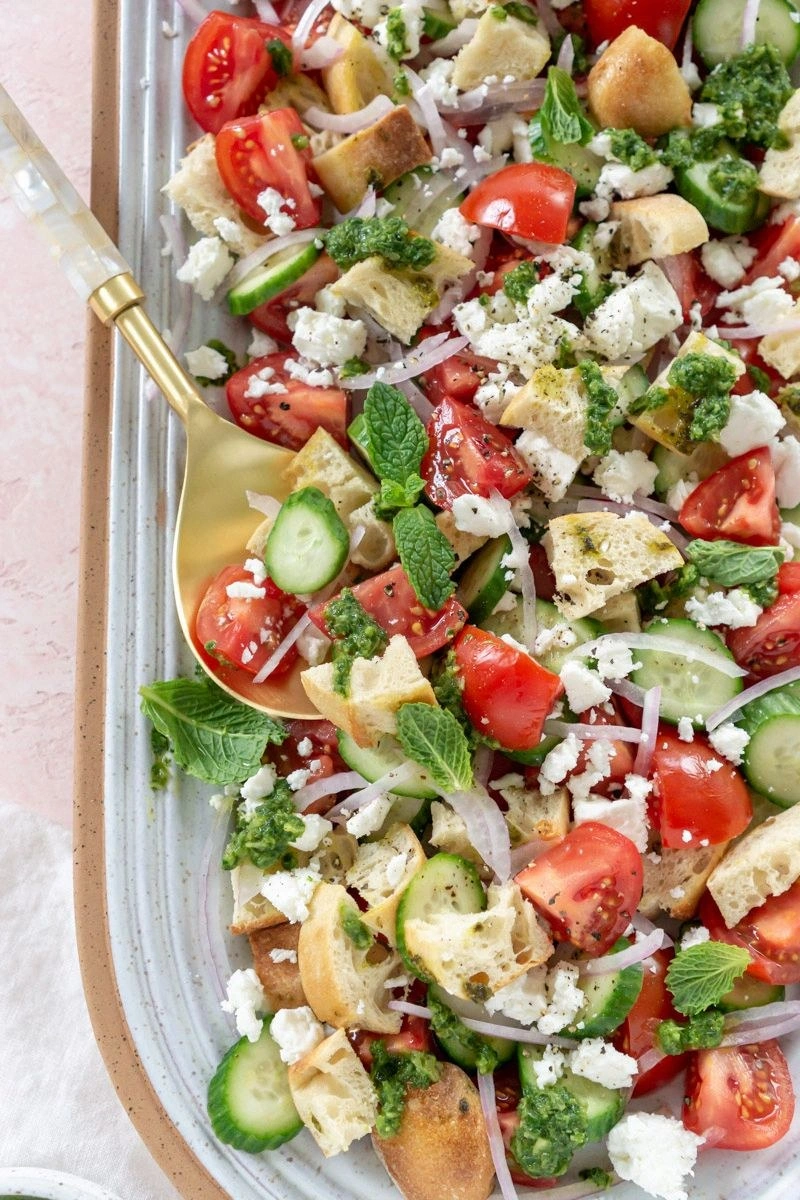
The tomato salsa is the final pop of freshness, made from ripe tomatoes, a touch of olive oil, and a pinch of salt and pepper. It’s a simple salsa that adds juiciness and a bright contrast to the smoky filling. If you want a bit more depth, a dash of balsamic vinegar or a sprinkle of fresh basil can elevate the flavor profile.
Everything’s prepped? Good. Let’s get into the real action.
The Method — Step by Step
- Step 1: Prep the Filling — In a large bowl, combine the ground chicken, grated onion, harissa paste, minced garlic, chopped parsley, cilantro, dill, salt, cumin, black pepper, and coriander. Mix thoroughly until the spices are evenly distributed. This is the moment of truth; if the mixture feels dry, add a splash of olive oil to help bind the flavors. Keep the mixture chilled until you’re ready to cook to maintain tenderness. The aroma should already be hinting at the smoky heat that will dominate the dish.
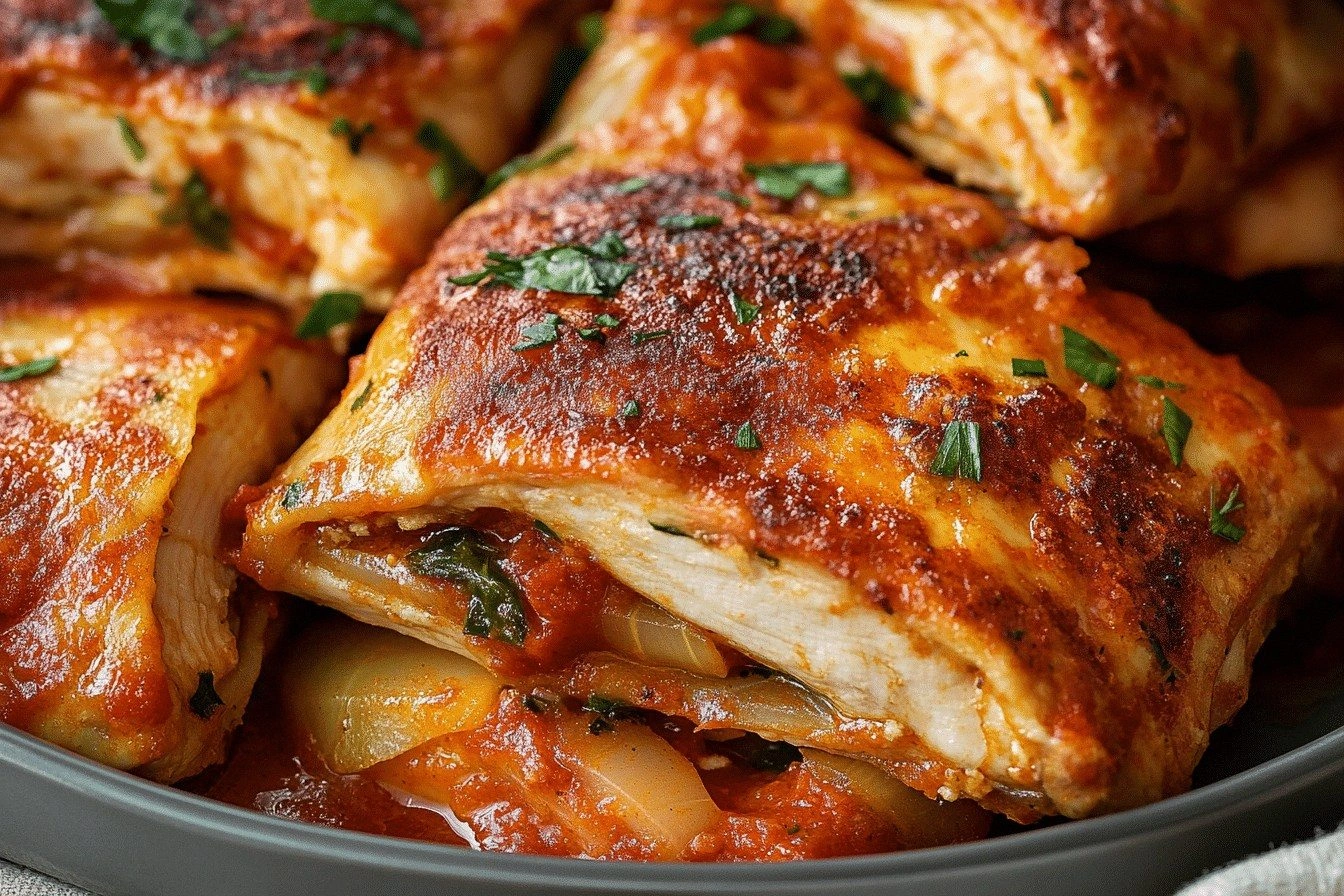
- Step 2: Sear the Chicken — Heat 2 tablespoons of olive oil in a large skillet over medium‑high heat. Once the oil shimmers, add the seasoned chicken mixture, pressing it into a flat shape to mimic a patty. Cook for 4–5 minutes on each side, or until the edges are golden and the center is no longer pink. The sizzle should be audible, and the surface should develop a slight caramelization. Flip only once to preserve moisture. This step locks in the flavors and creates a base for the pita to hold.
- Step 3: Prepare the Pita — While the chicken cooks, preheat your oven to 425°F (220°C). Slice each pita in half horizontally, creating pockets that can be filled. Brush the cut side lightly with olive oil to encourage crisping. Place the pita halves on a parchment‑lined baking sheet, cut side up. The oil will help the pita develop a golden, flaky crust.
- Step 4: Assemble the Arayes — Spoon the cooked chicken mixture evenly onto each pita half, filling the pocket about ¾ of the way. Pack the filling gently but firmly to prevent it from spilling during baking. If you’re using a larger portion of filling, consider adding a thin layer of feta on top of the chicken for an extra burst of flavor. The goal is a balanced bite: not too much meat, not too little.
- Step 5: Bake to Perfection — Slide the assembled arayes into the preheated oven and bake for 8–10 minutes, or until the pita edges are crisp and the filling is heated through. The oven’s heat should give the pita a beautiful golden color while maintaining a soft interior. Keep an eye on the edges; if they start to burn, reduce the heat slightly or move the tray to a lower rack.
- Step 6: Make the Lemon Feta Dip — While the arayes bake, combine the feta, Greek yogurt, olive oil, lemon juice, salt, and pepper in a bowl. Use a fork or a small whisk to mash the feta until it’s creamy but still has some texture. The dip should be thick enough to drizzle but not so thick that it clumps. Taste and adjust seasoning; the lemon should brighten the entire dish.
- Step 7: Prepare the Tomato Salsa — In a small bowl, mix the halved tomatoes, olive oil, salt, and pepper. Let the mixture sit for 5 minutes to allow the flavors to meld. The salsa should be chunky, providing bursts of juicy freshness with each bite. If you prefer a smoother salsa, pulse the tomatoes briefly in a blender.
- Step 8: Plate and Serve — Once the arayes are out of the oven, let them rest for a minute. Spoon a generous amount of lemon feta dip onto each pita and top with fresh tomato salsa. Serve immediately while the pita is still warm and the dip is silky. The contrast between the hot, crispy pita and the cool, creamy dip is a flavor symphony that will have guests begging for seconds.
That’s it — you did it. But hold on, I’ve got a few more tricks that will take this to another level. These insider tips will help you avoid common pitfalls and elevate the dish to professional standards.
Insider Tricks for Flawless Results
The Temperature Rule Nobody Follows
Cooking the chicken at the right temperature is crucial. If the skillet is too hot, the exterior will char before the interior cooks. Keep the heat at medium‑high and watch for the first sizzle. Once the chicken is seared, reduce the heat to medium to finish cooking. This subtle adjustment keeps the meat juicy and flavorful.
Why Your Nose Knows Best
Smell is a powerful guide in the kitchen. As the chicken cooks, the aroma will evolve from raw to caramelized. Trust that scent; if it starts smelling like burnt, it’s time to lower the heat. The same rule applies when baking the pita: a golden crust signals readiness.
The 5‑Minute Rest That Changes Everything
After baking, let the arayes rest for 5 minutes. This short pause allows the juices to redistribute, preventing them from spilling out when you bite. It also gives the pita a chance to crisp up slightly more, creating that perfect flaky texture. A quick rest is a small investment for a big payoff.
Don’t Forget the Fresh Herbs
Fresh herbs are the unsung heroes of this dish. They provide brightness and a layer of complexity. If you’re using dried herbs, double the quantity to compensate for the loss of flavor. But fresh is best; it’s the difference between good and unforgettable.
The Right Olive Oil Matters
Choosing the right olive oil can elevate the entire dish. A high‑quality extra virgin olive oil adds a fruity note that complements the harissa and feta. If you’re on a budget, a lighter olive oil will still work, but you’ll miss that subtle depth of flavor.
Creative Twists and Variations
This recipe is a playground. Here are some of my favorite ways to switch things up:
Spicy Lamb Arayes
Swap the ground chicken for ground lamb. The richer fat content adds depth, and the lamb pairs beautifully with the harissa’s smoky heat. Reduce the cumin slightly to let the lamb’s flavor shine through.
Mediterranean Veggie Wraps
Replace the meat with a mix of sautéed zucchini, bell peppers, and mushrooms. Add a handful of chopped spinach for extra greens. This vegetarian version keeps the harissa and feta dip, making it a hearty, plant‑based option.
Crispy Coconut Pita
Roll the pita dough in shredded coconut before baking for a tropical twist. The coconut adds a sweet, nutty flavor that contrasts nicely with the spicy filling. Keep the coating light to avoid overpowering the harissa.
Pita Chips with Harissa Yogurt
Slice pita into triangles, brush with olive oil, and bake until crisp. Serve with a side of harissa‑infused Greek yogurt for dipping. This makes a great appetizer for parties or a crunchy snack.
Grilled Cheese‑Style Arayes
Add a slice of provolone or mozzarella on top of the filling before baking. The cheese melts into a gooey, golden layer that adds a comforting, cheesy element to the dish. Perfect for a late‑night craving.
Storing and Bringing It Back to Life
Fridge Storage
Store the assembled arayes in an airtight container for up to 2 days. Keep the pita separate from the filling if you want to preserve crispness. Reheat in a toaster oven or skillet over medium heat until warmed through.
Freezer Friendly
Freeze the filling and pita separately for up to 3 months. To reheat, thaw overnight in the refrigerator, then bake at 375°F (190°C) for 12–15 minutes. The pita will regain its crispness, and the filling will stay moist.
Best Reheating Method
The secret to reheating is to add a splash of water to the filling before microwaving. This steams the filling back to perfection, preventing it from drying out. Then finish in a skillet or oven to crisp the pita edges.