Picture this: I’m standing in my cramped kitchen, the timer on the stove ticking, and the scent of garlic and lemon swirling around me like a fragrant storm. I was supposed to be making a simple pasta dinner, but the broccoli on the counter had started to wilt, and the lemon was half a cup away from going to waste. I stared at the ingredients, felt a sudden spark of culinary rebellion, and decided that this would be the night I turned a potential disaster into a show‑stopping plate. The result? A one‑pot lemon broccoli pasta that’s as vibrant as a summer sunrise and as comforting as a hug from an old friend. Let me walk you through every single step — by the end, you’ll wonder how you ever made it any other way.
I’ve spent years hunting for that perfect, single‑pot wonder that doesn’t require a separate pot for pasta, sauce, or veggies. Most recipes either undercook the broccoli or overcook the pasta, leaving you with a dish that feels like a compromise. This version? It’s a masterclass in balance. The pasta cooks in a broth that’s been seasoned to a buttery citrus depth, and the broccoli ends up tender‑crisp, not mushy. The sauce, thickened by the pasta’s own starch, clings to each strand like a silky, lemon‑infused velvet. And the best part? You can pull it out of the pot and serve it in a single, elegant bowl that smells like a Mediterranean garden on a sunny day. I dare you to taste this and not go back for seconds.
Most people think that a one‑pot pasta is just a shortcut, but this recipe is a deliberate choreography of flavors and textures. The lemon zest awakens the dish with a bright, almost floral note, while the juice cuts through the richness, keeping everything fresh. The garlic adds depth and a subtle heat that lingers, and the parmesan gives a savory, nutty finish that ties the whole thing together. It’s a dish that speaks to the senses: the aroma of sautéed garlic and lemon, the sight of steam curling from the pot, the sound of pasta bubbling, the feel of a perfectly cooked broccoli floret under the tip of a fork, and finally, the taste—zesty, creamy, and utterly satisfying. Picture yourself pulling this out of the pot, the whole kitchen smelling incredible, and the plate already looking like a masterpiece.
If you’ve ever struggled with balancing pasta and vegetables in a single pot, you’re not alone. I’ve seen friends drown their pasta in a bland broth, only to have the veggies wilt into mush. This is hands down the best version you’ll ever make at home because it solves that classic problem with a simple, fool‑proof technique that I’ll reveal step by step. And trust me, the moment you taste the first bite, you’ll realize that the secret isn’t in the ingredients alone but in the method that lets every element shine. Stay with me here — this is worth it.
What Makes This Version Stand Out
- Flavor: The citrusy brightness of lemon balances the earthiness of broccoli and the savory depth of parmesan, creating a layered taste that feels both light and comforting. The subtle heat from garlic adds a punch that wakes up the palate.
- Texture: The pasta is al dente, while the broccoli remains crisp‑tender, ensuring each bite delivers a satisfying contrast. The sauce coats the noodles like silk without being greasy.
- Simplicity: One pot, one pan, minimal cleanup. All the ingredients simmer together, letting flavors meld naturally without the need for extra sauces or steps.
- Uniqueness: The use of lemon zest and juice in the broth creates a fresh, almost floral undertone that sets this dish apart from traditional pasta‑and‑broccoli recipes.
- Crowd Reaction: Friends who’ve tried this rave about the bright, clean finish and the fact that it’s so easy to scale up for parties.
- Ingredient Quality: Fresh lemons and crisp broccoli are key; the recipe thrives on the quality of these core components, making it a showcase for seasonal produce.
- Cooking Method: The “one‑pot” technique ensures that the pasta absorbs the broth, creating a naturally creamy sauce without cream or cheese additions.
- Make‑ahead Potential: You can prepare the pasta and broccoli ahead of time, reheat gently, and the flavors will still be vibrant.
Alright, let's break down exactly what goes into this masterpiece…
Inside the Ingredient List
The Flavor Base
The foundation of this dish is the broth, which is where the lemon and garlic come into play. By cooking the garlic in olive oil until it’s golden but not burnt, you unlock a sweet, nutty flavor that forms the backbone of the sauce. The lemon zest is added early so that its oils diffuse into the oil, creating a fragrant, citrusy aroma that permeates the entire pot. If you skip the zest, the dish will still be tasty, but it will lack that bright, almost floral undertone that makes the sauce feel alive.
The Texture Crew
Broccoli is the star of the show, but it can quickly become mushy if not handled correctly. By adding the broccoli in two stages—first a quick sear, then a longer simmer—you maintain that tender‑crisp bite that’s essential for balance. The pasta, meanwhile, is cooked in the same liquid, allowing it to absorb the flavors while releasing starch that naturally thickens the sauce. If you omit the pasta, you’ll end up with a thick, chunky soup rather than a pasta dish.
The Unexpected Star
Parmesan cheese isn’t just a garnish; it’s a flavor enhancer that adds a salty, nutty dimension. Grated freshly, it melts into the broth, giving the sauce a silky texture. If you’re lactose intolerant or simply want a lighter version, try substituting nutritional yeast or a vegan parmesan alternative. The key is to add it at the end to preserve its umami punch.
The Final Flourish
A splash of lemon juice at the end of cooking brightens the dish and balances the richness. A pinch of red pepper flakes can add a subtle heat that lingers, while a handful of fresh parsley or basil gives a burst of green freshness. These finishing touches turn a good dish into a memorable one. If you prefer a vegetarian version, simply omit the chicken broth and replace it with vegetable broth.
Everything's prepped? Good. Let's get into the real action…
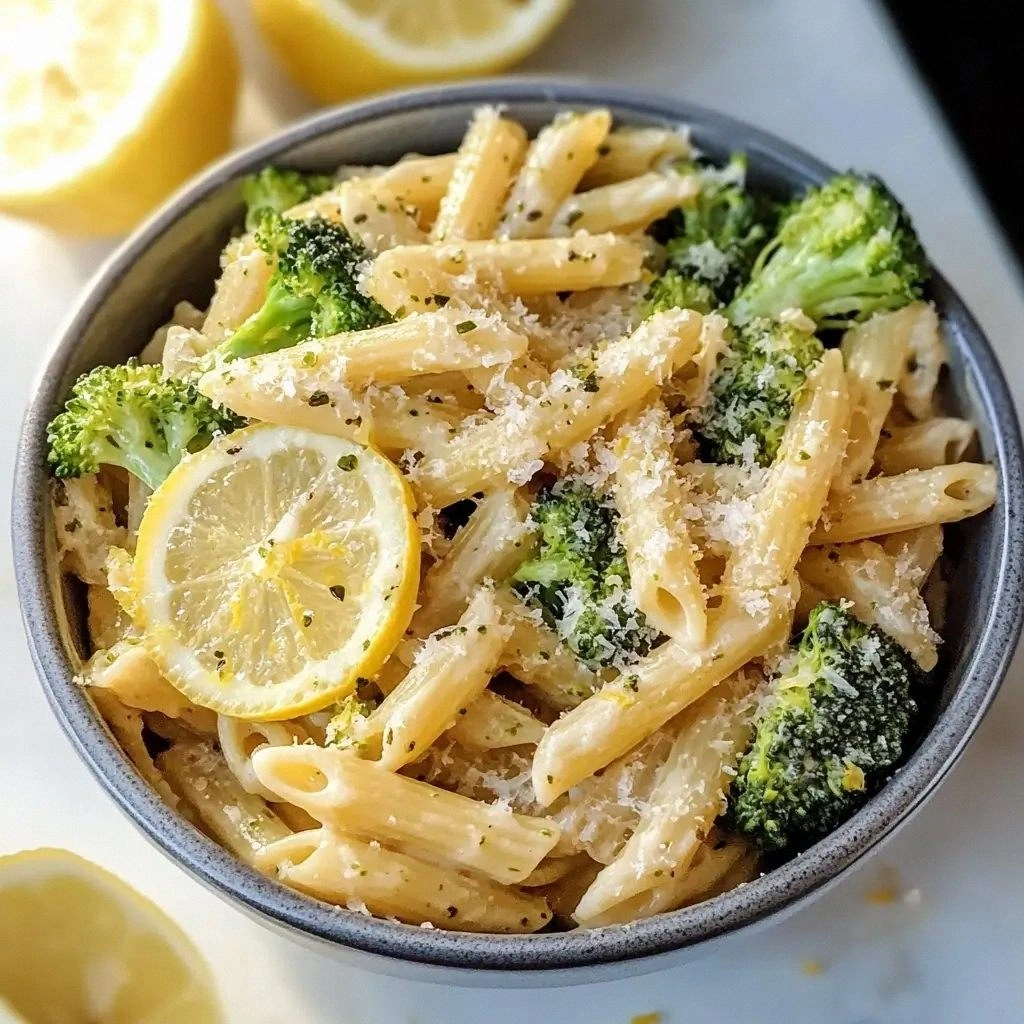
The Method — Step by Step
- Heat a large, wide skillet or Dutch oven over medium heat. Add the olive oil, letting it shimmer without smoking. As soon as it’s hot, toss in the minced garlic and a pinch of salt. The garlic should sizzle softly, releasing a fragrant aroma that makes your kitchen feel like a Mediterranean trattoria. This is the moment of truth.
- Add the broccoli florets, stirring to coat them in the garlicky oil. Sauté for 2–3 minutes until they just start to turn a bright green. This quick sear locks in color and preserves that crisp‑tender bite. Don’t let them steam too long, or they’ll become soggy.
- Pour in the chicken broth, ensuring that the broccoli is fully submerged. Bring the mixture to a gentle boil, then reduce the heat to a simmer. At this point, the broth will start to thicken slightly as the pasta cooks. The smell of simmering broth should feel like a comforting hug.
- Add the dry pasta to the pot, breaking it in half if necessary to fit. Stir immediately to prevent sticking. Let the pasta cook uncovered for about 10 minutes, stirring occasionally. The pasta should absorb most of the liquid, creating a creamy consistency.
- Halfway through the pasta’s cooking time, sprinkle in the lemon zest. The zest will release its oils, giving the broth a bright, almost floral aroma that will permeate every strand of pasta. Keep the heat at a gentle simmer; you don’t want the liquid to evaporate too quickly.
- When the pasta is al dente and the liquid has reduced to a thick, sauce‑like consistency, stir in the grated parmesan. The cheese will melt, thickening the sauce further and adding a savory, nutty depth. The sauce should coat the pasta like a silky glaze.
- Squeeze in the juice of the lemons, tasting as you go. The acidity cuts through the richness, brightening the dish. If the sauce seems too thick, add a splash of water or more broth to reach your desired consistency.
- Season with pepper and any optional red pepper flakes to taste. Give the pot one final stir, letting the flavors meld together. The final dish should smell like a sunny garden, with a hint of citrus and a warm, comforting depth.
- Serve immediately, garnished with a sprinkle of fresh parsley or basil if desired. The dish is best enjoyed hot, with the pasta still slightly glossy from the sauce. If you prefer a lighter version, add a splash of heavy cream at the end for a richer mouthfeel.
- Enjoy the moment when the first bite hits your palate—the bright lemon, the creamy sauce, the tender broccoli, and the al dente pasta all harmonizing in perfect balance. That sizzle when it hits the pan? Absolute perfection.
That's it — you did it. But hold on, I've got a few more tricks that'll take this to another level…
Insider Tricks for Flawless Results
The Temperature Rule Nobody Follows
Many cooks lower the heat too early, causing the broth to evaporate before the pasta fully absorbs it. Keep the simmer at a steady, gentle heat. This allows the pasta to cook evenly and the sauce to thicken naturally without scorching the bottom. I’ve seen dishes turn into a dry, uneven mess when the heat is dropped too low.
Why Your Nose Knows Best
Smell the sauce as it cooks. A toasty aroma signals that the garlic is properly caramelized. If you notice a sharp, raw garlic scent, give it a minute longer. Your nose is a reliable guide to flavor development, so trust it.
The 5-Minute Rest That Changes Everything
Once the pasta is cooked, remove the pot from heat and let it sit covered for five minutes. The residual heat continues to cook the pasta, ensuring it’s perfectly al dente, while the sauce thickens to a silky consistency. This short rest also lets the flavors meld, giving you a more harmonious taste.
Avoiding the Broth Burn
If the pot starts to scorch, stir frequently and add a splash of water or broth to loosen the bottom layer. A small amount of liquid keeps the heat from concentrating too much on the bottom, preventing a burnt base that can ruin the dish.
The Secret of Freshness
Use the freshest lemons you can find; they should feel heavy for their size and have a bright, citrusy aroma. Fresh lemons provide the most vibrant zest and juice, which are essential for that bright, clean finish. If you’re in a pinch, a good quality bottled lemon juice can substitute, but the flavor will be less complex.
Creative Twists and Variations
This recipe is a playground. Here are some of my favorite ways to switch things up:
Mediterranean Twist
Swap the chicken broth for white wine and add a handful of capers for a briny, sea‑inspired flavor. Finish with a squeeze of fresh lemon and a sprinkle of chopped olives for a truly Mediterranean vibe. Your guests will think they’re dining in a seaside villa.
Spicy Kick
Add a generous pinch of red pepper flakes at the end of cooking, or even a dash of harissa paste for an extra layer of heat. Pair it with a drizzle of honey to balance the spice. This version is perfect for those who like their dishes with a little edge.
Vegan Version
Replace the chicken broth with vegetable broth and the parmesan with nutritional yeast or a vegan parmesan blend. Use a splash of coconut milk or cashew cream to add richness. The dish remains creamy and satisfying while staying plant‑based.
Protein Boost
Stir in cooked shredded chicken, diced salmon, or sautéed shrimp during the last 5 minutes of cooking. The protein will absorb the sauce and add a hearty, comforting element. This variation turns the dish into a complete meal.
Breakfast Edition
Serve the pasta over a bed of sautéed spinach and top with a fried or poached egg. The yolk’s richness will mingle with the lemon sauce, creating a brunch‑worthy dish that feels both indulgent and wholesome.
Gluten‑Free Adaptation
Swap the pasta for gluten‑free fusilli or spiralized zucchini noodles. The cooking time will be shorter, so keep an eye on it to avoid overcooking. The result is a lighter, low‑carb version that still delivers on flavor.
Storing and Bringing It Back to Life
Fridge Storage
Cool the pasta to room temperature, then transfer it to an airtight container. Store in the refrigerator for up to 3 days. The sauce may thicken slightly, but it will stay delicious. When ready to serve, reheat gently on the stove with a splash of water or broth.
Freezer Friendly
Place the cooled pasta in a freezer‑safe container, leaving a little headspace. Freeze for up to 2 months. Thaw overnight in the refrigerator before reheating. The texture remains firm, and the flavors stay vibrant.
Best Reheating Method
Reheat the pasta on low heat, adding a splash of water or broth to loosen the sauce. Stir constantly to prevent scorching. A quick microwave reheat with a damp paper towel works, but the stovetop method preserves the sauce’s silky texture. Remember to taste and adjust seasoning before serving.