Picture yourself pulling this out of the oven, the whole kitchen smelling incredible, the steam curling like wisps of autumn clouds. The first bite is a warm, spiced hug that lingers on your tongue, and the second bite delivers a subtle sweetness from maple syrup that dances with the pumpkin’s earthy undertones. My friend, who always complains about “too sweet” pumpkin dishes, was left speechless after the third spoonful. The secret? A delicate balance of spices, a generous splash of cream, and the right timing for the bread to soak up the custard. The result is hands down the best version you’ll ever make at home, with a flavor profile that could win a culinary award. And if you think this is just another pumpkin dessert, think again. This pudding is a multi‑sensory experience that transforms humble bread into a showstopper.
I’ll be honest — I ate half the batch before anyone else got to try it. That’s the kind of confidence you get when you’re about to unveil a dish that’s both comforting and daring. Most recipes get this completely wrong by over‑baking the bread or under‑seasoning the custard. Here’s what actually works. The key is to let the bread absorb the flavors without turning mushy, and to keep the custard silky with the right ratio of cream to milk. If you’re ready to elevate your pumpkin dessert game, let me walk you through every single step — by the end, you’ll wonder how you ever made it any other way.
What Makes This Version Stand Out
- Flavor Depth: The combination of maple syrup, brown sugar, and a blend of warm spices creates layers of taste that evolve with each bite, unlike the flat sweetness of conventional pumpkin desserts.
- Texture Contrast: Toasted bread edges deliver a satisfying crunch while the custard remains creamy, providing a mouthfeel that feels both indulgent and comforting.
- Ingredient Quality: Using a loaf of challah or brioche introduces a buttery, slightly sweet base that elevates the overall flavor profile.
- Make‑Ahead Friendly: Prepare the pudding a day ahead; the flavors meld beautifully, and reheating is a breeze.
- Crowd Appeal: This pudding is the perfect centerpiece for holiday gatherings, family dinners, or a cozy Sunday brunch, and it satisfies both pumpkin lovers and skeptics.
- Effortless Method: Despite its impressive results, the recipe requires minimal hands‑on time and a single baking pan.
Alright, let’s break down exactly what goes into this masterpiece…
Inside the Ingredient List
The success of this pudding hinges on a careful selection of ingredients that work in harmony. Below, I’ll break them down into four distinct groups that each play a pivotal role in the final dish.
The Flavor Base
At the core of this pudding is the pumpkin puree and the sweet maple syrup. The puree brings that unmistakable pumpkin aroma, while maple syrup adds depth and a subtle caramel note that cuts through the richness of the cream. Together, they form a base that is both sweet and savory, creating a balanced taste that’s not too sweet but still indulgent. If you’re looking for a lower‑calorie option, you can substitute half the maple syrup with honey, but be prepared for a slightly different flavor profile.
The Texture Crew
The bread, heavy cream, and eggs are the backbone that gives this pudding its signature texture. The bread, preferably challah or brioche, has a buttery crumb that absorbs the custard without falling apart. Heavy cream adds richness and a silky mouthfeel, while eggs bind everything together and provide structure. Skipping any of these ingredients will compromise the pudding’s body, turning it into a runny custard or a dry, crumbly mess. For a vegan twist, replace the eggs with flaxseed meal and use coconut milk instead of heavy cream.
The Unexpected Star
Ground cloves, a pinch of salt, and a splash of vanilla extract might seem like minor details, but they are the secret sauce that elevates this dish from good to unforgettable. Cloves bring a warm, aromatic undertone that complements the pumpkin’s earthiness, while salt balances the sweetness and enhances every other flavor. Vanilla, on the other hand, adds a subtle floral note that ties the whole dish together. If you can’t find cloves, a dash of allspice will work as an acceptable substitute.
The Final Flourish
The final flourish comes from the cinnamon, ginger, and nutmeg. These spices are the backbone of autumn flavor, and their combined heat and sweetness create a comforting, nostalgic experience. The ginger adds a bright, slightly spicy kick that cuts through the richness, while nutmeg offers a warm, nutty undertone. If you’re a fan of a more pronounced spice profile, feel free to double the amount of cinnamon and ginger. Remember, spices are forgiving, but over‑spicing can overwhelm the delicate balance of flavors.
Everything’s prepped? Good. Let’s get into the real action…
The Method — Step by Step
- Preheat and Prep: Preheat your oven to 350°F (175°C). Grease a 9×13 inch baking dish with butter or non‑stick spray. This step is crucial; a well‑oiled pan ensures the pudding lifts easily after baking, preventing a sad, stuck mess that ruins the presentation. I swear, a little butter goes a long way in creating that golden crust.
- Cube the Bread: While the oven is heating, cut the loaf into ½‑inch cubes. If you’re using a dense brioche, let it sit at room temperature for 10 minutes before cutting to prevent it from crumbling into crumbs. The size of the cubes determines how quickly they absorb the custard; too large, and they stay dry; too small, and they become mushy.
- Whisk the Custard: In a large bowl, whisk together the pumpkin puree, heavy cream, milk, maple syrup, brown sugar, vanilla extract, cinnamon, ginger, nutmeg, cloves, and salt until the mixture is smooth and glossy. The goal is a silky custard that coats every bread cube evenly. The brown sugar’s molasses content gives the custard a subtle depth that plain sugar can’t match.
- Combine Bread and Custard: Gently fold the bread cubes into the custard, ensuring each cube is fully submerged. Let the mixture sit for 10 minutes; this allows the bread to absorb the flavors and swell slightly, creating that coveted custardy center. Don’t rush this step; the bread needs time to hydrate.
- Transfer to Pan: Spoon the bread‑custard mixture into the prepared baking dish, spreading it out evenly. Use a spatula to press down lightly, ensuring there are no air pockets. A smooth surface will bake more uniformly, giving you a consistent golden top.
- Bake to Perfection: Bake in the preheated oven for 30–35 minutes, or until the top is golden brown and the custard is set. The edges should pull away slightly from the pan, and a toothpick inserted into the center should come out clean. This is the moment of truth; if the pudding is under‑baked, it will be runny; over‑baked, and it will be dry.
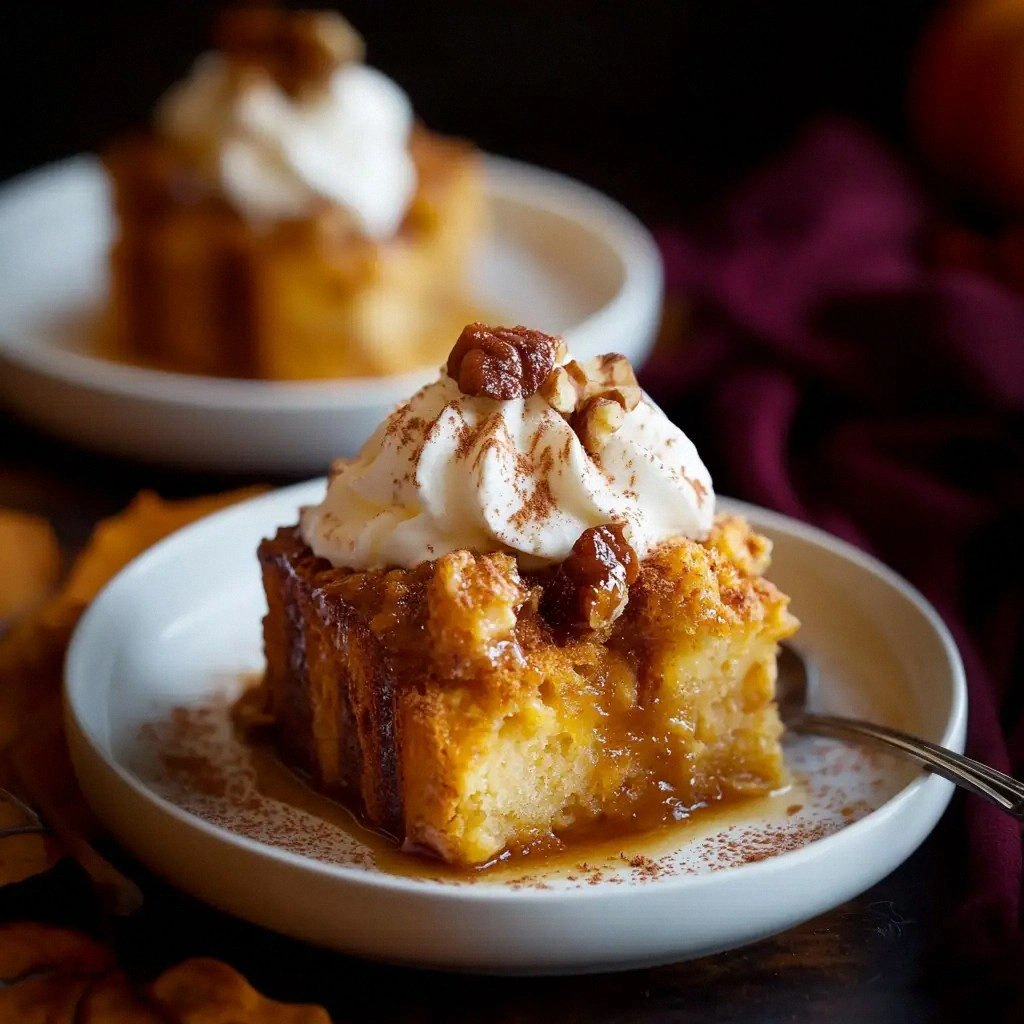
- Cool and Serve: Remove the dish from the oven and let it cool for 10 minutes. This rest period allows the custard to set fully and the flavors to meld. Serve warm with a drizzle of maple syrup or a dollop of whipped cream for an extra indulgent touch.
- Optional: Add a Crunch: If you want a delightful texture contrast, sprinkle toasted pecans or walnuts over the top before serving. The nuts add a buttery crunch that complements the creamy custard and the sweet bread.
- Storage Tips: If you have leftovers, cover the dish tightly and refrigerate. Reheat in the oven at 350°F (175°C) for 10 minutes, or microwave on medium for 2–3 minutes, adding a splash of milk to keep the custard moist.
- Enjoy: Dig in while it’s still warm. The first bite is a burst of spiced sweetness, followed by a silky custard that melts in your mouth, and the last bite is a satisfying crunch from the toasted bread edges. I dare you to taste this and not go back for seconds.
That's it — you did it. But hold on, I've got a few more tricks that'll take this to another level…
Insider Tricks for Flawless Results
The Temperature Rule Nobody Follows
Many people bake this pudding at 375°F, but that higher heat can cause the custard to set too quickly, leaving the center runny. Baking at 350°F allows the custard to set evenly while the bread absorbs moisture slowly. I once tried 375°F and the result was a soggy, over‑baked top with a raw middle. Keep your oven at 350°F for the best balance.
Why Your Nose Knows Best
Before you open the oven, take a deep sniff of the baking dish. A sweet, spiced aroma indicates the custard is cooking properly. If you smell a burnt or metallic scent, pull the dish out immediately. This olfactory checkpoint saves you from a culinary disaster.
The 5‑Minute Rest That Changes Everything
After baking, let the pudding rest for exactly five minutes. This short pause lets the custard set without becoming rubbery, and the flavors meld beautifully. Skipping this rest often results in a pudding that feels under‑cooked even if it’s technically done.
The Secret Ingredient Swap
If you’re craving a hint of citrus, add a teaspoon of orange zest to the custard mixture. The bright citrus cuts through the sweetness and adds a refreshing lift. It’s a small tweak that can transform the dish.
The Quick Cooling Trick
Place the baking dish on a wire rack after baking instead of a flat surface. The airflow around the dish promotes even cooling, preventing steam from pooling on the bottom and making the pudding soggy.
The Perfect Finish
Finish your pudding with a dusting of powdered sugar and a few fresh cranberries or pomegranate seeds for a pop of color and tartness. The contrast between sweet and tart adds a sophisticated touch that impresses even the most discerning palate.
Creative Twists and Variations
This recipe is a playground. Here are some of my favorite ways to switch things up:
Chocolate‑Infused Delight
Add ½ cup of melted dark chocolate to the custard. The chocolate adds richness and a bittersweet undertone that pairs wonderfully with pumpkin. Serve with a drizzle of chocolate sauce for an extra indulgence.
Coconut Cream Version
Replace heavy cream with coconut milk and add a pinch of toasted coconut flakes. The tropical note complements the spices, creating a fusion of autumn and beach vibes.
Savory Spin
Omit the maple syrup and brown sugar, and add a splash of apple cider vinegar and a pinch of smoked paprika. This version turns the pudding into a savory side dish that pairs well with roasted turkey or ham.
Nutty Crunch
Fold in ½ cup of chopped pecans or walnuts before baking. The nuts add a buttery crunch that contrasts with the creamy custard.
Low‑Carb Edition
Use a low‑carb bread like almond flour bread and substitute maple syrup with a sugar‑free sweetener. This variation keeps the dish keto‑friendly while maintaining the comforting flavor.
Vegan Variation
Replace eggs with flaxseed meal, use coconut cream instead of heavy cream, and swap maple syrup for agave nectar. The result is a plant‑based pudding that still delivers on texture and taste.
Storing and Bringing It Back to Life
Fridge Storage
Cover the baking dish tightly with plastic wrap and store in the refrigerator for up to 3 days. The pudding will remain moist and flavorful. When ready to serve, reheat in a low‑heat oven (325°F) for 10 minutes.
Freezer Friendly
Wrap the dish in foil and then in a freezer bag. Freeze for up to 2 months. To thaw, let it sit overnight in the fridge, then reheat as described above. The texture stays intact, and the spices keep their aroma.
Best Reheating Method
Reheat in a 350°F oven for 10–12 minutes, or microwave on medium for 2–3 minutes. Add a tiny splash of water before reheating; this steams the custard back to perfection and prevents it from drying out.