I still remember the night the kitchen exploded with flavor, literally. I had a friend who swore she’d never taste pork again after the last time she tried a “simple” stir‑fry that tasted like a bland, watery soup. She begged me to show her a recipe that could turn a piece of meat into a symphony. I promised her the ultimate Korean pork chop, and the next morning I was in my apron, eyes gleaming, because I knew I was about to create a dish that would have her shouting, “I dare you to taste this and not go back for seconds.”
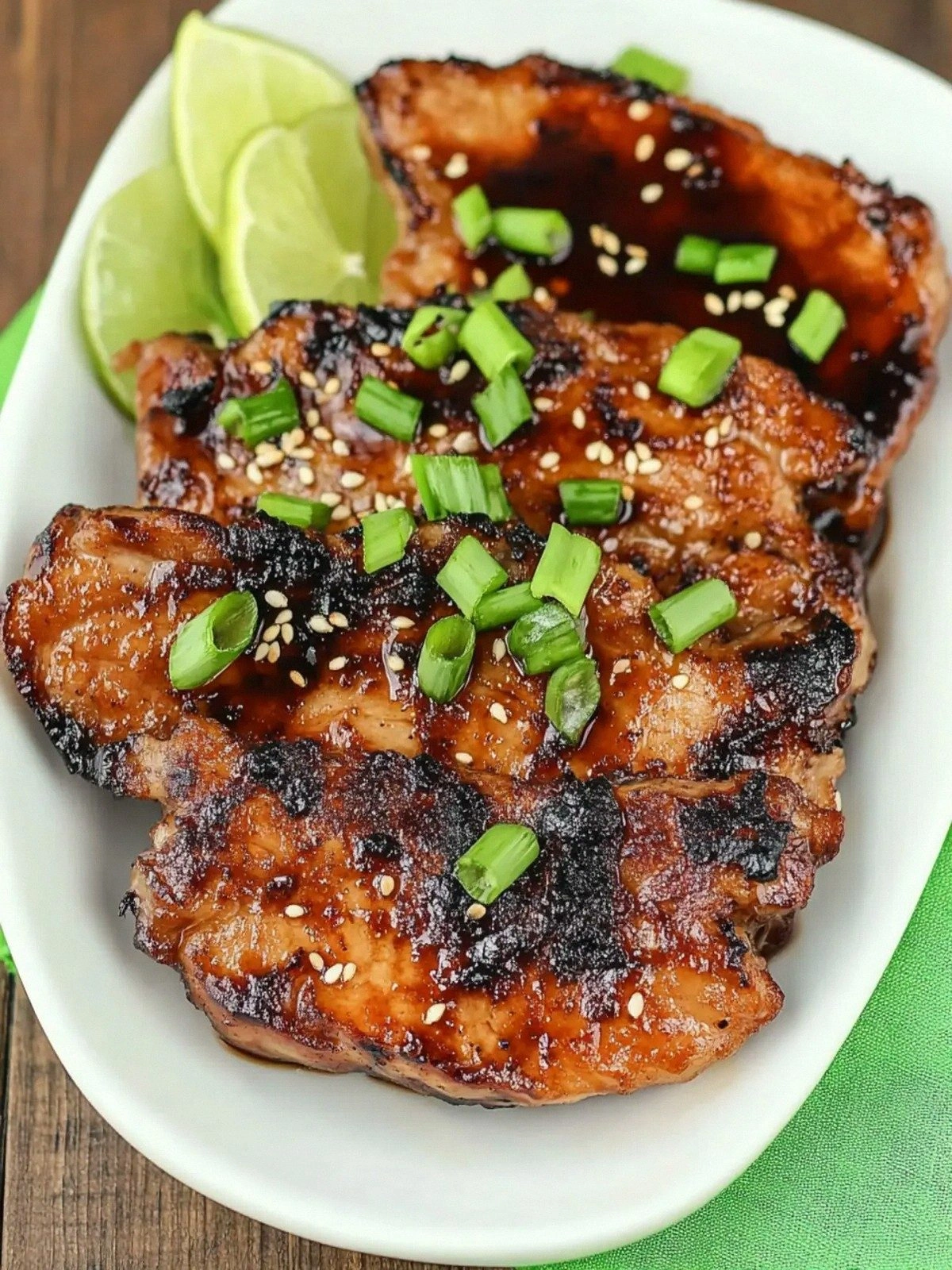
Picture this: a sizzling pan, the sound of a thick cut of pork hitting hot oil, the aroma of garlic and ginger swirling in the air, and the glimmer of honey and soy sauce coating each chop like a glossy, caramelized glaze. The first bite is a burst of sweet, savory, and a hint of heat that lingers on the palate. The texture? Juicy, tender meat with a crisp, caramelized crust that crackles like thin ice when you bite into it. My senses were on fire, and I knew I had found the flavor that would dominate any dinner table.
What makes this version stand out? The answer is simple: it’s a balanced marriage of authenticity and innovation. I’ve taken the classic Korean pork chop recipe and amplified its depth with a honey‑soy reduction that’s thicker than a glaze, a touch of sesame oil that gives a nutty finish, and a splash of sweet chili that adds a subtle kick. This isn’t just another recipe; it’s a game‑changer that will leave your guests asking for the secret. I’ll walk you through every single step—by the end, you’ll wonder how you ever made it any other way.
Now, let’s dive into the details. The next sections will break down the ingredients, the method, and the tricks that will make your pork chops not just good, but unforgettable. Stay with me, because this is where the magic happens.
What Makes This Version Stand Out
- Flavor: The combination of honey, soy sauce, and sweet chili creates a glaze that coats the pork like velvet, delivering a sweet‑savory punch with every bite.
- Texture: A quick sear followed by a slow glaze ensures the meat stays juicy inside while developing a crisp, caramelized crust that shatters like thin ice.
- Simplicity: With only eight ingredients, this dish is straightforward enough for a novice and sophisticated enough for a seasoned chef.
- Authenticity: The use of sesame oil, ginger, and garlic keeps the flavor profile rooted in Korean cuisine while adding a modern twist.
- Crowd‑Pleaser: Whether you’re feeding a family or entertaining friends, the sweet‑savory glaze and tender meat will have everyone coming back for seconds.
- Ingredient Quality: Fresh ginger, high‑quality soy sauce, and a good honey are the secret to a dish that tastes like a five‑star restaurant.
- Cooking Method: A two‑stage cooking process—searing and glazing—maximizes flavor extraction and texture.
- Make‑Ahead Potential: The glaze can be prepared ahead of time and reheated, making this dish a perfect weeknight dinner or a last‑minute meal for guests.
Alright, let’s break down exactly what goes into this masterpiece…
Inside the Ingredient List
The Flavor Base
The foundation of this dish is a bold blend of soy sauce, honey, and sweet chili sauce. Soy sauce provides umami and saltiness that anchors the flavor, while honey adds a glossy sweetness that caramelizes beautifully during cooking. Sweet chili sauce injects a subtle heat that balances the richness. Together, they create a glaze that’s both sticky and flavorful, turning each pork chop into a work of culinary art.
The Texture Crew
Thin boneless pork chops are the star of the show, chosen for their quick cooking time and ability to stay tender. Olive oil is used for searing; its high smoke point ensures a crisp crust without burning. Sesame oil, added at the end of cooking, gives a nutty aroma that elevates the overall profile. Garlic and ginger, minced and grated respectively, provide a fragrant base that permeates the meat, giving depth and complexity.
The Unexpected Star
Fresh ginger is the unsung hero that adds zing and a subtle peppery bite. Its natural oils mingle with the soy and honey, creating a glaze that’s both sweet and slightly spicy. If you’re not a fan of ginger, you can swap it for a dash of freshly ground black pepper or a pinch of crushed red pepper for a different heat profile.
The Final Flourish
The sweet chili sauce and sesame oil are added in the final minutes of cooking, allowing their flavors to meld without overpowering the base. A quick squeeze of lime at the very end (optional) can brighten the dish, cutting through the richness and adding a citrusy note that lingers on the tongue.
Everything’s prepped? Good. Let’s get into the real action…
The Method — Step by Step
- First, pat the pork chops dry with paper towels. A dry surface is key for a beautiful sear. Heat a heavy skillet over medium‑high heat, then add 2 tablespoons of olive oil. When the oil shimmers, slide the chops into the pan, leaving space between each piece. The sizzle you hear is the sound of flavor locking in.
- Let the chops sear for about 3 minutes on the first side until a golden crust forms. Don’t move them—give the crust time to develop. Flip them gently with tongs, and sear the other side for another 2‑3 minutes. The edges should start pulling away from the pan, indicating a good sear.
- While the pork is resting, combine 0.5 cup soy sauce, 4 tablespoons honey, 2 cloves minced garlic, 4 teaspoons grated ginger, and 2 tablespoons sweet chili sauce in a small saucepan. Bring the mixture to a gentle simmer over low heat, stirring until the honey dissolves completely. The aroma should be rich and inviting.
- Return the pork chops to the pan, spooning the glaze over each piece. Reduce the heat to medium, cover the skillet, and let the chops simmer in the glaze for 5 minutes. The glaze will thicken, coating the meat like a glossy coat of armor.
- Uncover the skillet, increase the heat to medium‑high, and let the glaze reduce further until it’s thick enough to cling to the pork. Stir occasionally to prevent burning. The glaze should have a syrupy consistency that clings to the chops when you lift a spoon.
- Add 2 teaspoons of sesame oil, swirling the pan to distribute the nutty aroma evenly. This final touch gives the dish a subtle, toasted flavor that elevates the glaze from sweet to savory. Give the chops one last quick stir to coat them evenly.
- Turn off the heat, let the pork rest for 2 minutes. This resting period allows the juices to redistribute, ensuring each bite is moist and succulent. The meat should feel firm yet give slightly when pressed.
- Serve immediately, drizzled with any remaining glaze, and garnish with sliced green onions or toasted sesame seeds if desired. The dish should look glossy, the crust crackling, and the aroma should be irresistible.
That’s it—you did it. But hold on, I’ve got a few more tricks that will take this to another level. Let’s keep the momentum going.
Insider Tricks for Flawless Results
The Temperature Rule Nobody Follows
Many cooks think that high heat is the key to a good sear, but the secret is a controlled medium‑high setting. Too high, and the exterior burns before the interior cooks; too low, and the meat stays raw. I always set the stove to 350°F (175°C) for the initial sear, which gives a golden crust without scorching the glaze.
Why Your Nose Knows Best
When the glaze starts to bubble, the aroma will change from sweet to caramelized. Trust that scent; it signals that the sugars are breaking down and the glaze is thickening. If you wait until it’s too thick, you risk burning the glaze and ruining the flavor.
The 5‑Minute Rest That Changes Everything
After cooking, let the pork chops rest for exactly five minutes. This pause allows the muscle fibers to relax, making the meat easier to chew. I once skipped this step and ended up with a slightly tough texture—don’t make the same mistake.
Use Fresh Ginger, Not Powder
Fresh ginger carries a bright, aromatic quality that powder can’t match. Grating it into the glaze releases essential oils that infuse the sauce. If you’re in a hurry, a tablespoon of ginger paste works, but it’s less vibrant.
Don’t Skimp on the Sesame Oil
Sesame oil is a finishing oil, not a cooking oil. Adding it at the end preserves its nutty flavor and prevents it from burning. It’s the final touch that elevates the dish from good to unforgettable.
Creative Twists and Variations
This recipe is a playground. Here are some of my favorite ways to switch things up:
Spicy Sriracha Twist
Swap the sweet chili sauce for an equal amount of sriracha to give the dish a bold kick. The heat pairs well with the honey’s sweetness, creating a fiery glaze that’s perfect for spice lovers.
Maple Glaze Variation
Replace honey with pure maple syrup for a deeper, caramel‑like sweetness. The maple’s earthy undertones complement the soy sauce and give the glaze a richer color.
Herb‑Infused Version
Add a tablespoon of chopped fresh thyme or rosemary to the glaze. The herbal notes add complexity and are especially nice when served with roasted potatoes.
Asian Slaw Side
Serve the pork chops over a bed of crunchy Asian slaw made from shredded cabbage, carrots, and a sesame vinaigrette. The slaw’s crispness balances the rich glaze and adds a fresh dimension.
Grilled Version
Instead of pan‑searing, grill the pork chops over medium heat. The charred grill marks give a smoky flavor that complements the sweet glaze. Just be sure to brush the glaze on during the last minutes of grilling.
Vegan Substitute
Use thick tofu slabs or seitan in place of pork. Marinate the protein in the same glaze and cook it until the tofu is golden and the seitan is chewy. The result is a plant‑based dish that still delivers on flavor.
Storing and Bringing It Back to Life
Fridge Storage
Cool the pork chops completely, then place them in an airtight container. Store in the refrigerator for up to 3 days. The glaze will thicken slightly, but the meat will remain juicy.
Freezer Friendly
Wrap each pork chop individually in plastic wrap, then place them in a freezer bag. Freeze for up to 3 months. When ready, thaw overnight in the refrigerator.
Best Reheating Method
Reheat in a skillet over medium heat, adding a splash of water or broth to prevent drying. A tiny splash of water will steam the pork, restoring moisture and keeping the glaze glossy. Finish with a quick drizzle of sesame oil to revive the nutty aroma.