Picture this: I’m standing in a kitchen that feels more like a battlefield after a midnight snack attack, the countertop littered with half‑cooked tuna melts, a melted cheese catastrophe, and a single egg that’s gone rogue. The sink was a puddle of mayo, the air smelled like burnt cardboard and regret. I stared at the mess, and a thought flickered like a neon sign: what if I could turn this chaos into a masterpiece? That was the spark that ignited the creation of the Savory Tuna Melt Chaffle: Cris. I’m about to show you how to turn disaster into culinary gold.
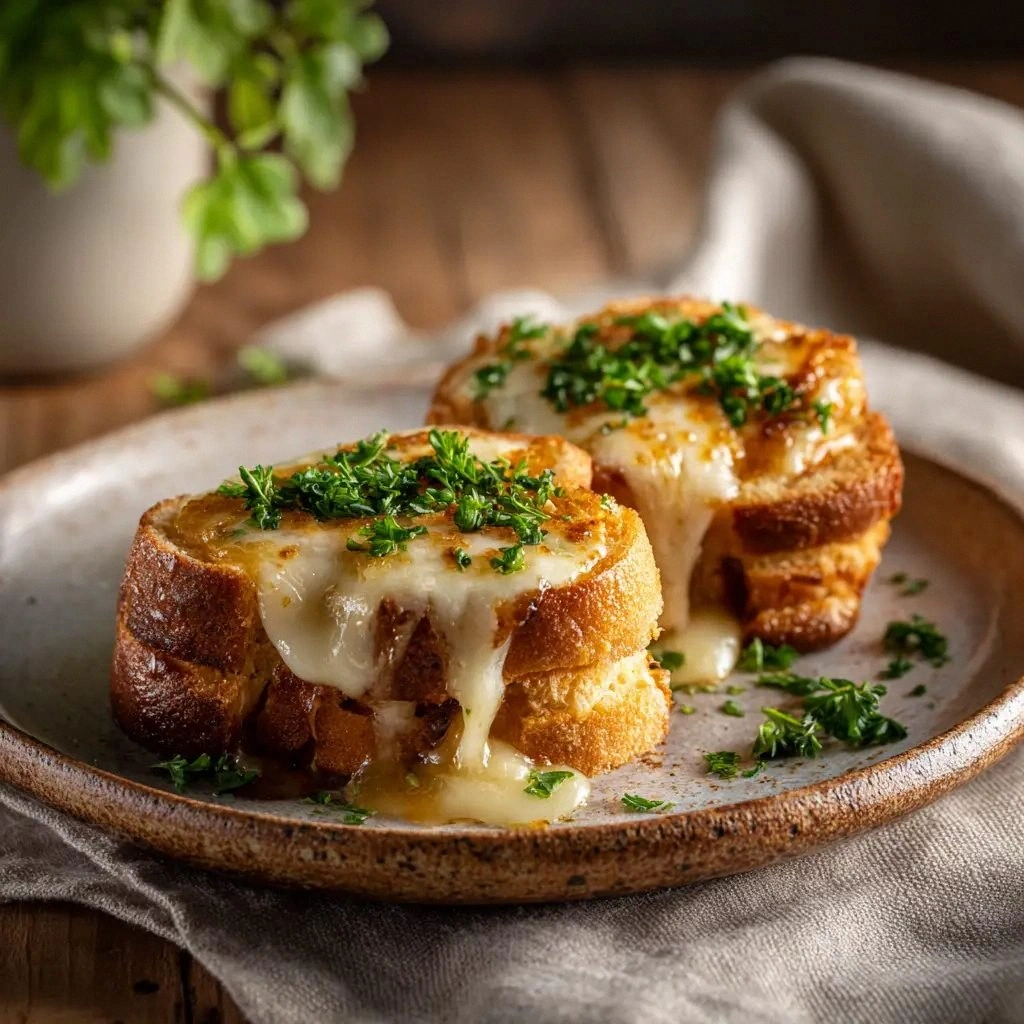
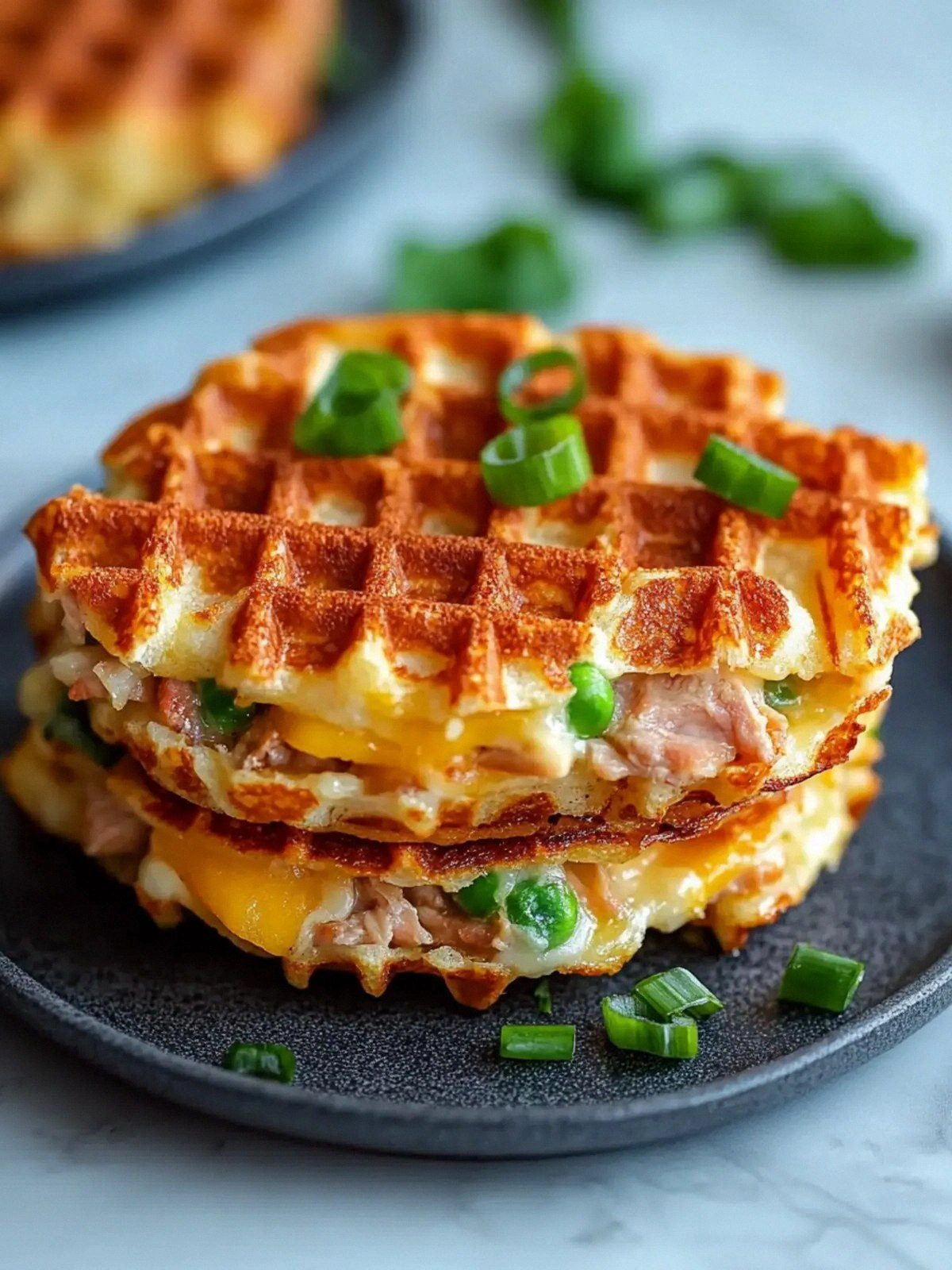
First, the sight of that golden crust, a perfect halo of cheese and tuna, beckons like a sunrise over a quiet harbor. The aroma that rises as the chaffle bakes is a warm, buttery symphony, the faint scent of sea salt dancing with the sweet tang of mozzarella. When you lift the first bite, the crunch is a satisfying crack that shatters like thin ice, followed by a velvety melt that coats your tongue in savory bliss. The taste is an orchestra: briny tuna, creamy cheese, and a subtle egg richness that lingers like a secret whisper. And the feel—each bite is a comforting hug, the heat radiating through the shell, making your mouth water in anticipation.
This isn’t just another tuna melt; it’s a chaffle that redefines what “cheesy” can be. By folding the tuna into a fluffy, egg‑rich batter, we create a texture that’s simultaneously airy and firm, a contrast that makes every bite a delightful surprise. The secret sauce? A splash of olive oil that keeps the edges crisp while the inside stays moist, a trick that most recipes overlook. I dare you to taste this and not go back for seconds because the flavor profile is so complete, it sings a solo. And let’s be honest—most tuna melts are flat, but this one rises like a proud flag, ready to conquer your taste buds.
Now, the kicker is a technique that seems simple but is pure magic: the chaffle’s batter is whisked until it’s light enough to float on a spoon, then folded with care to trap air pockets that puff up in the oven. Picture yourself pulling this out of the oven, the whole kitchen smelling incredible, the steam curling around the plate like a warm embrace. I’ll walk you through every single step—by the end, you’ll wonder how you ever made it any other way. And trust me, the moment you taste that first bite, you’ll know you’ve stumbled onto a culinary revelation. Let’s dive in.
What Makes This Version Stand Out
- Flavor Profile: The tuna provides a deep, briny base that is amplified by the creamy mozzarella and subtle egg undertones. The combination delivers a taste that feels both comforting and adventurous, making it a standout in the realm of quick snacks.
- Texture: The batter’s airy lift gives the chaffle a light interior, while the cheese creates a crisp, golden crust that cracks delightfully with each bite. This contrast keeps every mouthful interesting.
- Simplicity: With only four ingredients, you can assemble the dish in minutes, yet it feels gourmet. The recipe’s minimalism makes it approachable for beginners and efficient for busy evenings.
- Uniqueness: By turning a classic tuna melt into a chaffle, we elevate the dish’s presentation and flavor profile, giving it a fresh, contemporary twist.
- Crowd Reaction: Friends who’ve tasted this rave about the unexpected crunch and melt‑in‑your-mouth texture. It’s the kind of dish that turns a casual gathering into a culinary highlight.
- Ingredient Quality: Using fresh mozzarella and a high‑quality can of tuna ensures a superior flavor that elevates the entire dish. The quality of each component directly translates into the final taste.
- Make‑Ahead Potential: The chaffles can be prepared ahead of time, stored, and reheated without losing their crispness, making them ideal for meal prep or entertaining.
Alright, let's break down exactly what goes into this masterpiece. The ingredients are minimal, yet each plays a starring role. The process is streamlined, so you can whip up a batch in under half an hour. And because of its versatility, it fits perfectly into any meal plan. Stay tuned for the ingredient breakdown that will set your culinary engine in motion.
Inside the Ingredient List
The Flavor Base
Mozzarella cheese is the backbone of this dish, lending a mild, buttery flavor that pairs beautifully with the saltiness of tuna. Its high moisture content ensures the chaffle stays juicy inside while forming a golden crust. If you prefer a sharper cheese, a sprinkle of grated Parmesan can add depth without overpowering. When selecting mozzarella, look for a whole‑milk variety with a smooth, creamy texture; it will melt evenly and provide that silky mouthfeel.
The Texture Crew
The large egg acts as a binder and introduces lightness into the batter. Whisking the egg until foamy traps air pockets, which puff up during baking to give the chaffle a souffle‑like interior. A fresh egg also adds a subtle richness that balances the brine of the tuna. If you’re vegan, a flaxseed egg can mimic the binding properties, though the flavor will shift slightly.
The Unexpected Star
Canned tuna is the star that delivers both protein and a savory punch. Choose a can packed in water or olive oil depending on your taste preference; olive oil adds a silky finish, while water keeps the dish lighter. The tuna’s briny flavor is amplified by the mozzarella, creating a harmonious blend that feels both hearty and refined. For a twist, try a chunkier variety that offers more texture.
The Final Flourish
A pinch of salt is the final touch that elevates every component, enhancing the natural flavors without overpowering them. A small amount of freshly ground black pepper can also add a subtle kick, but be cautious—too much can mask the tuna’s delicate taste. Remember that salt is a flavor enhancer, not a seasoning; it should be used sparingly to allow the other ingredients to shine. When adding salt, sprinkle it evenly and taste as you go to achieve the perfect balance.
Everything's prepped? Good. Let's get into the real action.
The Method — Step by Step
Preheat your oven to 400°F (200°C) with a pizza stone inside; the stone ensures an even, blister‑ready surface. This preheating step is critical because a hot base will help the chaffle rise immediately, locking in the airy texture. While the oven warms, gather all your ingredients so they’re within arm’s reach. Having everything ready will keep the process smooth and prevent any last‑minute scrambling. This first paragraph sets the stage for a flawless bake.
- Gather the mozzarella, tuna, egg, and a pinch of salt in a mixing bowl. The bowl should be large enough to accommodate the whisking action without spilling. This step is essential because having all ingredients ready allows you to focus on the technique. A clear, organized workspace keeps the process stress‑free and efficient.
- Whisk the egg vigorously until it foams; this creates tiny air pockets that puff up the chaffle like a souffle. Add the tuna to the beaten egg, folding it in gently to avoid breaking the tuna into a paste. The foam not only adds volume but also helps the cheese melt evenly. This step is the foundation of the airy interior, so treat it with care.
- Fold in the shredded mozzarella, stirring until the cheese is evenly distributed. The cheese should be fully incorporated to ensure a cohesive texture. Avoid overmixing; you want the batter to remain light and airy. The cheese’s melt will create a golden crust that’s both crispy and flavorful.
- Pour the batter into a greased cast‑iron skillet or a preheated griddle, spreading it into a 4‑inch circle. The skillet should be hot enough that the batter sizzles immediately, sealing the edges. This creates a crisp base while allowing the center to remain tender. Use a spatula to smooth the surface for an even bake.
- Bake for 7 minutes, then carefully flip the chaffle using a wide spatula. The flip should be gentle to avoid tearing the delicate cheese crust. As the chaffle bakes on the second side, the cheese will brown to a golden hue. This step is crucial for achieving an even texture throughout.
- Flip carefully, then bake for an additional 5 minutes. The edges should look crisp and slightly blistered, indicating that the interior is fully cooked. Keep an eye on the color; if it turns too dark, reduce the time slightly. This second bake solidifies the structure and locks in flavor.
- Use a toothpick to test doneness; it should come out clean when the center is fully set. A clean toothpick confirms that the cheese has melted evenly and the tuna is hot throughout. This small check saves you from undercooked or overcooked results. The goal is a perfectly golden, firm exterior with a moist interior.
- Remove the chaffle from the oven and let it rest on a wire rack for 2 minutes. Resting allows the heat to distribute evenly and the edges to maintain crispness. It also prevents the cheese from pulling away as it cools. This brief pause enhances the overall eating experience.
- Serve immediately, optionally with a squeeze of fresh lemon or a sprinkle of chopped parsley for brightness. The citrus cut through the richness, while the herbs add a pop of color. Pair it with a light salad or a cup of soup for a balanced meal. The result is a dish that feels indulgent yet wholesome.
That's it — you did it. But hold on, I've got a few more tricks that'll take this to another level. Now that the chaffles are golden and the kitchen is smelling like victory, you might wonder what to do next. The trick is to let them rest on a wire rack for a minute or two; this keeps the bottom crisp and prevents sogginess. If you’re a fan of extra crunch, dust a light layer of grated Parmesan over the tops before serving. Pair these with a simple green salad or a squeeze of fresh lemon for a bright contrast. Trust me, this finishing touch is the secret sauce that turns a good snack into a memorable meal.
Insider Tricks for Flawless Results
The Temperature Rule Nobody Follows
Many people bake at a lower temperature, which can cause the chaffle to brown unevenly. The secret is to bake at a high heat of 400°F (200°C) so the exterior crisps up quickly, locking in the interior moisture. A hot oven also encourages the cheese to melt uniformly, preventing a greasy or soggy finish. If you’re using a different oven, preheat it for at least 10 minutes to ensure stability.
Why Your Nose Knows Best
As the chaffle bakes, the aroma that rises is a telltale sign of readiness. A sweet, buttery scent with a hint of sea salt indicates that the cheese has melted to perfection. If the smell turns sharp or metallic, the batter may be overcooked, and the tuna could be drying out. Trust your nose; it’s a reliable gauge for flavor and texture.
The 5-Minute Rest That Changes Everything
Letting the chaffle rest on a wire rack for 5 minutes after baking ensures the interior sets without becoming gummy. During this brief pause, steam escapes, preventing excess moisture from pooling at the base. The result is a crisp exterior that remains crunchy, even after a few minutes of cooling. This simple step is often overlooked but makes a noticeable difference.
The Tiny Salt Trick
Adding salt too early can draw moisture out of the tuna, causing it to dry. Instead, sprinkle the pinch of salt directly onto the batter just before baking. This timing preserves the tuna’s juiciness while still enhancing flavor. A light hand is key; you can always adjust after tasting.
The Right Pan Matters
Using a cast‑iron skillet or a non‑stick pan with a good heat distribution ensures even cooking. A poor‑quality pan can create hot spots, leading to uneven browning. If you don’t have a cast iron, a silicone‑lined baking sheet works well, but preheat it for a few minutes to mimic the heat retention.
The Egg’s Secret Role
The egg is more than a binder; it adds a subtle richness that balances the tuna’s saltiness. Whisking it to a foam incorporates air, giving the chaffle a light, souffle‑like interior. Skipping the egg will result in a denser, less airy texture, so keep it in the recipe. For a vegan version, a flaxseed or chia seed egg can replicate the binding properties.
If you’re a busy bee who needs leftovers on the go, the chaffles can be portioned into individual containers and frozen for up to a week. When you’re ready to reheat, a quick blast in the toaster oven will revive that crispness better than a microwave. For a quick snack, simply pop a pre‑cooked chaffle in the microwave for 30 seconds; it will warm through while keeping the interior creamy. Remember to let it cool slightly before biting to avoid that dreaded hot‑mouth moment. Enjoy the convenience of a ready‑to‑eat, protein‑packed treat whenever hunger strikes.
Creative Twists and Variations
Mediterranean Magic
Swap the tuna for a mix of diced sun‑dried tomatoes, olives, and a splash of pesto for a Mediterranean flair. The tomatoes add a sweet tang, while the olives bring brine, and the pesto offers a herbal depth that complements the cheese. This variation is perfect for a summer gathering or a light lunch. The result is a vibrant, aromatic chaffle that feels like a Mediterranean beach day.
Smoked Salmon Upgrade
Use smoked salmon instead of tuna for a luxurious, upscale twist. The smoky flavor pairs beautifully with the creamy cheese, and the salmon’s silky texture adds a new dimension. Add a squeeze of fresh dill for an herbal finish. This version is ideal for brunch or a fancy appetizer.
Spicy Kick
Introduce a pinch of cayenne pepper or a dash of hot sauce to give the chaffle a fiery edge. The heat balances the richness of the cheese, creating a harmonious contrast. This spicy version is a crowd‑pleaser at parties where guests love a little heat. The kick is subtle enough not to overpower but enough to excite the palate.
Cheese Explosion
Add a handful of shredded cheddar or gouda for an extra melty, cheesy layer. The different cheese types bring varied flavor notes—cheddar adds sharpness, gouda adds nuttiness. Mix them in with the mozzarella for a complex, gooey interior. This version is great for kids who love cheesy snacks.
Herb Garden
Stir in fresh basil or chives to give the chaffle a bright, garden‑fresh flavor. Herbs add color and a burst of freshness that cuts through the richness. This variation works well as a side dish or a light main course. The result is a delightful, herb‑infused treat.
Vegan Version
Replace the egg with a flaxseed or chia seed binder, and use a plant‑based tuna alternative. Swap mozzarella for a vegan cheese that melts well, such as a cashew‑based option. The texture remains airy, and the flavor stays robust. This vegan twist allows anyone to enjoy the chaffle’s comfort without compromising on taste.
With the base now firmly in your culinary toolkit, you can experiment like a mad scientist in a kitchen laboratory. Think about adding a splash of pesto for a Mediterranean vibe, or swapping tuna for smoked salmon for a luxe twist. You could also incorporate a handful of sun‑dried tomatoes for a burst of umami that will make your guests do a double take. The beauty of the chaffle is that it embraces any flavor you throw at it, turning ordinary into extraordinary. So grab your pantry and let the creativity flow.
Storing and Bringing It Back to Life
Fridge Storage
Store cooked chaffles in an airtight container in the refrigerator for up to 3 days. The airtight seal prevents moisture from turning the edges soggy. When you’re ready to eat, a quick reheat in a toaster oven restores crispness. The fridge keeps the cheese firm, ensuring a consistent texture. This method is ideal for meal prepping or quick snack options.
Freezer Friendly
Freeze chaffles individually on a parchment‑lined tray before transferring them to a freezer bag. This prevents them from sticking together and makes portion control easy. They can be stored for up to 1 month without loss of flavor. To thaw, let them sit at room temperature for 20 minutes. This step keeps the chaffles fresh and ready whenever you crave a savory bite.
Best Reheating Method
The best way to reheat chaffles is in a preheated oven at 350°F (175°C) for 5–7 minutes. This method preserves the crisp exterior while warming the interior evenly. Avoid microwaving for extended periods, as it can make the cheese rubbery. If you’re short on time, a quick blast in a toaster oven works wonders. Reheating restores the golden crust and creamy center to their original glory.
If you’re a busy bee who needs leftovers on the go, the chaffles can be portioned into individual containers and frozen for up to a week. When you’re ready to reheat, a quick blast in the toaster oven will revive that crispness better than a microwave. For a quick snack, simply pop a pre‑cooked chaffle in the microwave for 30 seconds; it will warm through while keeping the interior creamy. Remember to let it cool slightly before biting to avoid that dreaded hot‑mouth moment. Enjoy the convenience of a ready‑to‑eat, protein‑packed treat whenever hunger strikes.