It started with a kitchen mishap that would later become the secret sauce to this dish. I was halfway through a weeknight dinner, the skillet was hot, and I accidentally dropped a whole chicken thigh into a bowl of soy sauce. The pan hissed, the aroma of umami hit my nose like a punch, and I realized I had a golden opportunity to turn a disaster into a triumph. That moment, I vowed to master the art of scallion chicken and keep the kitchen alive with flavor.
Picture the scene: a sizzling wok, the sound of garlic and ginger dancing in hot oil, and the green spears of scallions cutting through the steam like emerald ribbons. The scent of toasted sesame oil mingles with the sharpness of fresh scallions, creating a perfume that pulls you in before the first bite. When you taste the dish, the savory depth of soy and oyster sauce embraces the tender chicken, while the scallions add a bright, almost citrusy lift. The texture is a delightful contrast—crisp scallion edges that shatter like thin ice, and chicken that remains juicy and succulent.
What makes this version stand out is not just the flavor but the technique that turns a simple stir‑fry into a culinary showcase. I dare you to taste this and not go back for seconds—once you try the combination of quick searing and a silky sauce, you’ll never settle for a bland alternative. I’ll be honest, I ate half the batch before anyone else got to try it, and that’s a confession I keep on my kitchen wall. The secret is in the balance of heat, timing, and the subtle use of cornstarch to create that silky coating without heaviness.
If you’ve ever struggled with achieving the right texture in a stir‑fry, you’re not alone. The trick is to keep the wok hot, the chicken dry, and the sauce ready to coat in a flash. Picture yourself pulling this out of the pan, the whole kitchen smelling incredible, and the plate looking like a work of art. And now, ready for the game‑changer? Let me walk you through every single step—by the end, you’ll wonder how you ever made it any other way.
What Makes This Version Stand Out
- Flavor: The blend of soy, oyster, and sesame oil creates a layered umami profile that feels both familiar and adventurous. Each bite delivers a burst of savory sweetness that lingers on the palate.
- Texture: The quick sear locks in juices, while the cornstarch coating gives the chicken a silky finish that clings to the scallions without clumping.
- Speed: This dish can be assembled in under 15 minutes and cooked in 30 minutes, making it the perfect weeknight hero.
- Versatility: It pairs effortlessly with rice, noodles, or even cauliflower rice for a low‑carb twist.
- Ingredient Quality: Using fresh scallions and high‑quality soy sauce elevates the entire flavor profile, turning a simple stir‑fry into a gourmet experience.
- Crowd‑Pleaser: The bright green scallions and glossy sauce make it Instagram‑worthy, and guests will ask for the recipe after every bite.
Inside the Ingredient List
The Flavor Base
Soy sauce and oyster sauce form the backbone of this dish, providing depth and a subtle sweetness that balances the heat of the scallions. The soy sauce should be a good quality dark soy for that rich color, while the oyster sauce adds a touch of marine sweetness. If you’re vegan, substitute oyster sauce with mushroom soy sauce to keep the umami punch.
The Texture Crew
Cornstarch is the unsung hero that gives the sauce that silky, clingy texture without turning it greasy. Toss the chicken in a light dusting of cornstarch before searing to create a delicate barrier that locks in moisture. If you don’t have cornstarch, a splash of potato starch works as a close substitute.
The Unexpected Star
Scallions bring not only crunch but also a bright, almost citrusy note that cuts through the richness of the sauce. Use both the white and green parts; the white gives a subtle onion flavor while the green adds freshness. If scallions are out of season, thinly sliced leeks or green onions can mimic the flavor profile.
The Final Flourish
Sesame oil is the finishing touch that adds a nutty aroma and a glossy sheen. A small amount goes a long way; too much can overwhelm the dish. Toasted sesame seeds sprinkle on top just before serving for an added crunch and nutty aroma.
Everything's prepped? Good. Let’s get into the real action, where the magic happens in a hot wok and a quick dash of sauce.
The Method — Step by Step
- Start by patting the chicken thighs dry with a paper towel. This step is crucial; any moisture will cause the chicken to steam instead of sear, leading to a soggy result. Season the pieces with a pinch of salt, pepper, and a light dusting of cornstarch. The cornstarch creates a thin crust that will keep the juices inside. Place the chicken in a single layer in a hot wok and let it sear for 2-3 minutes on each side until a golden crust forms. Once done, remove the chicken and set it aside on a plate.
- Without cooling the wok, add 1 tablespoon of sesame oil. The oil should shimmer but not smoke. Toss in 1 tablespoon of minced garlic and 1 tablespoon of minced ginger. Stir quickly; the aromatics should release their fragrance within 30 seconds. Watch out: if the oil gets too hot, the garlic can burn and ruin the flavor. Keep the heat at medium‑high and move the aromatics around constantly.
- Add the sliced scallions (both white and green parts). Stir-fry for 30 seconds until they just start to soften but still retain a crisp bite. The scallions should not turn brown; if they do, reduce the heat immediately. This brief sauté brings out their natural sweetness without overcooking.
- Pour in 3 tablespoons of soy sauce, 2 tablespoons of oyster sauce, and 1 cup of water or low‑salt chicken broth. Bring the mixture to a gentle simmer. The sauce will thicken slightly as it reduces. Keep the simmer low to avoid splattering; a gentle bubble is all you need. The aroma should be rich and inviting.
- Return the seared chicken to the wok, tossing it so each piece is coated with the sauce. Let it simmer for 3-4 minutes, allowing the chicken to absorb the flavors. The chicken should be cooked through; the internal temperature should reach 165°F (74°C). If you prefer a thicker sauce, add an extra teaspoon of cornstarch dissolved in a tablespoon of water.
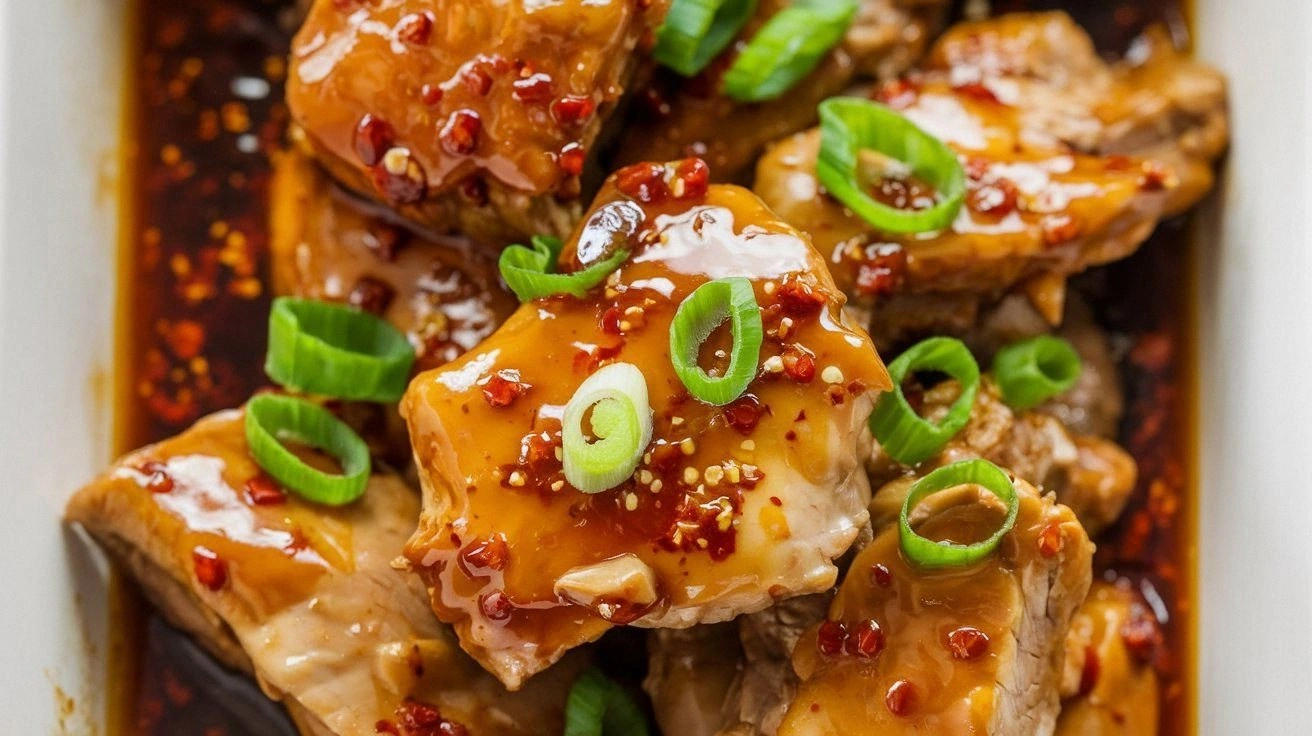
- Add a pinch of chili flakes if you like a hint of heat. Sprinkle toasted sesame seeds over the dish for a nutty crunch. Taste the sauce and adjust seasoning with a little more salt if needed. The final dish should have a glossy sheen and a balanced umami profile. This is the moment of truth—watch how the sauce clings to the scallions and chicken.
- Kitchen Hack: When adding the liquid sauces, pour them slowly into a small bowl first to temper the heat, then gradually stir them into the wok. This technique prevents sudden splattering and keeps the wok cleaner.
- Serve the dish hot over steamed jasmine rice or sautéed noodles. Garnish with extra scallion greens for color and freshness. The combination of rice and sauce creates a harmonious marriage of textures and flavors. This final plating step elevates the dish from ordinary to extraordinary.
- Enjoy immediately—this dish is best served fresh, as the scallions lose their crispness over time. If you have leftovers, reheat gently in a pan, adding a splash of water to revive the sauce’s silkiness. Keep the heat low to avoid drying out the chicken.
Insider Tricks for Flawless Results
The Temperature Rule Nobody Follows
The key to a perfect sear is a wok that’s hot enough to sizzle when the chicken hits it, but not so hot that it burns the surface. A good test is to drop a single drop of water; if it evaporates instantly, the wok is ready. Maintaining this temperature throughout the cooking process ensures the chicken stays juicy and the sauce doesn’t stick.
Why Your Nose Knows Best
Smell is your most reliable guide to seasoning. As soon as the garlic and ginger hit the oil, the scent should be aromatic and not sharp. If the aroma becomes acrid, reduce the heat immediately. A well‑seasoned dish will have a subtle balance that invites you to taste without overwhelming.
The 5-Minute Rest That Changes Everything
After removing the chicken from the wok, let it rest for 5 minutes before serving. This short rest allows the juices to redistribute, keeping the meat tender and moist. A quick rest also gives the sauce a chance to thicken slightly, creating a more cohesive bite.
The Right Coriander Twist
If you love a bit of citrus, add a squeeze of fresh lime before serving. The acidity brightens the dish and cuts through the richness of the sauce. Just a small amount—about a quarter of a lime—will do the trick.
The Secret of Scallion Timing
Add the scallions after the aromatics, but before the liquid sauces. This timing keeps them crisp and prevents them from turning mushy. If you add them too early, they’ll release water and dilute the sauce.
Creative Twists and Variations
This recipe is a playground. Here are some of my favorite ways to switch things up:
Spicy Kimchi Stir‑Fry
Add a cup of chopped kimchi during the final sauté. The fermented cabbage adds a punch of umami and a subtle heat that complements the scallions. Serve over rice for a Korean‑inspired twist.
Thai Coconut Curry
Replace the soy sauce with coconut milk and add a tablespoon of Thai red curry paste. The creamy sauce pairs beautifully with the scallions and gives the dish a tropical flair. Garnish with fresh cilantro for an extra layer of freshness.
Garlic‑Infused Sesame Noodles
Swap the rice for cooked noodles and toss the chicken and scallions in a sauce made from sesame paste, garlic, and a touch of honey. The noodles soak up the sauce, creating a comforting bowl that’s perfect for a rainy day.
Balsamic Glaze Finish
Finish the dish with a drizzle of reduced balsamic vinegar for a sweet and tangy glaze. The acidity cuts through the richness, while the glaze adds a glossy, caramelized finish.
Vegetarian Version
Use firm tofu instead of chicken, lightly press it to remove excess moisture, and sear until golden. The tofu will absorb the sauce just as the chicken does, creating a satisfying vegetarian alternative.
Low‑Carb Cauliflower Rice
Serve the scallion chicken over cauliflower rice for a low‑carb option. The cauliflower’s mild flavor complements the savory sauce, while keeping the dish light and healthy.
Storing and Bringing It Back to Life
Fridge Storage
Store leftovers in an airtight container for up to 3 days. Keep the sauce separate from the chicken to prevent the meat from becoming soggy. When you’re ready to eat, reheat gently in a pan or microwave, stirring occasionally.
Freezer Friendly
The dish freezes well for up to 2 months. Freeze in individual portions to make reheating easier. Thaw overnight in the fridge before reheating on the stovetop or in the microwave.
Best Reheating Method
Add a splash of water or broth before reheating to restore the sauce’s silkiness. Gently bring to a simmer, stirring frequently until the sauce thickens and the chicken is heated through. Avoid high heat to preserve the tender texture.