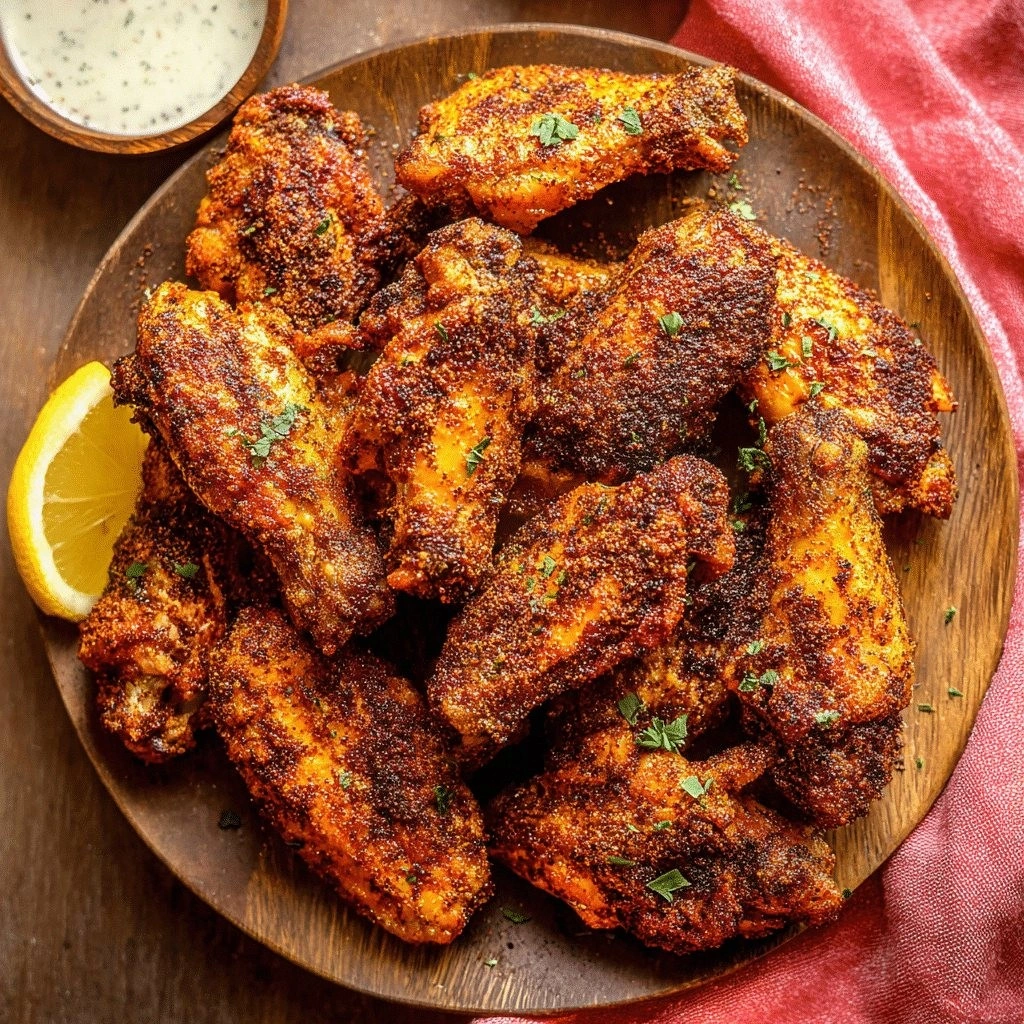
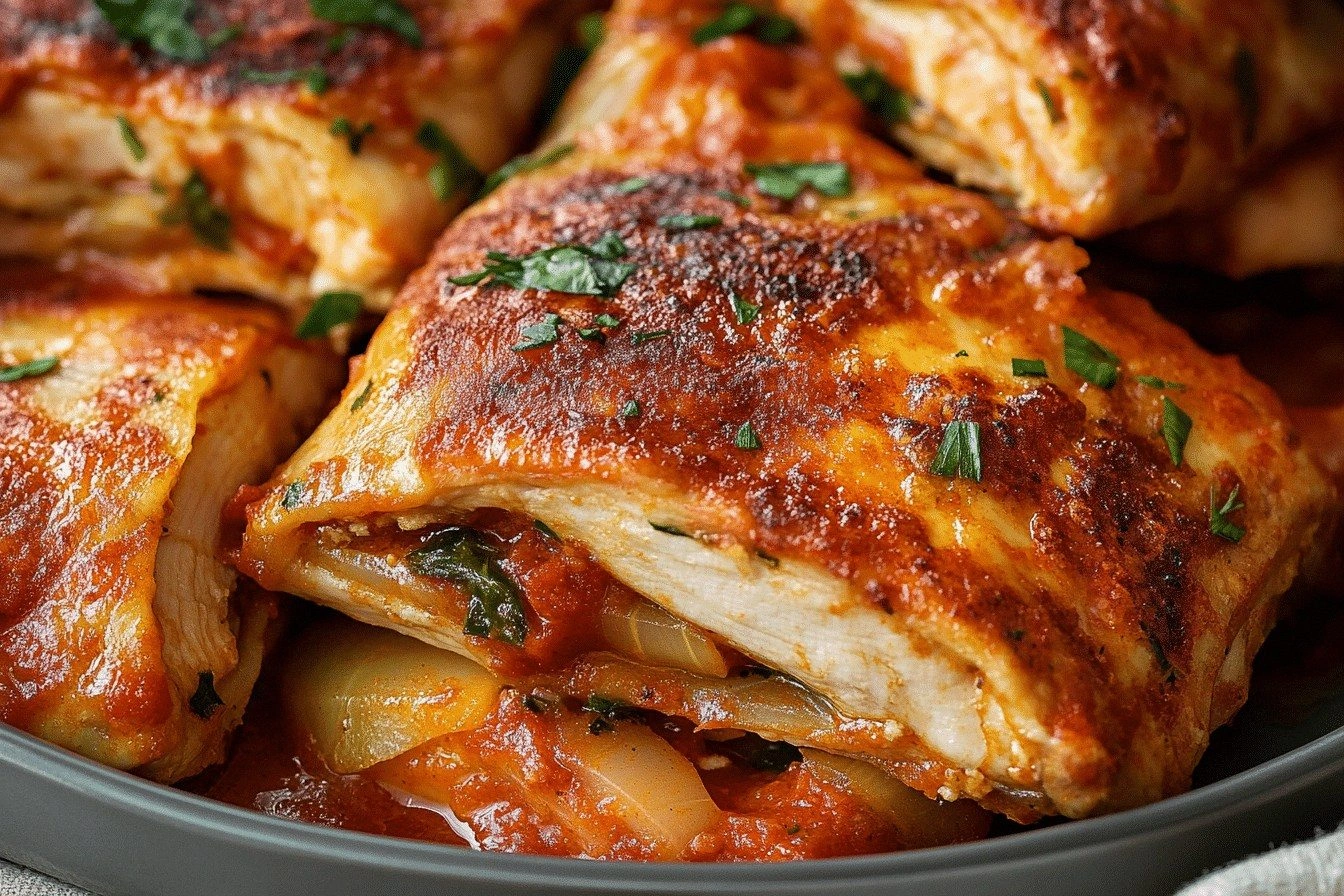
The first time I tried to make gumbo, I ended up with a pot that smelled like burnt toast and a soup that tasted like it had been sitting in the back of the fridge for a week. I was standing in my kitchen, staring at a smoldering roux, and a friend dared me to finish it before the smoke alarm went off. That moment was a culinary wake‑up call that set the stage for a version of seafood gumbo that would change how I think about this classic dish forever.
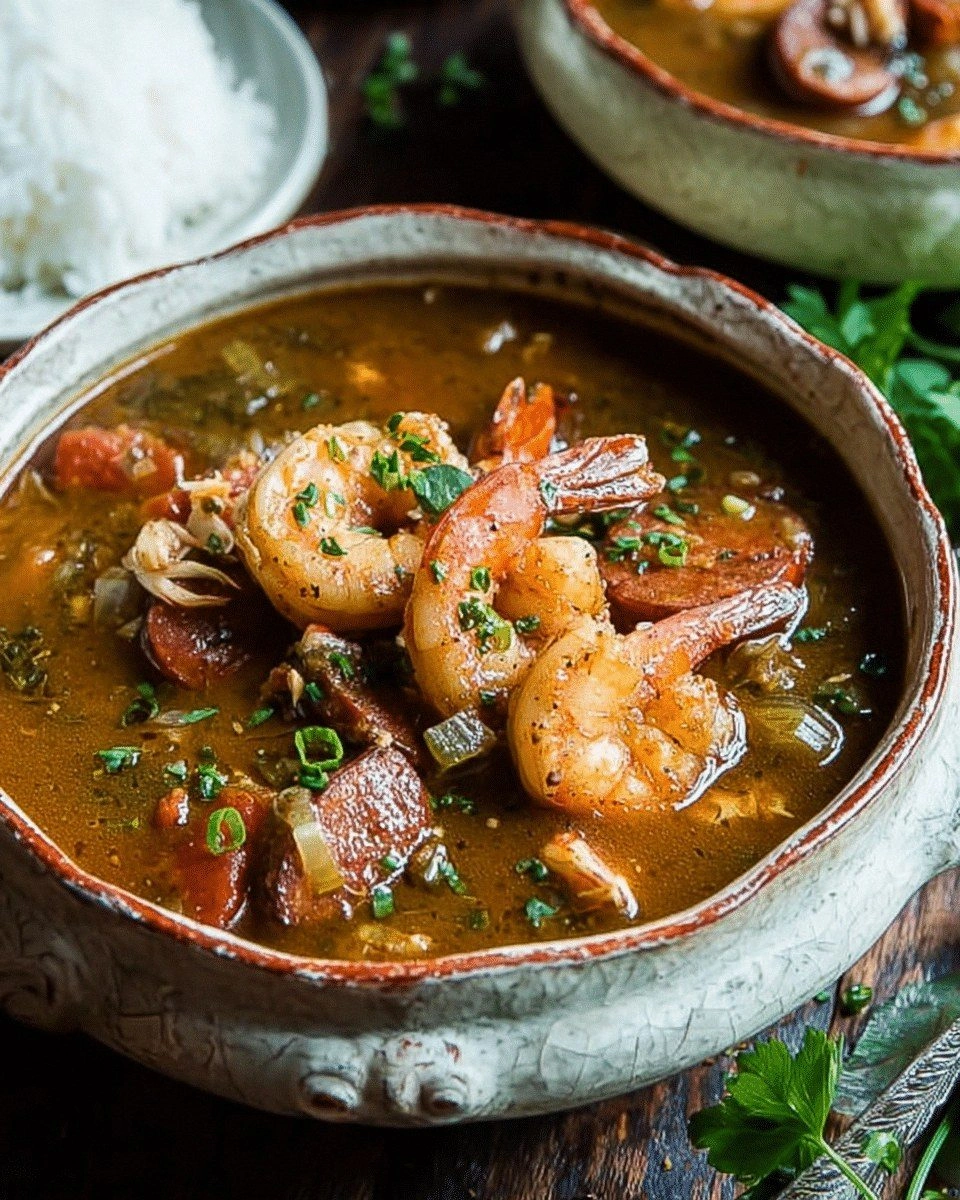
I can still taste the faint bitterness of the okra, hear the sizzle of shrimp as they hit the hot broth, feel the weight of the simmering pot on my counter, smell the aromatic bouquet of bay leaves and smoked paprika, and see the glossy sheen of the finished dish. Every sense is pulled into the pot, creating a sensory tapestry that feels both comforting and adventurous. The aroma alone is enough to bring a room full of friends to their feet, clamoring for a spoonful.
What sets this version apart is the deliberate layering of flavors that respects tradition while daring to innovate. I replaced the classic roux with a dark, butter‑and‑oil base that gives the gumbo a silky, velvety mouthfeel without the heaviness of a thickened roux. The use of fresh crab meat instead of canned, and the addition of a splash of lemon‑infused stock, elevate the dish to a new level of sophistication.
I’ll also reveal a secret ingredient that most gumbo recipes omit: a pinch of smoked sea salt that brings a subtle, briny umami that cuts through the richness. This tiny tweak is a game‑changer that you’ll swear you never knew you needed. Trust me, once you taste it, you’ll be tempted to add a second pinch.
And if you think you’re ready to tackle this, I dare you to taste this and not go back for seconds. The flavor profile is so balanced that it will leave you craving more, yet satisfied enough that you won’t feel the need to double‑up. That’s the kind of confidence I bring to every recipe I share.
Let me walk you through every single step — by the end, you’ll wonder how you ever made it any other way. I promise you’ll walk out of this kitchen feeling like a gumbo guru, with a pot that’s as beautiful to look at as it is delicious to eat.
What Makes This Version Stand Out
- Bold Flavor: The dark roux infused with butter and oil gives a deep, caramelized note that sets this gumbo apart from the usual light‑colored versions. The smoky sea salt adds a layer of complexity that lingers on the palate. It’s a flavor that’s both familiar and daring.
- Light Texture: By using fresh crab and shrimp, the dish stays tender and succulent, avoiding the rubbery texture that can come from overcooking shellfish. The okra is sliced thinly to prevent it from becoming gummy. The result is a silky broth with bite‑worthy seafood.
- Balanced Heat: The cayenne is measured precisely to give a gentle kick that doesn’t overpower the delicate flavors. A touch of smoked paprika adds depth without a burn. The heat is just enough to keep you coming back for more.
- Easy Make‑Ahead: The gumbo can be prepared a day ahead, allowing the flavors to meld beautifully. The next day, a quick reheating is all it takes to bring the dish back to life. This convenience is a major win for busy weeknights.
- Visual Appeal: The vibrant green of the okra, the bright orange of the bell pepper, and the deep red of the tomatoes create a dish that looks as good as it tastes. It’s a feast for the eyes and the tongue.
- Kid‑Friendly: The mild seasoning and tender seafood make it a dish that even picky eaters will love. The flavors are bold yet approachable, ensuring everyone in the family can enjoy it.
- Chef’s Touch: The use of a splash of lemon‑infused stock and smoked sea salt is a signature touch that elevates the dish from good to unforgettable. It’s the kind of detail that turns a regular recipe into a culinary masterpiece.
Inside the Ingredient List
The Flavor Base
The roux is the soul of gumbo, and in this version it’s made with equal parts butter and oil to give a rich, caramelized foundation that doesn’t get greasy. The dark color signals a deep, nutty flavor that will carry the rest of the ingredients. If you skip the roux, the broth will feel thin and lack depth.
Instead of a traditional all‑purpose flour roux, I use a mixture of 1 cup of all‑purpose flour and 1 cup of cornmeal to give a subtle crunch and a slightly sweet undertone. This combination also helps thicken the broth without a heavy texture. The key is to cook the roux to a dark brown, but not burnt, to keep the flavor bright.
When you’re cooking the roux, keep a close eye on the color; it’s a quick transition from light brown to a deep chocolate hue. If it starts to brown too fast, lower the heat and add a small splash of broth to keep the mixture from scorching. The result is a glossy, silky sauce that coats the seafood like velvet.
The Vegetable Crew
The holy trinity of Cajun cooking—onion, bell pepper, and celery—forms the aromatic backbone of this gumbo. I dice them finely so they release their flavors evenly into the broth. Skipping any of these will leave the dish feeling incomplete and bland.
The diced bell pepper adds a sweet crunch that balances the heat from the cayenne. The celery brings a subtle earthiness that grounds the dish, while the onion provides a sweet, caramelized base once it’s sautéed with the roux. Together, they create a flavor profile that’s both complex and comforting.
To get the most flavor, sauté the vegetables until they’re translucent but not browned. This process draws out their natural sugars and creates a sweet, savory base that will carry the spices and seafood. If you prefer a slightly sweeter gumbo, add a tablespoon of tomato paste to the mix.
The Unexpected Star
Okra is the secret weapon that gives gumbo its signature texture and a subtle, earthy flavor. I slice it thinly to prevent it from becoming gummy or slimy, which is a common pitfall for many gumbo recipes. The okra also thickens the broth naturally, adding a silky mouthfeel without extra flour.
If you’re new to cooking with okra, start with a small amount and adjust based on your texture preference. Too much can make the broth slimy, while too little can leave the gumbo feeling thin. The key is to find that sweet spot where the okra enhances the broth without overpowering it.
One of my favorite tricks is to sauté the okra briefly before adding it to the pot; this helps lock in its shape and flavor. This method also reduces the slimy texture that some people dislike. The result is a gumbo that’s smooth, flavorful, and visually appealing.
The Final Flourish
The seafood—shrimp, crab, and smoked sausage—provides the protein and the main flavor punch. I use fresh shrimp for their sweet, buttery taste, and crab for its delicate, briny profile. The sausage adds a smoky, savory depth that ties everything together.
Crab meat is delicate and can easily overcook, so it’s added at the very end of the cooking process to keep it tender. Shrimp should be added just before the gumbo finishes to avoid a rubbery texture. The sausage, sliced thin, should be sautéed until it’s crisp on the edges for an extra layer of flavor.
I also add a splash of lemon‑infused stock and a pinch of smoked sea salt to finish the dish. The lemon brightens the broth, while the sea salt adds a subtle umami that complements the seafood. Together, these ingredients create a gumbo that’s both robust and refined.
Everything’s prepped? Good. Let’s get into the real action. The next section will walk you through the step‑by‑step process, and trust me, you’ll want to keep a notebook handy because I’m about to drop some serious kitchen wisdom.
The Method — Step by Step
- Heat a large, heavy‑bottom pot over medium heat and add 2 tablespoons of oil and 2 tablespoons of butter. Stir constantly until the butter melts and the mixture starts to bubble, signaling that the roux is ready. This step is the backbone of the gumbo, so don’t rush it.
- Add the diced onion, bell pepper, and celery to the pot, sautéing until they’re translucent and fragrant, about 5 minutes. The vegetables should release their natural sugars, creating a sweet base. Keep an eye on the pot to prevent burning.
- Stir in 3 cloves of minced garlic, 1/2 teaspoon of cayenne, 1 teaspoon of smoked paprika, and 1 teaspoon of dried thyme. Cook for 30 seconds until the spices become aromatic, but be careful not to let them burn. The aroma should fill your kitchen like a warm hug.
- Pour in 4 cups of seafood stock, 1 cup of diced tomatoes, and 1 cup of sliced okra, then add 2 bay leaves. Bring the mixture to a simmer, then reduce the heat to low and let it cook gently for 20 minutes. The flavors will marry beautifully during this time.
- This is the moment of truth—add the sliced smoked sausage and let it simmer for another 10 minutes. The sausage will infuse the broth with a smoky, savory depth. Watch for the edges to start pulling away from the pot, indicating it’s ready.
- Add the shrimp and fresh crab meat, cooking until the shrimp turns pink and the crab is heated through, about 3 minutes. Stir gently to avoid breaking the crab. This step brings the seafood into the broth, giving it a rich, savory flavor.
- Stir in 2 tablespoons of filé powder, a pinch of smoked sea salt, and a splash of lemon‑infused stock. This final seasoning lift will add depth and brightness to the gumbo. Let it simmer for another minute to meld the flavors.
- Taste the gumbo and adjust the seasoning with salt and pepper to taste. Remove the bay leaves, then ladle the gumbo into bowls and garnish with chopped parsley, scallions, and a drizzle of hot sauce if desired. The dish is ready to serve.
That’s it — you did it. But hold on, I’ve got a few more tricks that will take this gumbo to another level. Let’s dive into the insider tricks that will make you the envy of every home cook.
Insider Tricks for Flawless Results
The Temperature Rule Nobody Follows
Maintaining a low, steady simmer is crucial for developing deep flavor without scorching the broth. Too high a heat will burn the roux and ruin the delicate balance of spices. Keep the heat on low after the initial sauté, and let the gumbo gently bubble for the full 30 minutes.
Why Your Nose Knows Best
Your nose is the ultimate judge of doneness. When the gumbo smells nutty and slightly sweet, it’s a sign that the roux is ready. If it starts smelling burnt, it’s time to lower the heat immediately. Trust your instincts; they’re usually spot on.
The 5‑Minute Rest That Changes Everything
After you finish cooking, let the gumbo rest for 5 minutes before serving. This allows the flavors to settle and the broth to thicken slightly. It also gives the shrimp a chance to finish cooking without becoming rubbery.
Keep It Clean, Keep It Fresh
Use a clean, dry pot for this recipe. A dirty pot can introduce off‑flavors that ruin the dish. Clean as you go, and you’ll keep the gumbo pure and delicious.
Use Fresh Stock, Not Instant
The difference between a good and a great gumbo is the stock. Freshly made or high‑quality store‑bought stock carries more depth than instant mixes. If you’re in a hurry, use a good chicken or seafood stock, but avoid the powdered versions.
These tricks aren’t just tips—they’re the difference between a good gumbo and a showstopper. I’ve used them for years, and they’ve saved me from countless kitchen catastrophes. Give them a try, and you’ll see the results for yourself.
Creative Twists and Variations
This recipe is a playground. Here are some of my favorite ways to switch things up:
Cajun Shrimp Only
Replace the crab and sausage with extra shrimp and a splash of Cajun seasoning. The dish becomes a pure shrimp gumbo, perfect for seafood lovers who want a lighter version. The flavor remains robust, thanks to the roux and spices.
Vegan Gumbo
Swap the shrimp and sausage for tofu and a medley of mushrooms. Use vegetable stock and add a dash of soy sauce for umami. The result is a hearty, plant‑based gumbo that still delivers the comforting warmth of the classic.
Prawns and Lobster Edition
Use large prawns and chunks of fresh lobster instead of crab. The lobster’s sweet, buttery flavor pairs beautifully with the spicy broth. This version is perfect for a special occasion or a dinner party.
Spicy Vegan Gumbo
Add extra cayenne, a splash of sriracha, and a handful of chopped jalapeños for a fiery kick. Use a vegan roux made from plant‑based butter and flour. The dish is bold and flavorful, with a heat that will keep you coming back for more.
Breakfast Gumbo
Serve the gumbo over a bed of fluffy scrambled eggs and a sprinkle of cheddar cheese. It’s a hearty breakfast that feels like a comfort meal. The eggs soak up the broth, making every bite creamy.
Low‑Carb Gumbo
Omit the flour from the roux and replace it with a small amount of almond flour for thickness. Serve over cauliflower rice instead of regular rice. This version keeps the flavor while cutting carbs.
Storing and Bringing It Back to Life
Fridge Storage
Cool the gumbo to room temperature, then transfer it to an airtight container and refrigerate for up to 3 days. The flavors will deepen, so let it sit overnight for the best results. When you’re ready, reheat on the stove or in the microwave.
Freezer Friendly
Divide the gumbo into portion‑sized containers and freeze for up to 2 months. Thaw in the refrigerator overnight before reheating. Add a splash of water or broth before reheating to restore the broth’s original consistency.
Best Reheating Method
Reheat the gumbo on low heat, stirring occasionally, until it’s steaming hot. If the broth is too thick, add a little water or stock to reach the desired consistency. The key is to heat slowly to preserve the delicate flavors.