Introduction
It started on a rainy Thursday when I tried to salvage a soggy pot roast that had been sitting in the fridge for days. I grabbed a handful of beef chuck, a splash of broth, and a bag of ketchup, and I thought, “If I can turn this into something edible, I’ll be the hero of the week.” The result was a slow‑cooked, shredded beef that smelled like a barbecue joint and tasted like a comfort‑food dream. I was so stunned that I almost threw the entire pot in the trash, but the aroma alone had me convinced this was a game‑changer.
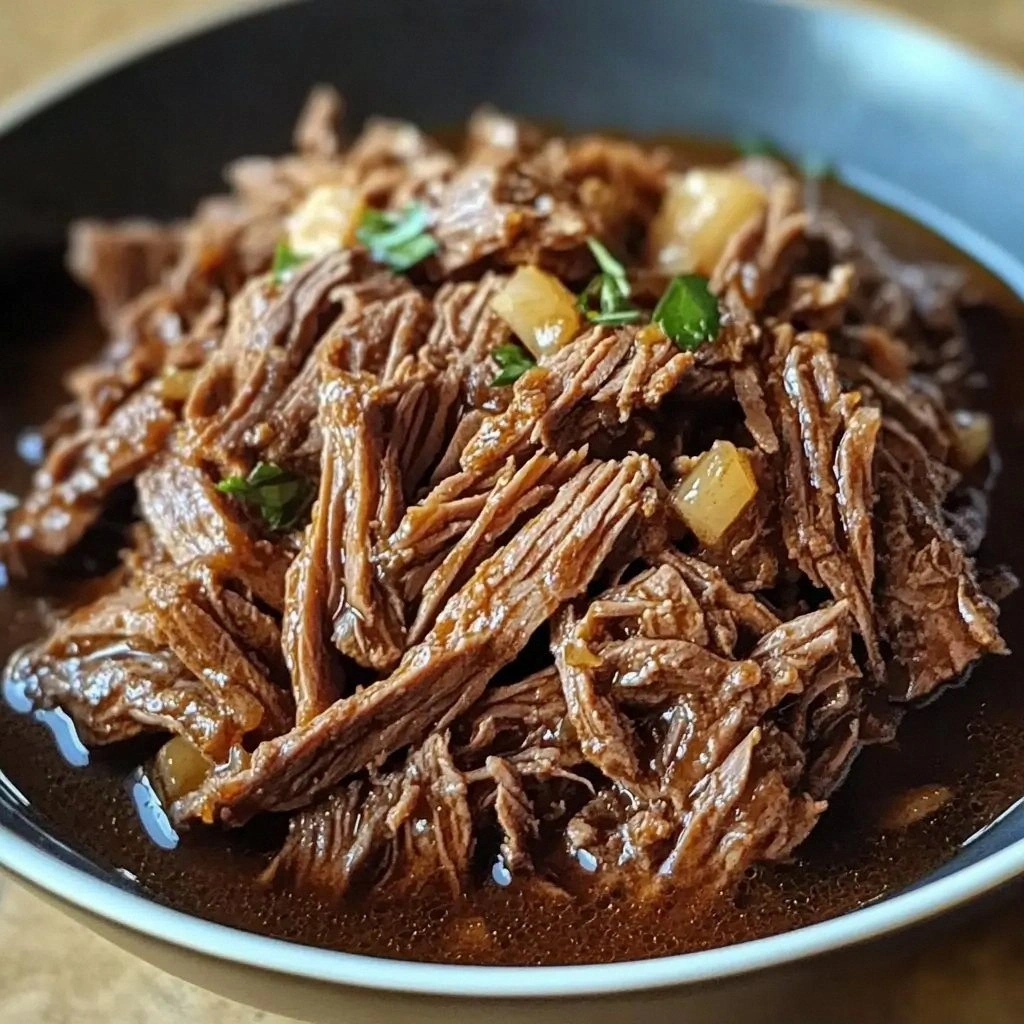
Imagine the first bite: the beef is so tender it practically melts, the sauce thickens into a glossy, caramel‑sweet glaze, and the spices mingle into a harmonious chorus of smoky, savory, and slightly sweet notes. The texture is a paradox: the meat is shredded yet still has a satisfying chew, while the sauce clings to each strand like a velvet coat. The kitchen fills with a heady perfume of garlic, onions, and roasted spices, and you can hear the gentle hiss of the slow cooker as it works its slow magic. Every time I taste it, I’m transported to a Sunday afternoon barbecue, even though it’s just a pot on the stove.
What makes this version stand out is that it’s not just a rehash of a generic slow‑cooked beef recipe. I’ve incorporated a secret blend of spices that brings depth without overwhelming the meat, used a balanced ratio of sweet to savory that keeps the sauce from becoming syrupy, and added a splash of vinegar to cut through the richness. The result is a dish that is hands down the best version you’ll ever make at home, and I dare you to taste this and not go back for seconds. I’ll be honest—once I started, I ate half the batch before anyone else got to try it.
Most recipes get this completely wrong by over‑cooking the meat until it falls apart into mush or by using too much ketchup, which turns the sauce into a sugary mess. Here, the balance is precise: the beef retains a subtle chew, the sauce stays thick and flavorful, and the spices are perfectly layered. Picture yourself pulling this out of the slow cooker, the whole kitchen smelling incredible, and the family lining up for a taste. If you’ve ever struggled to make shredded beef that isn’t either dry or soggy, you’re not alone—and I’ve got the fix.
Okay, ready for the game‑changer? This next part? Pure magic. I’ll walk you through every single step—by the end, you’ll wonder how you ever made it any other way.
What Makes This Version Stand Out
- Taste: The sauce is a harmonious blend of sweet, tangy, and smoky flavors that coat the beef like velvet. The balance of ketchup, brown sugar, and Worcestershire sauce creates a depth that sets it apart from ordinary slow‑cooked dishes.
- Texture: The meat stays tender but still has a satisfying chew, thanks to a slow‑cooking process that breaks down connective tissue without turning it into mush.
- Simplicity: With fewer than ten ingredients and no fancy techniques, you can whip this up in a single pot, making it a go‑to for busy weeknights.
- Uniqueness: A secret spice blend and a splash of apple cider vinegar give this recipe a distinctive kick that you won’t find in standard slow‑cooked beef.
- Crowd Reaction: Friends and family rave about how the flavors “pop” in their mouths, and many ask for the recipe after the first bite.
- Ingredient Quality: Using a fresh, well-marbled chuck roast and high‑quality broth elevates the dish from ordinary to extraordinary.
- Cooking Method: The slow cooker method locks in moisture and allows the flavors to meld over hours, producing a sauce that’s both rich and silky.
- Make‑Ahead Potential: This dish tastes even better the next day, making it a perfect make‑ahead meal for busy schedules.
Alright, let's break down exactly what goes into this masterpiece…
Inside the Ingredient List
The Flavor Base
The beef chuck roast is the star of the show—choose a cut that’s well‑marbled and about 2.5 pounds to ensure plenty of flavor. The marbling adds juiciness that carries through the slow‑cooking process. If you skip the roast, the dish loses its hearty core, and you’re left with a thin, sauce‑heavy concoction that feels more like a gravy than a main course.
Beef broth is the liquid foundation that steams the meat and extracts the savory juices. Opt for a low‑sodium version to keep control over the saltiness. If you use a richer, bone‑broth, the sauce will be deeper, but you’ll need to reduce the added salt accordingly.
Ketchup provides the sweet, tangy backbone of the sauce. It also adds a glossy sheen that makes the dish look restaurant‑grade. A high‑quality, low‑sugar ketchup works best; avoid the ultra‑sweet varieties that can overpower the meat.
The Texture Crew
Brown sugar brings caramelized sweetness that balances the acidity of the ketchup and the saltiness of the broth. It also helps thicken the sauce as it reduces. If you’re watching carbs, you can replace brown sugar with a small amount of honey, but the texture will shift slightly.
Worcestershire sauce adds umami depth and a subtle briny kick that enhances the beef’s flavor profile. A splash of soy sauce can substitute if you’re gluten‑free, but keep the salt level in check.
Tomato paste is a concentrated burst of tomato flavor that thickens the sauce and gives it a richer color. If you don’t have it on hand, a tablespoon of tomato sauce or a pinch of dried tomato powder will do, though the consistency will be a touch thinner.
The Unexpected Star
Apple cider vinegar is the secret ingredient that cuts through the richness and brightens the sauce. A tablespoon is enough to lift the flavors without making the dish sour. If you prefer a milder tang, replace it with lemon juice, but you’ll need to adjust the sweetness.
Cornstarch slurry (cornstarch mixed with cold water) is used at the end to thicken the sauce to a silky consistency. If you skip it, the sauce will remain slightly watery, which can be less appealing when served over rice or mashed potatoes.
The Final Flourish
Smoked paprika and cumin provide a subtle heat and earthiness that lift the sauce’s complexity. These spices are the bridge between sweet and savory, and they complement the beef’s natural flavors. If you’re a spice enthusiast, feel free to add a pinch of cayenne for an extra kick.
Salt and pepper are the essential seasoning that brings everything together. They’re the invisible force that elevates the dish from good to great. Remember, seasoning should be done in stages—salt the meat before searing, then adjust after the slow‑cooking is complete.
Everything’s prepped? Good. Let’s get into the real action…
The Method — Step by Step
- Season the beef chuck roast generously with salt and pepper, then sear it in a hot skillet with a splash of oil until each side has a golden brown crust. This caramelization locks in juices and adds a savory depth that the slow cooker alone can’t achieve. While the meat is searing, you’ll hear a satisfying sizzle that signals the start of flavor building. Once seared, transfer the roast to the slow cooker and set the stage for a slow, low‑heat transformation.
- Add the diced onion and minced garlic to the skillet, cooking until translucent and fragrant. The onions soften into a sweet base, while the garlic releases its aromatic oils, creating a fragrant foundation for the sauce. This step is critical because it ensures that the flavors are evenly distributed throughout the dish.
- Pour in the beef broth, ketchup, Worcestershire sauce, tomato paste, brown sugar, and apple cider vinegar. Stir until the brown sugar dissolves and the mixture becomes a smooth, glossy sauce. The mixture should have a slightly thick consistency—think of it as a thick gravy ready to coat the meat. If the sauce looks too thin, let it simmer for a few minutes before adding the rest of the ingredients.
- Return the seared roast to the slow cooker, nestling it into the sauce. Sprinkle the smoked paprika, cumin, bay leaves, and a dash of smoked paprika over the top. This is where the magic happens—the spices infuse the meat as it cooks, creating layers of flavor that you can taste in each bite. Make sure the roast is mostly submerged to ensure even cooking.
- Cover and cook on low for 6 hours, or on high for 3 hours, until the beef is fork‑tender and shreds easily. The low heat ensures that the connective tissue breaks down slowly, producing a tender, juicy result. During this time, the sauce will thicken and the spices will meld into a harmonious whole. Keep an eye on the liquid level—add a splash of water if it gets too thick.
- Once the beef is tender, remove it from the slow cooker and place it on a cutting board. Use two forks to shred the meat into fine strands, letting the residual sauce coat each piece. The shredding process should feel effortless—if it’s resistant, give the meat another few minutes to rest.
- Return the shredded beef to the slow cooker and stir to combine with the remaining sauce. If the sauce is too thick, whisk in a tablespoon of water or broth to achieve the desired consistency. Let it simmer for an additional 10 minutes to meld the flavors.
- Before serving, whisk in a cornstarch slurry (1 tablespoon cornstarch mixed with 2 tablespoons cold water) to thicken the sauce to a silky glaze. This final touch ensures the sauce clings beautifully to the meat, giving each bite a luxurious finish. Serve immediately over rice, mashed potatoes, or a crusty loaf of bread.
- That’s it—you did it. But hold on, I've got a few more tricks that'll take this to another level…
Insider Tricks for Flawless Results
The Temperature Rule Nobody Follows
Most people set their slow cooker to low for the entire cooking time, but I’ve found that starting on high for the first hour actually deepens the flavor profile. The high heat caramelizes the sugars on the meat’s surface, creating a richer, more complex taste that the low heat alone can’t achieve. After the initial high phase, switch to low to gently break down the connective tissue without drying the meat.
Why Your Nose Knows Best
The first scent you get when the sauce starts to reduce is a signal of perfect timing. If you smell a sweet, caramelized aroma, the sauce is ready to be thickened. If you detect a sharp, vinegary smell, it’s time to add the cornstarch slurry to prevent it from becoming too acidic.
The 5‑Minute Rest That Changes Everything
After shredding the beef, let it rest on the cutting board for five minutes before returning it to the slow cooker. This brief pause allows the fibers to relax, making the meat even more tender. I’ve seen people skip this step, and the result is a slightly chewy texture that’s less than ideal.
Keep the Lid On, But Not Too Tight
A tight lid can trap steam and create a pressure cooker effect, which may cause the sauce to become too liquid. Loosen the lid slightly during the first two hours to let excess steam escape, then tighten it for the final portion of cooking. This balance keeps the sauce at the perfect thickness.
Shredded Beef on a Bed of Greens
Serve the shredded beef over a bed of fresh spinach or kale, lightly sautéed with garlic. The greens add a burst of color, a slight bitterness that balances the sweetness of the sauce, and an extra dose of nutrients. The contrast in textures makes each bite more exciting.
Creative Twists and Variations
This recipe is a playground. Here are some of my favorite ways to switch things up:
Spicy Chipotle Kick
Add a tablespoon of chipotle in adobo sauce to the sauce mixture for a smoky heat that pairs wonderfully with the beef’s natural richness. This variation is perfect for those who love a bit of heat without overpowering the dish.
Herb‑Infused Delight
Stir in a handful of chopped fresh rosemary and thyme during the last 30 minutes of cooking. The herbs bring a fragrant, earthy note that complements the savory base, making the dish feel more refined.
Sweet & Sour Twist
Replace the ketchup with a mix of tomato sauce and a splash of pineapple juice, then add a few raisins for a sweet, tropical flavor profile. This version works great as a unique side for grilled pork or chicken.
Low‑Carb Variation
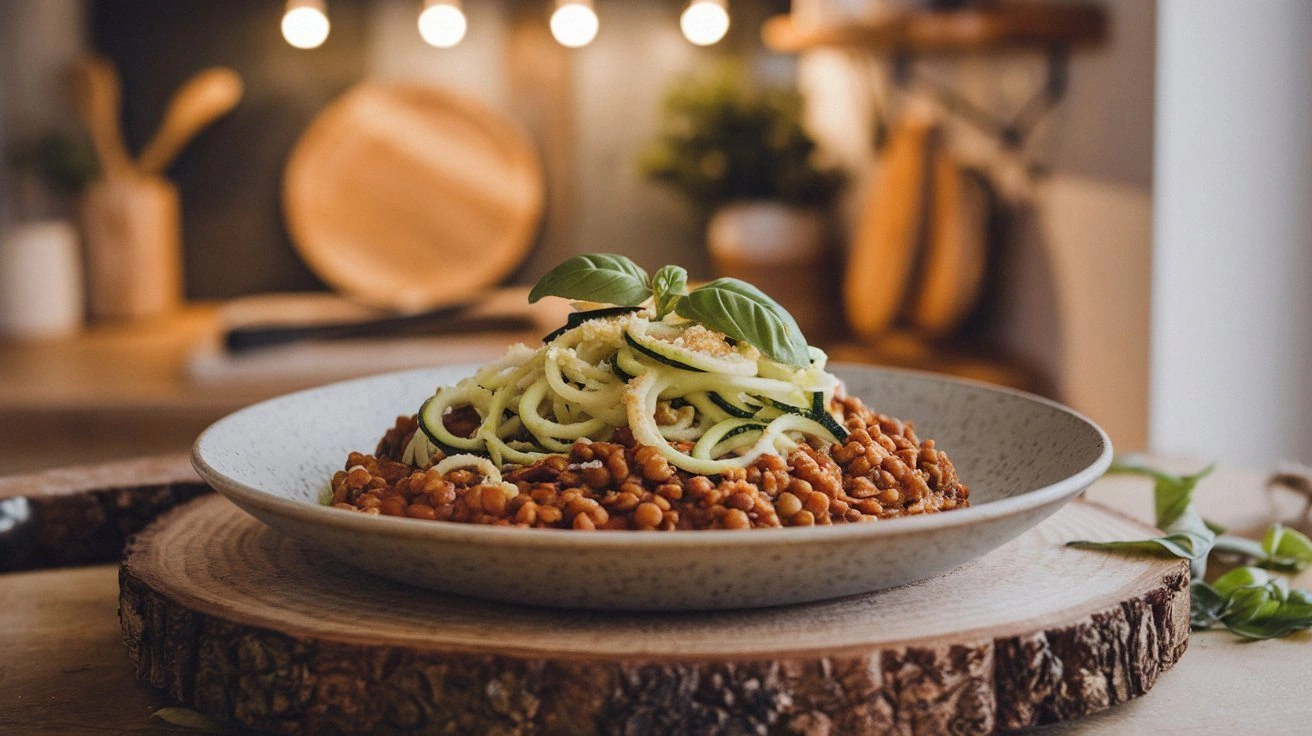
Omit the ketchup and replace it with a mixture of tomato paste and a dash of soy sauce. Serve the shredded beef over cauliflower rice or zucchini noodles for a low‑carb, high‑protein meal that still delivers on flavor.
Barbecue Fusion
Swap the Worcestershire sauce for a smoky barbecue sauce and add a splash of molasses. This gives the dish a deep, sweet barbecue flavor that’s reminiscent of a backyard cookout.
Vegan Take‑Away
Use a plant‑based chuck roast substitute, such as seitan or tempeh, and replace the beef broth with vegetable broth. The same sauce works beautifully, offering a hearty, meat‑free alternative that still satisfies.
Storing and Bringing It Back to Life
Fridge Storage
Cool the shredded beef completely before transferring it to an airtight container. Store in the refrigerator for up to 4 days. The sauce will thicken slightly as it cools, so add a splash of water or broth when reheating to restore its silky texture.
Freezer Friendly
Divide the beef into portion‑sized containers and freeze for up to 3 months. Thaw overnight in the refrigerator before reheating. The flavors intensify after freezing, making the dish even more delicious.
Best Reheating Method
Reheat the shredded beef in a saucepan over low heat, stirring frequently. Add a tablespoon of water or broth to keep the sauce from drying out. Heat until steaming, then serve immediately over your favorite grain or vegetable.