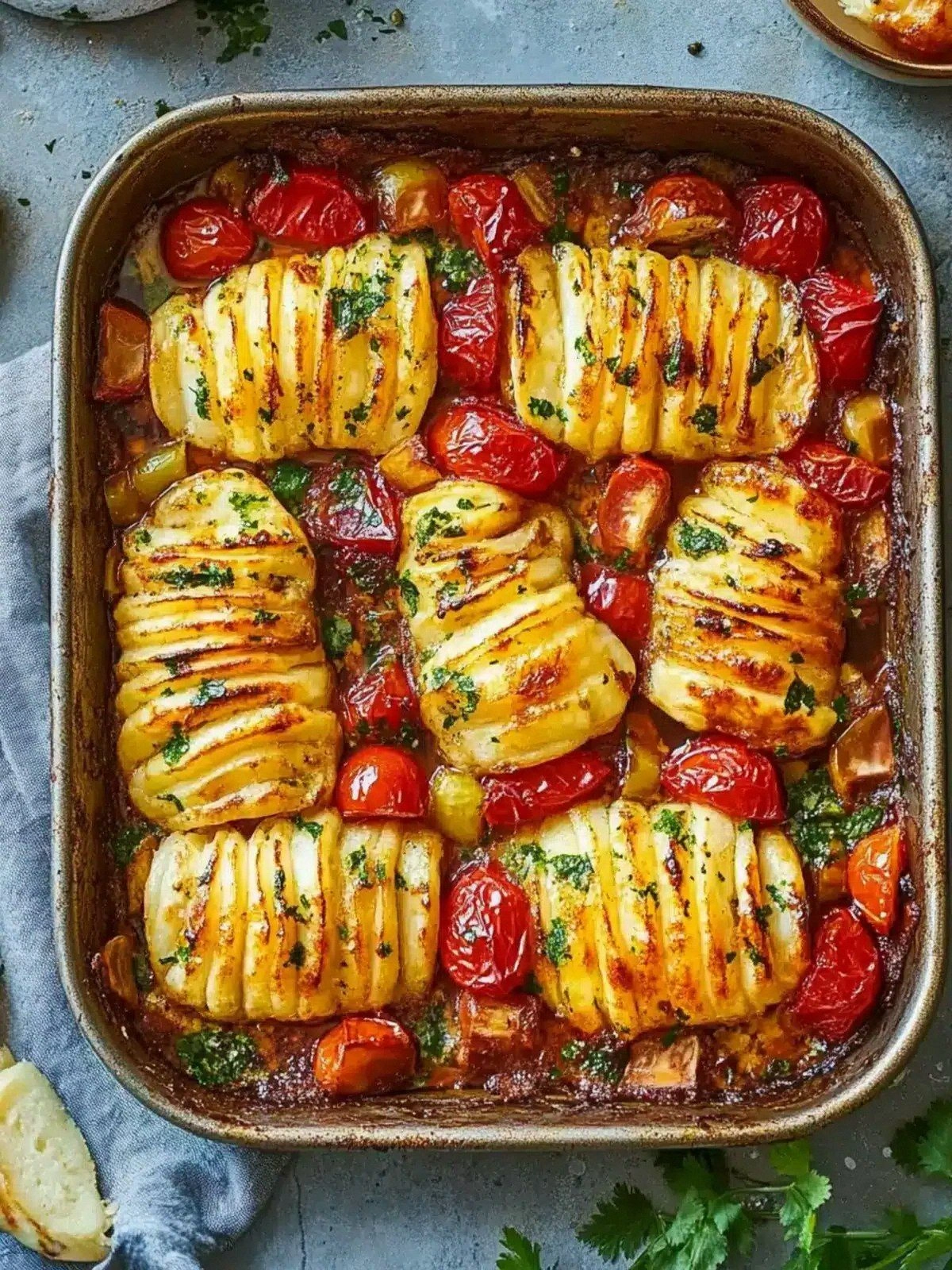
I never thought a kitchen mishap could become a culinary revelation. One rainy evening, I attempted to whip up a “quick Cajun chicken” for a dinner rush, only to have the sauce caramelize too fast and the chicken fall apart like a soggy pancake. The kitchen smelled of charred paprika and burnt butter, and I stared at the pan in disbelief, wondering if I’d ruined the whole meal. But then, the moment the sizzling hit my ears, I realized I’d stumbled on a secret sauce that would make every bite a bold, fiery hug. The texture was a perfect contrast—crisp on the outside, juicy on the inside—and the aroma was so intoxicating that I could hear the neighbors calling for a bite. If you’ve ever felt the sting of a kitchen disaster, you’ll know this is the sweet spot between failure and triumph. I’m about to walk you through each step, and by the end, you’ll question why you ever made it any other way.
What Makes This Version Stand Out
- Flavor Depth: The blend of smoked paprika, garlic, and onion powder creates a layered taste that dances on the tongue, far beyond the standard Cajun mix.
- Texture Magic: The quick sear followed by a gentle butter finish gives the chicken a buttery crust that crackles like crisped toast.
- Ingredient Quality: Using fresh, high‑grade olive oil and real butter elevates the dish from ordinary to extraordinary.
- Simplicity: Only 12 ingredients, no pre‑made mixes, and a single pan make this a no‑fuss, low‑cleanup dinner.
- Heat Control: The cayenne is balanced with lemon juice, so the heat is bright, not scorching, letting the chicken’s natural flavor shine.
- Make‑Ahead Friendly: Marinate overnight, and the chicken will be ready to cook the next day—ideal for busy schedules.
- Party‑Proof: The dish scales effortlessly for a crowd, and leftovers keep their flavor after reheating.
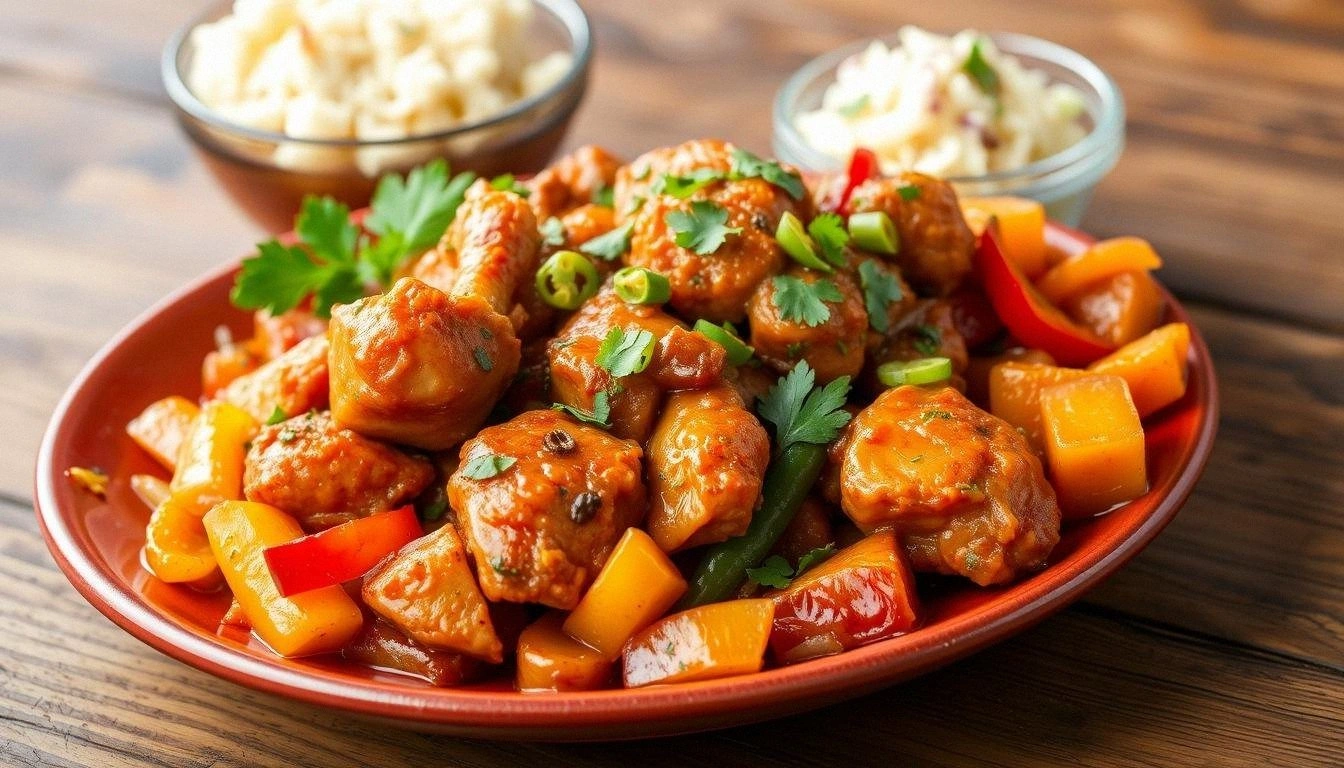
- Visual Appeal: The vibrant orange crust and fresh parsley garnish make it Instagram‑worthy.
Alright, let’s break down exactly what goes into this masterpiece…
Inside the Ingredient List
The Flavor Base
The Cajun seasoning is the heart of this dish, but it’s the smoky paprika that gives it that signature depth. Smoked paprika carries a subtle woodiness that pairs beautifully with the sharpness of garlic powder. If you’re feeling adventurous, swap in chipotle powder for an extra smoky heat. The combination of these spices is what turns a plain chicken breast into a flavor powerhouse. Every bite is a reminder that a well‑chosen spice can elevate an entire meal.
The Texture Crew
Olive oil and butter are the dynamic duo that creates the signature crust. Olive oil helps the spices stick to the meat, while butter adds a silky finish that keeps the chicken moist. Don’t skip the butter; it’s the secret that prevents the chicken from drying out during the high‑heat sear. If you’re vegan, coconut oil can mimic the buttery richness, but the flavor will be noticeably different. The key is to let the butter melt just before adding the chicken, so it coats every surface.
The Unexpected Star
Lemon juice is the unsung hero that balances the heat. It brightens the dish, cutting through the richness and preventing the spices from feeling heavy. A squeeze of lemon right before serving brings a zesty lift that makes the dish feel fresh. If you prefer a milder flavor, reduce the lemon to half a tablespoon. The citrus also helps the chicken stay tender by slightly breaking down proteins.
The Final Flourish
Fresh parsley isn’t just a garnish; it adds a burst of green that contrasts the fiery orange crust. The herb’s mild peppery note rounds out the flavor profile and gives the dish a professional touch. If you’re out of parsley, a handful of chopped cilantro will do the trick, offering a slightly different but equally vibrant finish. Remember, the garnish is the final brushstroke on a culinary masterpiece.
Everything's prepped? Good. Let's get into the real action…
The Method — Step by Step
- Marinate the Chicken: Pat the chicken breasts dry and coat them with the Cajun seasoning, smoked paprika, garlic powder, onion powder, cayenne, salt, and pepper. Sprinkle the dry mix evenly and massage it into the meat. Cover and refrigerate for at least 30 minutes, or overnight for deeper flavor. The spices will penetrate the muscle fibers, creating a savory base. If you’re in a hurry, a 15‑minute marination still delivers a noticeable punch.
- Heat the Pan: Place a large skillet over medium‑high heat and add the olive oil. Let the oil shimmer but not smoke. The oil’s high smoke point is essential for a clean sear. When the oil is hot, add a few drops of water; if they sizzle, the pan is ready. This trick prevents the chicken from sticking.
- Start the Sear: Lay the chicken breasts skin‑side down (if they have skin) and let them cook without moving for about 3‑4 minutes. The bottom should develop a golden‑brown crust that cracks when you lift a corner. This step locks in juices and creates the signature texture. Flip once the edges pull away from the pan.
- Add Butter and Aromatics: Reduce heat to medium, add the butter to the pan, and let it melt. Swirl the pan to coat the chicken in the butter. This is the moment of truth—watch the butter foam, it’s a sign of proper temperature. The butter also adds a rich, nutty flavor that complements the spices.
- Finish with Lemon: Squeeze fresh lemon juice over the chicken while it cooks. The acidity brightens the dish and balances the heat. The citrus also helps tenderize the meat slightly, ensuring it stays juicy. Let the lemon juice simmer with the butter for 30 seconds before removing the chicken.
- Rest the Chicken: Transfer the cooked chicken to a plate and tent loosely with foil. Rest for 5 minutes; this allows juices to redistribute, keeping the meat moist. During this time, the flavors meld together, creating a harmonious taste profile.
- Finish with Fresh Herbs: Sprinkle chopped parsley over the chicken just before serving. The green garnish not only adds color but also a subtle herbaceous note that cuts through the richness.
- Serve Immediately: Slice the chicken against the grain and plate it with your favorite side—rice, roasted veggies, or a simple salad. The dish is best enjoyed fresh, but leftovers hold up well.
That’s it — you did it. But hold on, I’ve got a few more tricks that will take this to another level…
Insider Tricks for Flawless Results
The Temperature Rule Nobody Follows
Many cooks think a high heat is always better, but the secret is to start medium‑high for the sear and then drop to medium for the butter finish. This controlled heat ensures the chicken cooks evenly without drying out. I once tried to keep the heat high the whole time, and the outside burned before the inside was done. Keep the thermometer handy if you’re unsure; 165°F is the safe internal temperature for poultry.
Why Your Nose Knows Best
Trust your nose more than your timer. The aroma of caramelizing spices is a reliable indicator that the chicken is ready to flip. If you’re new to this, you’ll think it’s a trick, but the smell of toasted paprika is unmistakable. The scent signals that the Maillard reaction has taken place, creating that deep, savory flavor.
The 5-Minute Rest That Changes Everything
Resting the chicken is not just a courtesy; it’s a science. During the rest period, the muscle fibers reabsorb juices that have migrated to the surface during cooking. This results in a noticeably juicier bite. I’ve seen people skip this step, and the difference is obvious. Even a short 5‑minute rest is worth it.
The Perfect Lemon Twist
If you prefer a sweeter finish, add a teaspoon of honey to the lemon juice before squeezing it over the chicken. The honey caramelizes slightly in the butter, adding a subtle glaze. This variation works beautifully with a side of roasted sweet potatoes. It’s a small tweak that transforms the dish from spicy to sophisticated.
The Quick Cleanup Trick
After cooking, pour the leftover butter and oil into a heat‑resistant container and let it solidify. Once it’s solid, you can scrape it into a jar and use it for future sautéing. This not only reduces waste but also preserves the buttery flavor for your next recipe. It’s an eco‑friendly way to keep your kitchen tidy.
Creative Twists and Variations
This recipe is a playground. Here are some of my favorite ways to switch things up:
Cajun Shrimp Skewers
Swap chicken for shrimp and thread onto skewers. Cook over medium heat for 2–3 minutes per side. The shrimp’s delicate texture pairs perfectly with the bold spices. Serve with a lime wedge for an extra citrus kick.
Smoky Pulled Chicken
Cook the marinated chicken in a slow cooker for 6 hours on low. Once done, shred and mix with a splash of BBQ sauce. The slow cooking breaks down the meat, creating a melt‑in‑your‑mouth texture that’s ideal for tacos or sandwiches.
Cajun Turkey Burgers
Ground turkey mixed with Cajun seasoning forms a flavorful patty. Grill or pan‑fry until golden. Top with a slice of pepper jack cheese and serve on a toasted bun for a spicy twist on classic burgers.
Cajun Chicken Tacos
Dice the cooked chicken and sauté with diced bell peppers and onions. Warm corn tortillas, fill with chicken, sprinkle with fresh cilantro, and drizzle with lime crema. The result is a handheld fiesta.
Cajun Chicken Salad
Slice the chicken and toss with mixed greens, avocado, and a vinaigrette made from olive oil, lemon, and a pinch of cayenne. The salad offers a lighter take on the dish, perfect for lunch or a light dinner.
Cajun Chicken Pasta
Toss the sliced chicken with cooked linguine, a splash of heavy cream, and a handful of spinach. The creamy sauce pairs with the spicy chicken, creating a comforting, indulgent meal. Sprinkle with parmesan for extra depth.
Storing and Bringing It Back to Life
Fridge Storage
Cool the chicken completely before placing it in an airtight container. Store in the refrigerator for up to 3 days. The flavor remains vibrant, and the meat stays juicy when reheated properly.
Freezer Friendly
Wrap each chicken breast tightly in plastic wrap, then place in a freezer bag. Label with the date. The chicken can be frozen for up to 2 months without losing quality. Thaw overnight in the fridge before reheating.
Best Reheating Method
Reheat in a skillet over medium heat, adding a splash of water or chicken broth to keep the chicken moist. Cover for 5 minutes, then remove the lid to let excess steam escape. Add a tiny splash of water before reheating, and it steams back to perfection.