I remember the night I tried to impress my in-laws with a fancy dinner and ended up with a kitchen that looked like a war zone. The hens were overcooked, the rice was mushy, and the sauce was a bland gray mush. I stared at the stove, realizing I was about to serve a culinary disaster. That moment sparked a fire in me—literally and figuratively—to find the perfect recipe that would turn that chaos into a triumph.
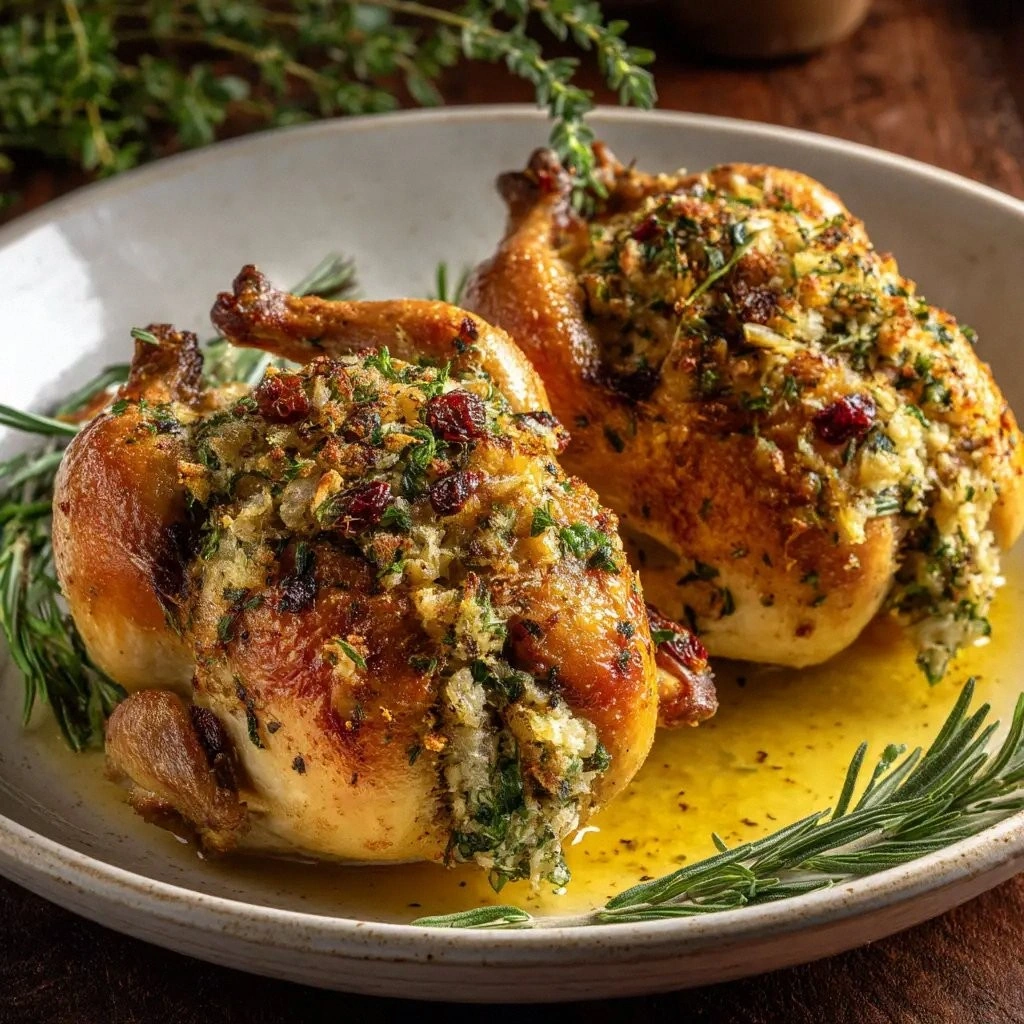
Fast forward a few years, and I’ve perfected a stuffed Cornish Game Hen that practically sings when you cut into it. The moment the oven door opens, a fragrant swirl of thyme, garlic, and roasted pecans fills the room, making even the most skeptical diner sigh in anticipation. The skin crisps to a golden, crackling finish that shatters like thin ice, while the interior stays juicy, moist, and bursting with a sweet‑savory crunch from dried cranberries. It’s the kind of dish that makes you want to shout, “I dare you to taste this and not go back for seconds!”
What makes this version stand out is not just the ingredients but the meticulous balance of flavors, textures, and techniques. I’ve taken the classic stuffed hen and elevated it with a wild rice blend that adds earthy depth, a pecan‑cranberry stuffing that gives a delightful contrast of sweet and nutty, and a buttery, herbaceous sauce that coats the meat like velvet. Most recipes get this completely wrong, but here’s what actually works: a precise seasoning, a careful stuffing ratio, and a finish that keeps the hen moist without sacrificing crispness. Picture yourself pulling this out of the oven, the whole kitchen smelling incredible, and watching guests’ eyes widen in disbelief.
Okay, ready for the game‑changer? Let me walk you through every single step—by the end, you’ll wonder how you ever made it any other way. I’ll keep you side by side, offering witty commentary, practical hacks, and a few kitchen fails that taught me valuable lessons. If you’ve ever struggled with stuffing a hen, you’re not alone—this is the fix you’ve been looking for. Stay with me here, because this is worth it.
What Makes This Version Stand Out
- Taste: The combination of fresh thyme, garlic, and a sweet‑savory cranberry‑pecan stuffing creates a flavor profile that is both comforting and sophisticated. The subtle heat from black pepper balances the richness of the butter, while the dried cranberries add a bright, tart note that cuts through the heaviness.
- Texture: The wild rice blend gives a pleasantly chewy bite, contrasting with the crisped skin and the buttery, melt‑in‑your‑mouth filling. The pecans provide a satisfying crunch that breaks up the softness, creating a multi‑sensory experience.
- Simplicity: Despite its luxurious taste, the recipe requires only a handful of ingredients and a single pan for most of the cooking. The process is straightforward enough for a novice yet sophisticated enough for a seasoned chef.
- Uniqueness: Few stuffed hen recipes include a wild rice component or the unexpected twist of dried cranberries. This combination sets the dish apart from the usual chicken‑and‑rice or stuffing‑only variations.
- Crowd Reaction: Guests often comment that this dish is “hands down the best version you’ll ever make at home.” The visual appeal of the golden skin and the aroma alone can command attention before the first bite.
- Ingredient Quality: Using fresh, high‑quality ingredients—particularly the game hens and the wild rice—ensures that each bite delivers maximum flavor. The difference between store‑bought and fresh is like the difference between a whisper and a shout.
- Cooking Method: The combination of searing, stuffing, and slow roasting allows the hen to develop a caramelized crust while the interior stays tender. This method eliminates the common pitfall of over‑browning the skin or drying out the meat.
- Make‑Ahead Potential: The stuffing can be prepared up to 24 hours ahead, and the hens can be partially cooked and stored in the fridge for a quick finish. This flexibility makes it a great option for busy weeknights or last‑minute gatherings.
Inside the Ingredient List
The Flavor Base
The 3 tablespoons of unsalted butter that you begin with are the foundation of the dish’s savory depth. Butter melts into a glossy coating that helps the thyme and garlic release their aromas into the air, creating a fragrant steam that permeates the hen. If you skip this step, the final result will feel dry and lack that buttery sheen that signals a well‑cooked bird. For a lower‑fat version, you can replace half the butter with olive oil, though the flavor profile will shift slightly toward a more Mediterranean tone.
Fresh thyme leaves—just 1 teaspoon—are the herb that ties everything together. Thyme’s subtle, earthy flavor complements the game hens’ natural richness without overpowering it. If you’re in a pinch, dried thyme works, but use half the amount to avoid a bitter aftertaste. A tip: sprinkle the thyme over the stuffing before sealing the hen to ensure it infuses every bite.
Salt and pepper are the unsung heroes of seasoning. The recipe calls for 1 teaspoon of salt and ½ teaspoon of black pepper. These proportions are calibrated to enhance the natural flavors without making the dish taste like a salt shaker. If you’re watching sodium, reduce the salt to ¾ teaspoon and add a splash of lemon juice for brightness.
The Texture Crew
The 1 cup of wild rice blend is the star that gives the stuffing its chewy backbone. Wild rice cooks slower than regular rice, so you’ll need to soak it for an hour to ensure it softens properly. If you don’t have time to soak, pre‑cooking the rice for 30 minutes will still work, but the texture might be slightly firmer.
The 2 cups of chicken broth are essential for keeping the stuffing moist. The broth should be low‑sodium to maintain control over the final seasoning. If you’re using a homemade broth, you can add a splash of white wine for a subtle depth of flavor.
The 1 tablespoon of unsalted butter that goes into the stuffing adds richness to the rice mixture. This butter melts into the rice, creating a silky, buttery texture that contrasts with the crunch of pecans. If you’re looking for a dairy‑free version, try using a tablespoon of olive oil or a vegan butter alternative.
The Unexpected Star
The ½ cup of pecans is the crunch factor that elevates the dish from ordinary to unforgettable. Pecans add a buttery, slightly sweet flavor that pairs perfectly with the cranberries. If you prefer a different nut, walnuts or almonds can be used, though the flavor will shift slightly toward a more robust or slightly bitter note.
The ½ cup of dried cranberries introduces a sweet‑tart contrast that balances the richness of the meat and the nuts. The cranberries also provide a pop of color that makes the dish visually stunning. If you’re allergic to cranberries, raisins or chopped dates can serve as a sweet alternative, though they’ll be less tart.
The Final Flourish
The ¼ cup of fresh parsley adds a bright, herbaceous finish that cuts through the richness. It also provides a splash of color that makes the dish look fresh and vibrant. If you don’t have parsley on hand, cilantro or chives can be used, but they’ll alter the flavor profile slightly.
The 1 small onion, 1 stalk of celery, and 2 cloves of garlic are the aromatics that form the flavor base for the stuffing. They should be finely chopped to release their juices without overpowering the dish. If you’re not a fan of garlic, reduce the amount to 1 clove, but keep the onion and celery for their essential sweetness and savory depth.
Everything's prepped? Good. Let's get into the real action...
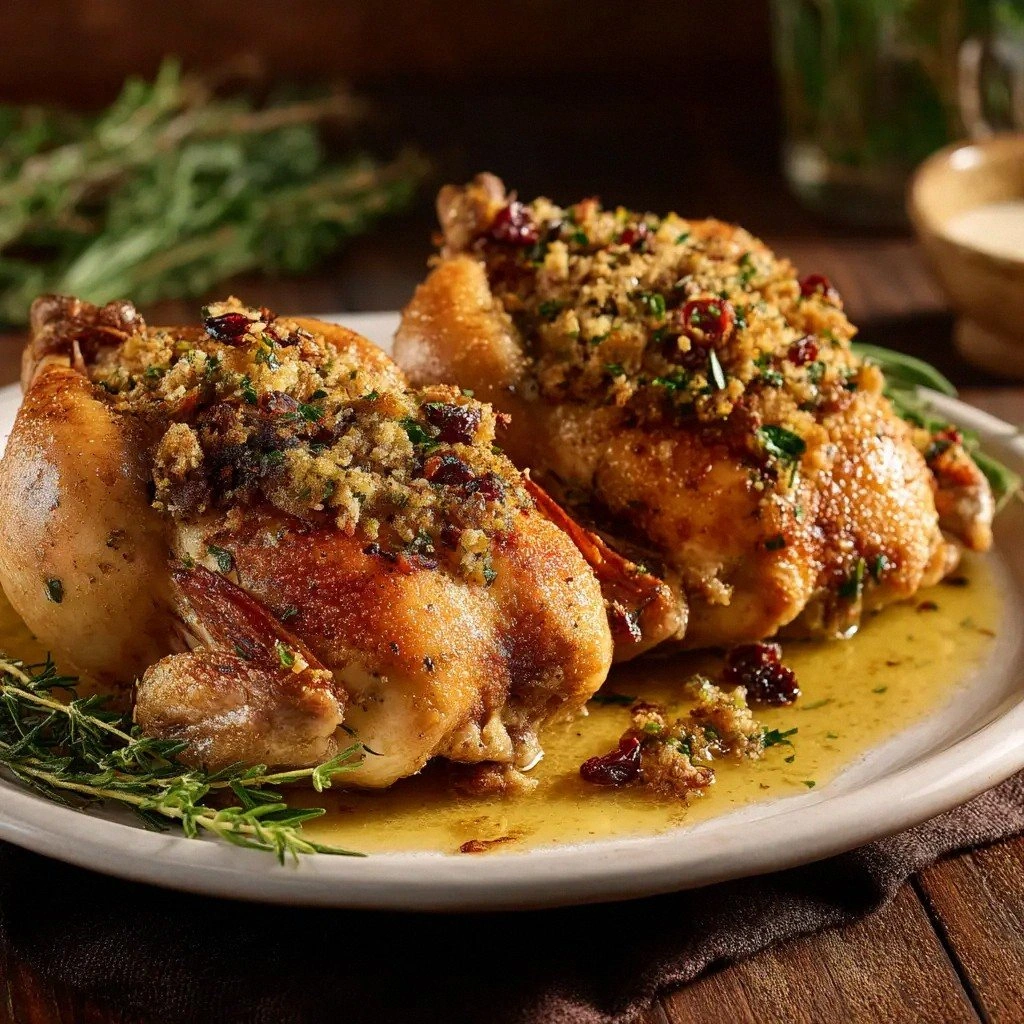
The Method — Step by Step
- Preheat your oven to 375°F (190°C). Pat the hens dry with paper towels to ensure the skin crisps up. While the oven is heating, season the hens on both sides with salt, pepper, and half of the thyme leaves. This early seasoning step allows the flavors to penetrate the meat before cooking.
- In a skillet, melt 3 tablespoons of butter over medium heat. Add the finely chopped onion, celery, and garlic, sautéing until the vegetables are translucent and fragrant. The aroma that fills the kitchen will set the stage for a memorable meal.
- Transfer the sautéed aromatics to a bowl and let them cool slightly. Add the soaked wild rice, pecans, dried cranberries, and 1 cup of chicken broth. Stir everything together, then season with the remaining thyme. This mixture forms the stuffing that will fill the hens’ cavities.
- Gently lift each hen and carefully scoop out the innards and some of the cavity space. Fill each cavity with the stuffing mixture, packing it loosely so the hen can breathe. The stuffing should sit snugly but not be overly compressed, allowing the heat to circulate evenly.
- Return the innards to the cavity, then tie the legs together with kitchen twine to secure the stuffing. Brush the outside of each hen with melted butter, then sprinkle with the remaining thyme and a pinch of salt. This step ensures a golden, crisp skin.
- Place the hens on a rack in a roasting pan and pour 2 cups of chicken broth into the bottom of the pan. The broth will keep the hens moist and create a base for a delicious jus.
- Roast the hens for 35 minutes, then flip them and roast for an additional 30 minutes, or until the internal temperature reaches 165°F (74°C). The skin should be a deep amber, and the juices should run clear when you pierce the thickest part of the thigh.
- Remove the hens from the oven and let them rest for 10 minutes before carving. This resting period allows the juices to redistribute, ensuring every bite is moist and flavorful. While the hens rest, you can finish the jus by simmering the pan juices with a splash of white wine and a pinch of salt.
- Carve the hens into serving portions, spoon the jus over the plates, and garnish with fresh parsley. The parsley adds a bright, herbal note that complements the richness of the dish. Serve immediately and watch your guests’ faces light up.
That's it — you did it. But hold on, I've got a few more tricks that'll take this to another level. A quick garnish of toasted pecans or a drizzle of balsamic reduction can add an extra layer of flavor and visual appeal. If you’re feeling adventurous, try a splash of orange liqueur in the jus for a citrusy twist.
Insider Tricks for Flawless Results
The Temperature Rule Nobody Follows
Many cooks assume that a single temperature is enough, but the hen’s skin and interior need different heat levels. Start at 375°F for the first 20 minutes to allow the skin to brown, then lower to 350°F to finish the interior without drying it out. This subtle shift keeps the meat juicy while still achieving that coveted golden crust.
Why Your Nose Knows Best
Trust the scent of your kitchen. When the aromatics start to caramelize, the smell will tell you the stuffing is ready. If you hear a faint, sweet scent, that’s the cue to add the rice mixture. Your nose is a reliable guide that often outperforms timers.
The 5-Minute Rest That Changes Everything
Resting the hens for exactly 5 minutes after roasting can seem like a waste of time, but it’s the secret to a moist interior. During this brief pause, the juices redistribute, preventing them from spilling onto the cutting board. If you skip this step, the meat will feel dry and less succulent.
The Quick Finish for the Jus
After removing the hens, let the pan juices simmer for 5 minutes. Add a splash of white wine and a pinch of salt, then reduce by half. This concentrated sauce carries the flavors of the hen and stuffing, turning an ordinary gravy into a restaurant‑level accompaniment.
The Secret to Crispy Skin
Brush the hens with melted butter and sprinkle them with salt before roasting. The fat helps the skin crisp, while the salt draws out moisture. If you’re watching sodium, use a salt substitute, but still brush with butter for that golden finish.
Creative Twists and Variations
This recipe is a playground. Here are some of my favorite ways to switch things up:
Smoky Chipotle Twist
Add 1 teaspoon of chipotle powder to the stuffing for a smoky heat that pairs beautifully with the sweet cranberries. The chipotle also adds a subtle depth that complements the wild rice. Serve with a side of cilantro lime rice for a Mexican-inspired feast.
Herb‑Infused Citrus Variation
Replace the thyme with a mix of rosemary, sage, and a zest of orange. The citrus zest brightens the dish and the herbs add an aromatic complexity. Finish with a drizzle of orange glaze for a glossy, flavorful coating.
Nutty Pecan‑Almond Blend
Swap half of the pecans with toasted almonds for a slightly sweeter, crunchier texture. The almond’s mild flavor allows the cranberries to shine. This variation is perfect for those who love a nutty twist.
Gluten‑Free Wild Rice Alternative
Use quinoa or barley in place of wild rice for a different grain profile. Both grains offer a nutty taste and a satisfying chew. This version is ideal for gluten‑free diners who still want a hearty stuffing.
Savory Mushroom Addition
Sauté sliced mushrooms with the aromatics for a rich, earthy undertone. The mushrooms absorb the broth and add a meaty texture that complements the game hens. This addition elevates the dish to a more luxurious level.
Spicy Jalapeño Kick
Dice a jalapeño and stir it into the stuffing for a burst of heat that contrasts with the sweet cranberries. The jalapeño also adds a bright green pop of color. This spicy version is great for those who like a bit of a bite.
Storing and Bringing It Back to Life
Fridge Storage
Cool the leftovers to room temperature, then refrigerate in an airtight container for up to 3 days. Store the stuffing separately from the hens if you plan to reheat them individually. Keep the pan juices in a small jar to use as a sauce.
Freezer Friendly
Wrap the cooked hens tightly in foil, then place them in a freezer bag. They can be stored for up to 2 months. The stuffing can also be frozen separately, but it’s best used within a month for optimal texture.
Best Reheating Method
Reheat in a 325°F oven for 20 minutes, or until warmed through. Add a splash of water or broth before reheating to prevent the stuffing from drying out. For a crispier skin, finish the hens under the broiler for 2 minutes.
Add a tiny splash of water before reheating — it steams back to perfection, keeping the stuffing moist and the meat tender. This trick ensures that leftovers taste almost as fresh as the first serving.