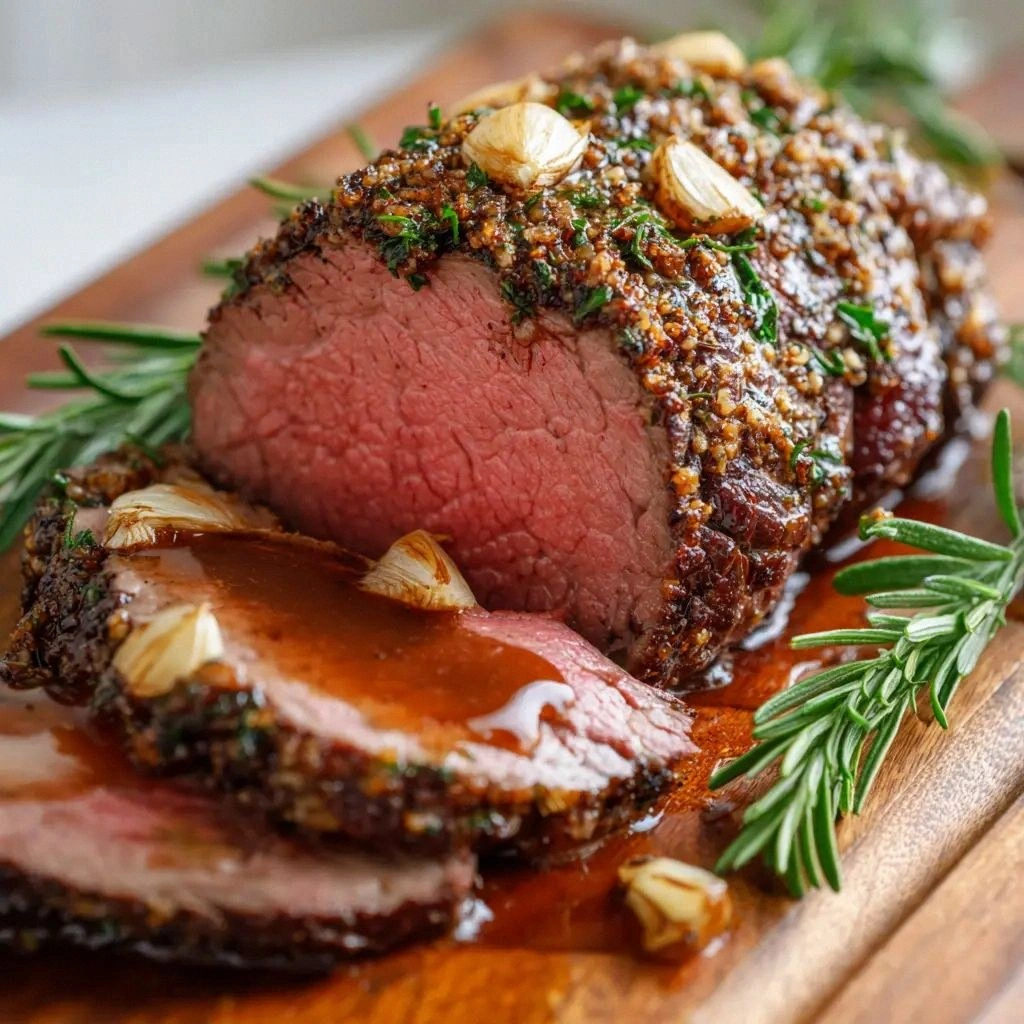
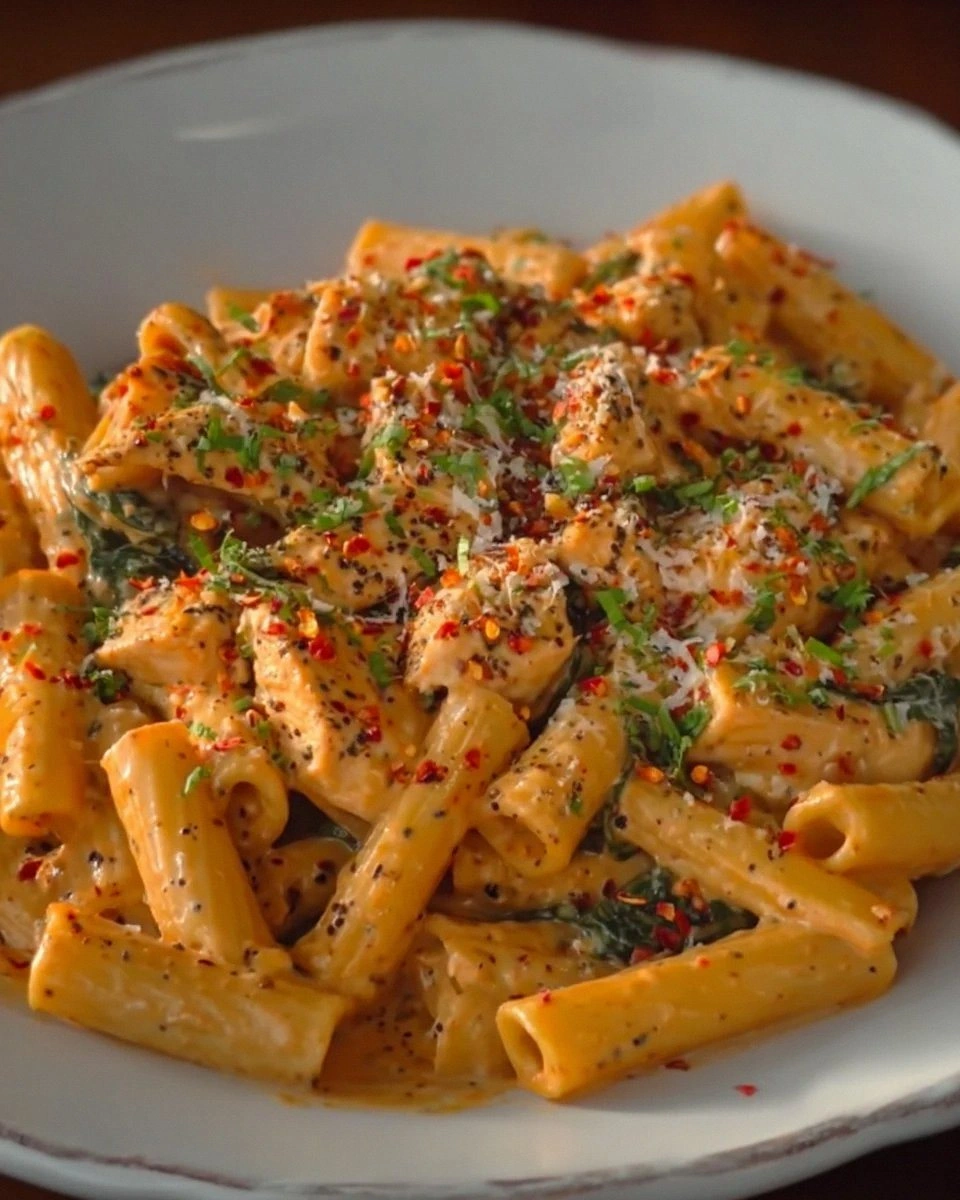
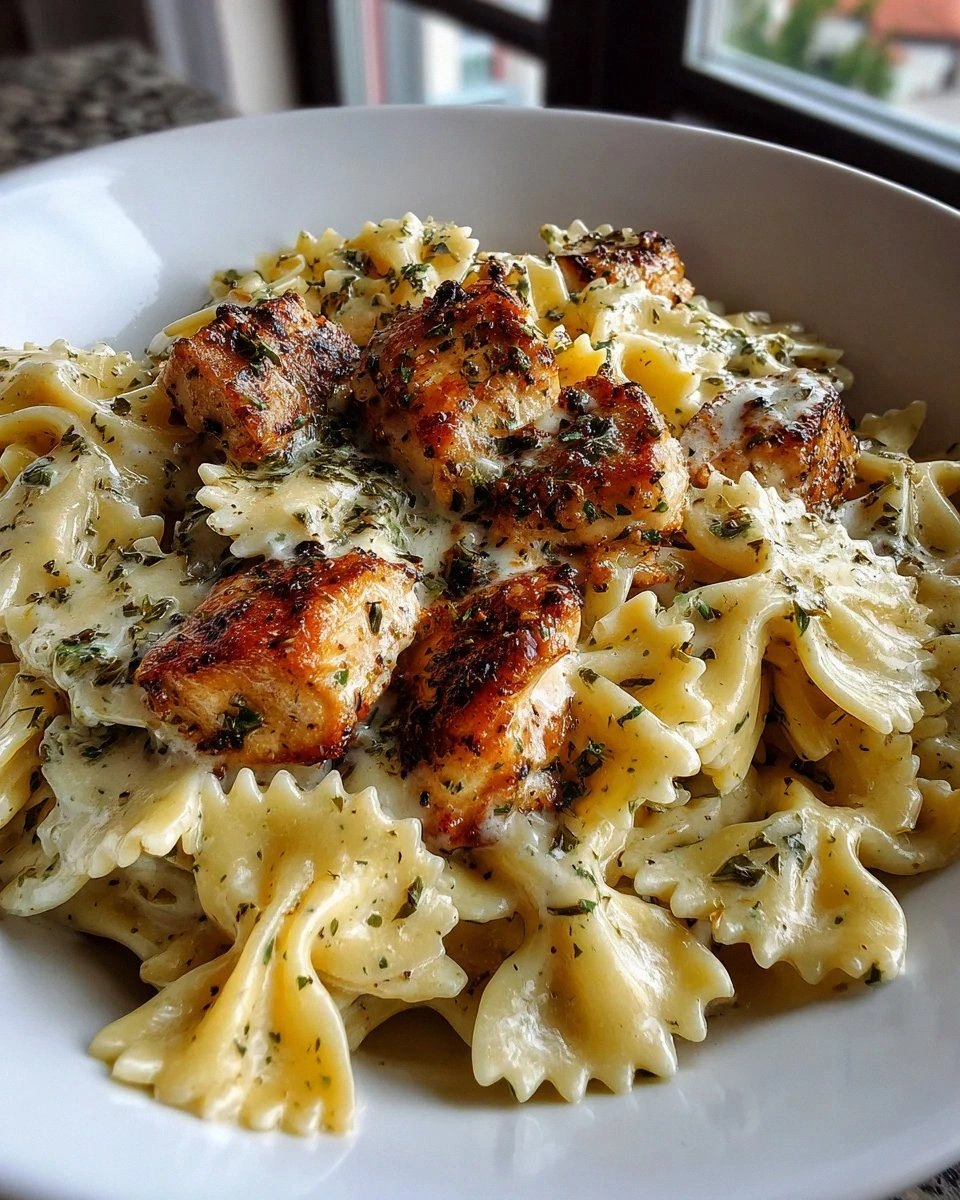
I was halfway through a Sunday roast, the kitchen smelling like a promise of comfort, when the cauldrons of garlic butter and sautéed mushrooms on the stove started to sing. The moment I lifted the pot, a cloud of fragrant steam curled like a lazy cat, and I knew I had stumbled onto something extraordinary. My friend dared me to make a cauliflower puree that could rival the silky richness of a classic béchamel, and I was determined to prove him wrong. The challenge? To turn humble florets into a velvety, truffle‑kissed masterpiece that would have diners asking for seconds before the first bite even hit their tongues.
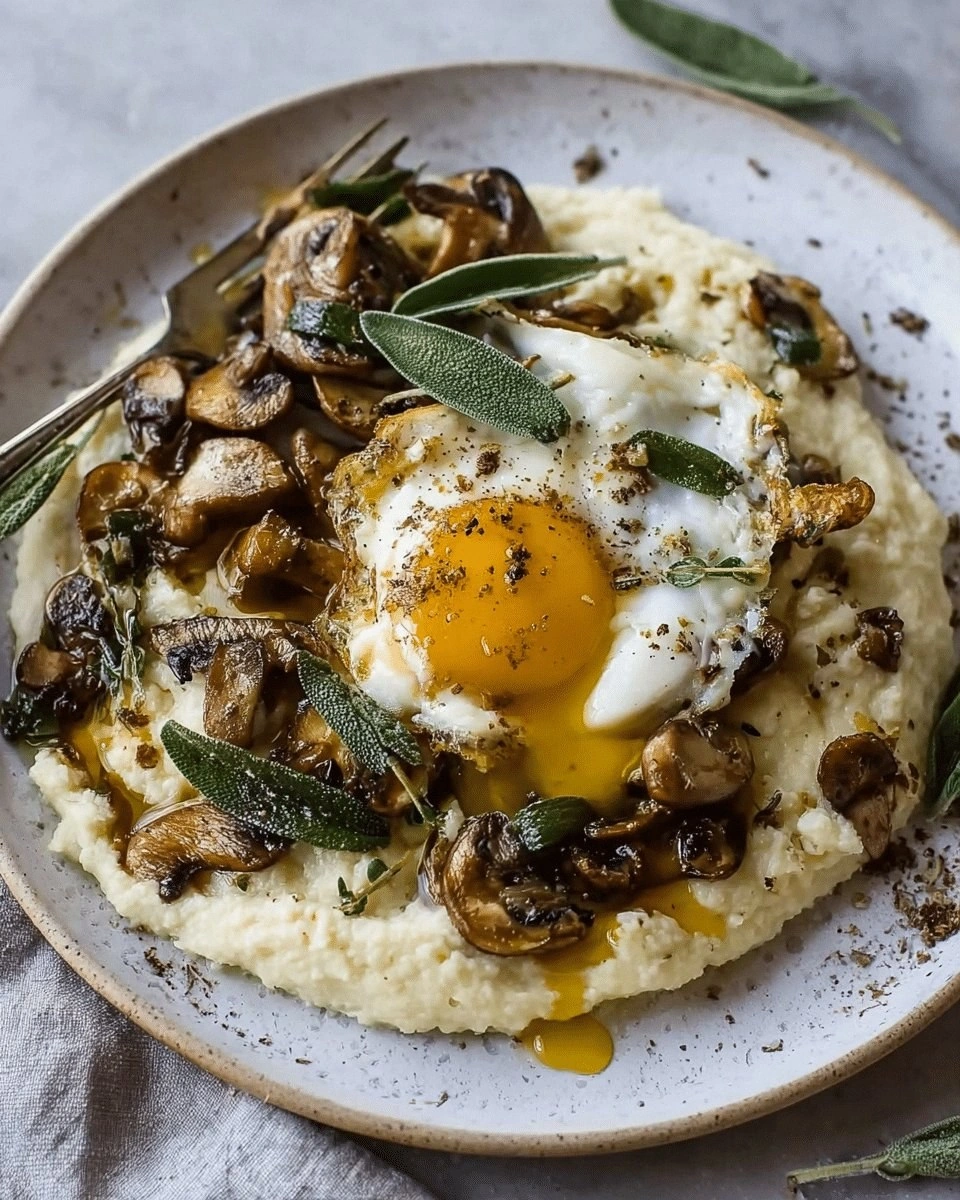
Picture this: a golden bowl of pureed cauliflower, its texture so smooth it slides over the tongue like a velvet ribbon, studded with earthy mushroom shards and kissed by a whisper of truffle oil. The air is perfumed with sage and garlic, the kind of aroma that makes your stomach growl in anticipation. When you take a spoonful, the first sensation is a creamy, buttery mouthfeel, immediately followed by a burst of umami from the mushrooms and a subtle, luxurious truffle finish. The finish is not overpowering but lingeringly elegant, leaving a faint echo of forest floor and fresh herbs that keeps you reaching for more.
What sets this version apart from the countless cauliflower purees out there is the deliberate layering of flavors and the meticulous attention to texture. Instead of a simple mash, I first caramelize the mushrooms and sage in butter, letting the sugars bloom before adding the cauliflower. Then I fold in heavy cream and a generous splash of truffle oil, creating a silky base that is both indulgent and sophisticated. The final touch—a dusting of truffle salt and a swirl of sage butter—adds depth and a subtle heat that balances the earthiness. I dare you to taste this and not go back for seconds; trust me, the first bite will leave you craving the next.
If you've ever struggled with making a puree that feels like a culinary revelation, you're not alone—and I've got the fix. This is hands down the best version you'll ever make at home, and it’s surprisingly simple once you know the secret steps. Most recipes get this completely wrong by rushing the sauté or using too much liquid, but here we build flavor in layers and let each component breathe. Picture yourself pulling this out of the oven, the whole kitchen smelling incredible, and seeing the gleam of truffle oil on the surface as guests gather around. Let me walk you through every single step — by the end, you'll wonder how you ever made it any other way.
What Makes This Version Stand Out
- Flavor Depth: The combination of truffle oil, sage butter, and sautéed mushrooms creates a complex umami profile that elevates the humble cauliflower.
- Texture Perfection: A smooth, almost silk‑like consistency that coats the palate without feeling heavy or pasty.
- Simplicity: Despite its luxurious taste, the recipe requires only a handful of high‑quality ingredients and basic kitchen tools.
- Ingredient Quality: Fresh truffle oil and freshly shaved Parmesan give the dish a premium feel without a Michelin price tag.
- Make‑Ahead Potential: The puree keeps well in the fridge for up to 48 hours and can be reheated gently without losing its silky texture.
- Visual Appeal: The golden hue of the puree, accented by flecks of mushroom and a drizzle of truffle oil, makes for a stunning plate.
- Versatility: Works as a decadent side, a base for risotto, or a luxurious sauce for grilled steak.
- Guest Reaction: Even the most discerning palates will applaud the balance of earthiness and buttery richness.
Alright, let's break down exactly what goes into this masterpiece...
Inside the Ingredient List
The Flavor Base
The foundation of this puree starts with a generous handful of fresh truffle oil. Truffle oil is the secret to that unmistakable, earthy aroma that lingers on the tongue. When you drizzle it over the finished puree, it coats each spoonful, creating a luxurious finish that feels like a gourmet indulgence. Skipping the truffle oil turns this dish into a plain cauliflower mash—no, we’re not going there.
The Texture Crew
Cauliflower is the star of the show, but how you treat it determines the final mouthfeel. I recommend cutting the head into bite‑sized florets and steaming them until just tender—overcooked cauliflower turns mushy and loses its bright green color. Once steamed, I transfer the florets to a food processor with a splash of heavy cream and a pinch of truffle salt. The result is a silky, cloud‑like puree that melts in your mouth. If you’re short on time, a quick sauté in a pan will suffice, but the texture won’t be as refined.
The Unexpected Star
Mushrooms are the unsung hero that brings depth and a satisfying bite to the dish. Sautéed until golden brown, they develop a caramelized flavor that balances the subtle sweetness of cauliflower. The choice of mushroom matters; cremini or button work well, but for a more robust flavor, try shiitake or porcini. If you’re vegan, replace the butter with a high‑quality plant‑based butter or a splash of olive oil—just be sure to add a touch of nutritional yeast for that savory punch.
The Final Flourish
The finishing touches are where the dish truly shines. A handful of grated Parmesan adds a nutty, salty dimension that cuts through the richness, while fresh sage leaves bring a bright, peppery note that lifts the overall flavor profile. A drizzle of truffle salt at the end of cooking seals the dish with a final burst of truffle aroma. If you prefer a cleaner finish, simply omit the sage and let the truffle oil do all the heavy lifting.
Everything's prepped? Good. Let's get into the real action...
The Method — Step by Step
-
Start by steaming the cauliflower florets in a steamer basket over boiling water for 8–10 minutes, or until they’re just tender. The goal is to keep the florets bright and crisp‑tender; over‑steaming will make them mushy and dilute the flavor. Once done, transfer them immediately to a bowl of ice water to stop the cooking process and preserve the vibrant green hue. Pat dry with a clean towel before moving to the next step.
-
While the cauliflower is cooling, heat a large skillet over medium heat and melt 2 tablespoons of butter with 1 tablespoon of olive oil. Add the sliced mushrooms and a pinch of salt, cooking until they release their juices and turn golden brown, about 6–8 minutes. The caramelization here is crucial; it develops the earthy depth that will carry through the puree. Keep stirring to prevent burning.
-
Next, add the minced garlic and a few sage leaves to the skillet. Sauté for 30 seconds until the garlic is fragrant but not browned. The quick sauté releases the sage’s peppery notes, which complement the truffle’s richness. Be careful not to let the garlic burn, or you’ll introduce a bitter edge.
-
Transfer the sautéed mushroom mixture to a food processor along with the steamed cauliflower, 1 cup of heavy cream, 1/2 cup grated Parmesan, and a pinch of truffle salt. Pulse until the mixture is silky smooth, adding a splash of warm broth if it’s too thick. The cream balances the earthy flavors and gives the puree its luxurious body.
-
Return the puree to the skillet and heat over low heat, stirring constantly. Add the truffle oil, a drizzle of sage butter, and adjust seasoning with salt and pepper to taste. The low heat allows the flavors to meld without scorching the delicate cream base. Keep an eye on it; the puree should be hot but not boiling.
-
When the mixture reaches a silky, glossy consistency, remove from heat. If it appears a bit thick, stir in a tablespoon of broth or cream to reach your desired thickness. The final swirl of truffle oil should coat the surface, creating a glossy sheen that invites you to dig in.
-
Serve immediately, garnished with a few fresh sage leaves and a light dusting of truffle salt. The garnish not only adds a pop of color but also enhances the aroma, making the dish even more enticing. If you’re plating for a crowd, keep the puree warm in a double boiler until you’re ready to serve.
-
Optional: For a touch of crunch, top the finished puree with a handful of toasted pine nuts or a sprinkle of crispy sage crisps. The texture contrast will elevate the dish from comforting to unforgettable.
That's it — you did it. But hold on, I've got a few more tricks that'll take this to another level. The next section will reveal insider tips that will ensure every bite is flawless.
Insider Tricks for Flawless Results
The Temperature Rule Nobody Follows
Keep the heat low when incorporating the truffle oil and sage butter. A gentle simmer allows the flavors to meld without scorching the delicate cream base. If you’re tempted to rush it, remember that a slight temperature drop can prevent the mixture from separating.
Why Your Nose Knows Best
Before you taste the puree, give it a quick sniff. A faint, earthy aroma indicates the truffle oil is well distributed. If the smell is too weak, add a touch more truffle oil or a few drops of truffle salt to bring the flavor to the forefront.
The 5-Minute Rest That Changes Everything
After cooking, let the puree rest for five minutes on a warm plate. This resting period allows the flavors to settle and the texture to firm up slightly, making it easier to scoop and serve. During this time, the truffle oil will coat the surface, creating a glossy, inviting sheen.
The Freshness Factor
Use a freshly shaved Parmesan for the best flavor. Pre‑grated cheese can release excess moisture and alter the puree’s consistency. If you’re in a pinch, a high‑quality pre‑grated cheese works, but aim for fresh for that authentic taste.
The Mushroom Magic
Sauté the mushrooms until they release their juices and develop a deep brown color. The caramelization brings out a natural sweetness that balances the truffle’s earthiness. If you’re using dried mushrooms, rehydrate them in warm water before sautéing.
Creative Twists and Variations
This recipe is a playground. Here are some of my favorite ways to switch things up:
Creamy Chickpea Boost
Swap the heavy cream for a splash of chickpea puree for a vegan twist. The chickpeas add a subtle nutty flavor and keep the puree silky. This variation is great for a plant‑based dinner that still feels indulgent.
Roasted Garlic Infusion
Replace minced garlic with roasted garlic cloves for a sweeter, mellow flavor. Roast the garlic in a small piece of foil until caramelized, then mash into the puree. This adds depth and a comforting warmth.
Smoky Paprika Finish
Add a pinch of smoked paprika to the final mix for a subtle smoky undertone. The paprika complements the truffle’s earthiness and gives the puree a slightly rustic edge, perfect for pairing with grilled meats.
Nutty Crunch Garnish
Top the finished puree with toasted pine nuts or chopped walnuts for a delightful crunch. The nuts provide a contrasting texture and a hint of buttery flavor that enhances the overall experience.
Herb‑Infused Oil Swirl
Create a rosemary‑infused oil by gently heating olive oil with fresh rosemary sprigs. Drizzle the warm oil over the puree just before serving for an aromatic lift that pairs beautifully with the truffle.
Mushroom‑Rich Risotto Base
Use the puree as a base for a mushroom risotto by adding Arborio rice and a splash of white wine. The creamy texture of the puree infuses the risotto with richness, while the mushrooms keep the dish hearty.
Storing and Bringing It Back to Life
Fridge Storage
Cool the puree completely, then transfer it to an airtight container. Store in the refrigerator for up to 48 hours. When ready to serve, reheat gently on the stove over low heat, stirring frequently to prevent separation.
Freezer Friendly
For longer storage, portion the puree into freezer‑safe containers and freeze for up to 2 months. Thaw overnight in the refrigerator, then reheat on the stove, adding a splash of broth or milk to restore its silky texture.
Best Reheating Method
Reheat the puree in a double boiler or on the stove over low heat, stirring constantly. Add a tiny splash of water or broth before reheating to steam the mixture back to perfection. Avoid high heat to keep the creamy consistency intact.