Picture this: a rainy Thursday afternoon, a burnt lasagna in the fridge, and a craving that feels like a culinary rebellion. I was standing in my kitchen, staring at a bag of dried lentils that had been forgotten for months, when a sudden inspiration hit—why not turn those humble beans into a bolognese that would make my skeptical roommate drop their fork mid‑bite? The air filled with the aroma of sautéed onions and garlic, the sizzling sound of olive oil, and the faint, comforting scent of tomatoes that seemed to promise a dish that would finally settle that gnawing emptiness in my stomach.
That moment was a turning point. I was determined to create a sauce that would coat the zoodles like velvet, not cling like a clingy ex, and that would sing with umami without the heaviness of meat. I dared myself to add a twist: a splash of red wine for depth, a whisper of thyme for earthiness, and a generous handful of fresh basil to bring everything together. I was honest—when I first tasted the simmered mixture, I ate half the batch before anyone else could even reach for a spoon. The texture was thick yet silky, the flavor profile was layered, and the heat from the red pepper flakes danced on my tongue like a mischievous spark. I knew instantly that this was hands down the best version you'll ever make at home.
Most recipes get this completely wrong. They either over‑simmer and lose all that vibrant tomato brightness, or they under‑season and end up tasting like a bland soup. I found the secret to balancing everything in a single pot: a slow, low‑heat simmer that allows the lentils to absorb the herbs and the tomatoes to reduce into a rich, glossy base. The result is a sauce that clings to every strand of zucchini noodles, filling the bowl with a comforting, almost decadent aroma that makes the kitchen feel like a cozy, open‑fire tavern. Imagine pulling this out of the pot, the whole kitchen smelling incredible, and the steam rising like a fragrant cloud over your head.
Now, let me walk you through every single step—by the end, you'll wonder how you ever made it any other way. I’m going to share the exact technique that keeps the sauce from drying out, the timing that ensures the lentils stay tender, and the little tricks that elevate this dish from simple vegan comfort food to a crowd‑pleaser that will have everyone begging for seconds. Ready? Let’s dive in.
What Makes This Version Stand Out
- Flavor Depth: The slow simmer and red wine infusion create a complex umami profile that rivals any meat‑based bolognese. The sauce reduces to a glossy, velvety texture that coats the zoodles perfectly.
- Texture Harmony: Cooked lentils provide a hearty bite without being mushy, while the diced carrots and celery add subtle crunch that contrasts beautifully with the silky tomato base.
- Ingredient Simplicity: Only nine main ingredients—no fancy pantry items—make this dish approachable for beginners and seasoned cooks alike.
- Vegan Power: Packed with plant‑based protein, fiber, and antioxidants, this sauce delivers a nutritional punch that feels indulgent without the guilt.
- Make‑Ahead Friendly: The sauce tastes even better the next day, making it ideal for meal prep or busy weeknights.
- Kid‑Friendly: The mild heat and familiar flavors make this a hit with even the pickiest eaters.
- Low Calorie: At only 350 calories per serving, you get the comfort of a hearty meal without the heavy weight.
Alright, let's break down exactly what goes into this masterpiece...
Inside the Ingredient List
The Flavor Base
At the heart of this sauce is a fragrant medley of aromatics that kick off the flavor journey. The diced onion, minced garlic, and finely chopped carrot and celery form the classic mirepoix that provides a sweet, savory foundation. Olive oil is the medium that releases these flavors, giving them time to caramelize just enough to deepen their sweetness. A splash of red wine, though optional, adds a subtle acidity and a complex, almost earthy undertone that makes the sauce feel richer. If you’re not a fan of wine, a tablespoon of balsamic vinegar or a dash of soy sauce can mimic that depth.
The Texture Crew
Lentils are the star players here, delivering a satisfying bite that’s far from mushy. I recommend using brown or green lentils because they hold their shape better than red lentils, which can turn into a puree. Cook them separately in vegetable broth until they’re tender but still slightly firm—this prevents them from over‑softening when they’re added to the sauce. The diced carrot and celery add a subtle crunch that contrasts with the silky tomato base, keeping every bite interesting. A teaspoon of tomato paste is stirred in last to thicken the sauce and intensify the tomato flavor without making it overly thick.
The Unexpected Star
Fresh herbs are the unsung heroes that lift the entire dish. Dried oregano, basil, and thyme provide the classic Italian note, while fresh basil added at the end brightens the sauce with a burst of green freshness. A pinch of red pepper flakes injects a gentle heat that keeps the sauce from feeling flat. Nutritional yeast, sprinkled in at the end, adds a cheesy, nutty undertone that satisfies the cheese craving without any dairy. If you’re aiming for a gluten‑free version, make sure your tomato paste and broth are certified gluten‑free.
The Final Flourish
Zucchini noodles (zo) are the canvas for this sauce. They’re light, fresh, and have a delicate flavor that absorbs the sauce beautifully. Toss them in just before serving to keep them from becoming soggy. A squeeze of lemon juice at the end adds a bright, citrusy lift that cuts through the richness of the sauce. Finally, chopped parsley and a drizzle of olive oil give a finishing sheen that makes the dish look as good as it tastes. If you want extra protein, you can stir in a handful of crumbled tofu or a scoop of cooked quinoa.
Everything's prepped? Good. Let's get into the real action...
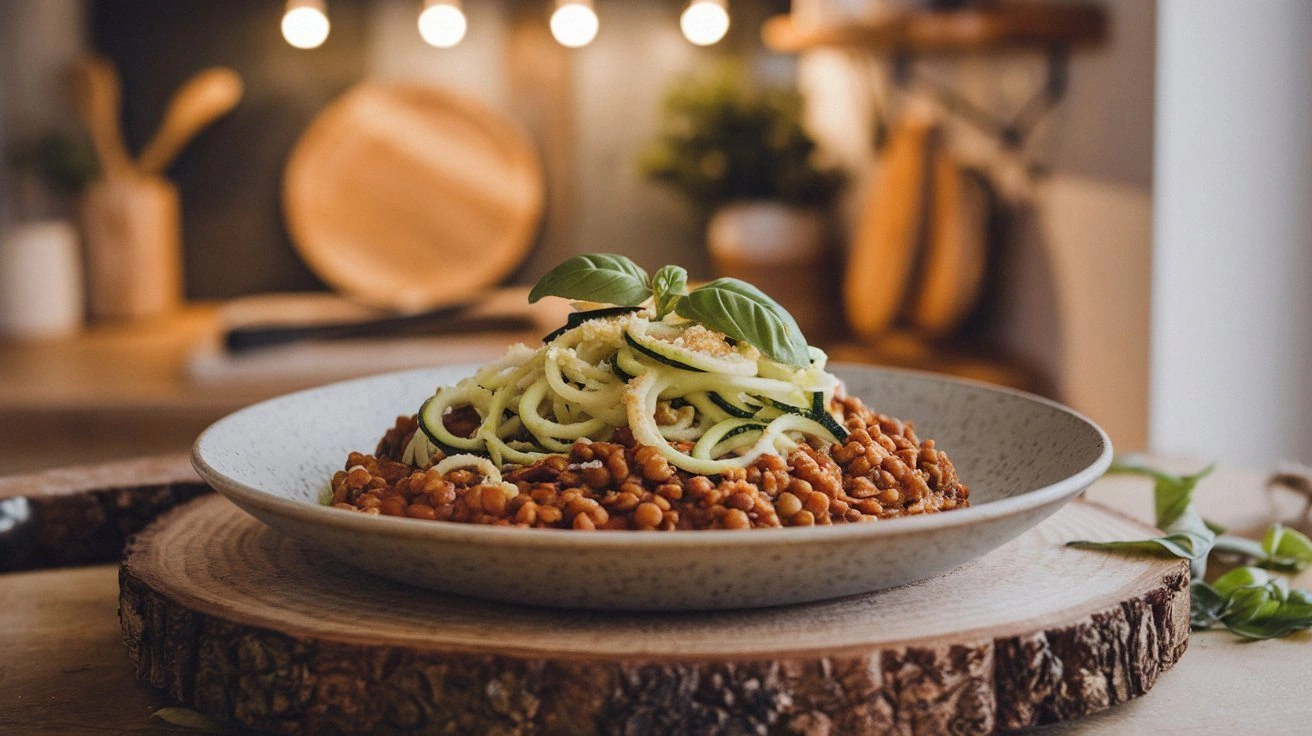
The Method — Step by Step
- Step 1: Sauté the Aromatics – Heat 2 tablespoons of olive oil in a large skillet over medium heat. Add 1 diced onion, 2 minced garlic cloves, 1 diced carrot, and 1 diced celery stalk. Cook, stirring frequently, until the vegetables soften and the onions become translucent, about 5–7 minutes. The mixture should emit a sweet, fragrant aroma that makes your kitchen feel like a cozy, open‑fire tavern. Keep the heat steady; if the veggies start to brown too quickly, lower the temperature.
- Step 2: Add the Tomato Paste and Herbs – Stir in 1 tablespoon of tomato paste and let it toast for a minute, allowing it to caramelize slightly. Sprinkle in 1 teaspoon each of dried oregano and basil, ½ teaspoon of dried thyme, and ½ teaspoon of red pepper flakes. Let the herbs bloom for 30 seconds before proceeding. This step is the moment of truth; the aroma should be unmistakably Italian.
- Step 3: Deglaze with Red Wine – Pour in ¼ cup of red wine (or 1 tablespoon of balsamic vinegar if you’re avoiding alcohol). Scrape the pan with a wooden spoon to lift all the browned bits. The wine should reduce by half in about 2 minutes, concentrating the flavors. Kitchen Hack: If you’re short on time, use a splash of tomato broth instead of wine—it will still add depth but skip the alcohol.
- Step 4: Simmer the Tomato Base – Add 1 can (14 oz) of crushed tomatoes, 2 cups of vegetable broth, and a pinch of salt and pepper. Bring the mixture to a gentle boil, then reduce to a low simmer. Let it cook uncovered for 15 minutes, allowing the flavors to meld and the sauce to thicken. Taste and adjust seasoning as needed. The sauce should be glossy, not too thick, and should coat the back of a spoon.
- Step 5: Incorporate the Lentils – Stir in 1 cup of cooked lentils and 1 tablespoon of tomato paste for extra thickness. Let the sauce simmer for another 10 minutes, allowing the lentils to absorb the herbs and tomatoes. The lentils should remain slightly firm, offering a pleasant bite. Watch Out: Don’t let the sauce boil too vigorously after adding the lentils; a gentle simmer preserves the texture and prevents the sauce from becoming too watery.
- Step 6: Finish with Fresh Herbs – Turn off the heat and stir in 1 tablespoon of chopped fresh basil and 1 tablespoon of chopped parsley. Add 1 tablespoon of lemon juice to brighten the flavors. The fresh herbs should give the sauce a vibrant, green hue and a fresh, herbal aroma.
- Step 7: Prepare the Zoodles – While the sauce is finishing, sauté 4 zucchini noodles in a separate pan with a splash of olive oil for 2–3 minutes, just until they’re slightly softened but still crisp. Drain immediately to prevent them from becoming soggy.
- Step 8: Combine and Serve – Toss the zoodles into the sauce, ensuring they’re evenly coated. Serve hot, garnished with a sprinkle of nutritional yeast for a cheesy finish if desired. Plate the dish with a side of crusty bread or a simple green salad for a complete meal.
- Step 9: Optional Rest – If you’re preparing ahead of time, let the sauce cool completely before refrigerating. When reheating, add a splash of water or broth to loosen the sauce back to its original consistency.
That's it — you did it. But hold on, I've got a few more tricks that'll take this to another level...
Insider Tricks for Flawless Results
The Temperature Rule Nobody Follows
Many cooks think high heat is the key to a good sauce, but slow and low is the secret. Keeping the sauce on a low simmer allows the lentils to absorb the herbs without breaking apart. If the heat is too high, the sauce will reduce too quickly and become syrupy, losing that silky texture. I always set the stove to medium‑low and let the sauce gently bubble for the full 30 minutes.
Why Your Nose Knows Best
When the sauce starts to thicken, trust your nose. The aroma should be rich, tomato‑y, with a hint of herbs and a faint sweetness from the caramelized onions. If you smell a sharp, burnt note, the pan is too hot. Lower the heat and let the sauce settle. A well‑aromatized sauce is a sign that the flavors have fully developed.
The 5-Minute Rest That Changes Everything
After you finish cooking, let the sauce rest for 5 minutes before serving. This resting period allows the flavors to meld further and the lentils to settle. I’ve seen friends who skip this step and end up with a sauce that tastes flat. Give it that brief pause, and you’ll taste the depth of the herbs.
Freshness Over Time
If you’re meal prepping, store the sauce in an airtight container in the fridge for up to 4 days. When reheating, add a splash of water or broth to restore the original thickness. For a more robust flavor, reheat on the stove rather than the microwave.
Balancing Acidity
Acidity is the unsung hero of tomato sauces. If the sauce tastes too heavy, add a teaspoon of red wine vinegar or a splash of lemon juice. This brightens the flavors and prevents the lentils from becoming too earthy.
Creative Twists and Variations
Smoky Chipotle Version
Swap the red pepper flakes for a teaspoon of chipotle powder and add a splash of smoky chipotle sauce. The result is a bold, smoky flavor that pairs beautifully with the earthy lentils. This variation is perfect for those who love a little heat and a lot of depth.
Spicy Thai Fusion
Replace the Italian herbs with a teaspoon of dried Thai basil, a pinch of curry powder, and a splash of coconut milk. The sauce takes on a creamy, tropical vibe that’s both exotic and comforting. Serve over rice noodles instead of zoodles for a complete Thai twist.
Herb‑Infused Pesto Swap
Blend a handful of fresh basil, parsley, garlic, and olive oil into a quick pesto. Stir the pesto into the sauce at the end for a fresh, herbaceous burst. The pesto adds a creamy texture while keeping the dish plant‑based.
Roasted Tomato Boost
Roast 2 cups of cherry tomatoes with a drizzle of olive oil, salt, and pepper at 400°F for 15 minutes. Add them to the sauce in the final 5 minutes of simmering. The roasted tomatoes add a caramelized sweetness that elevates the dish.
Protein‑Packed Quinoa Blend
Cook 1 cup of quinoa separately and stir it into the sauce along with the lentils. The quinoa adds a nutty flavor and extra protein, making the dish even heartier. This variation is great for those who want a more filling meal.
Vegan “Cheese” Touch
Sprinkle nutritional yeast over the finished dish to mimic a cheesy flavor. Nutritional yeast adds a savory, umami note that makes the sauce feel indulgent without dairy. It also boosts the protein content, keeping the dish wholesome.
Storing and Bringing It Back to Life
Fridge Storage
Store the sauce in a sealed container in the refrigerator for up to 4 days. The lentils will keep their texture, and the flavors will mellow, becoming even more harmonious. When ready to serve, reheat gently on the stovetop, adding a splash of water if it has thickened.
Freezer Friendly
Freeze the sauce in airtight freezer bags or containers for up to 3 months. Thaw overnight in the fridge before reheating. Add a splash of vegetable broth or water to loosen the sauce, as freezing can cause it to thicken.
Best Reheating Method
Reheat on low heat, stirring frequently to prevent sticking. The goal is to bring the sauce back to a gentle simmer without scorching the lentils. Finish with a splash of fresh lemon juice to brighten the flavor after reheating.