
Gluten Free Croissants
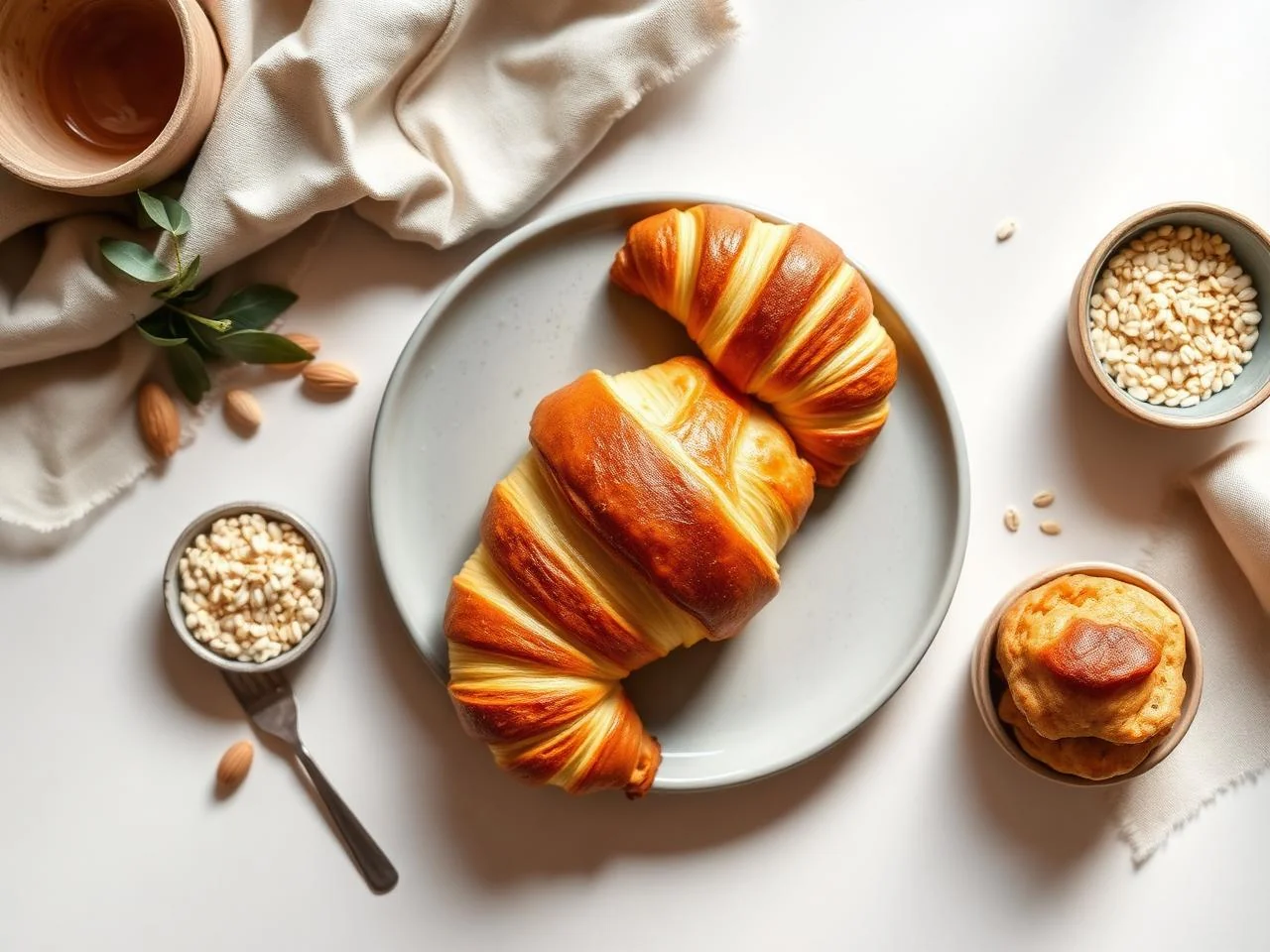
As a home cook who's had to adapt to a gluten-free diet, I've learned that with the right techniques and ingredients, anything is possible - even flaky, buttery croissants. My journey to creating the perfect gluten-free croissant has been a long one, but the end result is well worth it. In this recipe, I'll guide you through the process of making these delicious pastries from scratch, using a blend of rice flour, tapioca starch, and xanthan gum.
One of the most important things I've learned about gluten-free baking is the importance of hydration and rest time. By allowing the dough to rest and hydrate, the starches in the flours have time to fully absorb the liquid, resulting in a tender and flaky crumb. This technique, combined with the right balance of ingredients, is the key to creating gluten-free croissants that are indistinguishable from their traditional counterparts.
I've also learned that gluten-free baking is all about experimentation and patience. It's not just about substituting one type of flour for another, but about understanding how the different ingredients work together to create the desired texture and flavor. With this recipe, I hope to share my knowledge and experience with you, and help you to create delicious gluten-free croissants that will impress even the most discerning palates.
Whether you're a seasoned baker or just starting out, this recipe is perfect for anyone looking to try their hand at gluten-free croissants. With its clear instructions and detailed explanations, you'll be able to create these delicious pastries with ease and confidence. So why not give it a try, and see the difference that gluten-free baking can make?
In this recipe, I'll take you through the process of making gluten-free croissants from scratch, including the preparation of the dough, the lamination process, and the final baking. I'll also provide you with tips and tricks for getting the best results, and share some of my favorite variations and substitutions to try.
Why You’ll Love This Recipe
- These gluten-free croissants are perfect for breakfast or brunch, and can be filled with a variety of sweet or savory ingredients.
- The recipe is easy to follow and requires minimal special equipment, making it accessible to bakers of all levels.
- The use of a balanced blend of rice flour, tapioca starch, and xanthan gum creates a tender and flaky texture that is indistinguishable from traditional croissants.
- The lamination process helps to create layers of dough and fat, resulting in a delicious and flaky texture.
- The recipe can be easily customized with different fillings and toppings, making it perfect for special occasions or everyday treats.
- The gluten-free croissants are perfect for those with gluten intolerance or sensitivity, and can be enjoyed by everyone.
- The recipe is relatively quick and easy to make, with a total preparation and cooking time of under 2 hours.
Why This Recipe Works
The key to successful gluten-free croissants lies in the combination of the right ingredients and the right techniques. By using a balanced blend of rice flour, tapioca starch, and xanthan gum, we can create a dough that is both strong and flexible, with a tender and flaky texture. The addition of cold butter and the lamination process helps to create the layers of dough and fat that are characteristic of traditional croissants.
The hydration and rest time are also crucial, as they allow the starches in the flours to fully absorb the liquid and the dough to relax and become more pliable. This makes it easier to roll out the dough and create the layers, resulting in a more tender and flaky crumb.
Finally, the use of an instant-read thermometer to check the internal temperature of the croissants ensures that they are cooked to perfection, with a golden-brown exterior and a tender and flaky interior. By following these techniques and using the right ingredients, we can create gluten-free croissants that are truly delicious and indistinguishable from their traditional counterparts.
Ingredients You’ll Need
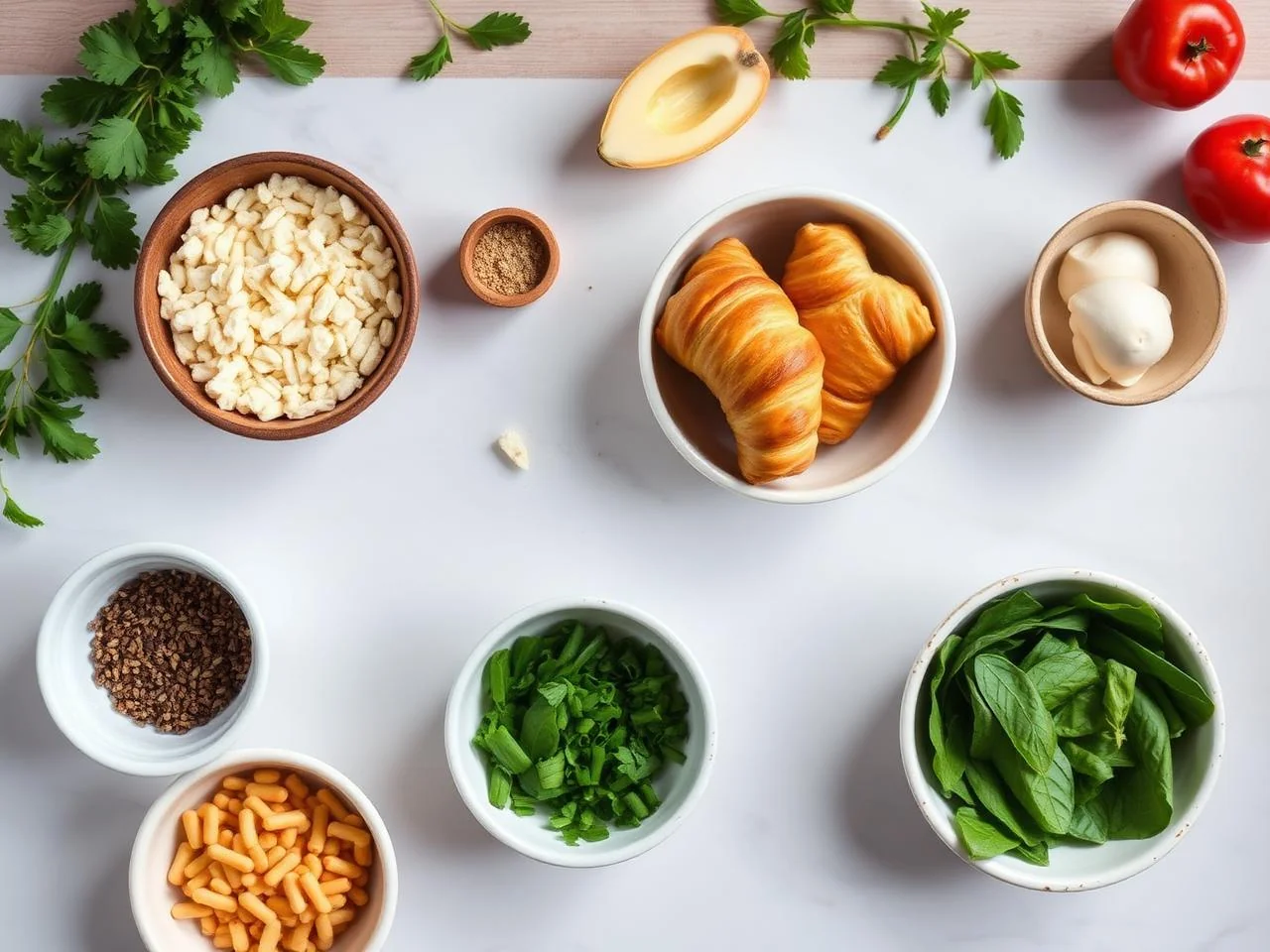
To make these delicious gluten-free croissants, you'll need a few special ingredients, including a balanced blend of rice flour, tapioca starch, and xanthan gum. You'll also need some cold butter, eggs, and salt, as well as some sugar and yeast. Don't worry if you're not familiar with these ingredients - I'll guide you through the process and explain what each one does and why it's important.
When shopping for ingredients, be sure to choose high-quality items that are fresh and have not been contaminated with gluten. This is especially important for the flours, as they can be easily cross-contaminated with gluten during processing or storage. By choosing high-quality ingredients and following the recipe carefully, you'll be able to create delicious gluten-free croissants that are perfect for any occasion.
- 1 1/2 cups (190g) rice flourRice flour is a light, delicate flour that is perfect for creating a tender and flaky texture in gluten-free croissants. Look for a high-quality rice flour that is fresh and has not been contaminated with gluten.
- 1/2 cup (60g) tapioca starchTapioca starch is a starchy flour that helps to add structure and texture to gluten-free baked goods. It's especially important in gluten-free croissants, where it helps to create a flaky and tender crumb.
- 1/4 cup (30g) xanthan gumXanthan gum is a common ingredient in gluten-free baking, where it helps to add structure and texture to baked goods. In gluten-free croissants, it helps to create a tender and flaky texture, and can also help to improve the dough's elasticity and flexibility.
- 1/2 cup (115g) cold unsalted butter, cut into small piecesCold butter is essential for creating the layers of dough and fat that are characteristic of traditional croissants. Look for a high-quality, unsalted butter that is fresh and has not been contaminated with gluten.
- 1 large eggEggs are an important ingredient in gluten-free croissants, where they help to add moisture and richness to the dough. Look for fresh, high-quality eggs that are free from contamination.
- 1/2 teaspoon saltSalt is an important ingredient in gluten-free baking, where it helps to add flavor and texture to baked goods. Look for a high-quality, unrefined salt that is free from additives and contaminants.
- 1 tablespoon (15g) granulated sugarSugar is an important ingredient in gluten-free croissants, where it helps to add flavor and browning to the dough. Look for a high-quality, granulated sugar that is free from additives and contaminants.
- 1 packet (2 1/4 teaspoons) active dry yeastYeast is an important ingredient in gluten-free croissants, where it helps to add rise and texture to the dough. Look for a high-quality, active dry yeast that is free from additives and contaminants.
- 1/2 cup (120ml) whole milk, lukewarmMilk is an important ingredient in gluten-free croissants, where it helps to add moisture and richness to the dough. Look for a high-quality, whole milk that is fresh and has not been contaminated with gluten.
- 1 large egg, beaten (for egg wash)An egg wash is an important step in creating a golden-brown crust on gluten-free croissants. Look for a fresh, high-quality egg that is free from contamination.
Equipment You’ll Need
How to Make Gluten Free Croissants
- 1In a large mixing bowl, combine the rice flour, tapioca starch, xanthan gum, salt, sugar, and yeast. Whisk the ingredients together until they are well combined.
- 2Add the cold butter to the dry ingredients and use a pastry blender or your fingers to work the butter into the flour mixture until it resembles coarse crumbs.
- 3In a separate bowl, whisk together the egg and lukewarm milk. Add the wet ingredients to the dry ingredients and mix until a shaggy dough forms.
- 4Turn the dough out onto a lightly floured surface and knead for 5-7 minutes, until the dough becomes smooth and elastic.
- 5Form the dough into a ball and place it in a lightly oiled bowl, turning the dough to coat it evenly. Cover the bowl with plastic wrap and let the dough rest in a warm, draft-free place for 1 hour, or until it has doubled in size.
- 6Preheat the oven to 400°F (200°C). Line a baking sheet with parchment paper.
- 7On a lightly floured surface, roll out the dough to a thickness of about 1/4 inch (6mm). Brush the dough with the beaten egg for the egg wash.
- 8Use a pastry cutter or a knife to cut the dough into long, thin triangles. Cut each triangle in half, so that you have a total of 16-20 triangles.
- 9Roll each triangle into a croissant shape, curving the dough into a crescent shape and pressing the edges together to seal the croissant.
- 10Place the croissants on the prepared baking sheet, leaving about 1 inch (2.5cm) of space between each croissant.
- 11Bake the croissants for 15-20 minutes, or until they are golden brown. Use an instant-read thermometer to check the internal temperature of the croissants - they should be at least 190°F (88°C).
- 12Remove the croissants from the oven and let them cool on a wire rack for 5-10 minutes before serving.
Expert Tips
- Make sure to use high-quality, fresh ingredients to ensure the best flavor and texture in your gluten-free croissants.
- Don't overmix the dough, as this can lead to a tough and dense texture.
- Let the dough rest for the full hour, as this will help the gluten-free flours to hydrate and the dough to relax.
- Use a pastry brush to apply the egg wash, as this will help to create a golden-brown crust on the croissants.
- Don't overcrowd the baking sheet, as this can cause the croissants to steam instead of bake.
- If you're not planning to bake the croissants immediately, you can freeze them on the baking sheet and then transfer them to a freezer-safe bag or container for later use.
- To reheat frozen croissants, simply bake them in a preheated oven at 350°F (180°C) for 5-10 minutes, or until they are warmed through and crispy.
- Experiment with different fillings and toppings to create unique and delicious flavor combinations.
Common Mistakes to Avoid
- Not using high-quality, fresh ingredients can lead to a dense and flavorless texture in gluten-free croissants.
- Overmixing the dough can lead to a tough and dense texture.
- Not letting the dough rest for the full hour can lead to a dough that is difficult to work with and may not produce the best results.
- Not applying the egg wash evenly can lead to a crust that is not golden brown.
- Overcrowding the baking sheet can cause the croissants to steam instead of bake, leading to a dense and soggy texture.
- Not freezing the croissants properly can lead to a loss of texture and flavor.
Variations and Substitutions
- Try adding different fillings, such as chocolate or fruit, to create unique and delicious flavor combinations.
- Experiment with different types of milk, such as almond or soy milk, to create a dairy-free version of the recipe.
- Add some nuts or seeds, such as almonds or sesame seeds, to the dough for added texture and flavor.
- Try using different types of flour, such as coconut flour or oat flour, to create a unique and delicious flavor.
- Add some spices, such as cinnamon or nutmeg, to the dough for added flavor.
- Try making the croissants in a different shape, such as a crescent or a spiral, to create a unique and visually appealing pastry.
- Experiment with different types of sugar, such as honey or maple syrup, to create a unique and delicious flavor.
What to Serve With Gluten Free Croissants
These gluten-free croissants are perfect for serving at breakfast or brunch, and can be filled with a variety of sweet or savory ingredients. Try serving them with a cup of coffee or tea, or with a side of fresh fruit or yogurt. You can also use them as a base for sandwiches or as a crust for quiches or tartes.
Some other ideas for serving gluten-free croissants include:
Make-Ahead, Storage, Freezing and Reheating
To store gluten-free croissants, it's best to freeze them as soon as possible after baking. This will help to preserve the texture and flavor of the croissants, and will also prevent them from becoming stale or soggy. To freeze the croissants, simply place them on a baking sheet lined with parchment paper and put them in the freezer until they are frozen solid. Then, transfer the frozen croissants to a freezer-safe bag or container and store them in the freezer for up to 2 months.
To reheat frozen croissants, simply bake them in a preheated oven at 350°F (180°C) for 5-10 minutes, or until they are warmed through and crispy. You can also reheat them in the microwave, but be careful not to overheat them, as this can cause them to become tough and dry.
If you don't plan to freeze the croissants, you can store them at room temperature for up to 2 days. Simply place them in an airtight container or wrap them tightly in plastic wrap, and keep them away from direct sunlight and heat sources.
Frequently Asked Questions
What is the best type of flour to use for gluten-free croissants?
The best type of flour to use for gluten-free croissants is a balanced blend of rice flour, tapioca starch, and xanthan gum. This blend provides the structure and texture needed for a tender and flaky crumb, while also being easy to work with and providing a delicious flavor.
How do I know when the dough is ready to roll out?
The dough is ready to roll out when it has rested for the full hour and has become smooth and elastic. It should also be slightly puffed and have a few large bubbles on the surface.
What is the best way to apply the egg wash?
The best way to apply the egg wash is to use a pastry brush to gently brush the egg wash over the surface of the croissants. This will help to create a golden-brown crust and add flavor to the croissants.
Can I freeze the croissants before baking?
Yes, you can freeze the croissants before baking. Simply place them on a baking sheet lined with parchment paper and put them in the freezer until they are frozen solid. Then, transfer the frozen croissants to a freezer-safe bag or container and store them in the freezer for up to 2 months.
How do I reheat frozen croissants?
To reheat frozen croissants, simply bake them in a preheated oven at 350°F (180°C) for 5-10 minutes, or until they are warmed through and crispy. You can also reheat them in the microwave, but be careful not to overheat them, as this can cause them to become tough and dry.
Can I make the croissants in a different shape?
Yes, you can make the croissants in a different shape. Try making them in a crescent or spiral shape, or even as a crust for quiches or tartes. The possibilities are endless, and you can experiment with different shapes and flavors to create unique and delicious pastries.
What is the best way to store gluten-free croissants?
The best way to store gluten-free croissants is to freeze them as soon as possible after baking. This will help to preserve the texture and flavor of the croissants, and will also prevent them from becoming stale or soggy.
Can I make the croissants ahead of time?
Yes, you can make the croissants ahead of time. Simply prepare the dough and let it rest, then roll out the dough and cut out the croissants. You can freeze the croissants at this stage, or you can bake them and then freeze them for later use.
What is the best type of milk to use in the recipe?
The best type of milk to use in the recipe is whole milk, as it provides the richness and flavor needed for a delicious and tender crumb. However, you can also use other types of milk, such as almond or soy milk, to create a dairy-free version of the recipe.
Ingredients
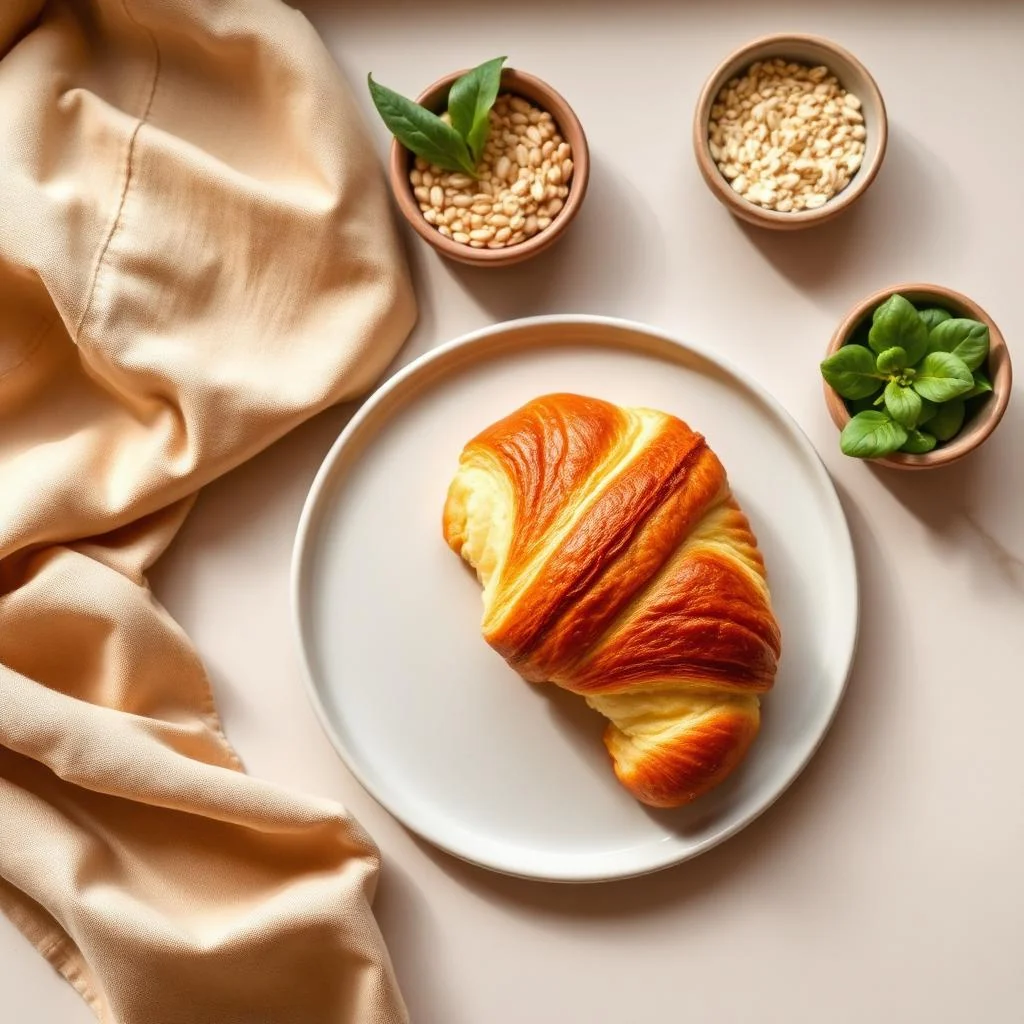
- 1 1/2 cups (190g) rice flour
- 1/2 cup (60g) tapioca starch
- 1/4 cup (30g) xanthan gum
- 1/2 cup (115g) cold unsalted butter, cut into small pieces
- 1 large egg
- 1/2 teaspoon salt
- 1 tablespoon (15g) granulated sugar
- 1 packet (2 1/4 teaspoons) active dry yeast
- 1/2 cup (120ml) whole milk, lukewarm
- 1 large egg, beaten (for egg wash)
Instructions
- In a large mixing bowl, combine the rice flour, tapioca starch, xanthan gum, salt, sugar, and yeast. Whisk the ingredients together until they are well combined.
- Add the cold butter to the dry ingredients and use a pastry blender or your fingers to work the butter into the flour mixture until it resembles coarse crumbs.
- In a separate bowl, whisk together the egg and lukewarm milk. Add the wet ingredients to the dry ingredients and mix until a shaggy dough forms.
- Turn the dough out onto a lightly floured surface and knead for 5-7 minutes, until the dough becomes smooth and elastic.
- Form the dough into a ball and place it in a lightly oiled bowl, turning the dough to coat it evenly. Cover the bowl with plastic wrap and let the dough rest in a warm, draft-free place for 1 hour, or until it has doubled in size.
- Preheat the oven to 400°F (200°C). Line a baking sheet with parchment paper.
- On a lightly floured surface, roll out the dough to a thickness of about 1/4 inch (6mm). Brush the dough with the beaten egg for the egg wash.
- Use a pastry cutter or a knife to cut the dough into long, thin triangles. Cut each triangle in half, so that you have a total of 16-20 triangles.
- Roll each triangle into a croissant shape, curving the dough into a crescent shape and pressing the edges together to seal the croissant.
- Place the croissants on the prepared baking sheet, leaving about 1 inch (2.5cm) of space between each croissant.
- Bake the croissants for 15-20 minutes, or until they are golden brown. Use an instant-read thermometer to check the internal temperature of the croissants - they should be at least 190°F (88°C).
- Remove the croissants from the oven and let them cool on a wire rack for 5-10 minutes before serving.