
Gluten Free Bagels
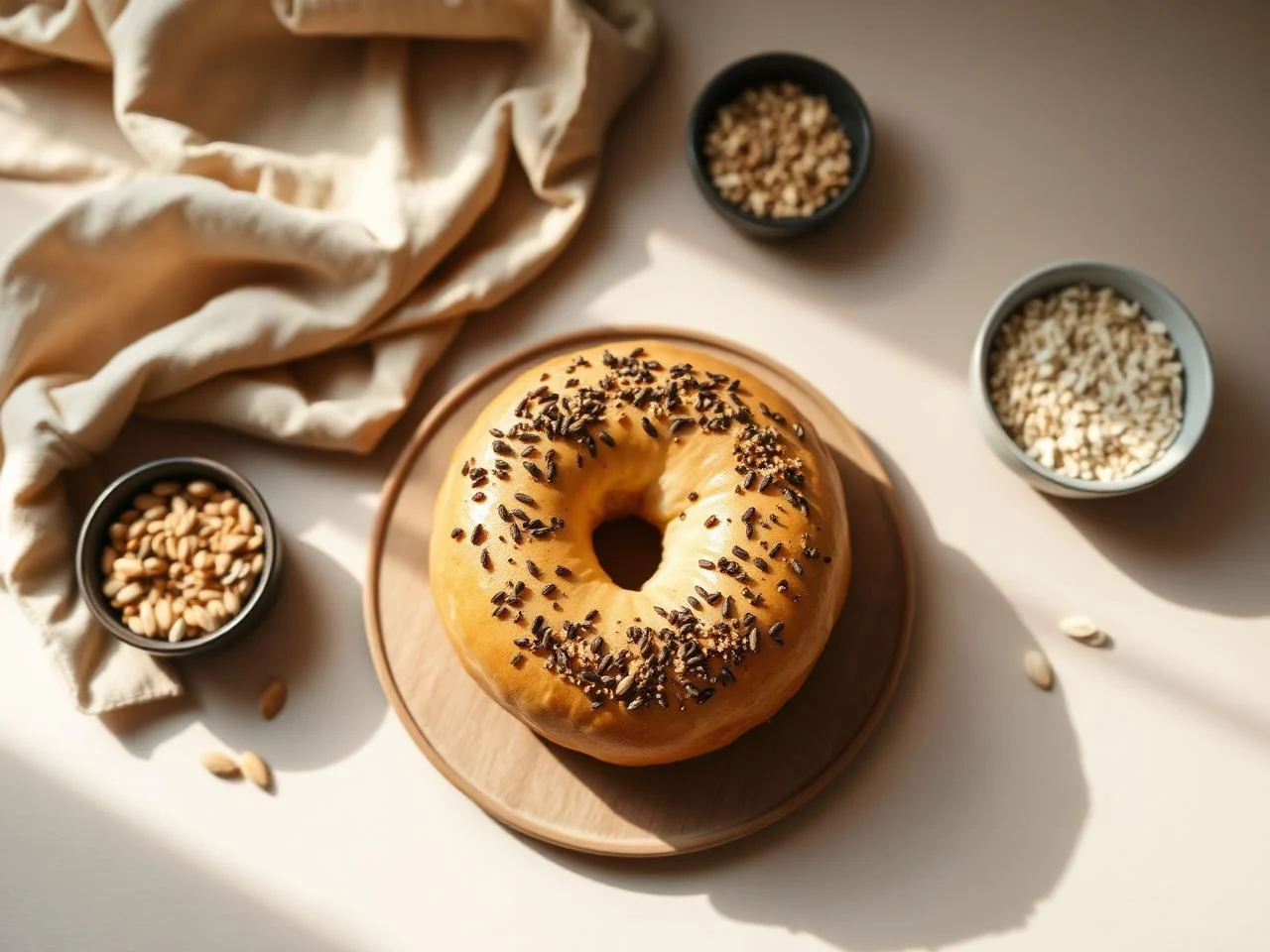
I still remember the first time I tried to make gluten-free bagels at home. As a former pastry kitchen hand, I was determined to create a recipe that would rival the traditional bagels I used to make. After months of trial and error, I finally landed on a combination of ingredients and techniques that produced a bagel that was not only gluten-free but also delicious and tender.
The key to making great gluten-free bagels is to use a blend of flours that provides structure and texture, as well as a binder to hold everything together. In this recipe, I use a combination of rice flour, tapioca starch, and xanthan gum to create a dough that is easy to work with and bakes up into a beautiful, chewy bagel.
One of the things that sets this recipe apart from others is the use of a 20-30 minute hydration rest before baking. This allows the starches in the flour to fully absorb the liquid, resulting in a tender and even crumb. It's a simple step, but it makes all the difference in the final product.
This recipe is perfect for anyone who is looking for a delicious and easy-to-make gluten-free breakfast option. The bagels are great toasted with cream cheese or butter, and they also make a great base for sandwiches or toast with avocado or eggs.
In this article, I'll walk you through the process of making gluten-free bagels from scratch, including the ingredients, equipment, and steps you'll need to follow. I'll also share some tips and variations to help you customize the recipe to your taste.
Why You’ll Love This Recipe
- This recipe is easy to follow and requires minimal special equipment.
- The gluten-free flour blend is easy to make and can be customized to your taste.
- The hydration rest helps to create a tender and even crumb, reducing the risk of a dense or gummy texture.
- The use of a hot oven and a baking stone helps to create a crispy crust and a chewy interior.
- The bagels are perfect for breakfast, lunch, or as a snack, and can be topped with a variety of ingredients to suit your taste.
- This recipe is also budget-friendly and can be made in large batches, perfect for meal prep or freezing for later.
Why This Recipe Works
The combination of rice flour, tapioca starch, and xanthan gum in this recipe provides the perfect balance of structure and texture. The rice flour adds a light and airy texture, while the tapioca starch helps to strengthen the gluten-free flour blend. The xanthan gum acts as a binder, holding the ingredients together and creating a dough that is easy to work with.
The hydration rest is also a crucial step in this recipe. By allowing the starches in the flour to fully absorb the liquid, we can create a tender and even crumb that is characteristic of a great bagel. This step also helps to reduce the risk of a dense or gummy texture, which can be a common problem in gluten-free baking.
Finally, the use of a hot oven and a baking stone helps to create a crispy crust on the bagels, which is essential for a great texture. The steam from the water in the oven also helps to create a chewy interior, which is perfect for a bagel.
Overall, the combination of ingredients, techniques, and equipment in this recipe comes together to create a gluten-free bagel that is not only delicious but also easy to make. With a little practice, you'll be able to create perfect gluten-free bagels at home, every time.
Ingredients You’ll Need
To make this recipe, you'll need a few special ingredients, including rice flour, tapioca starch, and xanthan gum. You'll also need some basic pantry staples, such as salt, sugar, and yeast. Make sure to choose a high-quality yeast that is gluten-free, as this will help to ensure that your bagels rise properly.
When shopping for ingredients, be sure to read the labels carefully to ensure that they are gluten-free. You can also customize the recipe to your taste by using different flavorings or toppings, such as sesame seeds or poppy seeds.
- 2 cups (250g) rice flourRice flour provides a light and airy texture to the bagels, and is a good source of fiber and nutrients. Make sure to choose a high-quality rice flour that is gluten-free and finely milled.
- 1 cup (120g) tapioca starchTapioca starch helps to strengthen the gluten-free flour blend and provides a neutral flavor. It's also a good source of carbohydrates and can help to add structure to the bagels.
- 1 teaspoon xanthan gumXanthan gum acts as a binder, holding the ingredients together and creating a dough that is easy to work with. It's also a good source of fiber and can help to improve the texture of the bagels.
- 1 teaspoon saltSalt enhances the flavor of the bagels and helps to control the yeast. Make sure to choose a high-quality salt that is gluten-free and finely milled.
- 1 tablespoon sugarSugar feeds the yeast and helps to create a crispy crust on the bagels. Make sure to choose a high-quality sugar that is gluten-free and finely milled.
- 1 packet (2 1/4 teaspoons) active dry yeastYeast helps to leaven the bagels and create a light and airy texture. Make sure to choose a high-quality yeast that is gluten-free and suitable for gluten-free baking.
- 1 cup (235ml) warm waterWarm water helps to activate the yeast and create a dough that is easy to work with. Make sure to choose a high-quality water that is gluten-free and at the right temperature (around 100°F to 110°F).
- 2 tablespoons olive oilOlive oil helps to create a crispy crust on the bagels and adds flavor. Make sure to choose a high-quality olive oil that is gluten-free and suitable for baking.
- 1 egg, beatenThe egg helps to enrich the dough and create a golden brown crust on the bagels. Make sure to choose a high-quality egg that is gluten-free and suitable for baking.
- 1 tablespoon sesame seedsSesame seeds add flavor and texture to the bagels. Make sure to choose a high-quality sesame seed that is gluten-free and suitable for baking.
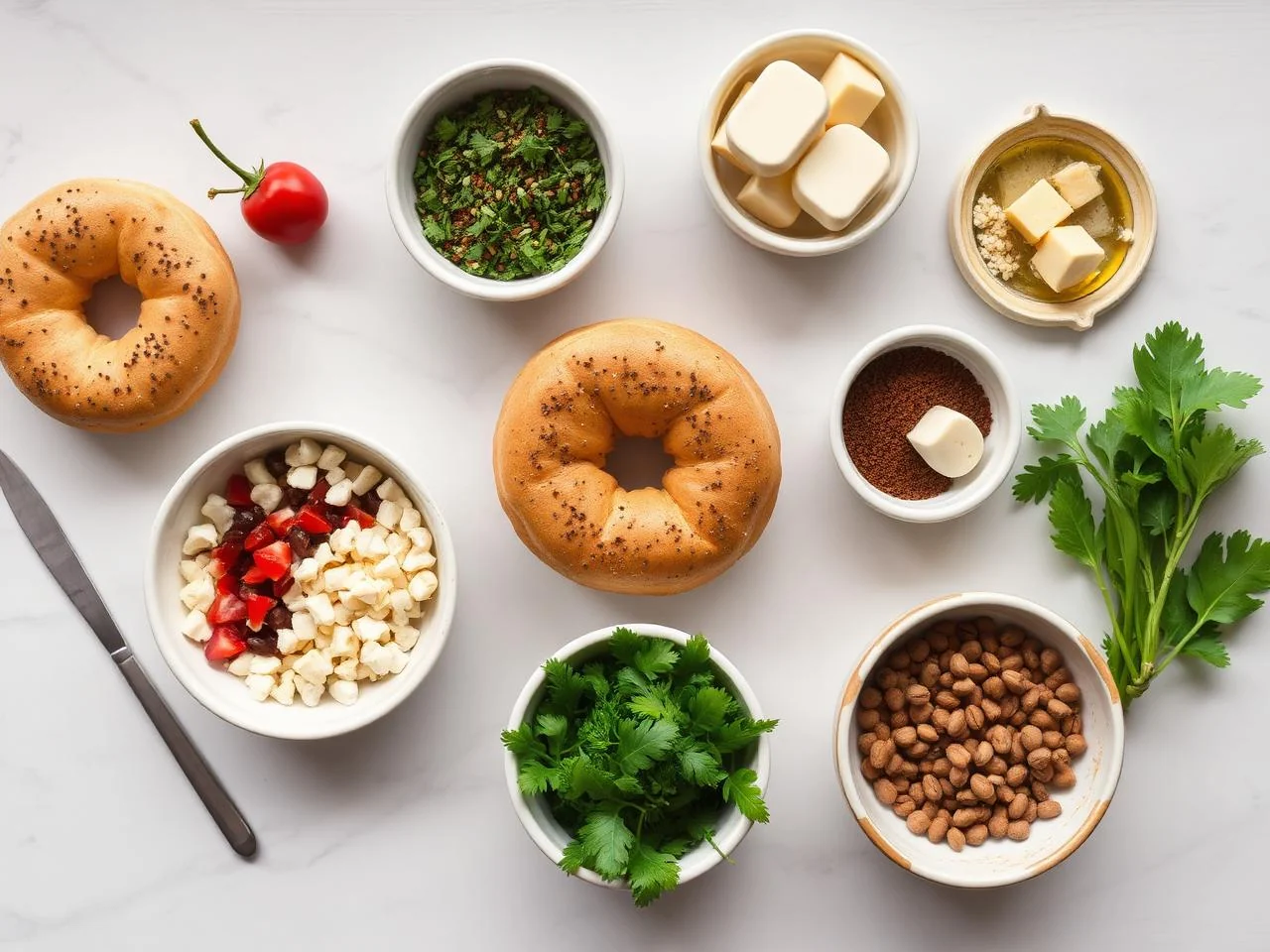
Equipment You’ll Need
How to Make Gluten Free Bagels
- 1In a large mixing bowl, combine the rice flour, tapioca starch, xanthan gum, salt, sugar, and yeast. Whisk the ingredients together until they are well combined.
- 2Add the warm water to the dry ingredients and mix until a shaggy dough forms. The dough should be sticky and rough at this stage.
- 3Add the olive oil and beaten egg to the dough and mix until the dough comes together in a ball. The dough should be smooth and elastic at this stage.
- 4Knead the dough for 10 minutes, until it becomes smooth and elastic. You can use an electric mixer with a dough hook attachment or knead the dough by hand.
- 5Place the dough in a greased bowl, cover it with plastic wrap, and let it rise in a warm place for 1 hour, or until it has doubled in size.
- 6Preheat the oven to 425°F (220°C) and place a baking stone in the oven. If you don't have a baking stone, you can use a regular baking sheet.
- 7Punch down the dough and divide it into 8-10 equal pieces. Roll each piece into a ball and then use your thumbs to create a hole in the center of each ball, stretching it out to form a bagel shape.
- 8Place the bagels on the prepared baking stone or baking sheet, leaving about 1 inch of space between each bagel.
- 9Brush the tops of the bagels with egg wash and sprinkle with sesame seeds.
- 10Bake the bagels for 20-25 minutes, or until they are golden brown. The internal temperature of the bagels should be at least 190°F (88°C).
- 11Remove the bagels from the oven and let them cool on a wire rack for at least 30 minutes before serving.
Expert Tips
- Make sure to choose a high-quality yeast that is gluten-free and suitable for gluten-free baking.
- Use a digital thermometer to ensure that the water is at the right temperature (around 100°F to 110°F).
- Don't overmix the dough, as this can lead to a dense and tough bagel.
- Let the bagels rise for at least 1 hour, or until they have doubled in size. This will help to create a light and airy texture.
- Use a baking stone in the oven to create a crispy crust on the bagels. If you don't have a baking stone, you can use a regular baking sheet.
- Brush the tops of the bagels with egg wash and sprinkle with sesame seeds for a golden brown crust and added flavor.
- Let the bagels cool on a wire rack for at least 30 minutes before serving. This will help to create a crispy crust and a chewy interior.
Common Mistakes to Avoid
- Using a low-quality yeast that is not suitable for gluten-free baking.
- Not letting the bagels rise for long enough, resulting in a dense and tough texture.
- Overmixing the dough, which can lead to a dense and tough bagel.
- Not using a baking stone in the oven, which can result in a soft and soggy crust.
- Not brushing the tops of the bagels with egg wash and sprinkling with sesame seeds, which can result in a plain and flavorless crust.
- Not letting the bagels cool on a wire rack for long enough, which can result in a soggy and soft texture.
Variations and Substitutions
- Try using different flavorings, such as garlic or onion powder, to create a unique and delicious flavor.
- Use different types of flour, such as almond flour or coconut flour, to create a unique and delicious texture.
- Add some dried fruit or nuts to the dough for added flavor and texture.
- Use a different type of seed, such as poppy seeds or sunflower seeds, for a unique and delicious flavor.
- Try using a different type of oil, such as coconut oil or avocado oil, for a unique and delicious flavor.
- Add some spices, such as cinnamon or nutmeg, to the dough for a unique and delicious flavor.
- Use a different type of sugar, such as honey or maple syrup, for a unique and delicious flavor.
What to Serve With Gluten Free Bagels
These gluten-free bagels are perfect for breakfast, lunch, or as a snack. Try topping them with cream cheese, butter, or avocado for a delicious and satisfying treat.
You can also use these bagels as a base for sandwiches or toast with eggs, bacon, or sausage. The possibilities are endless, and the best part is that you can customize the recipe to your taste.
Make-Ahead, Storage, Freezing and Reheating
These gluten-free bagels can be stored in an airtight container at room temperature for up to 3 days. You can also freeze them for up to 2 months and thaw them at room temperature when you're ready to eat them.
To freeze the bagels, simply place them in a single layer on a baking sheet and put them in the freezer. Once they are frozen, you can transfer them to a freezer-safe bag or container and store them in the freezer for up to 2 months.
To thaw the bagels, simply leave them at room temperature for a few hours or overnight in the refrigerator. You can also thaw them in the microwave by wrapping them in a damp paper towel and heating them for 20-30 seconds.
Reheating the bagels is easy - simply place them in the oven at 350°F (180°C) for 5-10 minutes, or until they are crispy and golden brown. You can also reheat them in the microwave by wrapping them in a damp paper towel and heating them for 20-30 seconds.
Frequently Asked Questions
What type of flour is best for gluten-free bagels?
A blend of rice flour, tapioca starch, and xanthan gum is a good combination for gluten-free bagels. The rice flour provides a light and airy texture, while the tapioca starch helps to strengthen the gluten-free flour blend and the xanthan gum acts as a binder.
How long do I need to let the bagels rise?
Let the bagels rise for at least 1 hour, or until they have doubled in size. This will help to create a light and airy texture.
What is the best way to store gluten-free bagels?
Store the bagels in an airtight container at room temperature for up to 3 days. You can also freeze them for up to 2 months and thaw them at room temperature when you're ready to eat them.
Can I use a different type of yeast?
Yes, you can use a different type of yeast, but make sure it is gluten-free and suitable for gluten-free baking. Active dry yeast is a good option, but you can also use instant yeast or sourdough starter.
How do I know if the bagels are done?
The bagels are done when they are golden brown and the internal temperature is at least 190°F (88°C). You can also check for doneness by tapping on the bottom of the bagel - it should sound hollow.
Can I customize the recipe to my taste?
Yes, you can customize the recipe to your taste by using different flavorings, such as garlic or onion powder, or by adding different types of seeds or nuts. You can also use different types of flour, such as almond flour or coconut flour, to create a unique and delicious texture.
Are gluten-free bagels healthy?
Gluten-free bagels can be a healthy option, depending on the ingredients used. This recipe uses a blend of rice flour, tapioca starch, and xanthan gum, which provides a good source of fiber and nutrients. However, it's always a good idea to check the ingredient list and nutrition label to ensure that the bagels meet your dietary needs.
Can I make gluten-free bagels in advance?
Yes, you can make gluten-free bagels in advance and store them in an airtight container at room temperature for up to 3 days. You can also freeze them for up to 2 months and thaw them at room temperature when you're ready to eat them.
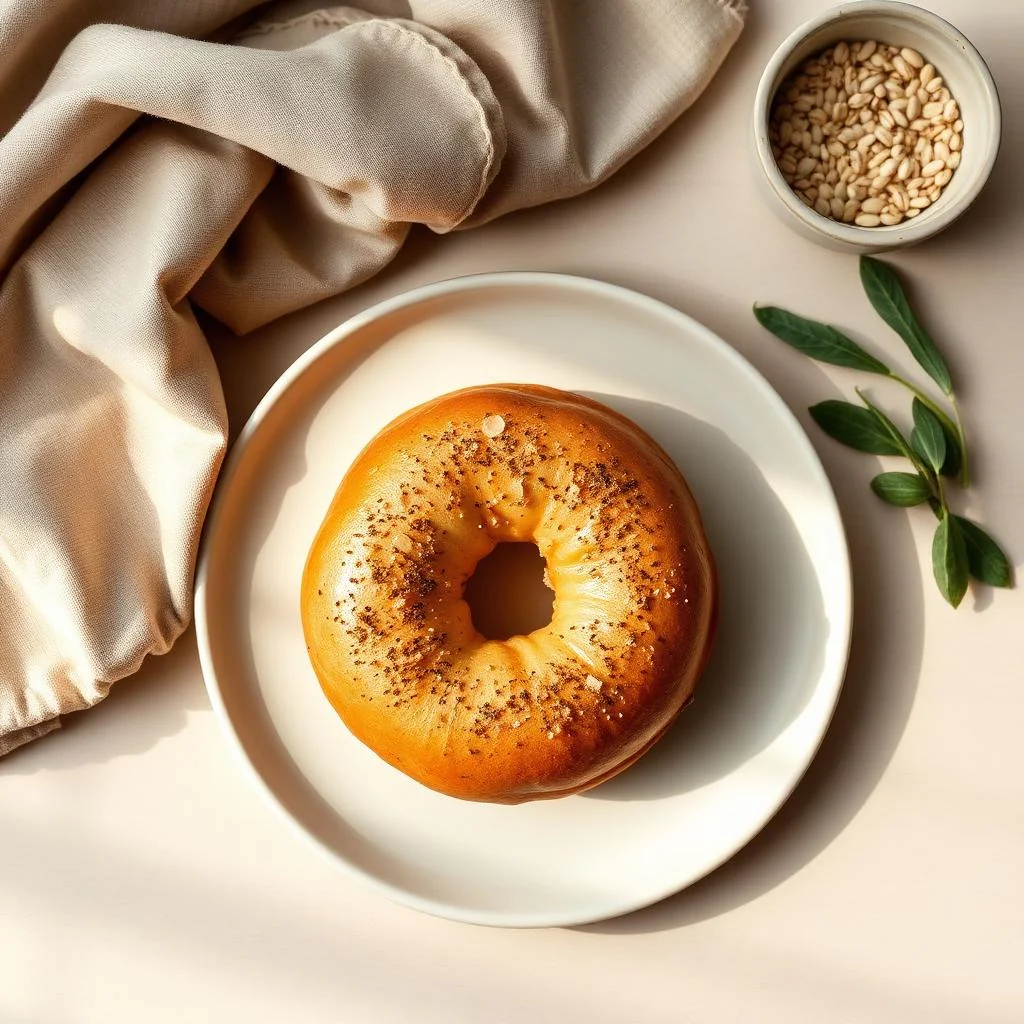
Ingredients
- 2 cups (250g) rice flour
- 1 cup (120g) tapioca starch
- 1 teaspoon xanthan gum
- 1 teaspoon salt
- 1 tablespoon sugar
- 1 packet (2 1/4 teaspoons) active dry yeast
- 1 cup (235ml) warm water
- 2 tablespoons olive oil
- 1 egg, beaten
- 1 tablespoon sesame seeds
Instructions
- In a large mixing bowl, combine the rice flour, tapioca starch, xanthan gum, salt, sugar, and yeast. Whisk the ingredients together until they are well combined.
- Add the warm water to the dry ingredients and mix until a shaggy dough forms. The dough should be sticky and rough at this stage.
- Add the olive oil and beaten egg to the dough and mix until the dough comes together in a ball. The dough should be smooth and elastic at this stage.
- Knead the dough for 10 minutes, until it becomes smooth and elastic. You can use an electric mixer with a dough hook attachment or knead the dough by hand.
- Place the dough in a greased bowl, cover it with plastic wrap, and let it rise in a warm place for 1 hour, or until it has doubled in size.
- Preheat the oven to 425°F (220°C) and place a baking stone in the oven. If you don't have a baking stone, you can use a regular baking sheet.
- Punch down the dough and divide it into 8-10 equal pieces. Roll each piece into a ball and then use your thumbs to create a hole in the center of each ball, stretching it out to form a bagel shape.
- Place the bagels on the prepared baking stone or baking sheet, leaving about 1 inch of space between each bagel.
- Brush the tops of the bagels with egg wash and sprinkle with sesame seeds.
- Bake the bagels for 20-25 minutes, or until they are golden brown. The internal temperature of the bagels should be at least 190°F (88°C).
- Remove the bagels from the oven and let them cool on a wire rack for at least 30 minutes before serving.