
Pan Seared Scallops
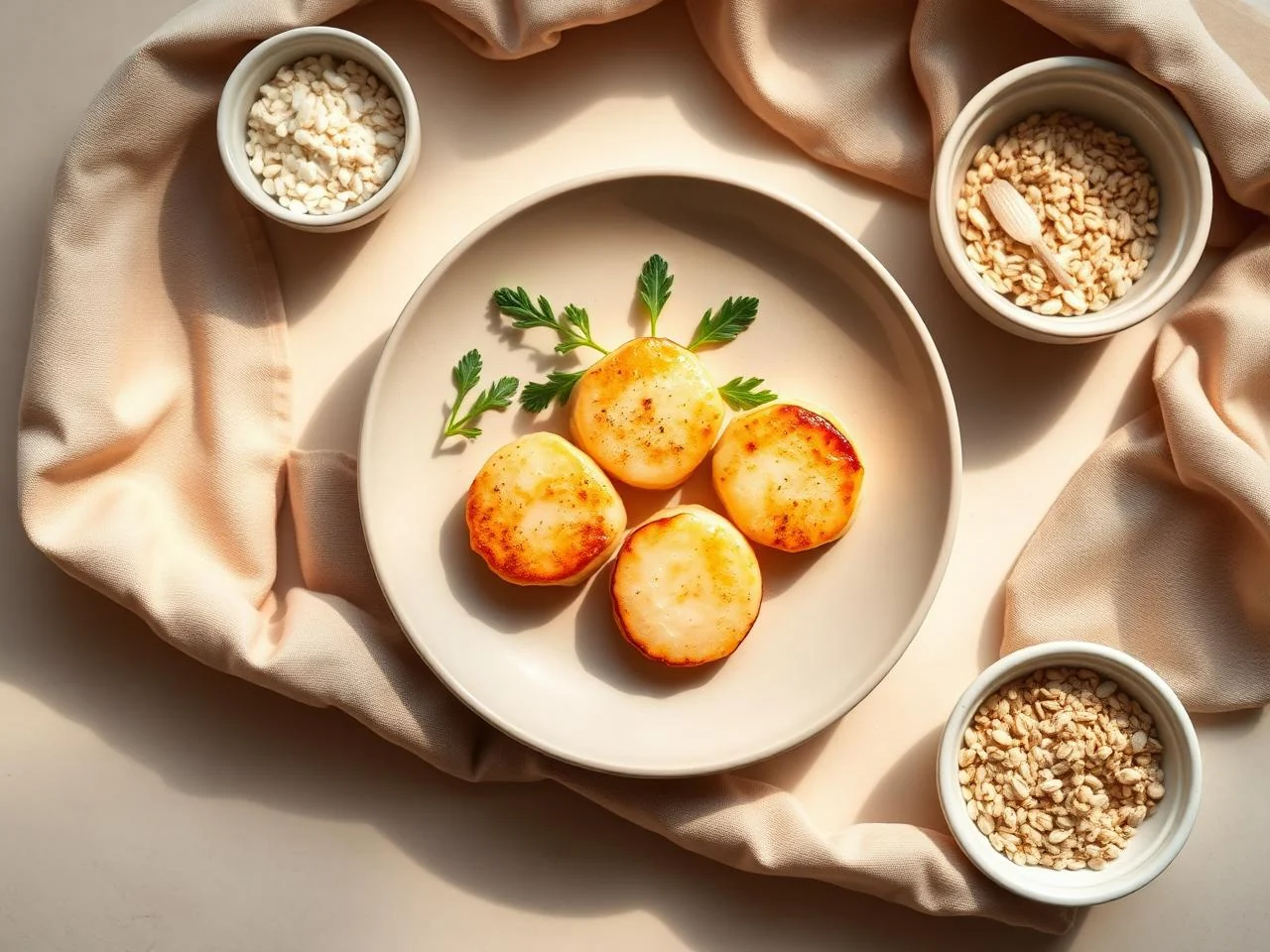
I still remember the first time I had pan-seared scallops at a restaurant - it was love at first bite. The combination of the tender, juicy scallops and the crispy, caramelized crust was absolute perfection. As a home cook, I was determined to recreate this dish in my own kitchen, and after some trial and error, I finally nailed it. The key to perfect pan-seared scallops is to not overcomplicate things - just a few simple ingredients, some basic techniques, and a bit of patience.
One of the things that makes pan-seared scallops so great is their versatility. They can be served as a main course, an appetizer, or even added to a salad or pasta dish. And the best part? They're incredibly easy to make gluten-free, making them a great option for anyone with dietary restrictions.
In this recipe, I'll walk you through the simple steps to create perfectly cooked, gluten-free pan-seared scallops. From preparing the scallops to cooking them to perfection, I'll share all my tips and tricks to ensure that your dish turns out delicious and impressive.
Whether you're a seasoned cook or a beginner in the kitchen, this recipe is sure to become a favorite. So go ahead, give it a try, and enjoy the ooohs and ahhhs from your family and friends as you serve up these mouthwatering pan-seared scallops.
So, what makes this recipe special? For starters, it's incredibly easy to make - just a few simple ingredients and some basic cooking techniques are all you need. The scallops are also incredibly versatile, and can be served with a variety of sides and sauces to suit your taste. And, as an added bonus, this recipe is gluten-free, making it a great option for anyone with dietary restrictions.
Why You’ll Love This Recipe
- This recipe is incredibly easy to make, with just a few simple ingredients and basic cooking techniques required.
- The scallops are gluten-free, making them a great option for anyone with dietary restrictions.
- The dish is versatile and can be served as a main course, appetizer, or added to a salad or pasta dish.
- The scallops are cooked to perfection, with a crispy, caramelized crust and a tender, juicy interior.
- The recipe is perfect for special occasions, or for a quick and easy weeknight dinner.
- The dish is packed with flavor, thanks to the combination of garlic, lemon juice, and herbs.
- The recipe is easy to customize, with a variety of sides and sauces that can be served alongside the scallops.
Why This Recipe Works
The key to perfect pan-seared scallops is to cook them at the right temperature, for the right amount of time. This ensures that the scallops are cooked through, but still retain their tender, juicy texture. It's also important to not overcook the scallops - this can make them tough and rubbery, which is definitely not what you want.
Another important factor is the type of oil used for cooking. I like to use a neutral-tasting oil with a high smoke point, such as avocado oil or grapeseed oil. This helps to create a crispy, caramelized crust on the scallops, without overpowering their delicate flavor.
Finally, it's all about the technique. Cooking the scallops in a hot pan, with a small amount of oil, helps to create a nice crust on the bottom. Then, finishing them off with a squeeze of lemon juice and a sprinkle of salt and pepper, adds a burst of brightness and flavor to the dish.
Ingredients You’ll Need
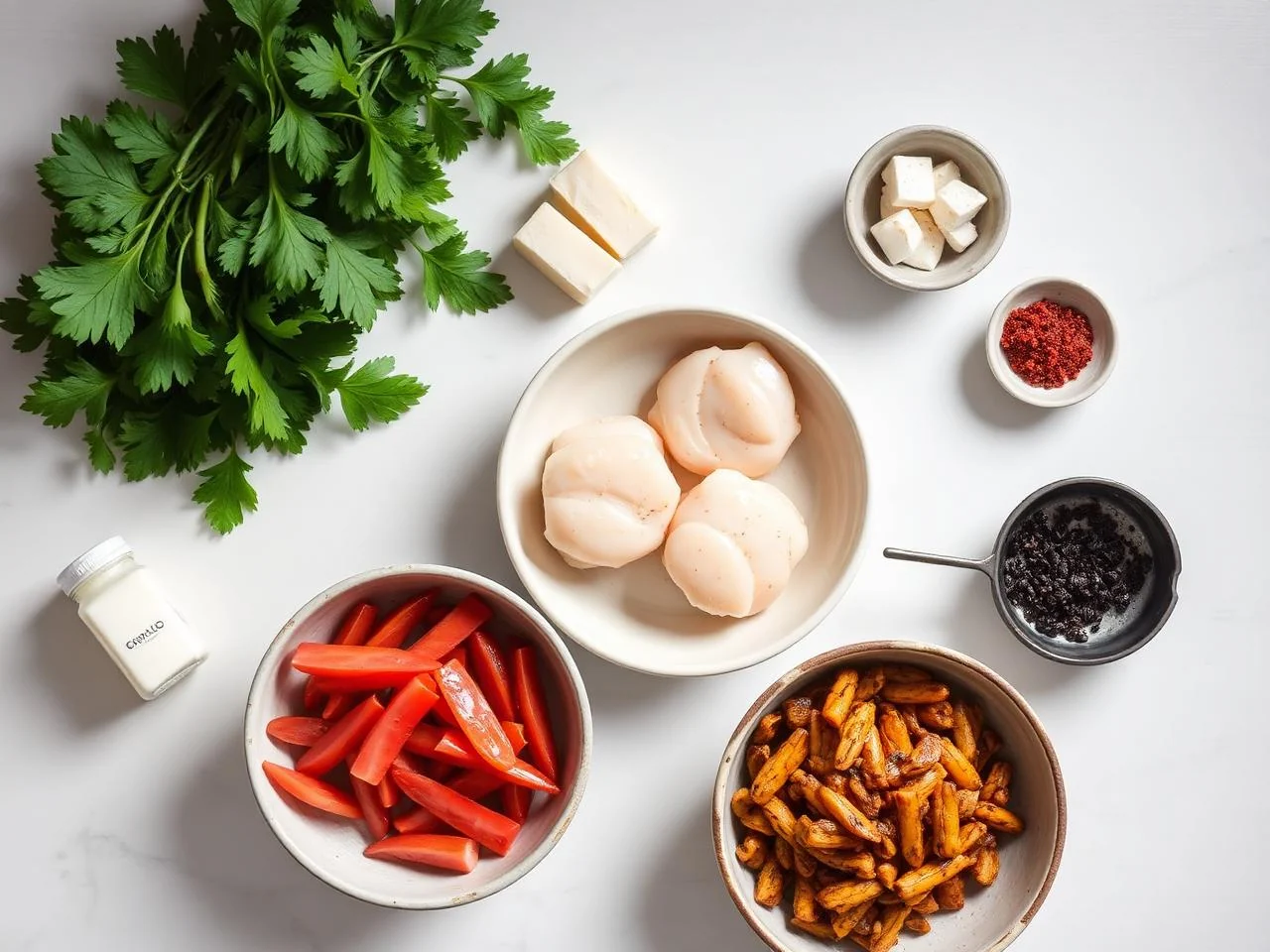
For this recipe, you'll need just a few simple ingredients, including fresh scallops, garlic, lemon juice, and some basic pantry staples. Be sure to choose the freshest scallops you can find, and pat them dry with a paper towel before cooking to help the crust form evenly.
- 1 lb (450g) scallopsFresh scallops are essential for this recipe, so be sure to choose the freshest you can find. Look for scallops that are firm to the touch and have a sweet, slightly salty smell.
- 2 cloves garlic, mincedGarlic adds a depth of flavor to the dish, and helps to create a rich, savory sauce. Be sure to mince the garlic finely, so it cooks evenly and doesn't overpower the scallops.
- 2 tablespoons olive oilA neutral-tasting oil with a high smoke point, such as olive oil or avocado oil, is essential for cooking the scallops. This helps to create a crispy, caramelized crust without overpowering the delicate flavor of the scallops.
- 1 tablespoon lemon juiceA squeeze of fresh lemon juice adds a burst of brightness and flavor to the dish, and helps to balance out the richness of the scallops. Be sure to use freshly squeezed lemon juice, rather than bottled juice, for the best flavor.
- 1 teaspoon dried thymeThyme adds a subtle, herbaceous flavor to the dish, and pairs perfectly with the scallops. Be sure to use dried thyme, rather than fresh, for the best flavor and texture.
- 1/2 teaspoon saltSalt helps to bring out the natural flavor of the scallops, and adds depth and complexity to the dish. Be sure to use a high-quality, flaky sea salt for the best flavor.
- 1/4 teaspoon black pepperBlack pepper adds a subtle, spicy flavor to the dish, and helps to balance out the richness of the scallops. Be sure to use freshly ground black pepper, rather than pre-ground pepper, for the best flavor.
- 1/4 cup white wineWhite wine adds a rich, savory flavor to the dish, and helps to create a delicious, slightly sweet sauce. Be sure to use a dry white wine, such as Sauvignon Blanc or Pinot Grigio, for the best flavor.
- 2 tablespoons butterButter adds a rich, creamy flavor to the dish, and helps to create a delicious, slightly sweet sauce. Be sure to use high-quality, salted butter for the best flavor.
- 2 tablespoons chopped fresh parsleyFresh parsley adds a bright, fresh flavor to the dish, and helps to balance out the richness of the scallops. Be sure to chop the parsley finely, so it distributes evenly throughout the sauce.
- Salt and pepper to tasteA pinch of salt and pepper can make all the difference in the flavor of the dish, so be sure to taste and adjust as you go.
Equipment You’ll Need
How to Make Pan Seared Scallops
- 1Rinse the scallops under cold water, and pat them dry with a paper towel to remove any excess moisture.
- 2Season the scallops with salt, pepper, and thyme, making sure to coat them evenly.
- 3Heat the olive oil in a large skillet or sauté pan over medium-high heat, until it reaches a temperature of 400°F (200°C).
- 4Add the garlic to the pan, and cook for 1-2 minutes, until fragrant and lightly golden.
- 5Add the scallops to the pan, and cook for 2-3 minutes on each side, until they reach an internal temperature of 145 F (63 C).
- 6Use an instant-read thermometer to check the internal temperature of the scallops, and adjust the cooking time as needed.
- 7Remove the scallops from the pan, and set them aside to rest for 2-3 minutes.
- 8Reduce the heat to medium, and add the white wine to the pan, scraping up any browned bits from the bottom.
- 9Bring the wine to a simmer, and cook for 2-3 minutes, until it has reduced by half and the sauce has thickened slightly.
- 10Add the butter to the pan, and whisk until melted and smooth.
- 11Stir in the lemon juice, and cook for an additional 1-2 minutes, until the sauce has thickened to your liking.
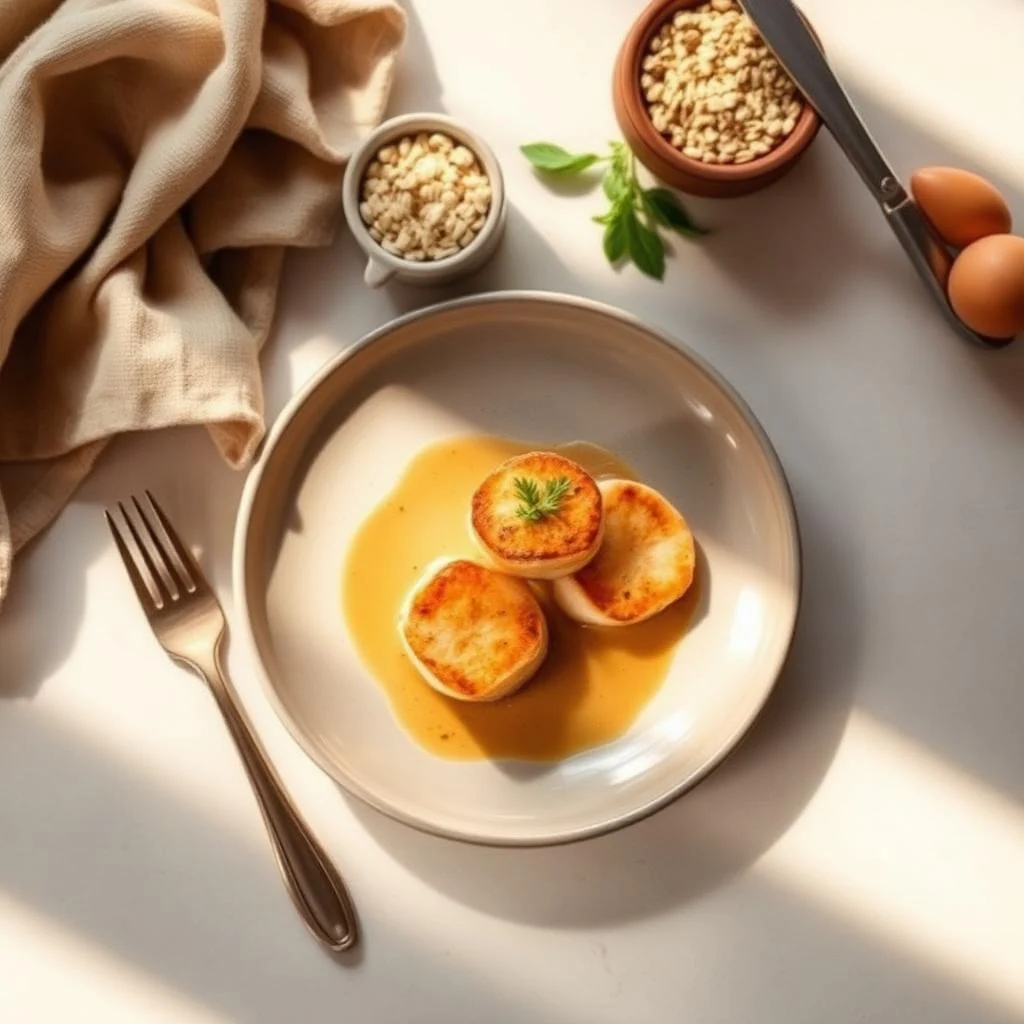
- 12Return the scallops to the pan, and spoon some of the sauce over the top of each scallop.
- 13Garnish with chopped parsley, and serve immediately.
Expert Tips
- Make sure to pat the scallops dry with a paper towel before cooking, to help the crust form evenly.
- Don't overcrowd the pan, cook the scallops in batches if necessary, to ensure they have enough room to cook evenly.
- Use a thermometer to check the internal temperature of the scallops, to ensure they are cooked to a safe temperature.
- Don't overcook the scallops, they should be cooked just until they reach an internal temperature of 145 F (63 C).
- Let the scallops rest for a few minutes before serving, to allow the juices to redistribute and the flavors to meld together.
- Use high-quality ingredients, such as fresh scallops and real butter, to get the best flavor and texture.
- Don't be afraid to experiment with different seasonings and sauces, to find the combination that you like best.
- Consider serving the scallops with a side of garlic mashed potatoes or roasted vegetables, for a well-rounded and satisfying meal.
Common Mistakes to Avoid
- Overcrowding the pan, which can cause the scallops to steam instead of sear.
- Not patting the scallops dry with a paper towel before cooking, which can prevent the crust from forming evenly.
- Not using a thermometer to check the internal temperature of the scallops, which can result in undercooked or overcooked scallops.
- Not letting the scallops rest for a few minutes before serving, which can cause the juices to run out and the flavors to become unbalanced.
- Using low-quality ingredients, such as frozen scallops or artificial seasonings, which can affect the flavor and texture of the dish.
- Not cooking the scallops at the right temperature, which can result in a tough or rubbery texture.
Variations and Substitutions
- Add some diced onions or shallots to the pan with the garlic, for added flavor and texture.
- Use different types of wine, such as Chardonnay or Pinot Grigio, to change the flavor profile of the sauce.
- Add some chopped herbs, such as parsley or thyme, to the sauce for added freshness and flavor.
- Serve the scallops with a side of quinoa or brown rice, for a nutritious and filling meal.
- Use lemon zest or lemon slices as a garnish, for a burst of citrus flavor and a pop of color.
- Add some spicy elements, such as red pepper flakes or diced jalapenos, to the sauce for an extra kick.
- Use different types of protein, such as shrimp or chicken, to change the flavor and texture of the dish.
What to Serve With Pan Seared Scallops
Pan-seared scallops are a versatile dish that can be served in a variety of ways. Consider serving them with a side of garlic mashed potatoes or roasted vegetables, for a well-rounded and satisfying meal. You could also serve them with a salad or a bowl of quinoa, for a lighter and fresher option.
Some other ideas for serving pan-seared scallops include: serving them with a side of steamed asparagus or green beans, for a pop of color and a burst of freshness; serving them with a side of sautéed spinach or kale, for a nutritious and filling meal; or serving them with a side of roasted sweet potatoes or Brussels sprouts, for a delicious and satisfying side dish.
Make-Ahead, Storage, Freezing and Reheating
Cooked scallops can be stored in the refrigerator for up to 3 days, or frozen for up to 2 months. To store, let the scallops cool to room temperature, then place them in an airtight container and refrigerate or freeze.
To reheat, simply thaw the scallops overnight in the refrigerator, then reheat them in a pan with a little bit of oil or butter until they are warmed through. You can also reheat them in the microwave, but be careful not to overcook them.
It's also possible to make the sauce ahead of time and store it in the refrigerator for up to 3 days. Simply reheat the sauce in a pan with a little bit of oil or butter until it is warmed through, then serve it over the scallops.
In addition, you can also make the entire dish ahead of time and store it in the refrigerator for up to a day. Simply reheat the scallops and sauce in a pan with a little bit of oil or butter until they are warmed through, then serve.
Frequently Asked Questions
What type of scallops should I use for this recipe?
You can use either fresh or frozen scallops for this recipe, but fresh scallops will generally have a better flavor and texture. If using frozen scallops, be sure to thaw them first and pat them dry with a paper towel before cooking.
How do I know when the scallops are cooked?
The scallops are cooked when they reach an internal temperature of 145 F (63 C). You can check the internal temperature with an instant-read thermometer, or check for doneness by cutting into one of the scallops - it should be opaque and firm to the touch.
Can I make this recipe ahead of time?
Yes, you can make the sauce ahead of time and store it in the refrigerator for up to 3 days. You can also make the entire dish ahead of time and store it in the refrigerator for up to a day. Simply reheat the scallops and sauce in a pan with a little bit of oil or butter until they are warmed through, then serve.
What type of wine should I use for this recipe?
You can use either white or red wine for this recipe, but a dry white wine such as Chardonnay or Sauvignon Blanc works best. Avoid using a sweet wine, as it can make the sauce too sweet and overpowering.
Can I substitute the scallops with another type of protein?
Yes, you can substitute the scallops with another type of protein such as shrimp, chicken, or pork. However, keep in mind that the cooking time and temperature may vary depending on the type of protein you use.
How do I prevent the scallops from sticking to the pan?
To prevent the scallops from sticking to the pan, make sure to heat the pan properly before adding the scallops, and use a small amount of oil or butter to coat the bottom of the pan. You can also add a small amount of acid, such as lemon juice or vinegar, to the pan to help prevent the scallops from sticking.
Can I make this recipe gluten-free?
Yes, this recipe is naturally gluten-free, as it does not contain any gluten-containing ingredients. However, be sure to check the ingredients of the wine and any store-bought sauces or seasonings you use, as they may contain gluten.
How do I store leftover scallops?
Cooked scallops can be stored in the refrigerator for up to 3 days, or frozen for up to 2 months. To store, let the scallops cool to room temperature, then place them in an airtight container and refrigerate or freeze.
Ingredients
- 1 lb (450g) scallops
- 2 cloves garlic, minced
- 2 tablespoons olive oil
- 1 tablespoon lemon juice
- 1 teaspoon dried thyme
- 1/2 teaspoon salt
- 1/4 teaspoon black pepper
- 1/4 cup white wine
- 2 tablespoons butter
- 2 tablespoons chopped fresh parsley
- Salt and pepper to taste
Instructions
- Rinse the scallops under cold water, and pat them dry with a paper towel to remove any excess moisture.
- Season the scallops with salt, pepper, and thyme, making sure to coat them evenly.
- Heat the olive oil in a large skillet or sauté pan over medium-high heat, until it reaches a temperature of 400°F (200°C).
- Add the garlic to the pan, and cook for 1-2 minutes, until fragrant and lightly golden.
- Add the scallops to the pan, and cook for 2-3 minutes on each side, until they reach an internal temperature of 145 F (63 C).
- Use an instant-read thermometer to check the internal temperature of the scallops, and adjust the cooking time as needed.
- Remove the scallops from the pan, and set them aside to rest for 2-3 minutes.
- Reduce the heat to medium, and add the white wine to the pan, scraping up any browned bits from the bottom.
- Bring the wine to a simmer, and cook for 2-3 minutes, until it has reduced by half and the sauce has thickened slightly.
- Add the butter to the pan, and whisk until melted and smooth.
- Stir in the lemon juice, and cook for an additional 1-2 minutes, until the sauce has thickened to your liking.
- Return the scallops to the pan, and spoon some of the sauce over the top of each scallop.
- Garnish with chopped parsley, and serve immediately.