
Roasted Butternut Squash
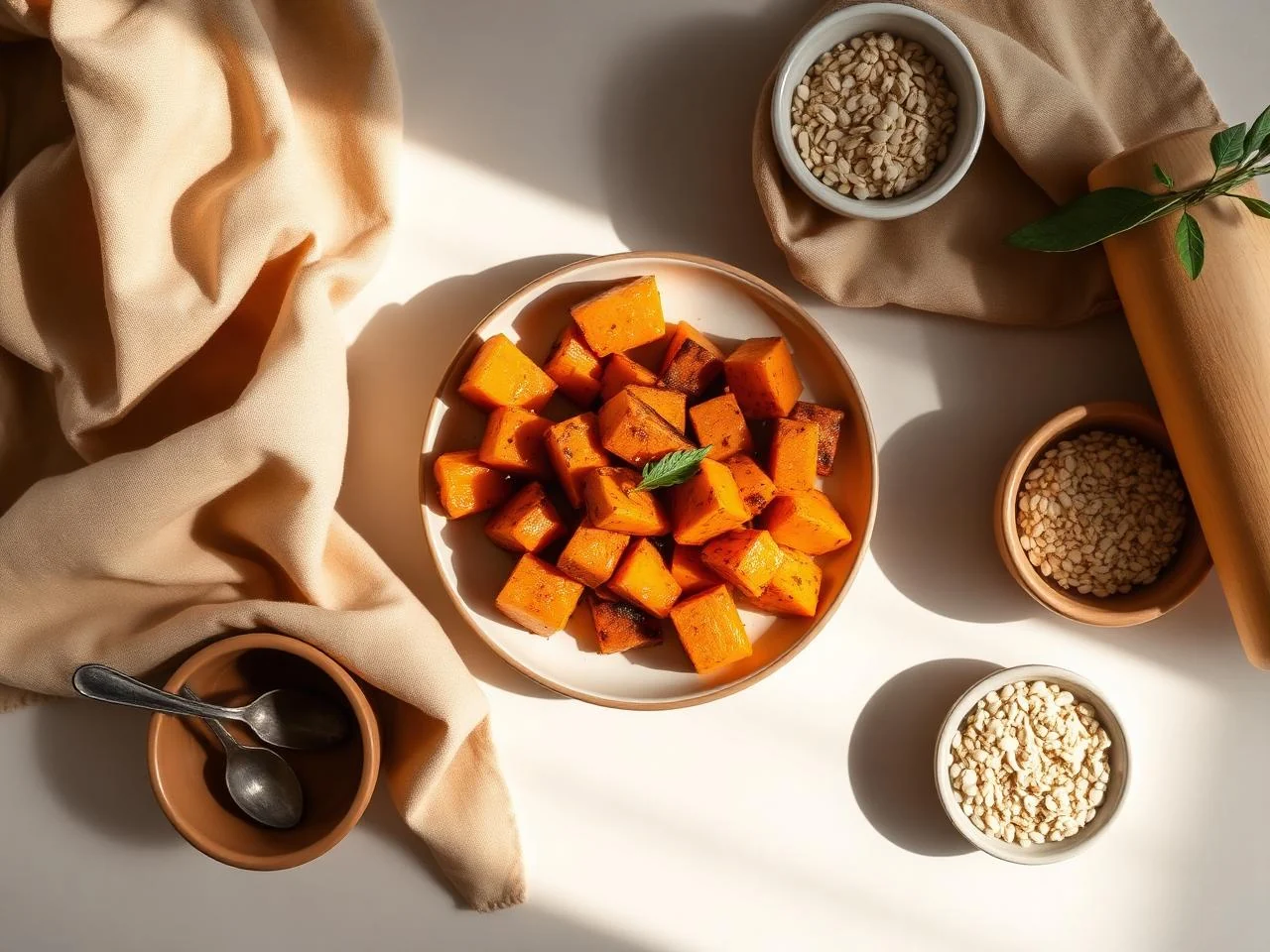
I still remember the first time I tried roasted butternut squash. It was at a family gathering, and my aunt had brought this beautifully golden-brown, tender squash that just melted in my mouth. From that day on, I was hooked. But what really drew me to this dish was how versatile it is - perfect as a side for holidays, a comforting weeknight dinner, or even as a base for soups and salads.
For me, the journey with butternut squash became even more meaningful after being diagnosed with celiac disease. I had to adapt my cooking to be gluten-free, but I was determined not to let that restrict my culinary adventures. Roasted butternut squash, with its natural sweetness and velvety texture, became a staple in my gluten-free kitchen.
This recipe is special because it's not just about throwing some squash in the oven. It's about understanding the nuances of heat, the importance of seasoning, and the patience required to bring out the best in this humble vegetable. Whether you're a seasoned cook or just starting out, this recipe is designed to guide you through the process with ease and confidence.
One of the reasons I love this recipe is its accessibility. You don't need a lot of fancy ingredients or equipment. Just a good butternut squash, some basic pantry staples, and a willingness to let the oven do its magic. It's a dish that's perfect for any time of the year, especially during the fall and winter months when butternut squash is at its peak season.
In this recipe, I'll walk you through the steps to create a deliciously roasted butternut squash that's both gluten-free and incredibly flavorful. From selecting the right squash to the final touches of seasoning, we'll explore the why behind each step, ensuring that you not only enjoy the process but also understand the technique behind it.
Why You’ll Love This Recipe
- It's incredibly easy to make, requiring minimal preparation and effort.
- The dish is very family-friendly and can be enjoyed by people of all ages.
- Roasted butternut squash is budget-friendly, using ingredients that are commonly found and affordable.
- It's a make-ahead dish that can be prepared in advance and reheated when needed.
- The recipe is highly versatile and can be served in a variety of ways, from a simple side dish to a more complex meal.
- It's a crowd-pleasing dish that is sure to impress your guests with its flavor and presentation.
Why This Recipe Works
The secret to a perfectly roasted butternut squash lies in its preparation and the balance of flavors. First, choosing a squash that's heavy for its size and has a matte finish is crucial. This indicates a higher water content and a sweeter flavor. Then, it's about the way you cut it - into cubes that are similar in size so they roast evenly.
The seasoning is where the magic happens. A blend of salt, pepper, and herbs like thyme or sage adds depth without overpowering the natural sweetness of the squash. Drizzling with olive oil ensures that the squash roasts to a tender, caramelized perfection without drying out.
Finally, the roasting process itself is a delicate balance of heat and time. Roasting at a high temperature initially to get a nice browning, then reducing the heat to cook the squash through, ensures that the outside is beautifully caramelized while the inside remains tender and fluffy.
This method not only brings out the best in butternut squash but also makes it incredibly versatile. Whether you're serving it as a side dish, adding it to salads, or using it as a base for soups, the roasted butternut squash is a culinary chameleon that adapts to any meal or occasion.
Ingredients You’ll Need
When it comes to the ingredients for roasted butternut squash, simplicity is key. You'll need a good butternut squash, some olive oil, salt, pepper, and your choice of herbs for seasoning. The quality of these ingredients can make a significant difference in the final product, so choose them wisely. For instance, using a high-quality olive oil can enhance the flavor of the squash, while fresh herbs can add a brighter, more vibrant taste.
Shopping for the right butternut squash can be a bit tricky, but look for one that's firm, with no signs of mold or soft spots. The size of the squash will depend on how many people you're serving, but generally, a medium to large squash is a good starting point.
- 1 large butternut squash (about 2 lbs)Choose a squash that is heavy for its size and has a matte finish, indicating a higher water content and sweeter flavor. To prepare the squash, you'll need to peel, de-seed, and cube it into similar-sized pieces for even roasting.
- 2 tbsp olive oilHigh-quality olive oil is essential for roasting the squash, as it enhances the flavor and helps to caramelize the natural sugars. In a later step, you'll drizzle this oil over the squash before roasting.
- 1 tsp saltSalt is crucial for bringing out the flavors of the squash. Use a flaky sea salt or kosher salt for the best flavor. You'll sprinkle this salt over the squash along with other seasonings before roasting.
- 1/2 tsp black pepperFreshly ground black pepper adds depth and warmth to the dish. Make sure to grind it just before using for the best flavor. This pepper will be used in conjunction with other seasonings to enhance the squash's flavor.
- 1 tsp dried thymeThyme pairs beautifully with the sweetness of the butternut squash, adding a savory and slightly earthy flavor. You'll mix this thyme with other seasonings before sprinkling it over the squash.
- 1 tsp garlic powderGarlic powder is a convenient way to add a deep, slightly sweet garlic flavor to the squash without the hassle of mincing fresh garlic. This powder will be combined with other seasonings to create a balanced flavor profile.
- 1/2 tsp paprikaPaprika adds a smoky depth to the dish, complementing the natural sweetness of the squash. Smoked paprika can be used for a more intense flavor, but sweet paprika works well too. You'll combine this paprika with other spices to create a rich seasoning blend.
- 1/4 tsp cayenne pepperA pinch of cayenne pepper adds a touch of heat, balancing out the sweetness of the squash. Adjust the amount according to your taste for spiciness. This pepper will be mixed with other seasonings to add depth and warmth to the dish.
- 1/2 cup chicken brothChicken broth is used to add moisture and flavor to the squash during roasting. You can use low-sodium broth to control the salt content of the dish. In a later step, you'll pour this broth into the roasting pan to keep the squash moist.
- 2 tbsp chopped fresh parsleyFresh parsley is used as a garnish, adding a fresh and herbaceous note to the dish. Choose parsley with fresh, green leaves for the best flavor and appearance. You'll sprinkle this parsley over the roasted squash just before serving.
- Salt and pepper to tasteAdditional salt and pepper may be needed to taste, depending on personal preference and the flavor of the squash. Adjust seasoning just before serving to ensure the flavors are balanced and satisfying.
Equipment You’ll Need
How to Make Roasted Butternut Squash
- 1Preheat your oven to 425°F (220°C). While the oven is heating up, prepare the butternut squash by peeling, de-seeding, and cutting it into cubes of about 1 inch (2.5 cm) in size.
- 2In a large bowl, toss the squash cubes with olive oil, salt, black pepper, thyme, garlic powder, paprika, and cayenne pepper until they are evenly coated with the spice mixture.
- 3Spread the squash out in a single layer in a large heavy roasting pan. This is important to ensure that each piece of squash has enough room to roast properly and caramelize on the outside.
- 4Roast the squash in the preheated oven for about 20-25 minutes, or until it starts to brown and caramelize. You'll know it's ready for the next step when the edges start to turn golden and the squash begins to soften.
- 5After the initial roasting, reduce the oven temperature to 375°F (190°C) and continue roasting for an additional 20-30 minutes, or until the squash is tender and caramelized, stirring occasionally to prevent burning.
- 6About 10 minutes before the squash is done, pour the chicken broth into the roasting pan. This will help to keep the squash moist and add extra flavor to the dish.
- 7Check the squash for doneness by inserting a fork or knife; it should slide in easily. If the squash is not yet tender, continue to roast in 10-minute increments until it reaches the desired tenderness.
- 8Once the squash is done, remove it from the oven and let it cool slightly in the roasting pan. This resting period allows the juices to redistribute, making the squash even more tender and flavorful.
- 9Just before serving, sprinkle the chopped fresh parsley over the roasted squash and adjust the seasoning with salt and pepper to taste.
- 10Serve the roasted butternut squash hot, garnished with additional parsley if desired. It pairs well with a variety of dishes, from roasted meats to salads and soups.
- 11For leftovers, let the squash cool completely before storing it in an airtight container in the refrigerator for up to 3 days. Reheat gently in the oven or microwave until warmed through.
Expert Tips
- To ensure the squash roasts evenly, make sure the pieces are similar in size and not overlapping in the roasting pan.
- Don't overcrowd the roasting pan, as this can prevent the squash from caramelizing properly. If necessary, roast the squash in batches.
- For an extra crispy exterior, broil the squash for a few minutes after roasting. Keep a close eye to prevent burning.
- Experiment with different seasonings and spices to find your favorite flavor combinations. Smoked paprika or ground cumin can add interesting twists to the dish.
- Roasted butternut squash can be used as a base for soups, salads, and other dishes. It's a versatile ingredient that can be incorporated into many meals.
- When shopping for butternut squash, look for ones that are heavy for their size and have a matte finish. These tend to be sweeter and have a better texture.
- To make the dish more substantial, you can add roasted nuts or seeds, such as pecans or pumpkin seeds, to the squash during the last 10 minutes of roasting.
Common Mistakes to Avoid
- Not cutting the squash into uniform pieces, leading to uneven roasting.
- Overcrowding the roasting pan, which prevents the squash from caramelizing properly.
- Not adjusting the oven temperature after the initial roasting, resulting in burnt or undercooked squash.
- Not letting the squash rest after roasting, causing it to become dry and less flavorful.
- Using low-quality ingredients, such as old spices or low-grade olive oil, which can negatively impact the flavor of the dish.
- Not checking the squash frequently during the roasting process, leading to overcooking or undercooking.
Variations and Substitutions
- Add a spicy kick by incorporating diced jalapeños or red pepper flakes into the seasoning blend.
- Use different types of winter squash, such as acorn or delicata, for a change in texture and flavor.
- Incorporate aromatic spices like cinnamon, nutmeg, or allspice to give the squash a warm, comforting flavor.
- Add some acidity with a squeeze of fresh lemon juice or a splash of apple cider vinegar to balance the sweetness of the squash.
- Mix in some chopped fresh herbs like sage, rosemary, or parsley into the squash for added freshness and depth.
- For a smoky flavor, add a bit of liquid smoke or smoked salt to the seasoning blend.
- Experiment with different types of oil, such as avocado oil or grapeseed oil, for a unique flavor profile.
What to Serve With Roasted Butternut Squash
Raised butternut squash is a versatile side dish that complements a wide range of meals. It pairs particularly well with roasted meats, such as chicken, beef, or pork, and can also be served alongside vegetarian dishes like stews or salads.
For a comforting meal, serve the roasted squash with a hearty beef stew or a plate of roasted chicken and vegetables. It's also a great addition to holiday meals, such as Thanksgiving or Christmas dinner, where its warm, comforting flavor can shine.
Make-Ahead, Storage, Freezing and Reheating
Roasted butternut squash can be stored in the refrigerator for up to 3 days. Let it cool completely before placing it in an airtight container to prevent moisture from accumulating and causing the squash to become soggy.
For longer storage, consider freezing the roasted squash. Once cooled, transfer it to a freezer-safe bag or container, making sure to press out as much air as possible before sealing to prevent freezer burn. Frozen squash can be stored for up to 3 months.
To reheat frozen squash, simply thaw it overnight in the refrigerator and then warm it up in the oven or microwave until heated through. You can also reheat it directly from the frozen state, but be sure to adjust the reheating time accordingly.
When reheating, it's a good idea to add a bit of moisture to the squash to prevent it from drying out. You can do this by covering the dish with foil or adding a splash of liquid, such as chicken broth or water, to the squash before reheating.
Frequently Asked Questions
How do I choose the right butternut squash?
Choose a squash that is heavy for its size and has a matte finish. Avoid squashes with soft spots or signs of mold.
Can I use other types of winter squash?
Yes, other types of winter squash like acorn or delicata can be used as substitutes. However, keep in mind that the flavor and texture may vary slightly.
How do I prevent the squash from becoming too dry?
To prevent dryness, make sure not to overcook the squash. Also, adding a bit of moisture, such as chicken broth, during the roasting process can help keep it tender and moist.
Can I make this recipe ahead of time?
Yes, you can roast the squash ahead of time and then reheat it when needed. It's a great make-ahead dish for busy days or special occasions.
Is roasted butternut squash gluten-free?
Yes, roasted butternut squash is naturally gluten-free, making it a great option for those with gluten intolerance or sensitivity.
How do I freeze roasted butternut squash?
Let the squash cool completely, then transfer it to a freezer-safe bag or container, pressing out as much air as possible before sealing. Frozen squash can be stored for up to 3 months.
Can I add nuts or seeds to the squash for extra crunch?
Yes, you can add roasted nuts or seeds, such as pecans or pumpkin seeds, to the squash during the last 10 minutes of roasting for added texture and flavor.
What are some good seasoning combinations for roasted butternut squash?
Some popular seasoning combinations include smoked paprika and garlic, cinnamon and nutmeg, or sage and thyme. Feel free to experiment with different herbs and spices to find your favorite flavor.
Ingredients
- 1 large butternut squash (about 2 lbs)
- 2 tbsp olive oil
- 1 tsp salt
- 1/2 tsp black pepper
- 1 tsp dried thyme
- 1 tsp garlic powder
- 1/2 tsp paprika
- 1/4 tsp cayenne pepper
- 1/2 cup chicken broth
- 2 tbsp chopped fresh parsley
- Salt and pepper to taste
Instructions
- Preheat your oven to 425°F (220°C). While the oven is heating up, prepare the butternut squash by peeling, de-seeding, and cutting it into cubes of about 1 inch (2.5 cm) in size.
- In a large bowl, toss the squash cubes with olive oil, salt, black pepper, thyme, garlic powder, paprika, and cayenne pepper until they are evenly coated with the spice mixture.
- Spread the squash out in a single layer in a large heavy roasting pan. This is important to ensure that each piece of squash has enough room to roast properly and caramelize on the outside.
- Roast the squash in the preheated oven for about 20-25 minutes, or until it starts to brown and caramelize. You'll know it's ready for the next step when the edges start to turn golden and the squash begins to soften.
- After the initial roasting, reduce the oven temperature to 375°F (190°C) and continue roasting for an additional 20-30 minutes, or until the squash is tender and caramelized, stirring occasionally to prevent burning.
- About 10 minutes before the squash is done, pour the chicken broth into the roasting pan. This will help to keep the squash moist and add extra flavor to the dish.
- Check the squash for doneness by inserting a fork or knife; it should slide in easily. If the squash is not yet tender, continue to roast in 10-minute increments until it reaches the desired tenderness.
- Once the squash is done, remove it from the oven and let it cool slightly in the roasting pan. This resting period allows the juices to redistribute, making the squash even more tender and flavorful.
- Just before serving, sprinkle the chopped fresh parsley over the roasted squash and adjust the seasoning with salt and pepper to taste.
- Serve the roasted butternut squash hot, garnished with additional parsley if desired. It pairs well with a variety of dishes, from roasted meats to salads and soups.
- For leftovers, let the squash cool completely before storing it in an airtight container in the refrigerator for up to 3 days. Reheat gently in the oven or microwave until warmed through.