
Gluten Free Shortbread
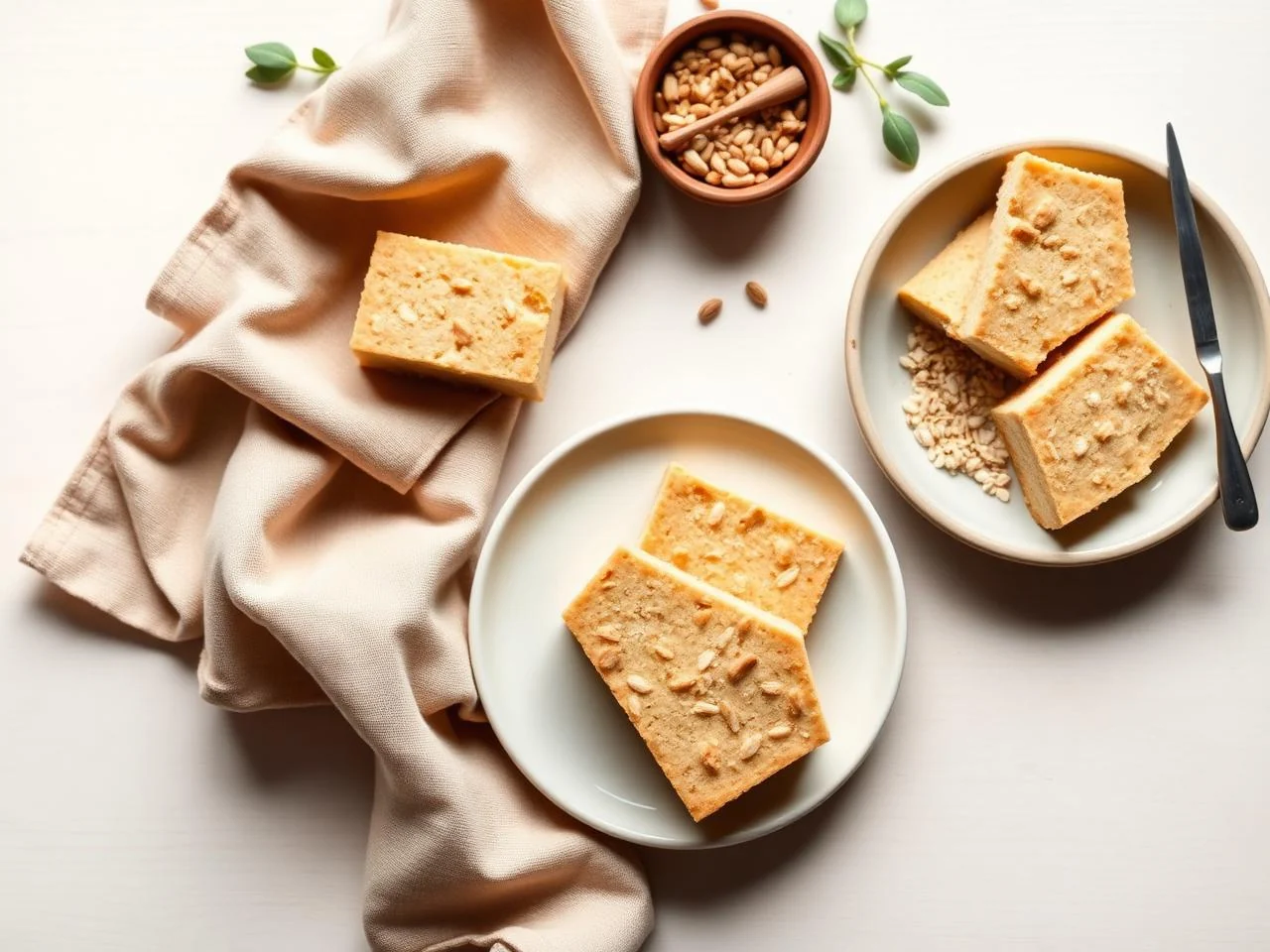
Welcome to my kitchen, where I share my favorite gluten-free recipes with you. As someone who has been living with celiac disease for years, I know how challenging it can be to find delicious and reliable gluten-free options. That's why I'm excited to share my recipe for gluten-free shortbread, a classic Scottish biscuit that's perfect for snacking or serving with your favorite tea or coffee.
I remember the first time I tried to make shortbread after being diagnosed with celiac disease. I was determined to recreate the same tender and crumbly texture that I loved in traditional shortbread, but it wasn't easy. After months of experimentation, I finally developed a recipe that uses a balanced blend of gluten-free flours and a simple technique to produce a shortbread that's just as delicious as the original.
This recipe is perfect for anyone who loves shortbread but needs to avoid gluten. It's also a great option for those who are new to gluten-free baking and want to try a simple and forgiving recipe. With just a few ingredients and some basic kitchen equipment, you can make a batch of tender and delicious gluten-free shortbread in no time.
So, what makes this recipe special? For starters, it uses a balanced blend of gluten-free flours that provides structure and texture to the shortbread. The recipe also includes a resting time, which allows the starches in the flours to fully absorb the liquid ingredients and produce a tender and crumbly texture. And, with just a few ingredients and some basic kitchen equipment, you can make a batch of delicious gluten-free shortbread in no time.
Whether you're a seasoned baker or just starting out, this recipe is perfect for anyone who loves shortbread and wants to make a delicious and reliable gluten-free version at home. So, let's get started and make some tender and delicious gluten-free shortbread!
Why You’ll Love This Recipe
- This recipe is easy to make and requires only a few ingredients.
- The shortbread is tender and crumbly, with a delicious flavor.
- The recipe is perfect for anyone who loves shortbread but needs to avoid gluten.
- The shortbread is great for snacking or serving with your favorite tea or coffee.
- The recipe is forgiving and easy to customize with your favorite flavors and ingredients.
- The shortbread freezes well, making it a great option for meal prep or gift-giving.
Why This Recipe Works
The key to making great gluten-free shortbread is to use a balanced blend of gluten-free flours that provides structure and texture to the biscuit. In this recipe, we use a combination of rice flour, tapioca starch, and xanthan gum to create a tender and crumbly texture. The rice flour provides a light and airy texture, while the tapioca starch helps to absorb excess moisture and prevent the shortbread from becoming too dense.
The xanthan gum is a critical ingredient in this recipe, as it helps to bind the flours together and create a cohesive texture. Without xanthan gum, the shortbread would likely be crumbly and fall apart easily. By using a combination of these ingredients, we can create a shortbread that's not only delicious but also tender and easy to handle.
Another important aspect of this recipe is the resting time. By allowing the dough to rest for 20-30 minutes, we give the starches in the flours time to fully absorb the liquid ingredients and produce a tender and crumbly texture. This step is critical in creating a shortbread that's not only delicious but also has a great texture.
Ingredients You’ll Need
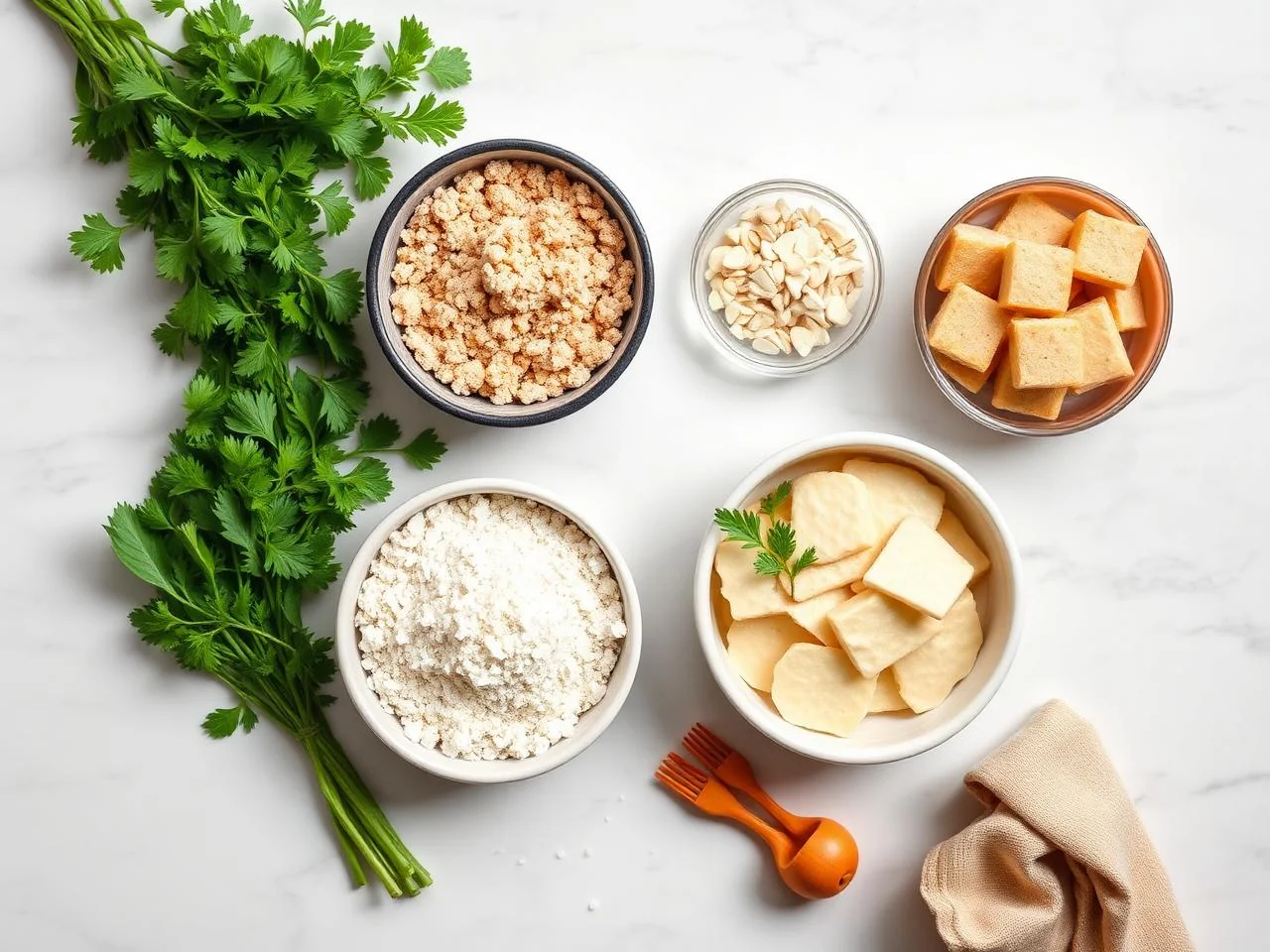
To make this recipe, you'll need a few simple ingredients, including a balanced blend of gluten-free flours, butter, sugar, and salt. You'll also need some basic kitchen equipment, such as a mixing bowl, measuring cups, and a baking sheet. Don't worry if you're new to gluten-free baking - this recipe is easy to follow and requires minimal special equipment.
When shopping for ingredients, be sure to choose a high-quality gluten-free flour blend that contains a combination of rice flour, tapioca starch, and xanthan gum. You can also customize the recipe with your favorite flavors and ingredients, such as vanilla extract or chopped nuts.
- 1 1/2 cups (190g) gluten-free flour blendChoose a high-quality gluten-free flour blend that contains a combination of rice flour, tapioca starch, and xanthan gum. This will provide structure and texture to the shortbread.
- 1/4 cup (50g) granulated sugarThe sugar adds flavor and tenderness to the shortbread. You can also use brown sugar or other types of sugar if you prefer.
- 1/2 cup (115g) unsalted butter, softenedThe butter provides flavor and moisture to the shortbread. Be sure to use high-quality, unsalted butter for the best flavor.
- 1/4 teaspoon saltThe salt enhances the flavor of the shortbread and helps to balance the sweetness of the sugar.
- 1/2 teaspoon xanthan gumThe xanthan gum helps to bind the flours together and create a cohesive texture. This is a critical ingredient in gluten-free baking.
- 1 large egg, beatenThe egg provides moisture and richness to the shortbread. Be sure to use a high-quality, fresh egg for the best flavor.
- 1 teaspoon vanilla extractThe vanilla extract adds flavor and aroma to the shortbread. You can also use other types of extract, such as almond or lemon, if you prefer.
- 1/2 cup (60g) chopped nuts, optionalThe chopped nuts add texture and flavor to the shortbread. You can use any type of nut you prefer, such as almonds or walnuts.
- Salt and pepper to tasteUse salt and pepper to taste to enhance the flavor of the shortbread. Be sure to use high-quality, fresh ingredients for the best flavor.
- 1 tablespoon confectioners' sugar, for dustingThe confectioners' sugar adds a sweet and tender texture to the shortbread. You can also use other types of sugar, such as granulated or brown sugar, if you prefer.
Equipment You’ll Need
How to Make Gluten Free Shortbread
- 1Preheat your oven to 300°F (150°C) and line a baking sheet with parchment paper.
- 2In a large mixing bowl, combine the gluten-free flour blend, granulated sugar, and salt. Whisk until well combined.
- 3Add the softened butter to the dry ingredients and mix until the mixture resembles coarse crumbs.
- 4Beat in the egg and vanilla extract until the mixture is smooth and creamy.
- 5If using chopped nuts, fold them into the mixture at this stage.
- 6Turn the mixture out onto a lightly floured surface and knead gently until it comes together.
- 7Roll the mixture out to a thickness of about 1/4 inch (6mm) and use a cookie cutter or the rim of a glass to cut out shapes.
- 8Place the shapes on the prepared baking sheet, leaving about 1 inch (2.5cm) of space between each shortbread.
- 9Bake the shortbread for 18-20 minutes, or until it is lightly golden around the edges and firm to the touch.
- 10Remove the shortbread from the oven and allow it to cool on the baking sheet for 5 minutes before transferring it to a cooling rack to cool completely.
- 11Once the shortbread is cool, dust it with confectioners' sugar and serve.
- 12If desired, you can also wrap the shortbread in plastic wrap or aluminum foil and store it in an airtight container at room temperature for up to 5 days.
Expert Tips
- Use a high-quality gluten-free flour blend that contains a combination of rice flour, tapioca starch, and xanthan gum for the best results.
- Don't overmix the dough, as this can cause the shortbread to become tough and dense.
- If you find that your shortbread is too crumbly, you can try adding a little more xanthan gum to the recipe.
- To make the shortbread more flavorful, you can try adding different extracts, such as almond or lemon, to the recipe.
- You can also customize the recipe by adding different types of sugar, such as brown sugar or honey, to the dough.
- If you're having trouble getting the shortbread to hold its shape, you can try chilling the dough in the refrigerator for 30 minutes before baking.
- To make the shortbread more tender, you can try adding a little more butter to the recipe.
- You can also try using different types of flour, such as almond flour or coconut flour, to create a unique flavor and texture.
Common Mistakes to Avoid
- Using a low-quality gluten-free flour blend that doesn't contain xanthan gum can result in a shortbread that is crumbly and falls apart easily.
- Overmixing the dough can cause the shortbread to become tough and dense.
- Not allowing the shortbread to cool completely before serving can cause it to become soggy and lose its texture.
- Using too much sugar can make the shortbread overly sweet and unbalanced.
- Not using enough butter can result in a shortbread that is dry and crumbly.
- Not chilling the dough long enough can cause the shortbread to spread too much during baking.
Variations and Substitutions
- Try adding different extracts, such as almond or lemon, to the recipe for a unique flavor.
- Use different types of sugar, such as brown sugar or honey, to create a unique flavor and texture.
- Add chopped nuts or seeds, such as almonds or sesame seeds, to the dough for added texture and flavor.
- Try using different types of flour, such as almond flour or coconut flour, to create a unique flavor and texture.
- Add a pinch of salt to the recipe to balance out the sweetness of the sugar.
- Try using different types of milk, such as almond milk or soy milk, to create a dairy-free shortbread.
- Add a teaspoon of vanilla extract to the recipe for an extra boost of flavor.
What to Serve With Gluten Free Shortbread
Serve the shortbread on its own, or pair it with your favorite tea or coffee for a delicious and satisfying snack. You can also serve it with a scoop of ice cream or a dollop of whipped cream for a decadent dessert.
Some other ideas for serving the shortbread include:
Pairing it with a fruit salad or a green salad for a light and refreshing snack.
Serving it with a bowl of soup or a sandwich for a comforting and satisfying meal.
Using it as a base for a dessert, such as a shortbread crust or a shortbread trifle.
Make-Ahead, Storage, Freezing and Reheating
To store the shortbread, allow it to cool completely on a cooling rack. Once it is cool, you can wrap it in plastic wrap or aluminum foil and store it in an airtight container at room temperature for up to 5 days.
You can also freeze the shortbread for up to 2 months. Simply wrap it tightly in plastic wrap or aluminum foil and place it in a freezer-safe bag. When you're ready to serve, simply thaw the shortbread at room temperature or reheat it in the oven at 300°F (150°C) for a few minutes.
To make the shortbread ahead of time, you can prepare the dough and chill it in the refrigerator for up to 24 hours. Then, simply roll out the dough and bake it as directed.
Some other tips for storing and reheating the shortbread include:
Using a high-quality airtight container to keep the shortbread fresh and prevent it from becoming stale.
Labeling the container with the date and contents, so you can easily keep track of how long it's been stored.
Freezing the shortbread in a single layer, so it doesn't stick together and become difficult to separate.
Frequently Asked Questions
What type of gluten-free flour blend should I use?
Choose a high-quality gluten-free flour blend that contains a combination of rice flour, tapioca starch, and xanthan gum. This will provide structure and texture to the shortbread.
Can I use a different type of sugar?
Yes, you can use different types of sugar, such as brown sugar or honey, to create a unique flavor and texture.
How do I know when the shortbread is done?
The shortbread is done when it is lightly golden around the edges and firm to the touch. You can also check the internal temperature with an instant-read thermometer - it should be around 200°F (90°C).
Can I make the shortbread ahead of time?
Yes, you can prepare the dough and chill it in the refrigerator for up to 24 hours. Then, simply roll out the dough and bake it as directed.
How do I store the shortbread?
Allow the shortbread to cool completely on a cooling rack. Once it is cool, you can wrap it in plastic wrap or aluminum foil and store it in an airtight container at room temperature for up to 5 days.
Can I freeze the shortbread?
Yes, you can freeze the shortbread for up to 2 months. Simply wrap it tightly in plastic wrap or aluminum foil and place it in a freezer-safe bag. When you're ready to serve, simply thaw the shortbread at room temperature or reheat it in the oven at 300°F (150°C) for a few minutes.
What's the best way to reheat the shortbread?
You can reheat the shortbread in the oven at 300°F (150°C) for a few minutes, or simply thaw it at room temperature.
Can I make the shortbread in a different shape?
Yes, you can use a cookie cutter or the rim of a glass to cut out shapes. You can also simply roll out the dough and cut it into squares or rectangles.
Ingredients
- 1 1/2 cups (190g) gluten-free flour blend
- 1/4 cup (50g) granulated sugar
- 1/2 cup (115g) unsalted butter, softened
- 1/4 teaspoon salt
- 1/2 teaspoon xanthan gum
- 1 large egg, beaten
- 1 teaspoon vanilla extract
- 1/2 cup (60g) chopped nuts, optional
- Salt and pepper to taste
- 1 tablespoon confectioners' sugar, for dusting
Instructions
- Preheat your oven to 300°F (150°C) and line a baking sheet with parchment paper.
- In a large mixing bowl, combine the gluten-free flour blend, granulated sugar, and salt. Whisk until well combined.
- Add the softened butter to the dry ingredients and mix until the mixture resembles coarse crumbs.
- Beat in the egg and vanilla extract until the mixture is smooth and creamy.
- If using chopped nuts, fold them into the mixture at this stage.
- Turn the mixture out onto a lightly floured surface and knead gently until it comes together.
- Roll the mixture out to a thickness of about 1/4 inch (6mm) and use a cookie cutter or the rim of a glass to cut out shapes.
- Place the shapes on the prepared baking sheet, leaving about 1 inch (2.5cm) of space between each shortbread.
- Bake the shortbread for 18-20 minutes, or until it is lightly golden around the edges and firm to the touch.
- Remove the shortbread from the oven and allow it to cool on the baking sheet for 5 minutes before transferring it to a cooling rack to cool completely.
- Once the shortbread is cool, dust it with confectioners' sugar and serve.
- If desired, you can also wrap the shortbread in plastic wrap or aluminum foil and store it in an airtight container at room temperature for up to 5 days.